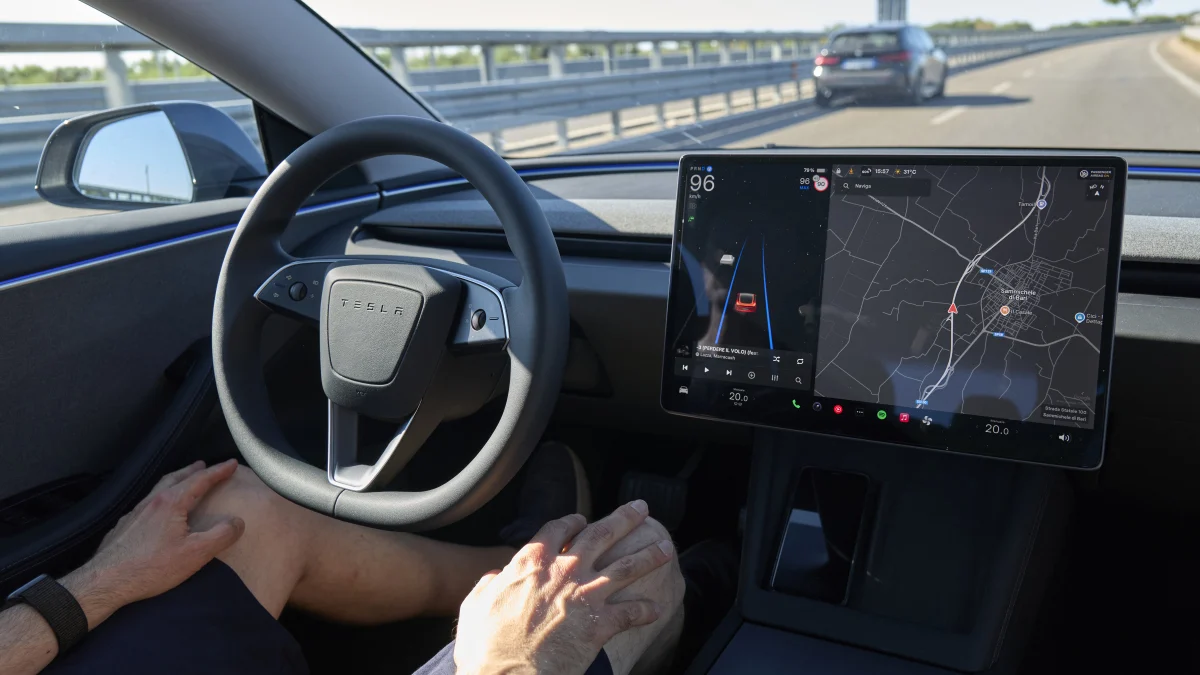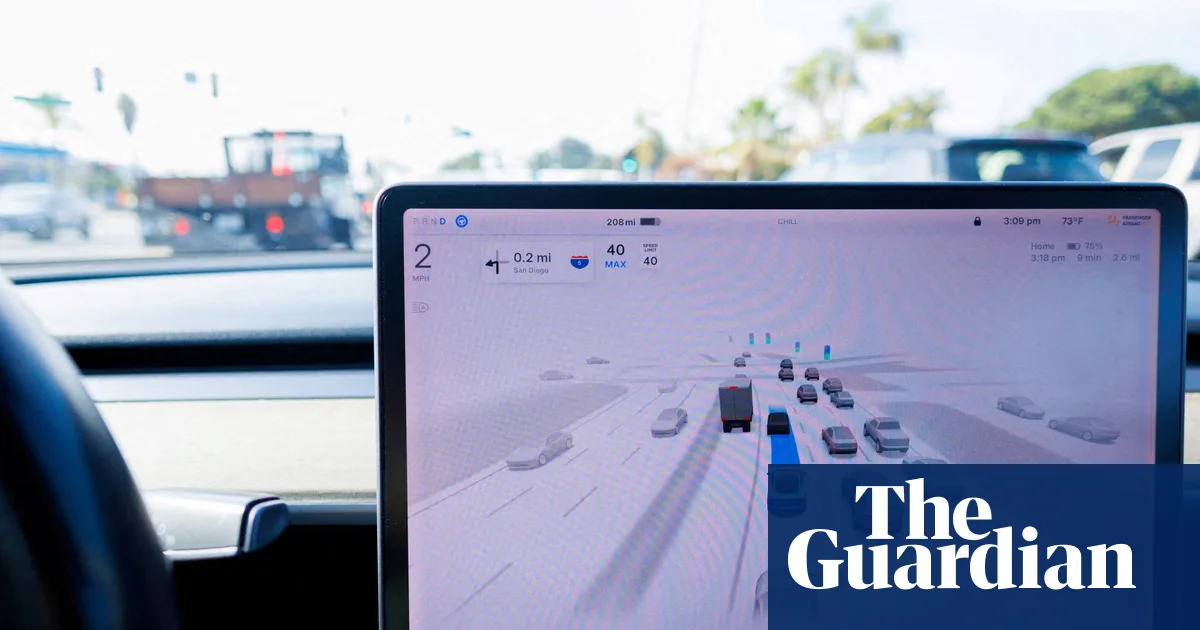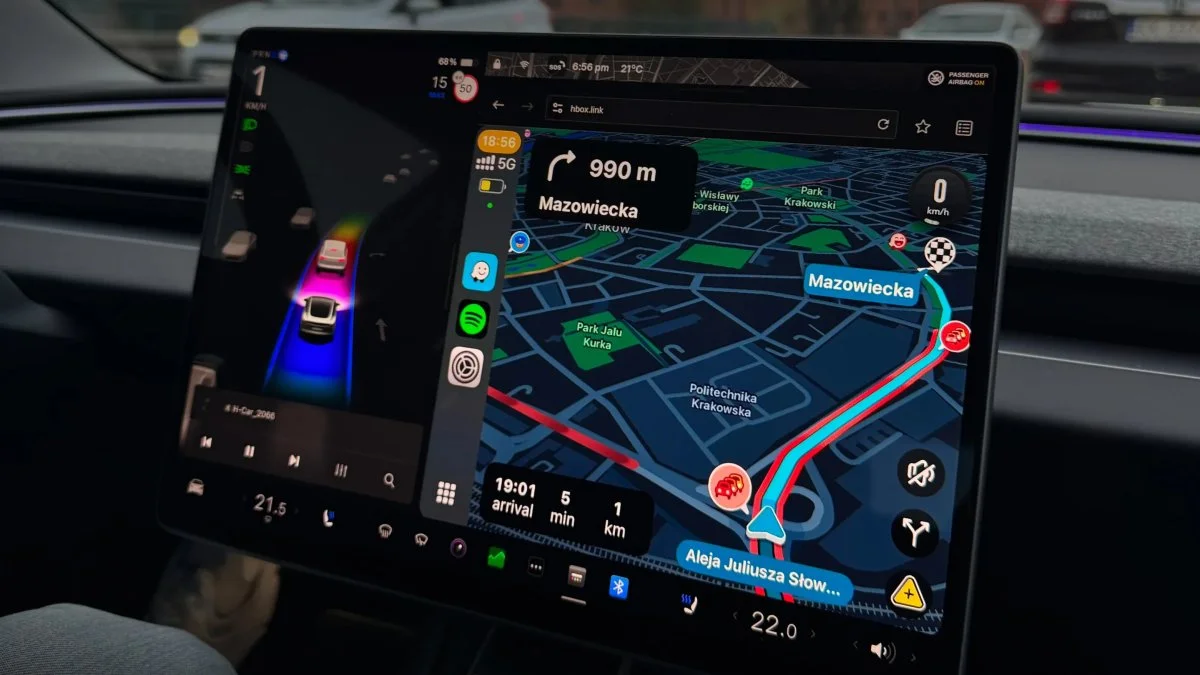
Tesla's new 'Mad Max mode' for its Full Self-Driving system has prompted an investigation by the NHTSA due to concerns over safety and traffic violations, amid ongoing controversies surrounding Tesla's autonomous driving technology.
Tesla is under investigation by the NHTSA for traffic safety violations involving its Full Self-Driving system, with reports of crashes, injuries, and traffic law violations in 2.88 million vehicles, raising concerns about the system's safety and performance.
US regulators have launched an investigation into Tesla's full self-driving technology following a series of crashes and traffic violations, including running red lights and improper lane changes, with reports of injuries and safety concerns about the system's warnings and behavior.
The U.S. NHTSA has launched an investigation into nearly 2.9 million Tesla vehicles equipped with Full Self-Driving (FSD) due to over 50 reports of traffic violations, crashes, and injuries, including driving through red lights and against traffic directions, raising safety concerns and potential recalls.
Two Tesla shareholder-influencers attempted a coast-to-coast self-driving trip in a Tesla Model Y using the latest FSD software but crashed after covering only about 60 miles, highlighting the ongoing challenges and delays in achieving fully autonomous driving as promised by Elon Musk.
Tesla is under investigation for delaying the reporting of crashes involving its autonomous driving features, with reports of delays of several months, despite federal requirements for prompt reporting. The company claims the delays were due to data collection issues, which have now been fixed, but an audit is ongoing to ensure compliance. Tesla has reported over 2,300 crashes, including 40 fatal ones, under the current reporting rules, which are being considered for revision by NHTSA.
The NHTSA has launched an investigation into Tesla for potentially delayed and inconsistent reporting of crashes involving its Autopilot and FSD systems, amid concerns over transparency and safety data handling, especially given Tesla's history of opacity in crash reporting and data redaction.
Tesla's robotaxi, introduced in Austin, faces significant challenges including safety concerns and operational errors, with incidents during its debut highlighting the technology's current limitations despite Elon Musk's optimistic vision for autonomous driving.
The French government has found Tesla guilty of misleading practices related to its Full Self-Driving (FSD) system and other sales issues, giving the company four months to comply or face daily fines of 50,000 euros. The investigation revealed Tesla's misrepresentations about FSD's capabilities, incomplete sales contracts, and delivery issues, highlighting regulatory concerns over consumer protection and advertising honesty.
GM is shifting its focus from fully autonomous vehicles to advanced driver assistance systems (ADAS) by closing its Cruise division and concentrating on Super Cruise. This move comes as Tesla's Full Self-Driving (FSD) technology gains attention, with other manufacturers like BMW expressing interest in potentially licensing it. Tesla's recent We, Robot event showcased its advancements in autonomous technology, positioning it as a leader in the field. Meanwhile, GM acknowledges Tesla's vision-based approach as the right strategy for autonomy.
Tesla has been awarded a patent for a system and method to adapt neural network models on hardware platforms, potentially paving the way for licensing its Full Self-Driving (FSD) technology to other brands. The patent involves configuring neural networks to work on various hardware, addressing constraints in autonomous vehicles and mobile devices. While Tesla has not confirmed plans to license FSD, the patent could facilitate such developments. Tesla's shares rose 4.75% following the news.
Tesla has halted Cybertruck deliveries due to an accelerator pedal issue caused by lubricant residues, with plans to resume deliveries after redesigning the pedal cover. Additionally, the company has reduced the price of its Full Self-Driving (FSD) subscription to $99 per month in the U.S. and Canada, while also planning to introduce new features for the Cybertruck through upcoming software updates, including faster charging capabilities and Cabin Overheat Protection.
Tesla has launched its Full Self-Driving (FSD) subscription option in Canada at a monthly price of $99 CAD, following a similar price cut in the U.S. The move comes as part of a broader effort to expand FSD availability, including offering a one-month free trial for new buyers and allowing FSD transfers between vehicles. Additionally, Tesla plans to unveil its robotaxi platform on August 8, amidst speculation about the development of a $25,000 electric vehicle. CEO Elon Musk has denied reports of canceling the affordable vehicle and hinted at potential connections between the robotaxi platform and the upcoming mass-market EV.
Tesla slashes its Full Self-Driving (FSD) subscription price by 50% to $99/month, while CEO Elon Musk plans to visit India and meet with Prime Minister Narendra Modi to reveal the company's India plan. Nikola's stock plunges amid a boardroom battle and a proposed reverse stock split, Ford reduces prices for its F-150 Lightning EV pickup truck, and Volkswagen sees a decline in EV sales in Europe but a robust increase in China. Canoo deepens its ties in the Middle East with a pilot program for its electric vehicles.
Tesla has slashed the price of its Supervised Full Self-Driving (FSD) subscription to $99 a month from $199, potentially boosting subscriptions and attracting more customers. The lower rate could lead to increased revenue over time, but the company may raise prices if demand surges. FSD, a Level 2 system, requires a human driver to be attentive at all times. Tesla stock rose slightly after the announcement, and CEO Elon Musk had hinted at the reduced rate on social media.