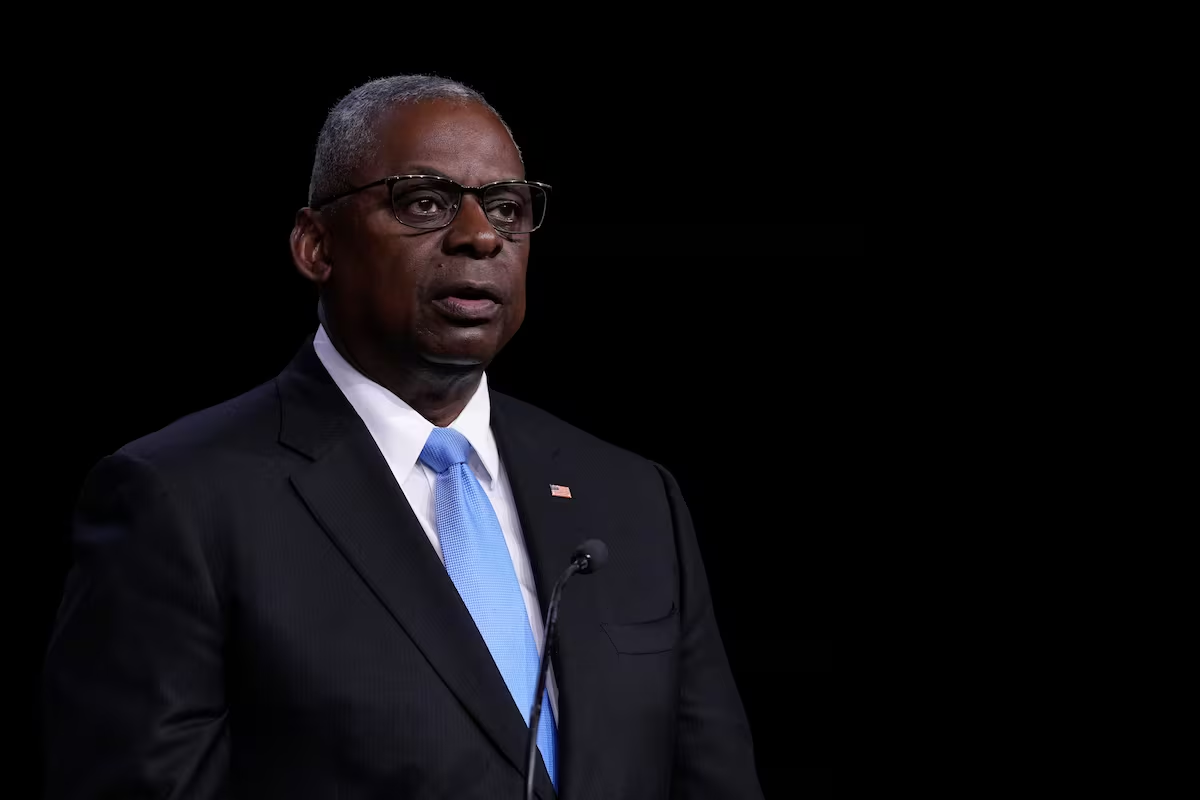
China's defense minister has declined a meeting with U.S. Defense Secretary Lloyd Austin, marking a pause in high-level military talks between the two nations. The refusal comes amid tensions over U.S. arms sales to Taiwan, which China views as part of its territory. Despite recent meetings between Chinese leader Xi Jinping and U.S. President Joe Biden, and previous military dialogues, the decision to halt talks reflects ongoing diplomatic strains. The U.S. continues to emphasize the importance of maintaining open communication channels with China.
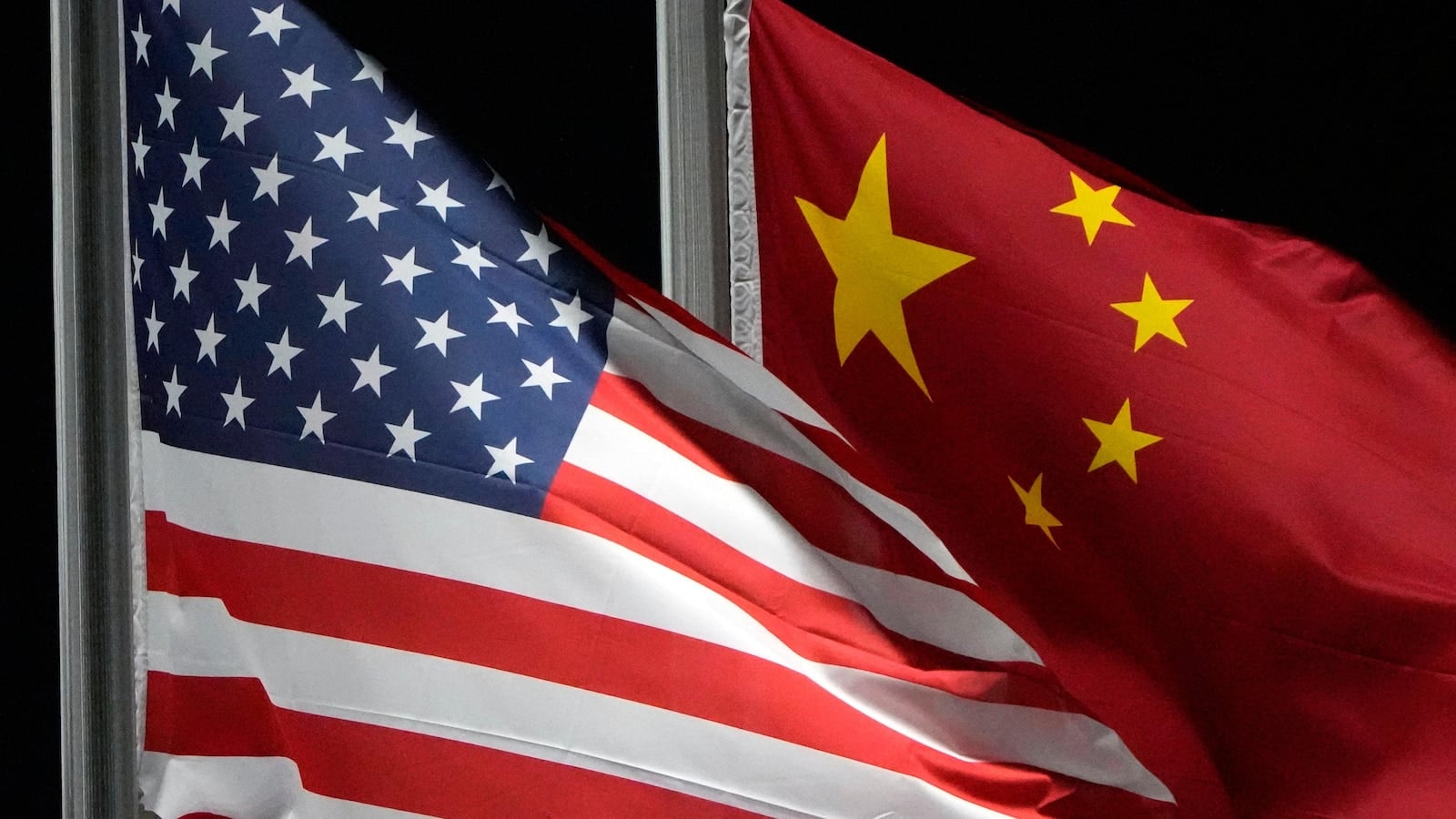
After a nearly two-year hiatus, U.S. and Chinese defense officials have resumed talks on unsafe and aggressive incidents involving their militaries in the Pacific region, aiming to enhance safety in the air and at sea. The meeting in Hawaii marks a thaw in relations between the two countries, with discussions focusing on specific incidents and broader policy issues. Both sides have expressed commitment to open communication and have noted a reduction in unsafe incidents by Chinese military aircraft and ships in recent months. The talks come amid ongoing tensions over Taiwan and the South China Sea.
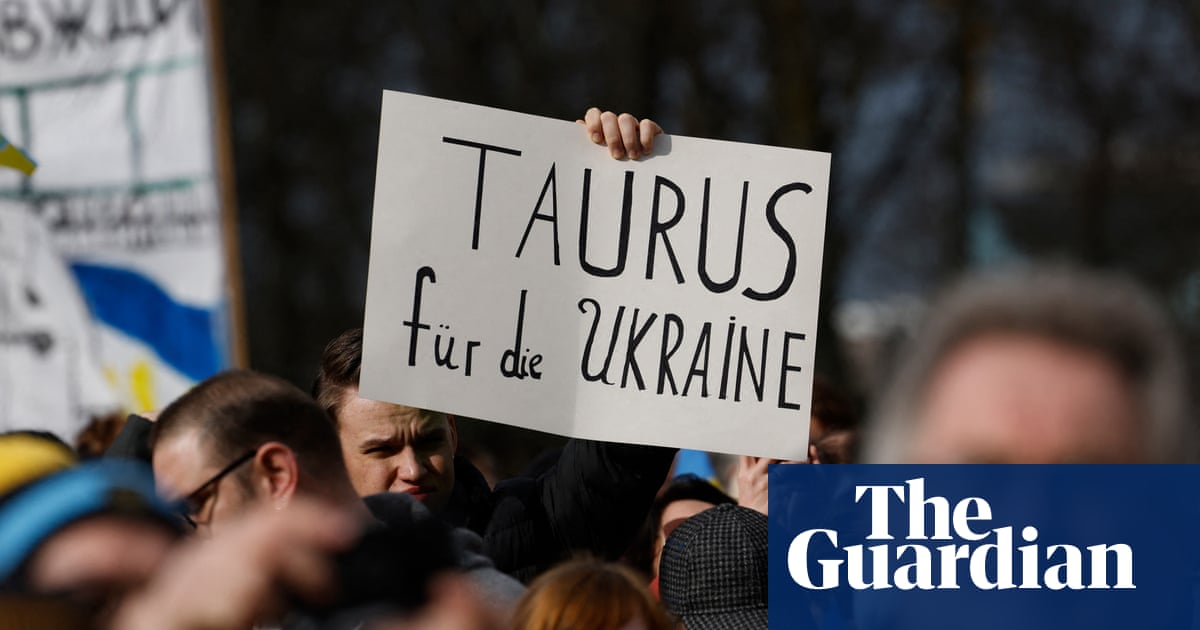
Germany is investigating the apparent interception of confidential military talks on Ukraine after a recording of the conversation was circulated on Russian social media. The recording allegedly reveals German officers discussing striking the Crimea bridge, delivering Taurus cruise missiles to Kyiv, and training Ukrainian soldiers. The authenticity of the 38-minute recording has not been independently confirmed, but it has caused a major embarrassment for Berlin. Russia has demanded an explanation from Germany, while German officials have expressed concerns about vulnerability to espionage and manipulation in the context of hybrid warfare.
The United States and Iraq have initiated formal talks to end the U.S.-led military coalition's mission in Iraq, originally formed to combat the Islamic State group. The talks come amidst ongoing drone attacks on U.S. forces in Iraq and Syria by Iran-backed militias, and are not directly related to these attacks. The U.S. has had a continuous presence in Iraq since 2003, and although combat forces left in 2011, troops returned in 2014 to aid in defeating IS. The decision to begin talks has drawn mixed reactions, with some viewing it as a response to the attacks, while others see it as a step towards ending the coalition's mission.
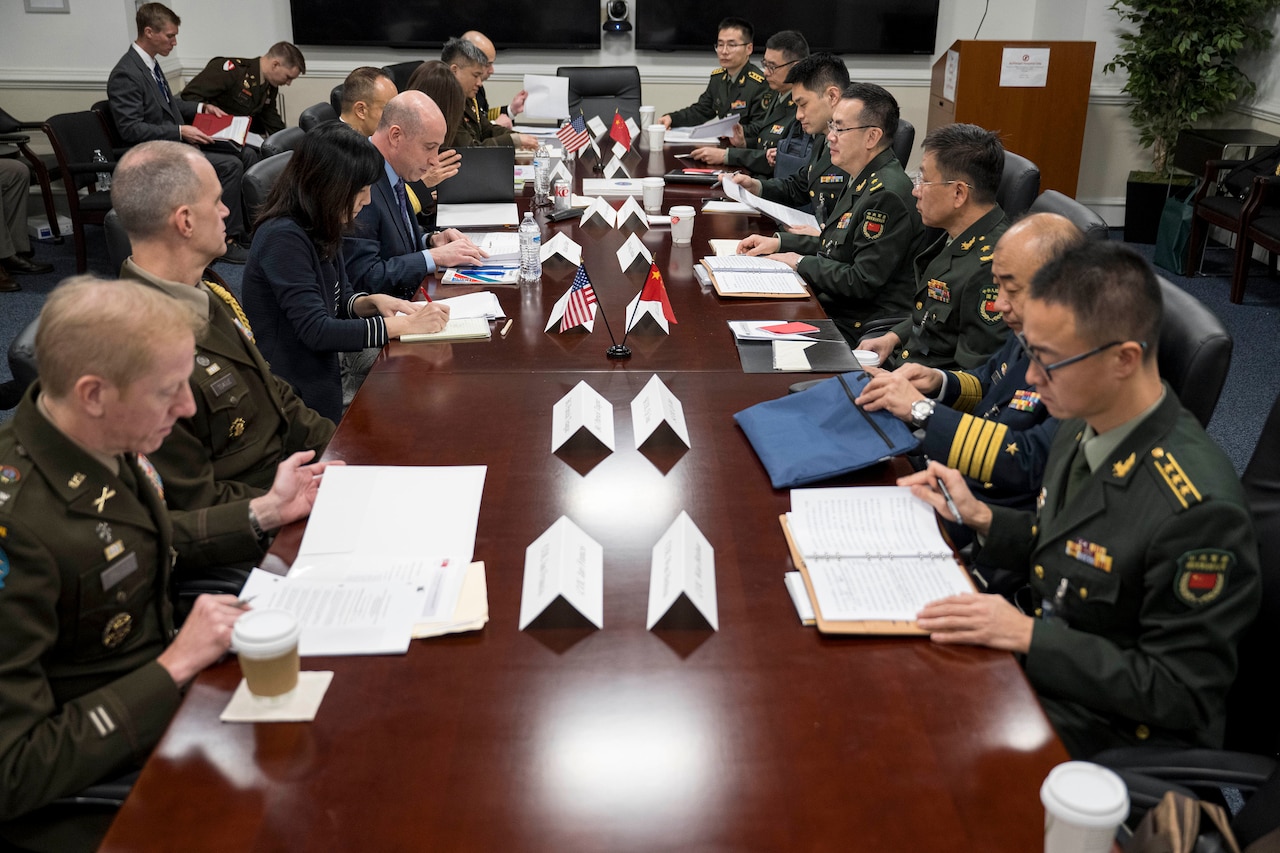
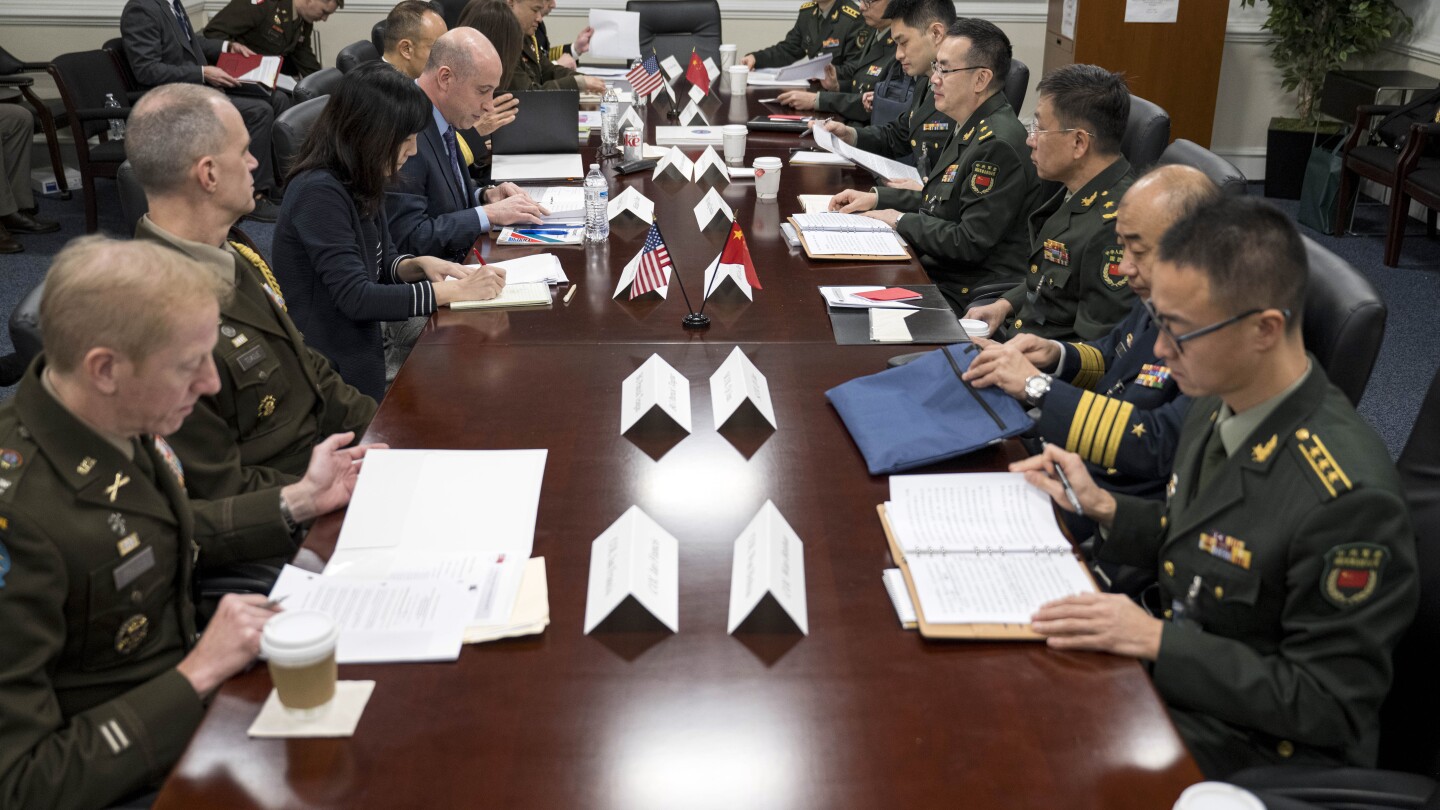
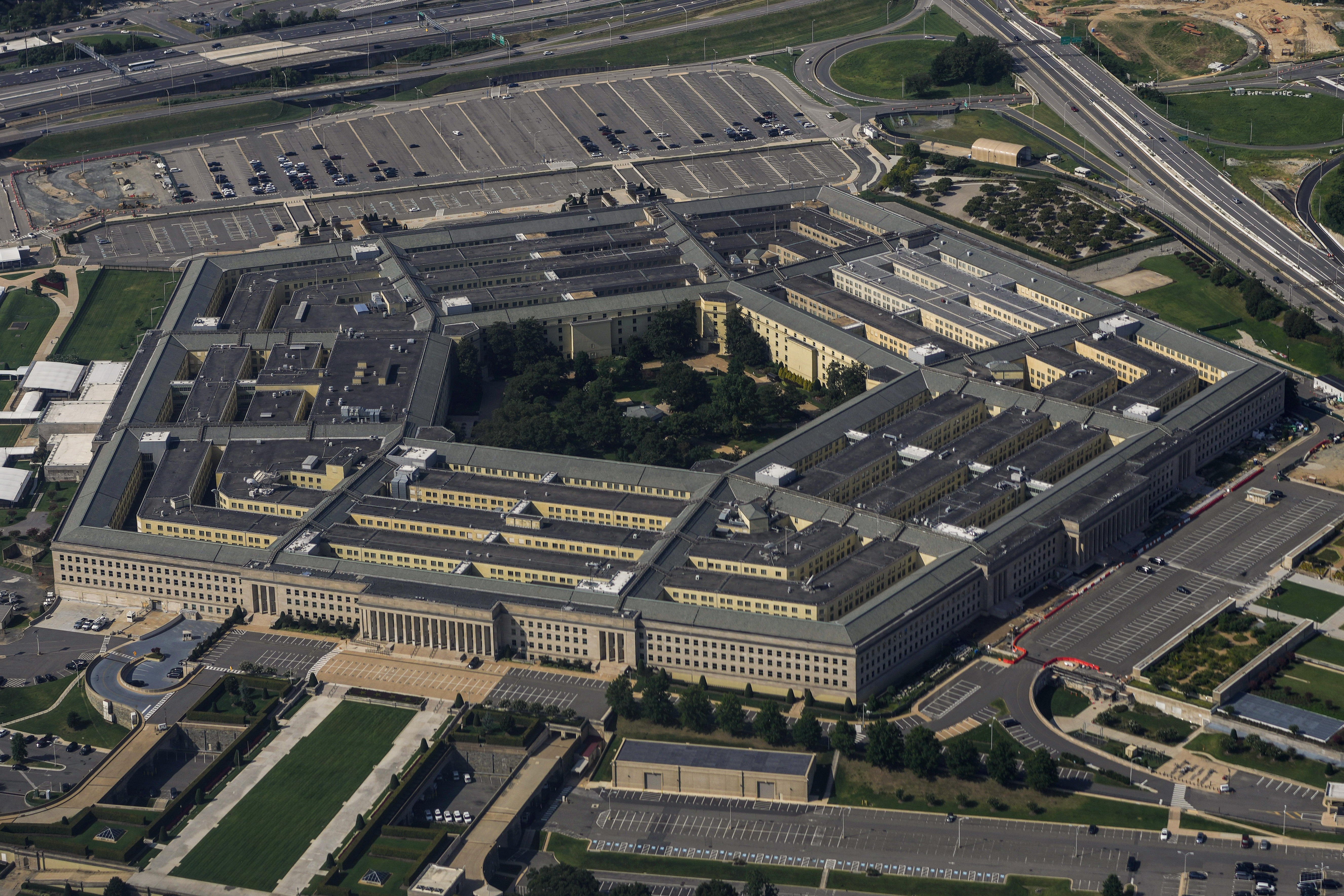
Senior U.S. and Chinese military officials held high-level talks at the Pentagon to discuss defense relations, marking the resumption of the U.S.-China Defense Policy Coordination Talks. The meeting aimed to set the agenda for further exchanges and provided a forum to discuss regional and global security issues. U.S. officials emphasized the importance of maintaining open lines of military-to-military communication to prevent competition from escalating into conflict, and reaffirmed the commitment to allies and partners in the Indo-Pacific region. The talks signify progress in reestablishing normal military-to-military communications, following President Biden's securing of China's agreement to return to such talks in November.
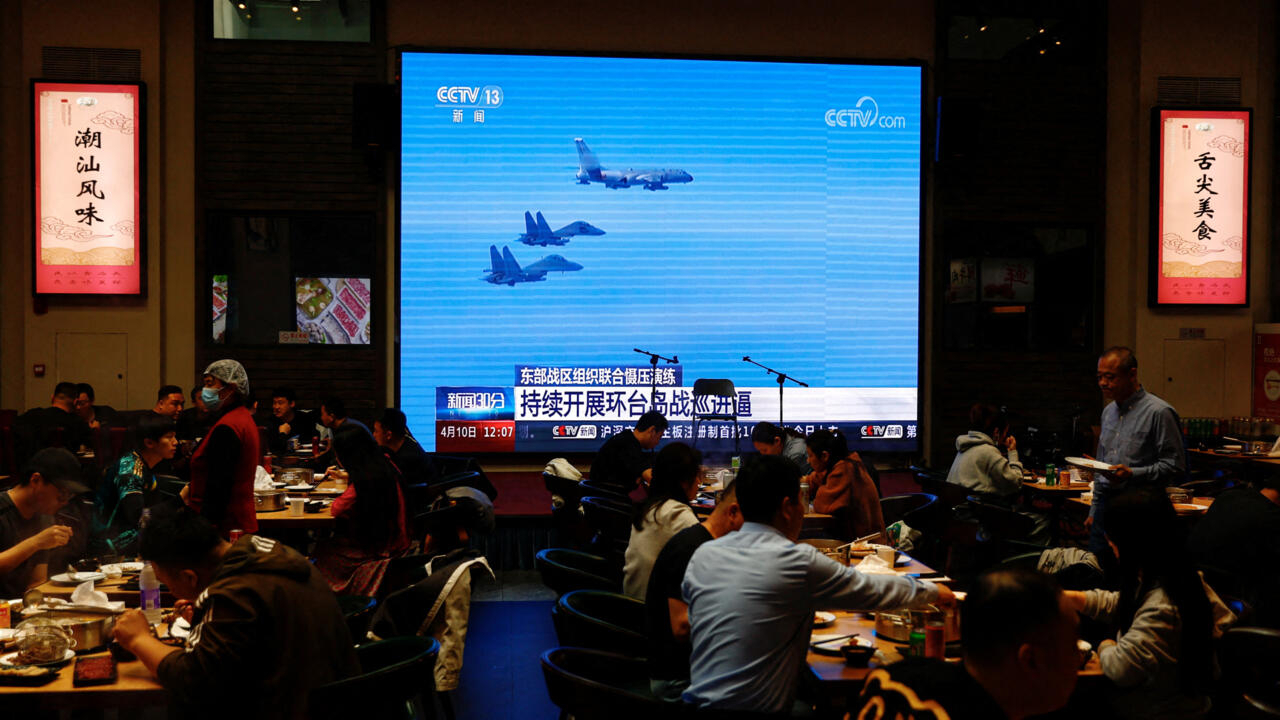
China asserts its unwavering stance on Taiwan's sovereignty during military talks with the U.S., emphasizing its refusal to compromise and demanding adherence to the one-China principle. The talks come ahead of Taiwan's presidential election, shaping its relationship with China and the U.S. China urges the U.S. to reduce military presence in the South China Sea and stop supporting provocative actions by certain countries. Taiwan is on high alert amid increased Chinese military activities, with accusations of attempted voter influence.
Chinese military officials emphasized to their US counterparts that they will "never compromise" on the Taiwan issue and urged the US to cease "provocative actions" in the South China Sea, while also calling for a reduction in military deployment and support for Taiwan. The talks, held at the Pentagon, aimed to restart military dialogue between the two countries, with China expressing its willingness to develop stable military relations based on equality and respect.
US and Chinese military officers have resumed talks at the Pentagon after a hiatus following Nancy Pelosi's visit to Taiwan in 2022. The discussions aim to prevent escalating competition between the two powers from turning into direct conflict, with potential future meetings between Defense Secretary Lloyd Austin and Chinese Defense Minister Dong Jun being considered. The resumption of talks follows a call between senior military officials from both countries and was agreed upon by Presidents Biden and Xi during their summit. The talks address policy concerns and operational safety in the Indo-Pacific, with the U.S. emphasizing its commitment to the "One China" policy guided by the Taiwan Relations Act.
Top U.S. and Chinese defense officials met at the Pentagon for the first time since 2020, discussing defense relations and the importance of maintaining open lines of military communication. The talks come amid a slight thaw in relations between the two countries, following a period of no contacts between military or political leaders. The lack of communication had raised fears of military miscalculation in the Indo-Pacific region, where China has been flexing its naval muscles.
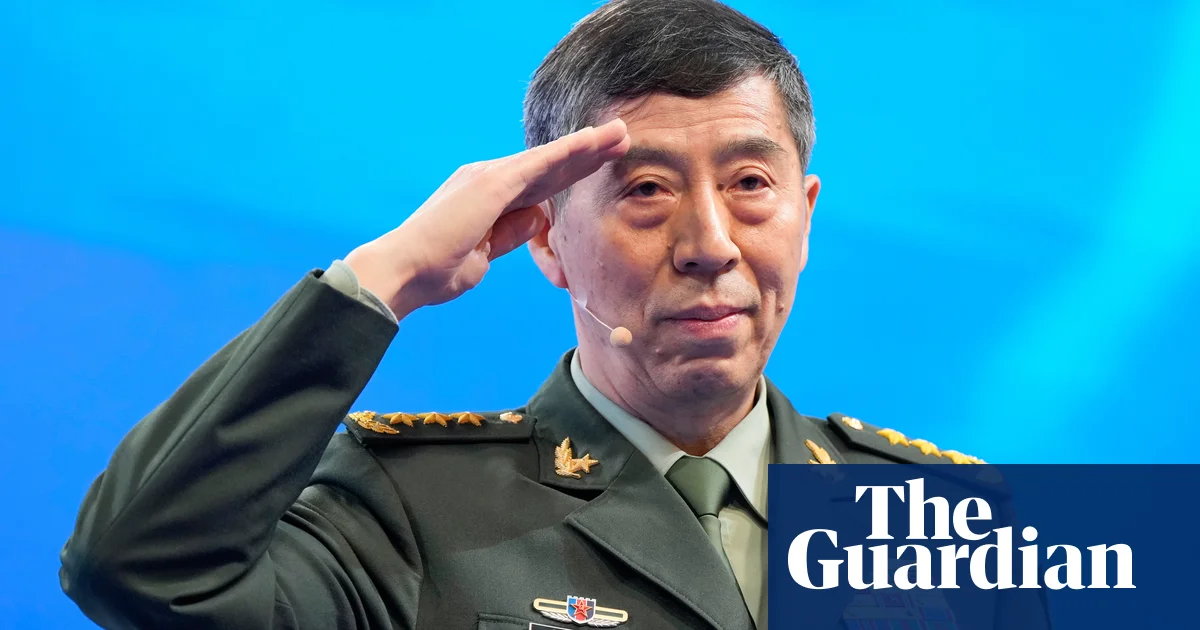
China's defence minister, Li Shangfu, warned of a "cold war mentality" in the Asia-Pacific region at the Shangri-La Dialogue in Singapore, but said Beijing seeks dialogue over confrontation. Li refused to formally meet the US defence secretary, Lloyd Austin, at the summit. Ties between Washington and Beijing are strained over a range of issues, including Taiwan, the South China Sea and President Joe Biden's restrictions on semiconductor chip exports.
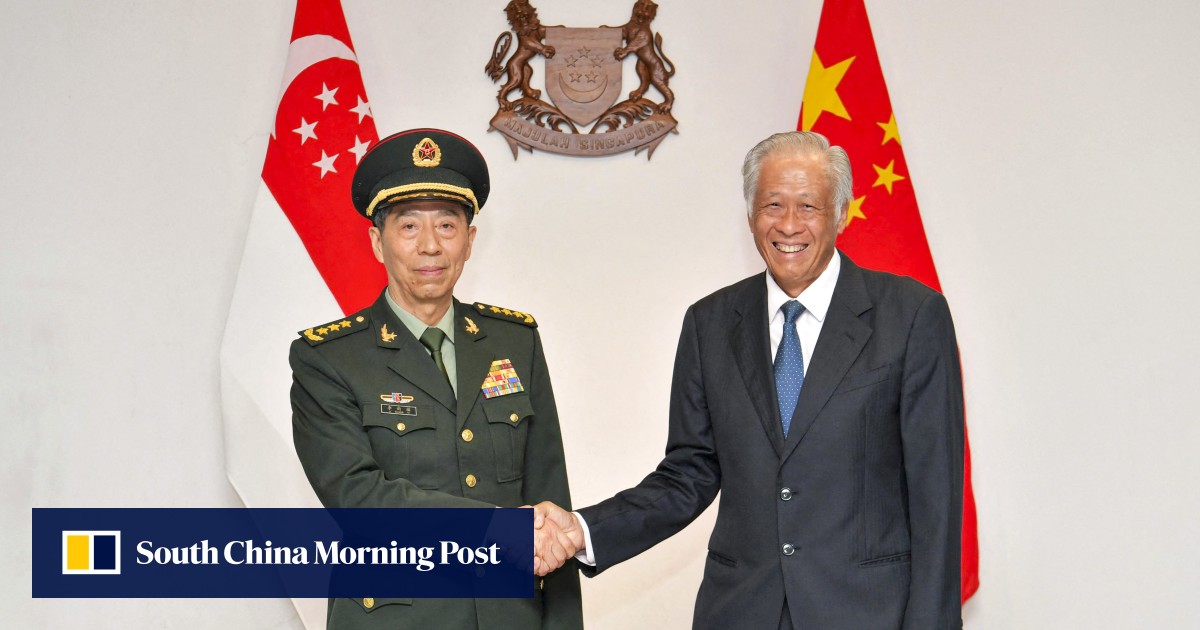
China and Singapore have signed a memorandum of understanding to establish a phone link for "high-level" military talks. The agreement was made during a meeting between the defence chiefs of both countries, General Li Shangfu and Ng Eng Hen, respectively. General Li is currently in Singapore for the Shangri-La Dialogue, an annual security summit.