Paleontologists in China discovered a new species of false saber-toothed cat, Taotienimravus songi, from the middle Oligocene era, which provides insights into early large carnivores and their ecological niches in Eurasia.
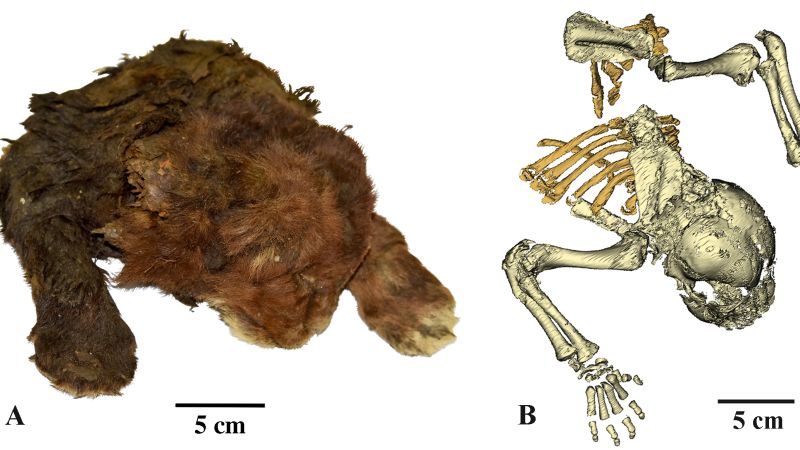
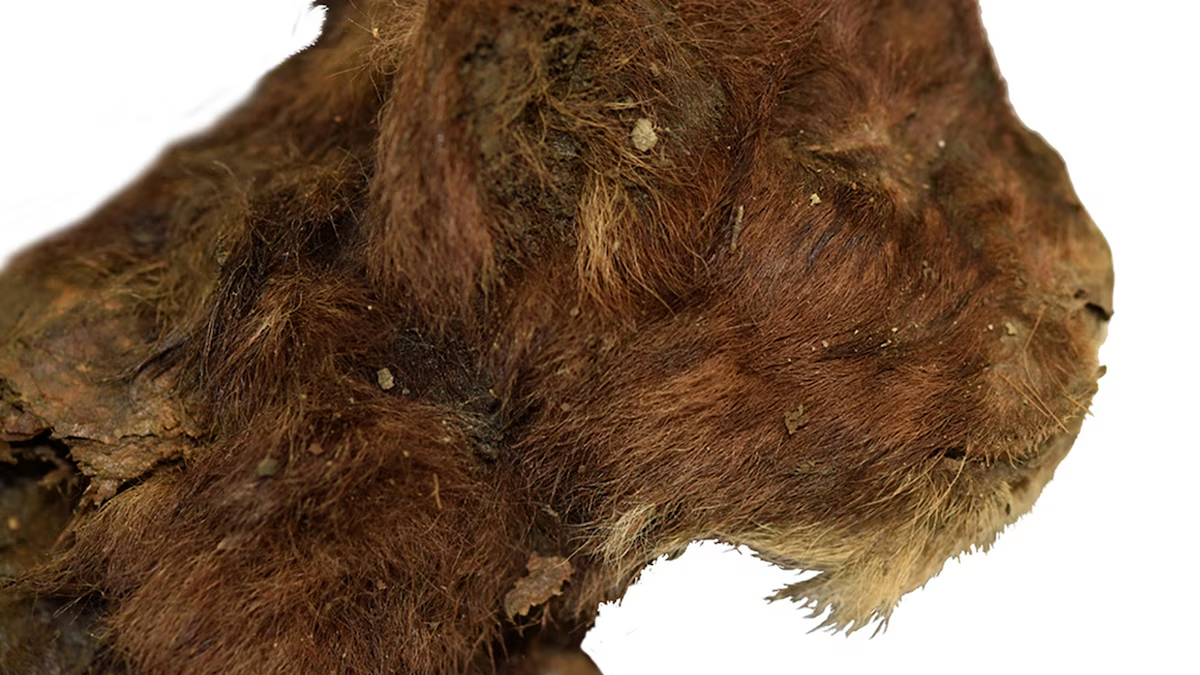
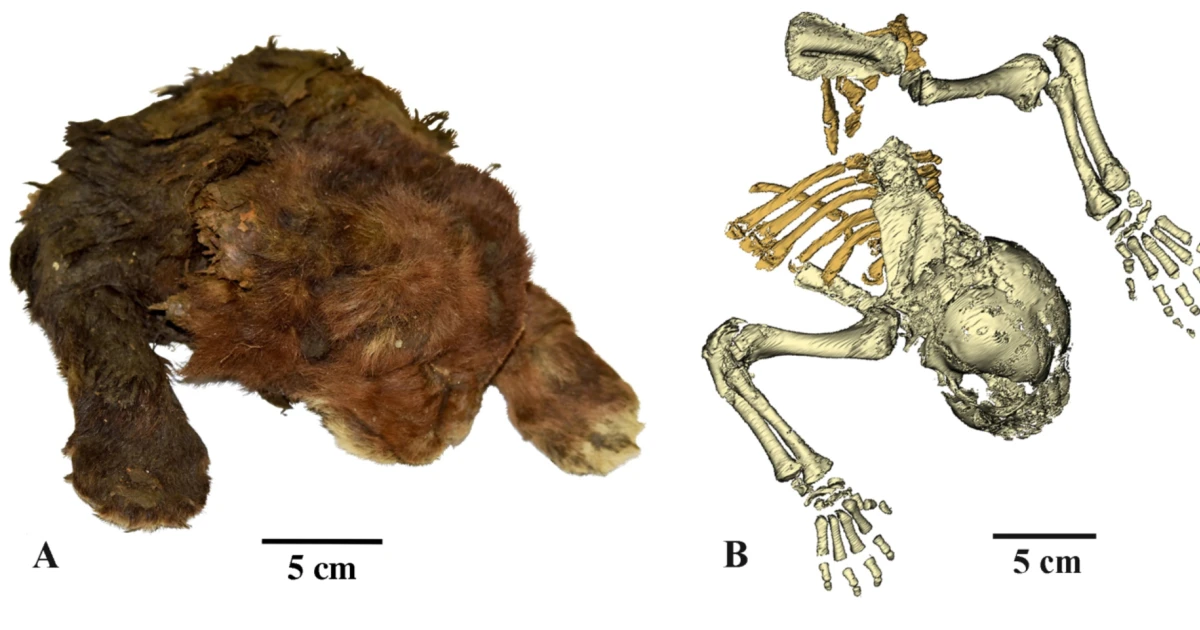
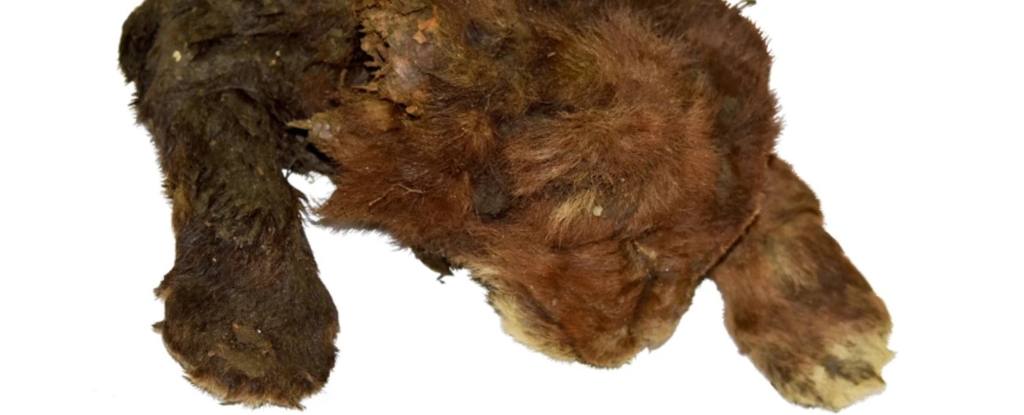
Paleontologists in Russia's Yakutia region have discovered the first known mummy of a saber-toothed cat, a 35,000-year-old cub preserved in Siberian permafrost. The nearly intact remains, including soft fur and footpads, provide the first evidence from Asia of the species Homotherium latidens. This discovery offers new insights into the anatomy and lifestyle of these prehistoric predators, revealing differences from modern lions, such as darker fur and adaptations for large incisors.
A mummified saber-toothed cat cub, identified as a Homotherium latidens, has been discovered in Siberia, providing new insights into the appearance and life of these ancient predators. This rare find offers a glimpse into the anatomy and possible coloration of the species, which roamed the Northern Hemisphere around 32,000 years ago. The cub's preserved soft tissues, including its fur and muscles, help paleontologists better understand the differences between saber-toothed cats and modern felines.
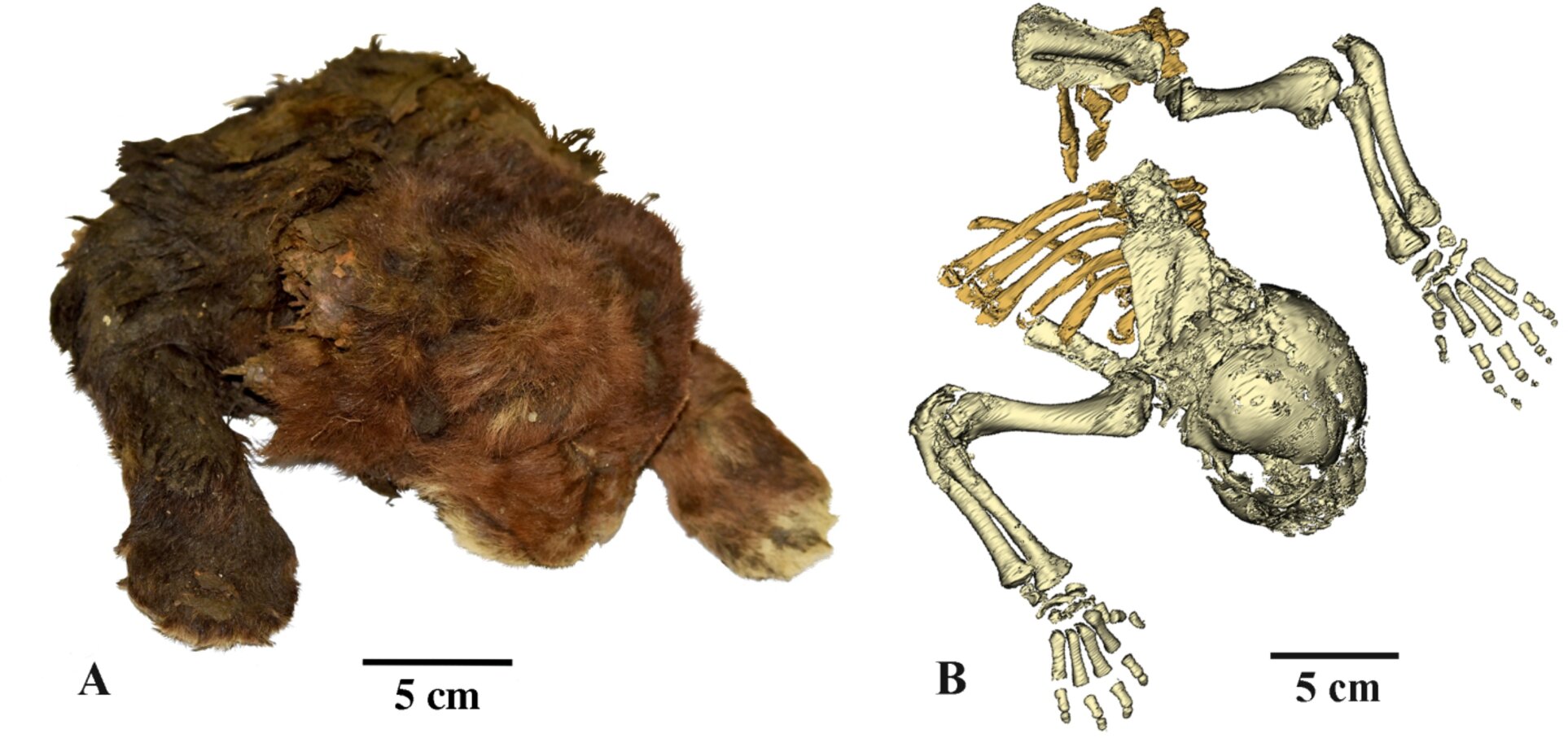
A mummified saber-toothed cat cub, preserved in Siberian permafrost for over 37,000 years, has been discovered, marking the first time such a specimen has been found. This cub, belonging to the extinct genus Homotherium, provides unprecedented insights into the anatomy and adaptations of this Ice Age predator, including its fur, paw structure, and jaw adaptations. The discovery offers significant implications for understanding extinct species and their evolutionary pathways, as researchers continue to explore Siberia's melting permafrost for more such finds.
A well-preserved saber-toothed cat cub, identified as Homotherium latidens, was found encased in ice in Russia's Republic of Sakha, dating back 35,000 years. This discovery, only the second of its kind in Eurasia, provides insights into the anatomy and adaptations of this extinct predator, which roamed during the Late Pleistocene. The cub's features, such as a massive neck and elongated forelimbs, suggest adaptations for cold climates, offering valuable data on the species' geographical range and physical characteristics.
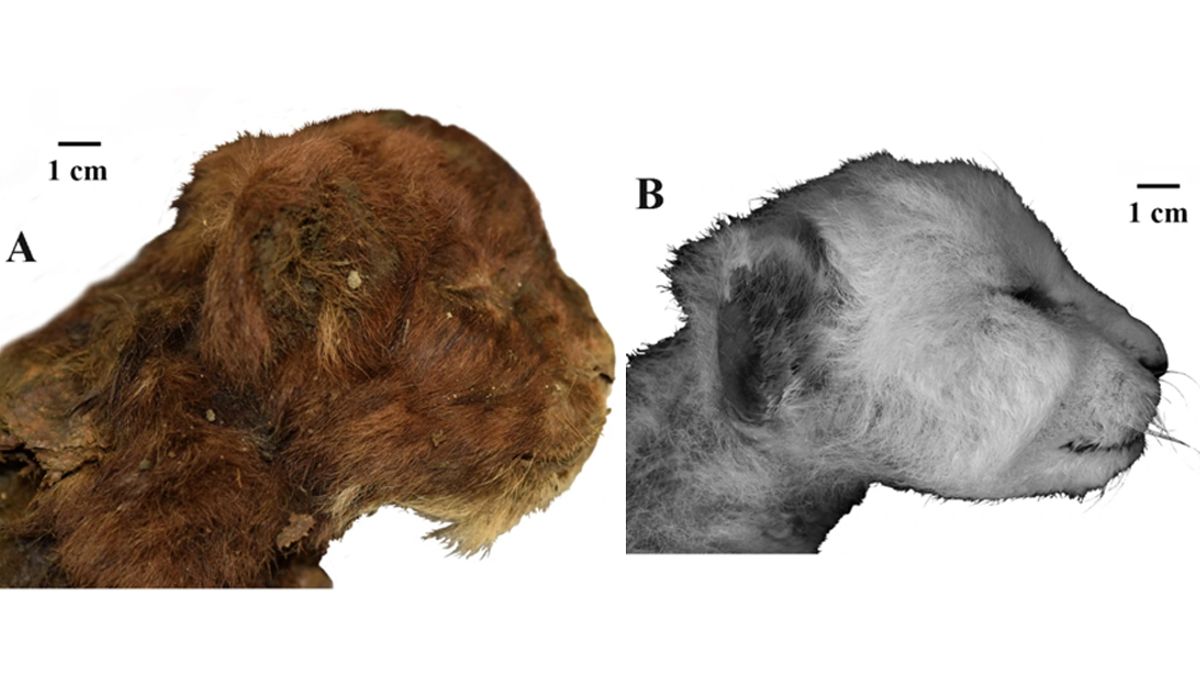
Scientists have discovered a remarkably well-preserved 35,000-year-old mummified saber-toothed kitten in Siberian permafrost, offering new insights into the extinct species Homotherium latidens. The juvenile cat, found near the Badyarikha River in Yakutia, Russia, provides valuable information about its physical characteristics and adaptations to cold climates, differing significantly from modern lion cubs. This discovery enhances understanding of the distribution and evolution of saber-toothed cats during the Ice Age.
Scientists have studied the 35,000-year-old mummified remains of a saber-toothed cat cub found in Yakutia, Russia, marking the first time such remains have been analyzed. The cub, identified as belonging to the Homotherium genus, shares characteristics with modern lion cubs but has distinct features like a larger mouth opening and longer neck. This discovery provides new insights into extinct species with no modern analogues.
A remarkably preserved three-week-old saber-toothed kitten, dating back 37,000 years, was discovered in the Arctic permafrost of Yakutia, Russia. This rare find offers unprecedented insights into the physical features and adaptations of the extinct Homotherium latidens, a species that lived during the Late Pleistocene. The study reveals key differences between this prehistoric feline and modern lion cubs, expanding our understanding of the species' range and adaptations to cold climates.
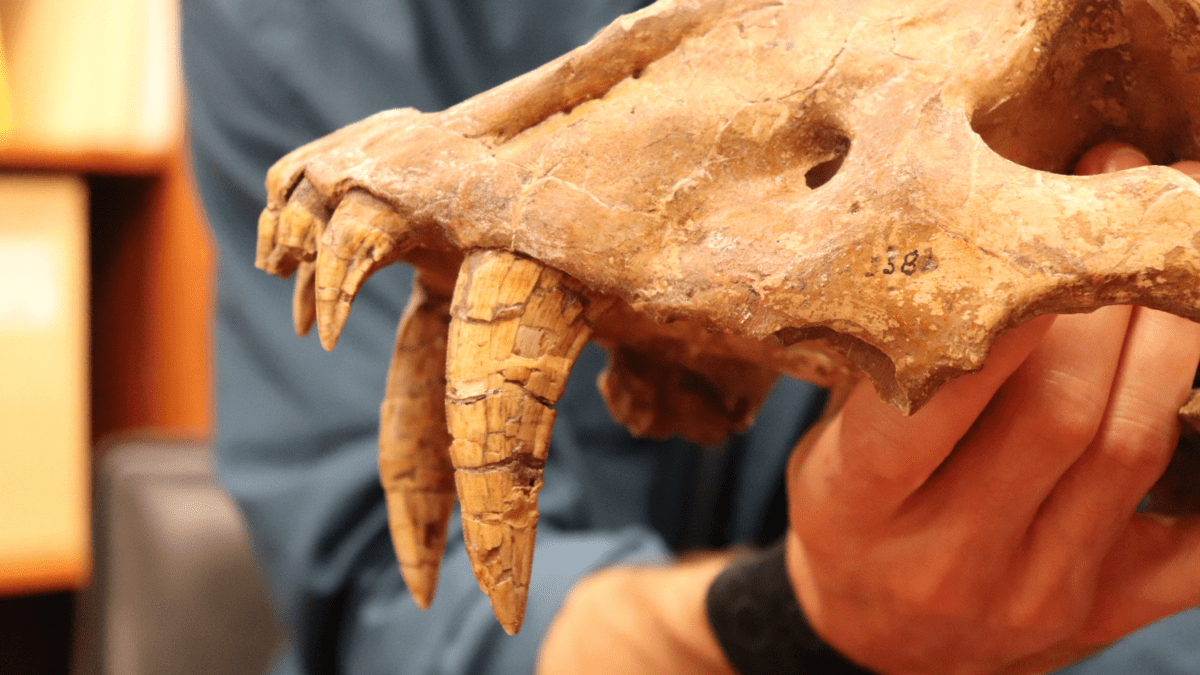
Scientists at The University of Texas at Austin identified a fossil found on the Texas coast as belonging to a Homotherium, an extinct saber-toothed cat, revealing new insights into the geographic range and ecology of these large cats during the Late Pleistocene. The fossil, discovered over 60 years ago, was part of a larger research initiative and highlights the now-submerged Neotropical corridor that connected Texas and Florida.
Researchers at the University of Texas Austin have discovered a fossilized saber-toothed cat skull on the Texas coast, revealing that the species once roamed the now-submerged land connecting Texas to Florida. The fossil, which was submerged in the Gulf of Mexico for thousands of years, was identified through X-ray analysis, showing a hidden canine tooth and indicating the animal was young when it died. This finding provides new insights into the ancient landscape and its wildlife.
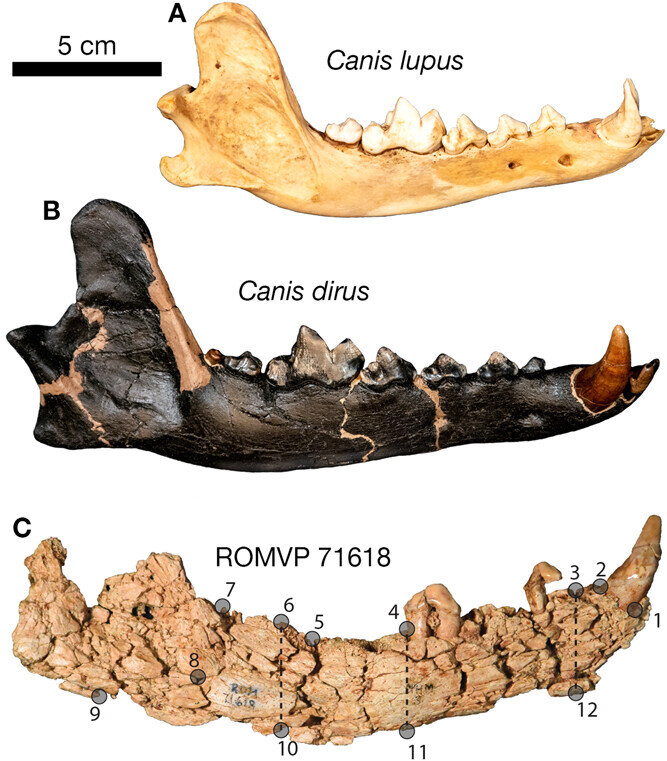
A fossilized jaw bone found in a Canadian museum collection has been formally identified as belonging to a dire wolf, a larger, extinct cousin of the gray wolf with more powerful jaws. The fossil, found in 1969, is the first and only dire wolf found in Canada and the northernmost known occurrence of the species by 500 km. The identification was made difficult due to the poor preservation of the fossil, but multiple measurements and comparisons with known dire wolf fossils confirmed the initial identification. The study adds to the known range of territories the dire wolf inhabited and suggests faunal migrations around the timeframe of the Canadian dire wolf.