Tag

Late Pleistocene

All articles tagged with #late pleistocene

science1 year ago

35,000-Year-Old Saber-Toothed Kitten Mummy Unearthed in Siberia

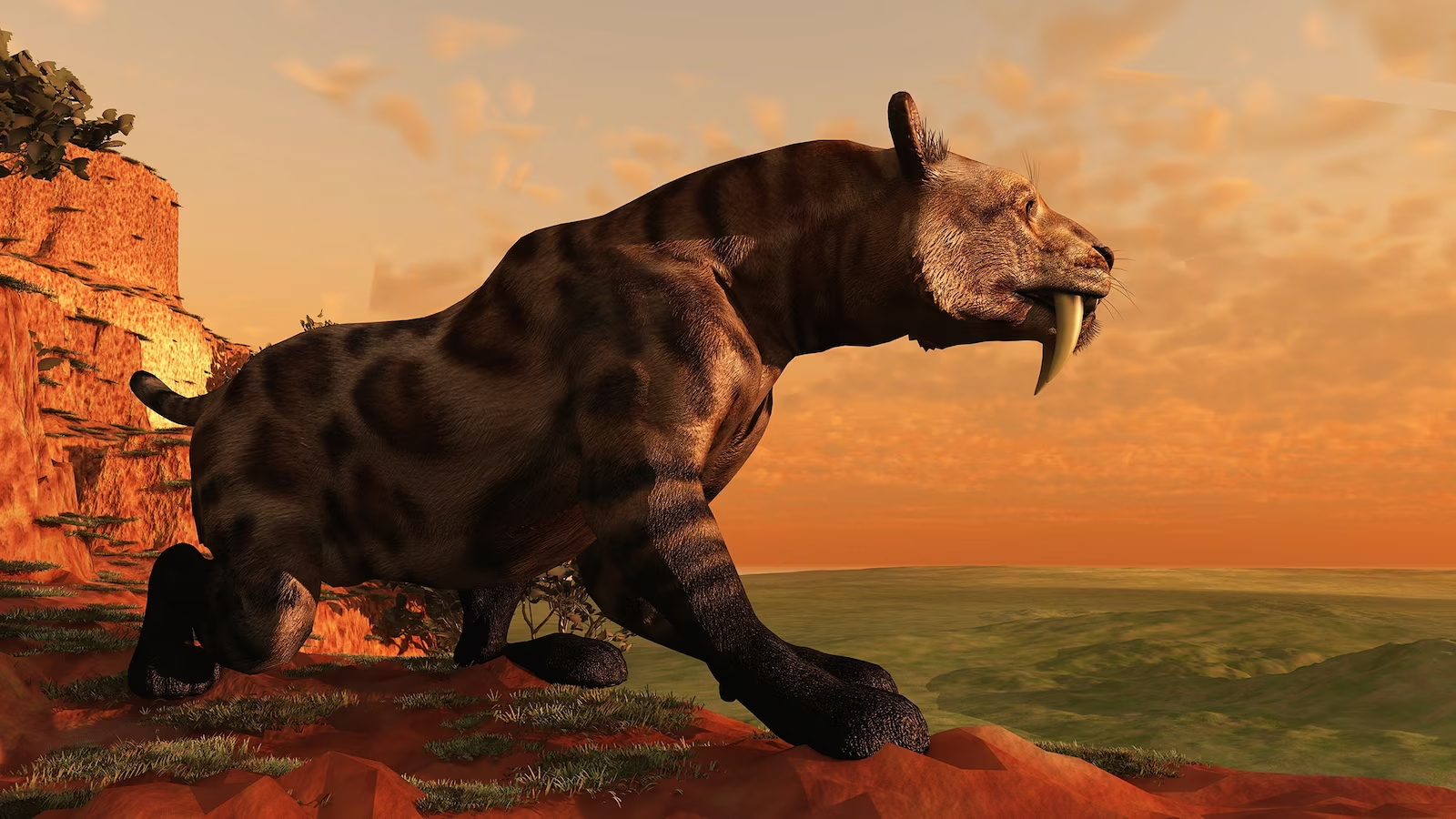
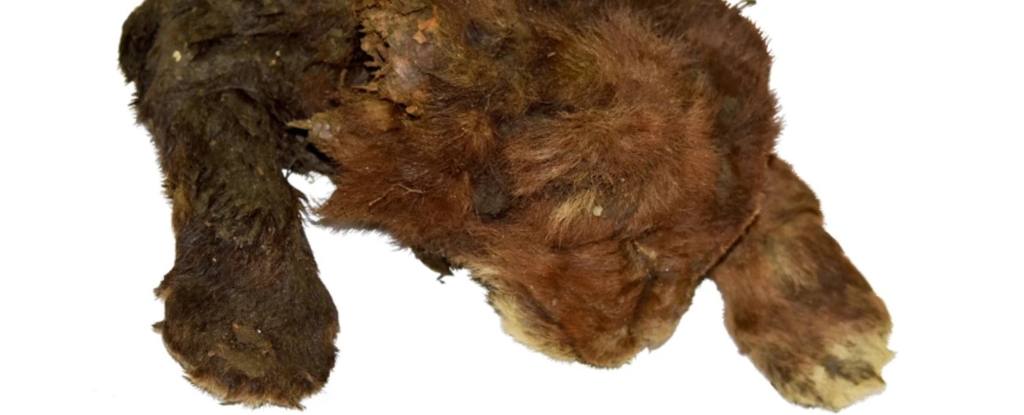
Researchers have discovered a well-preserved mummified saber-toothed kitten, estimated to be 37,000 years old, in the Russian tundra. Found in the Republic of Sakha, the fossil belongs to the Homotherium latidens species from the Late Pleistocene period. The kitten's remains, including its head, forelimbs, and claws, are remarkably intact, providing new insights into the species' adaptation to cold climates. This rare find expands the understanding of the distribution of saber-toothed cats in Asia during that era.

science1 year ago

World's First Study of Preserved Saber-Toothed Kitten

A remarkably preserved three-week-old saber-toothed kitten, dating back 37,000 years, was discovered in the Arctic permafrost of Yakutia, Russia. This rare find offers unprecedented insights into the physical features and adaptations of the extinct Homotherium latidens, a species that lived during the Late Pleistocene. The study reveals key differences between this prehistoric feline and modern lion cubs, expanding our understanding of the species' range and adaptations to cold climates.

science1 year ago

Extinct Saber-Toothed Cat Fossil Discovered on Texas Coast

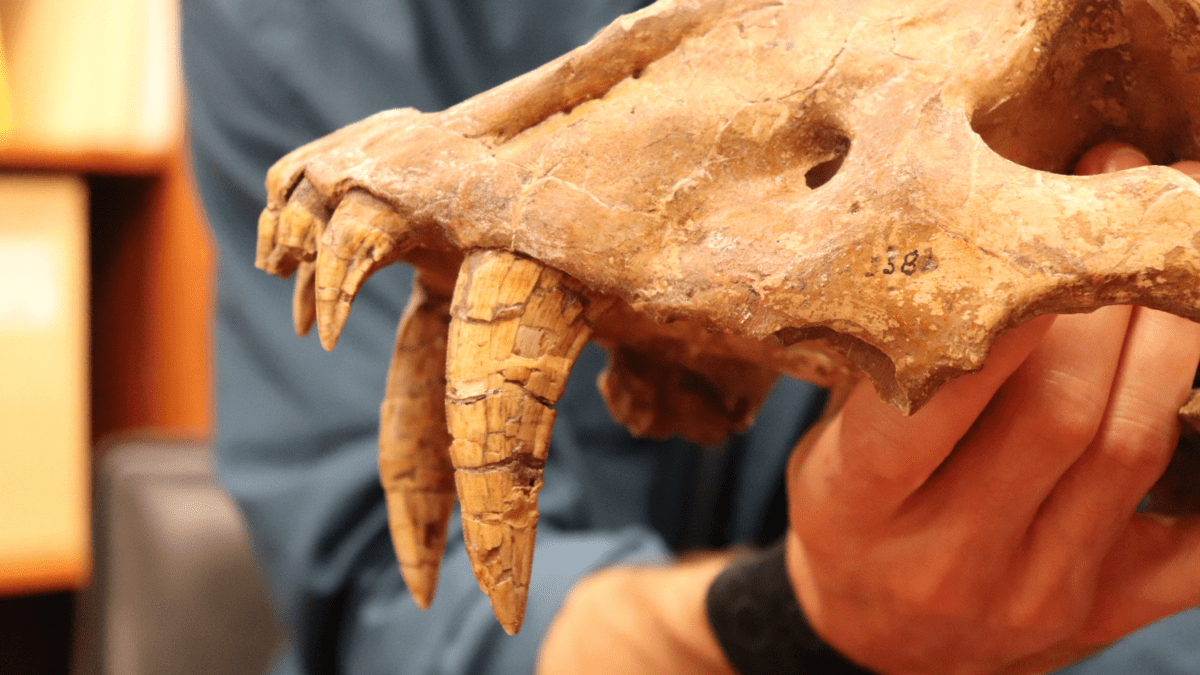
Scientists at The University of Texas at Austin identified a fossil found on the Texas coast as belonging to a Homotherium, an extinct saber-toothed cat, revealing new insights into the geographic range and ecology of these large cats during the Late Pleistocene. The fossil, discovered over 60 years ago, was part of a larger research initiative and highlights the now-submerged Neotropical corridor that connected Texas and Florida.

archaeology1 year ago

"Discovery of 90,000-Year-Old Human Footprints on Moroccan Beach"

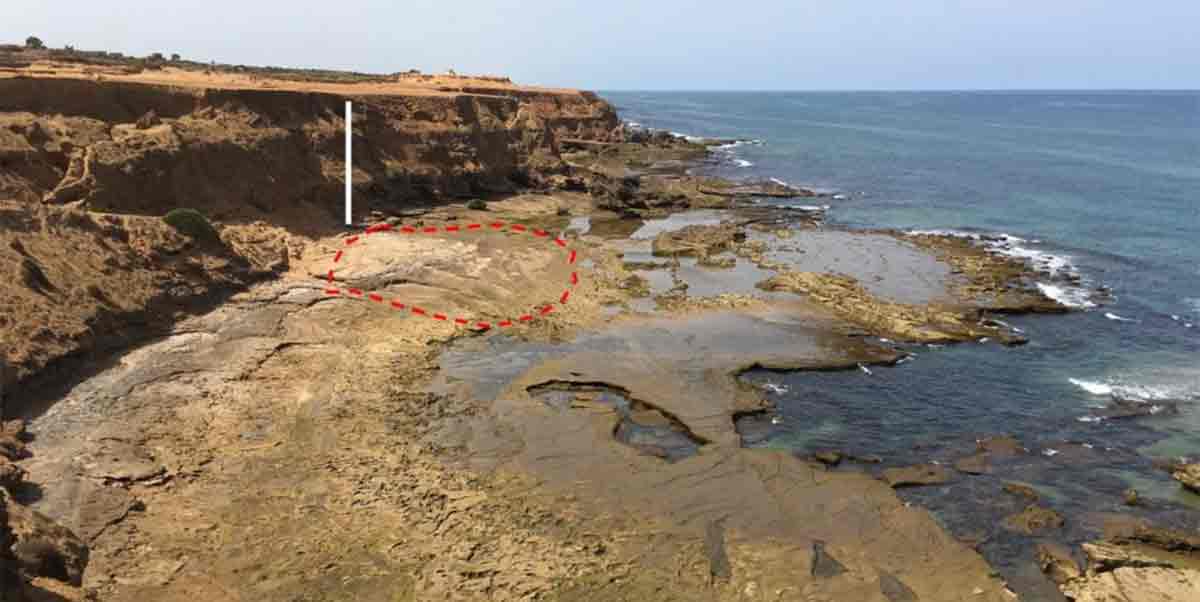
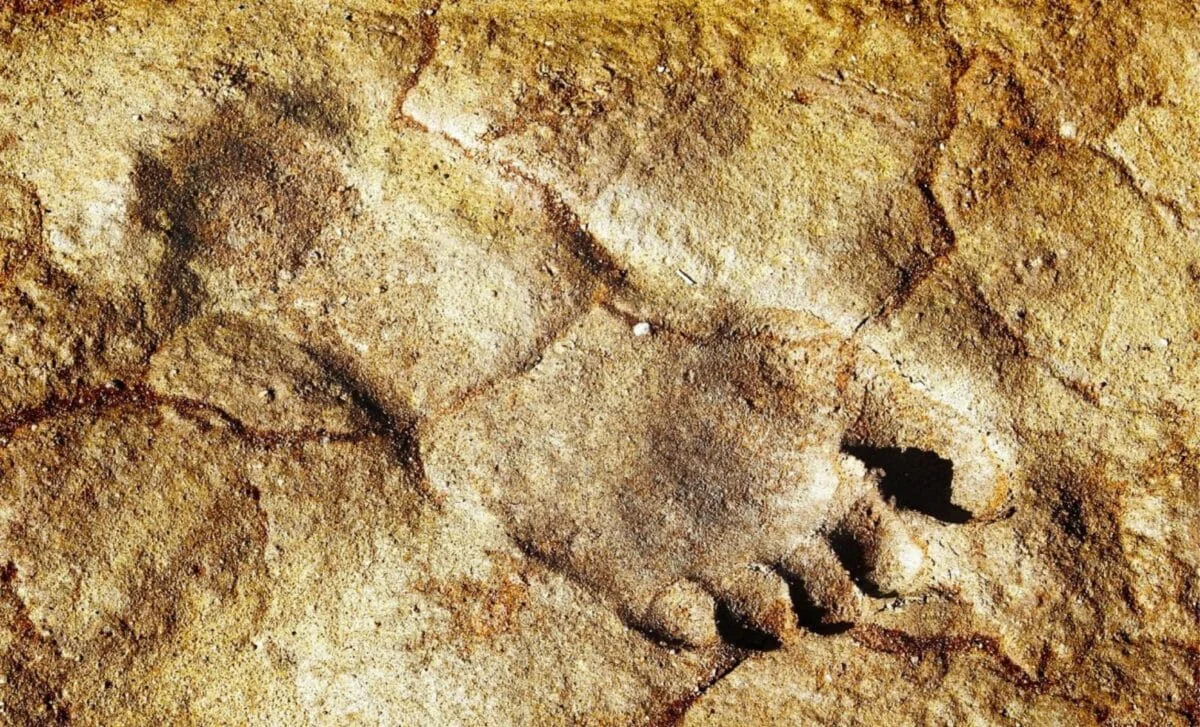
85 human footprints dating back 90,000 years were discovered on a Moroccan beach, representing one of the largest and best-preserved trackways ever found. The footprints, belonging to a multigenerational group of children, adolescents, and adults, were preserved on a rocky platform covered in clay sediments. Analysis suggests the group likely traveled through the Sinai peninsula before reaching the beach, shedding light on the migration patterns of Homo sapiens during the Late Pleistocene.

archaeology1 year ago

"Discovery of 90,000-Year-Old Human Footprints on Moroccan Beach"

An international team of archaeologists has discovered a trackway made by multiple humans approximately 90,000 years ago on a Moroccan beach, representing the only known human trackway from that time in history in that part of the world. The footprints, found by accident, were made by at least five people of different ages, and the researchers suggest that the preservation of the trackway occurred due to a combination of factors including the location, sediment composition, and tidal activity.