A study of ancient waste from Vindolanda near Hadrian's Wall reveals Roman soldiers suffered from chronic gut infections and parasites like worms and Giardia, highlighting the harsh sanitary conditions and health challenges faced on the Roman frontier.
A study of ancient waste from Vindolanda reveals Roman soldiers suffered from chronic gut infections caused by parasites like worms and Giardia, highlighting poor sanitation and health issues on the Roman frontier, which likely weakened their military effectiveness.
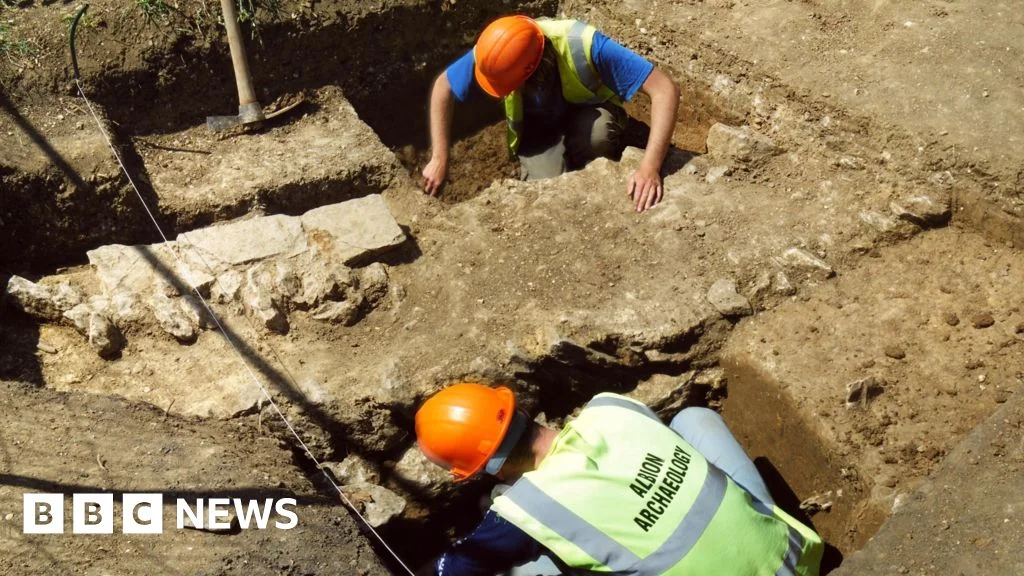
Volunteers at the Bedford Roman Villa Project have made a significant discovery of a large Roman building, including rare stucco work, which is expected to enhance understanding of Roman Britain and put Bedford on the archaeological map. The site has yielded numerous artifacts since 2011, and community efforts aim to continue excavations and share findings publicly.
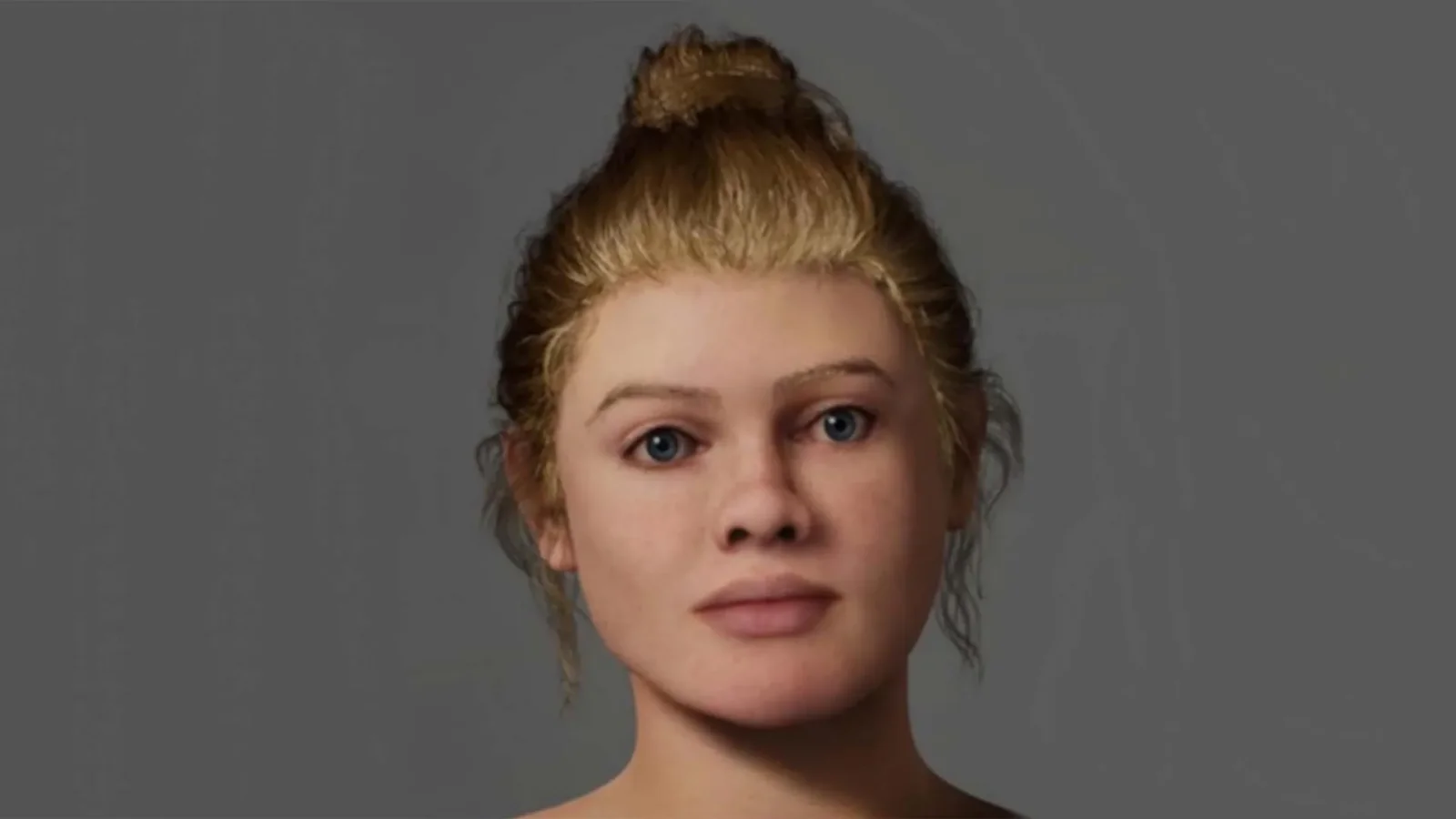
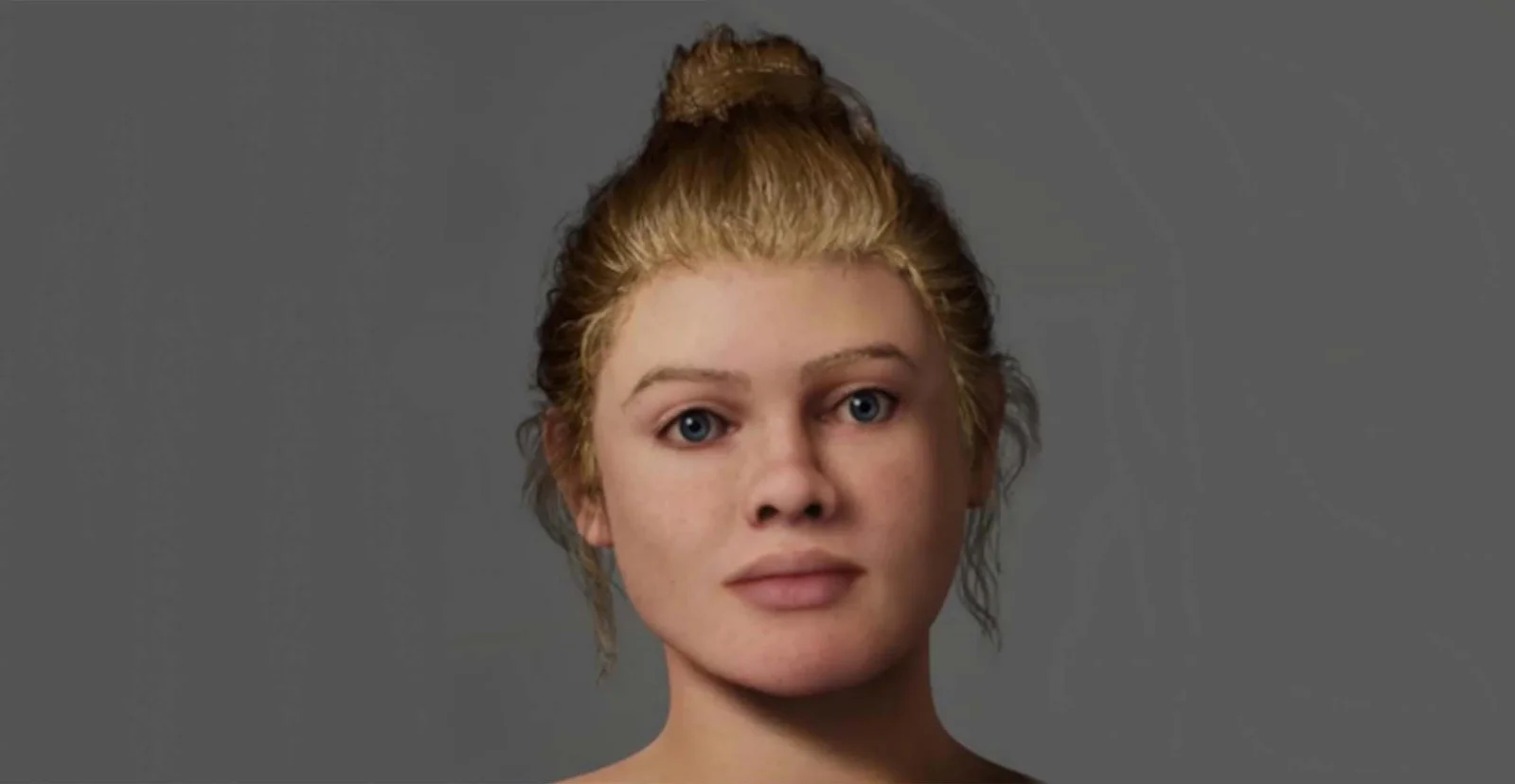
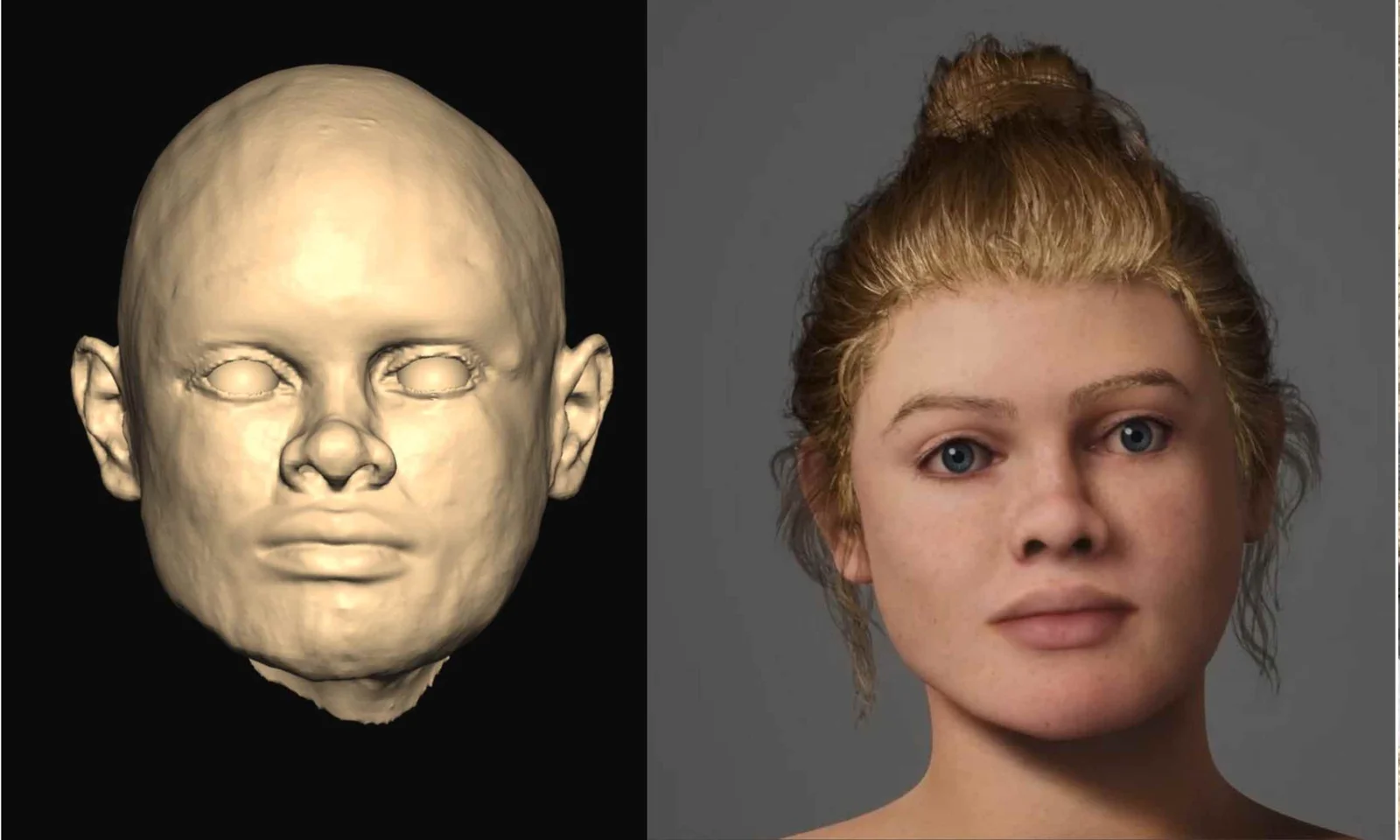
New DNA analysis of the Roman-era Beachy Head Woman confirms she was from southeastern England, lived between A.D. 129 and 311, and had a seafood-rich diet, refining previous theories about her origins.
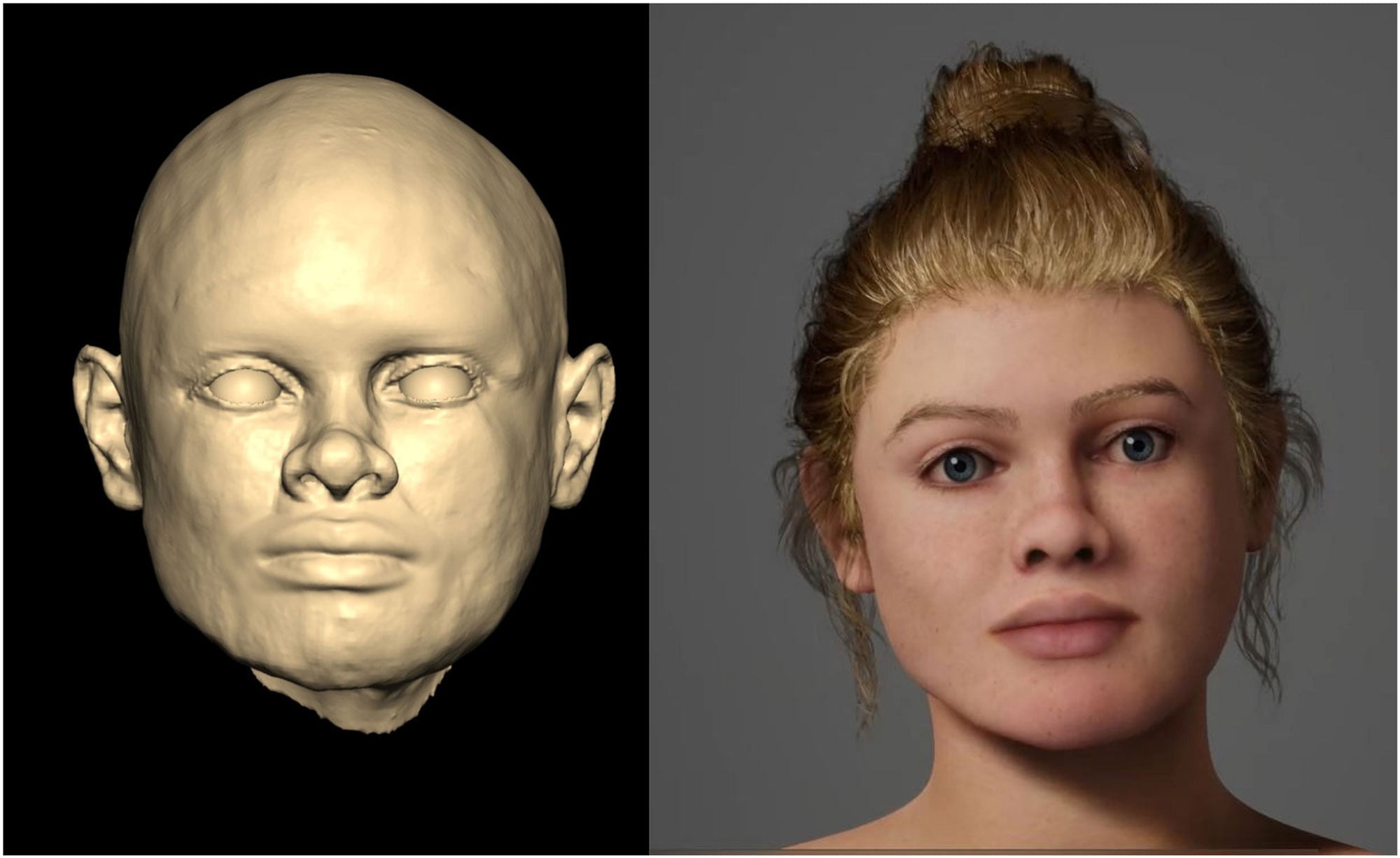
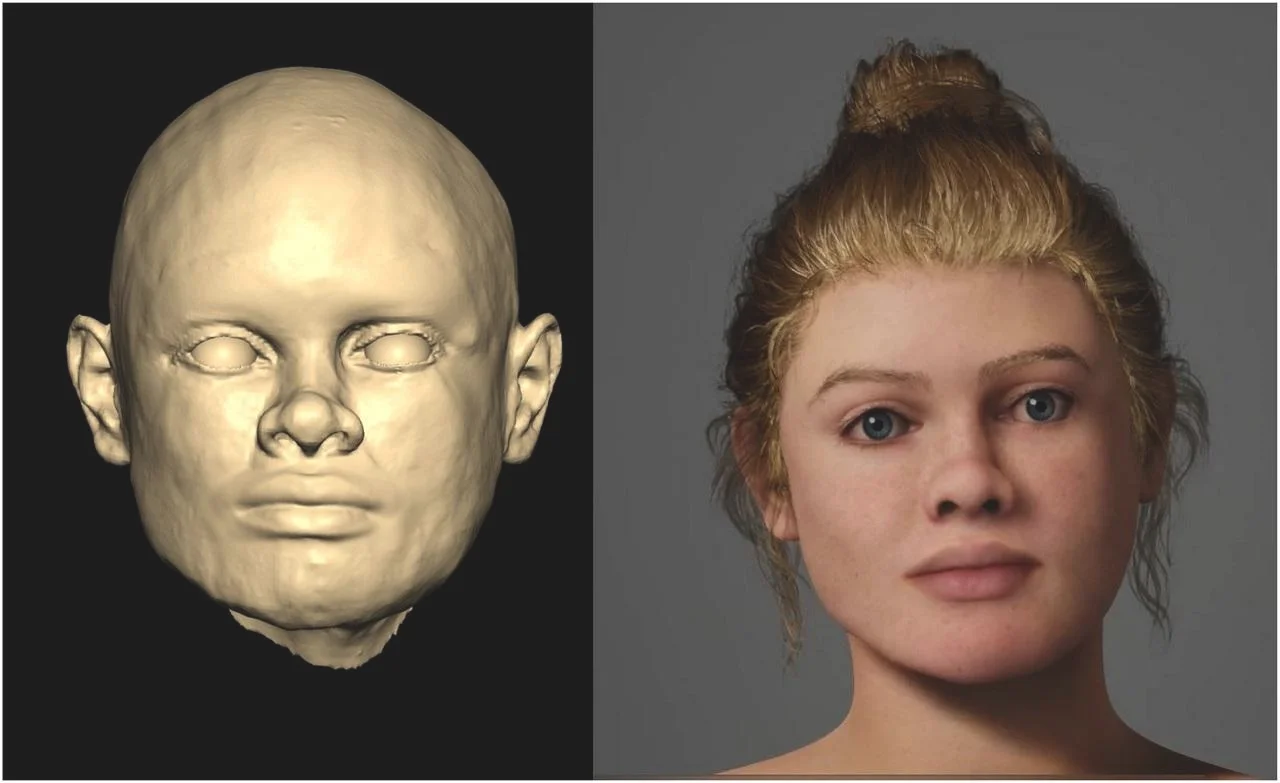
A decade-long mystery surrounding the Beachy Head Woman, a Roman-era skeleton found in southern England, has been resolved through advanced DNA analysis, revealing she was a local woman from Roman Britain with no evidence of distant migration, and providing new insights into her life and appearance.
Recent DNA analysis shows that the Beachy Head Woman, once thought to be of sub-Saharan or Cypriot origin, was actually a local from Roman-era southern England, correcting previous misconceptions about her ancestry.
New DNA analysis reveals that the Beachy Head Woman, a Roman-era skeleton found in southern England, was likely a local Briton rather than of Mediterranean or sub-Saharan African origin, resolving a decade-long mystery about her ancestry.
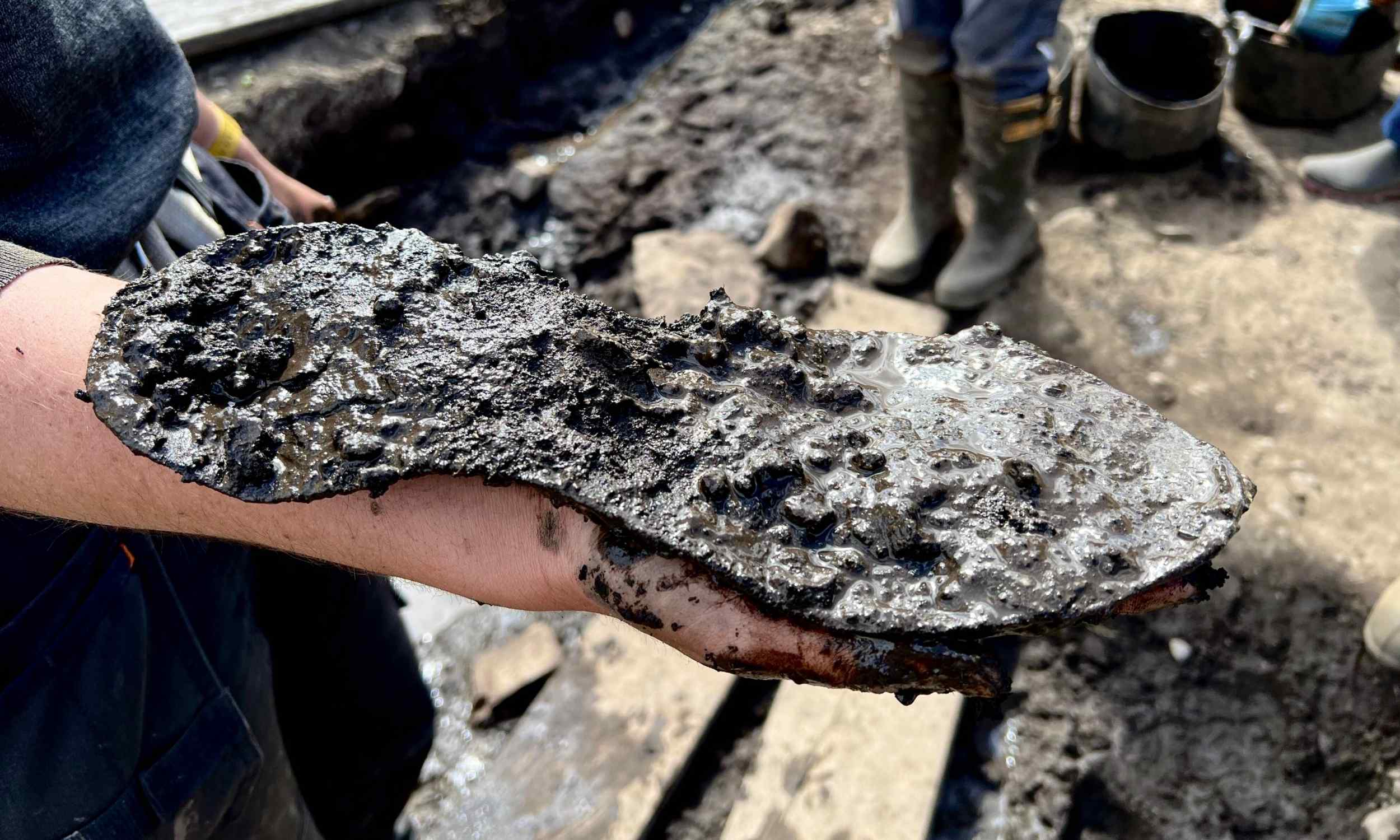
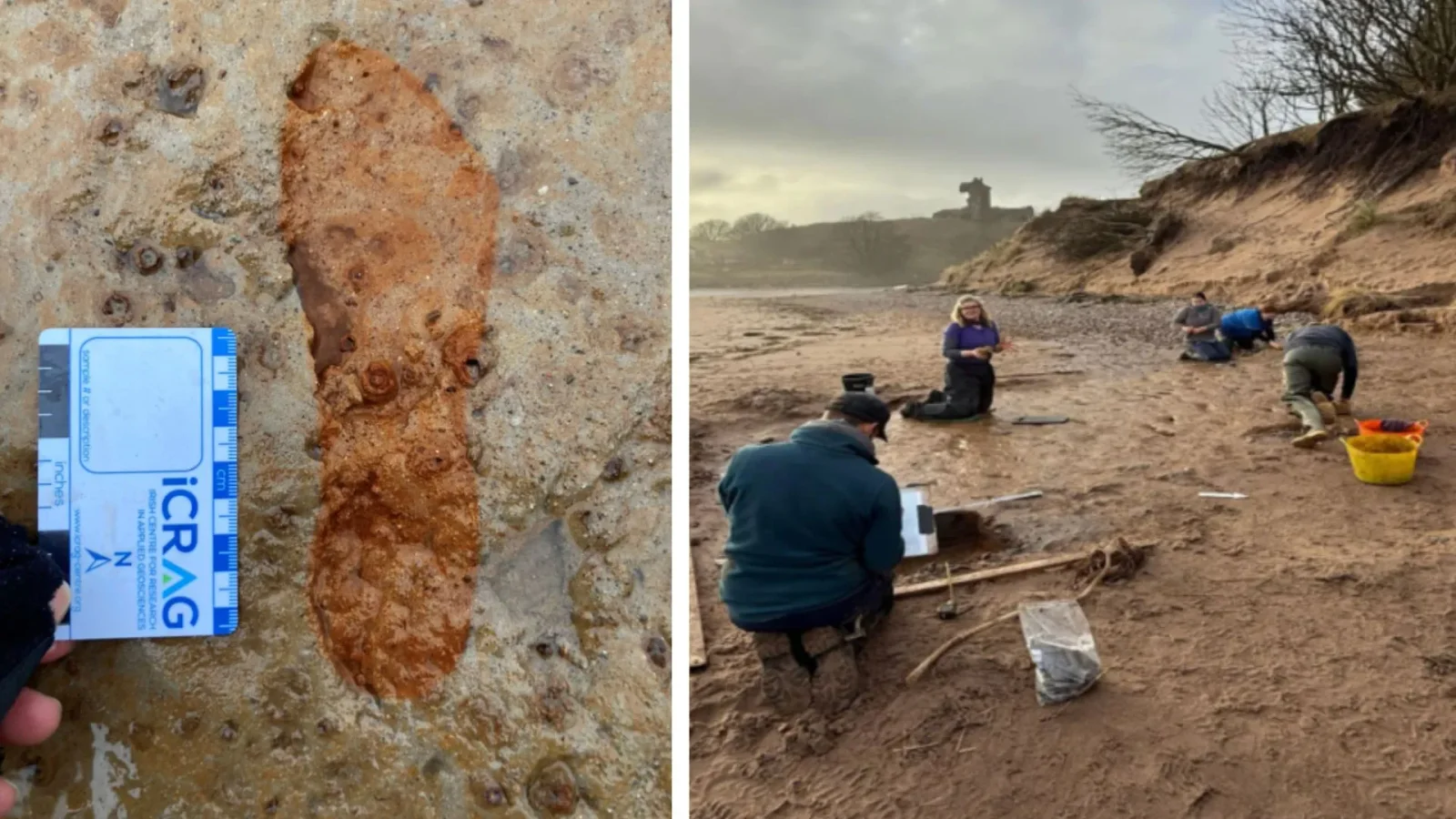
Archaeologists have discovered the largest Roman shoes ever found at Magna Roman Fort in Britain, with some measuring over 12 inches, raising questions about the people who wore them and their possible differences in body size or supply habits. The preservation of these organic artifacts is thanks to anaerobic soil conditions, and further analysis may reveal insights into Roman life, health, and social structure on Hadrian’s Wall.
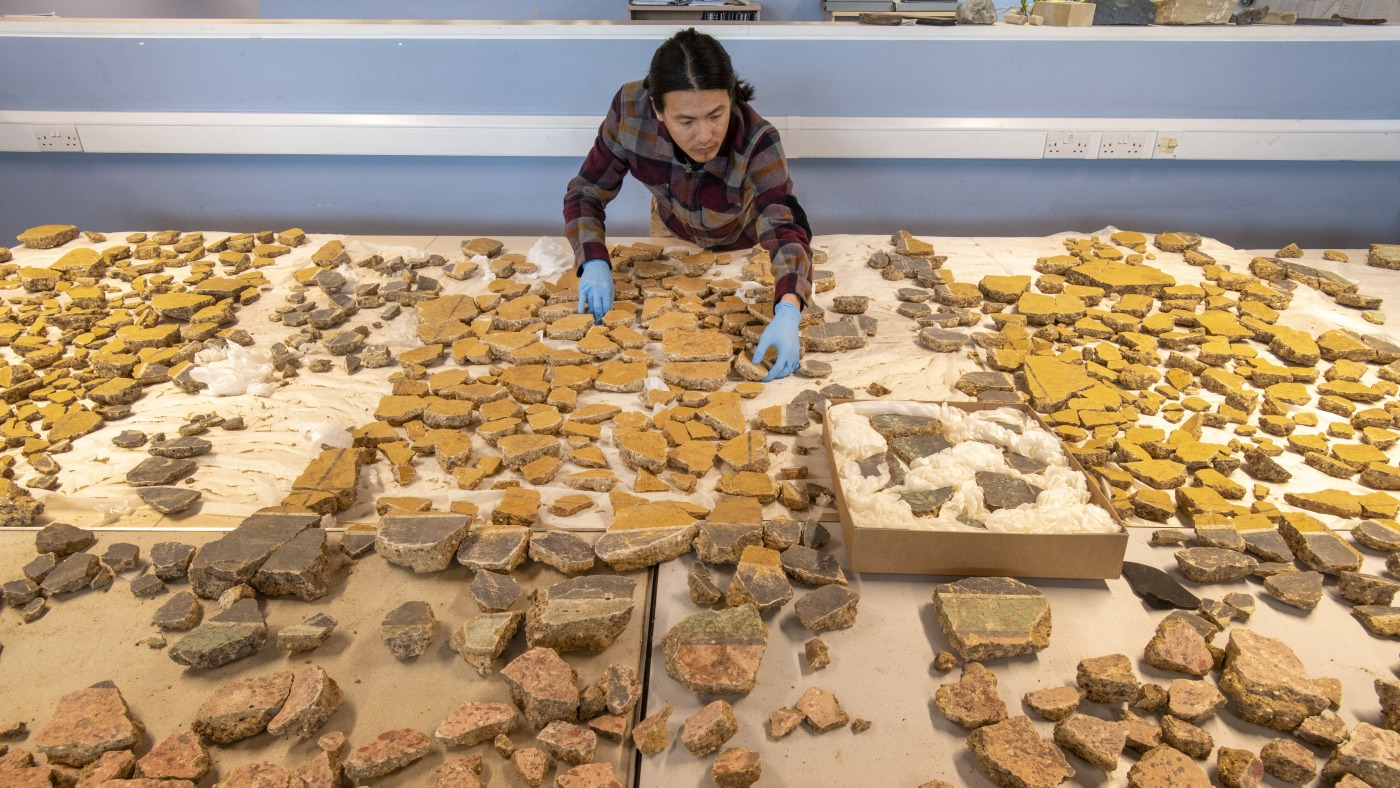
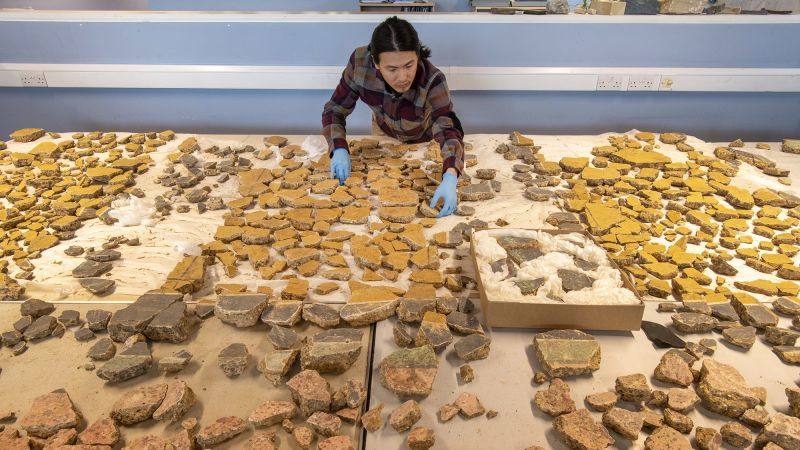
Ancient Roman wall plaster fragments have been uncovered in London, revealing vibrant frescoes and the first known Roman Britain painter's signature, offering new insights into Roman art and daily life in Londinium. The discovery at Southwark includes intricate designs, graffiti, and influences from across the Roman Empire, with ongoing research and plans for public display.
Archaeologists in London have painstakingly reconstructed fragments of Roman frescoes from a luxury villa in Southwark, revealing vibrant images of fruit, flowers, and musical instruments, dating back over 1,800 years, and shedding light on the affluent Roman community that once inhabited the area.
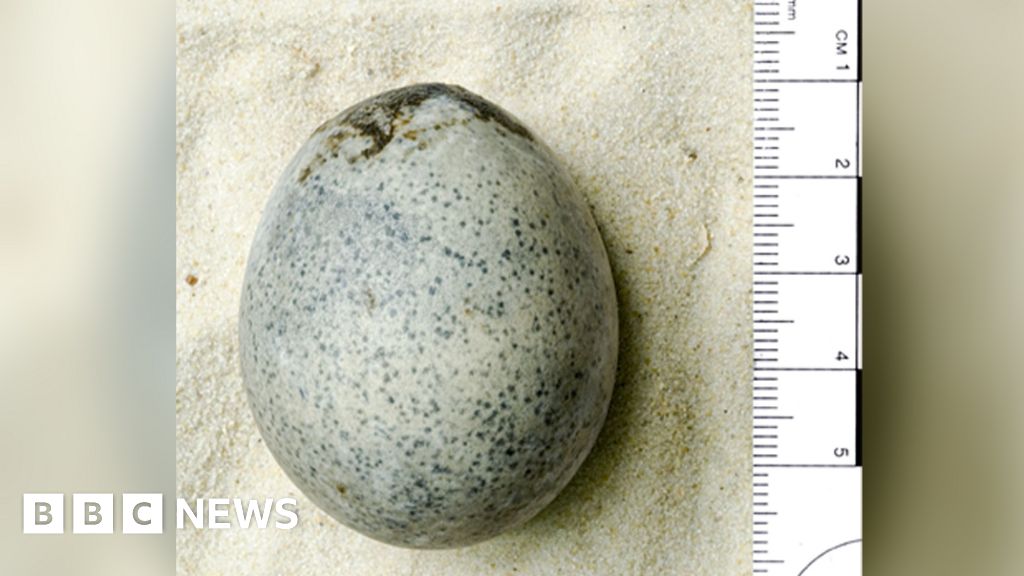
Scientists have discovered a 1,700-year-old intact Roman egg in Aylesbury, Buckinghamshire, which is believed to be the only one of its kind in the world. The egg, found during a dig, still contains its original yolk and egg white, a "world first" according to researchers. The egg has been scanned and consulted on by experts at the University of Kent and London's Natural History Museum, and is now housed at Discover Bucks Museum in Aylesbury for further research on how to extract its contents without breaking the shell.
Archaeologists have discovered 36 semiprecious stones, likely from signet rings worn by wealthy third-century bathers, in an ancient Roman bathhouse near Hadrian's Wall in Carlisle, England. The intaglios, fashioned from amethyst, jasper, and carnelian, bear images of Roman deities symbolizing war or good fortune. The stones were likely flushed into the drains when the pools and saunas were cleaned. The bathhouse was built around 210 A.D. and was still in use in the fifth century.