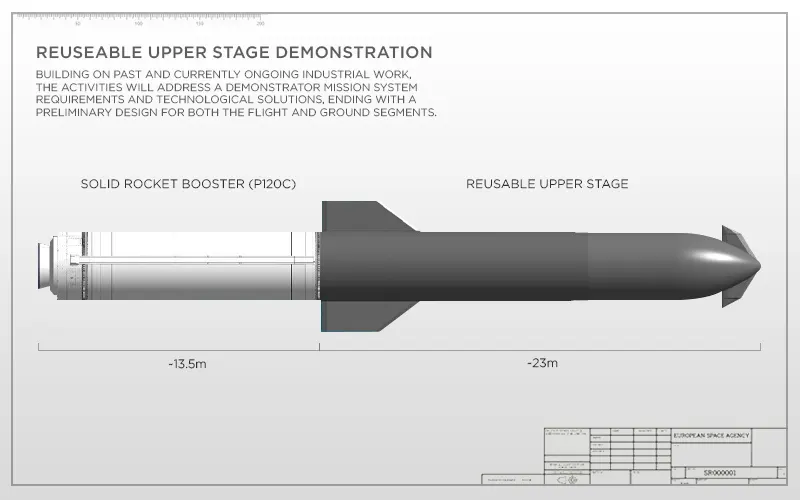
The European Space Agency awarded Italian company Avio a €40 million contract to develop a reusable rocket upper stage demonstrator over the next 24 months, focusing on system requirements and preliminary design, leveraging advancements in liquid propulsion and reentry technologies.
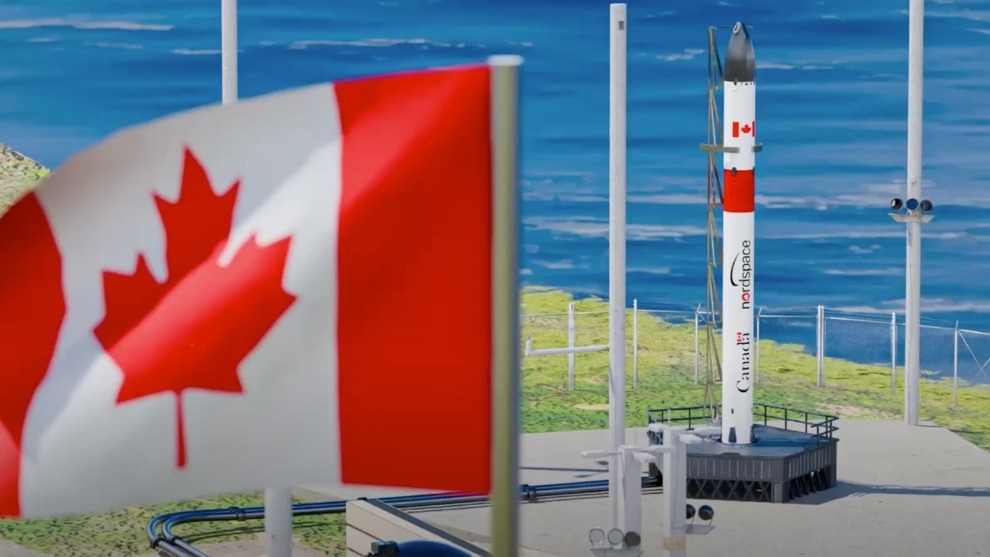
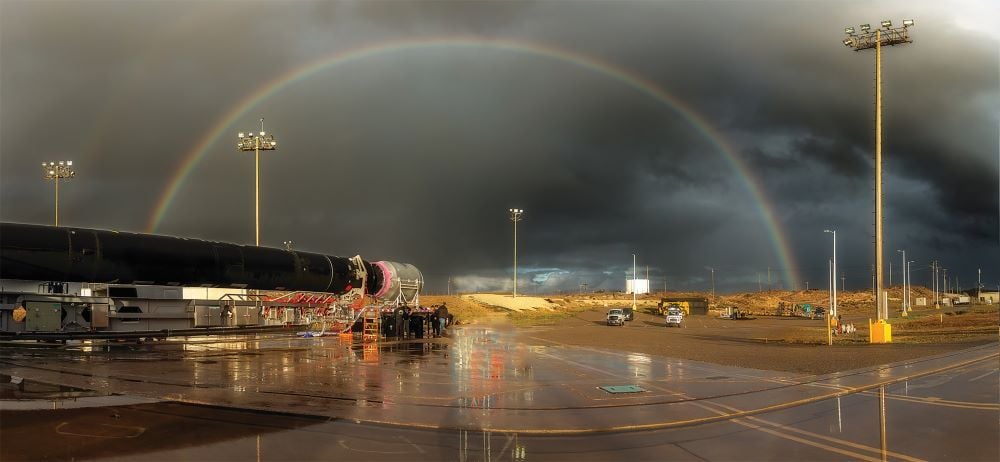
Canadian startup NordSpace, supported by ProtoSpace, is preparing for Canada's first-ever domestic space launch with its Taiga rocket, aiming to demonstrate the country's capability to launch payloads from its own soil and eventually develop an independent space industry, despite regulatory and infrastructural challenges.
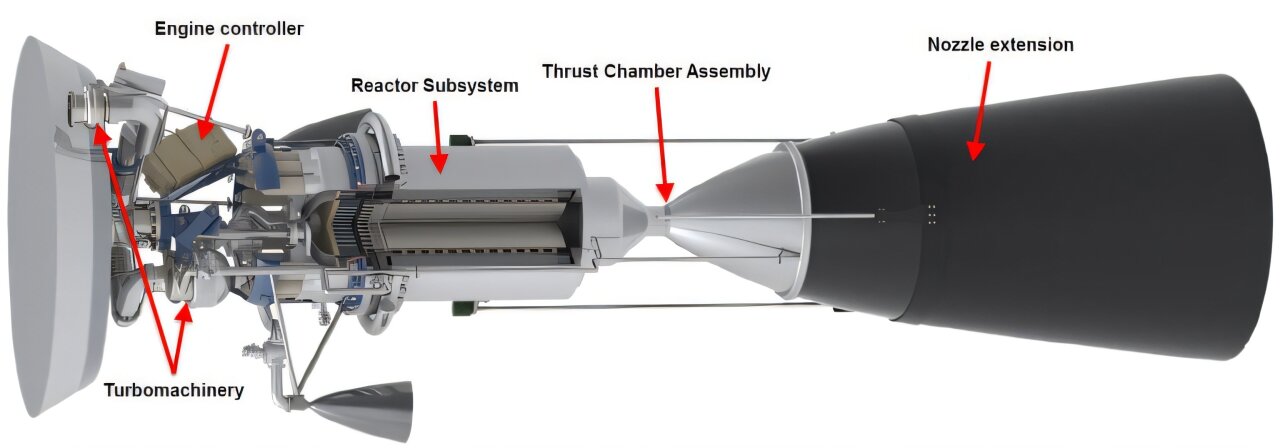
Researchers are making progress on the centrifugal nuclear thermal rocket (CNTR), a new type of nuclear propulsion that could nearly double the specific impulse of traditional systems by using liquid uranium fuel in a centrifuge, though significant engineering challenges remain, particularly in uranium containment and vaporization management.
Researchers are advancing a new nuclear rocket technology called the Centrifugal Nuclear Thermal Rocket (CNTR), which uses liquid uranium and rotational mechanics to potentially double the specific impulse of traditional nuclear thermal propulsion systems, though significant engineering challenges remain, particularly in uranium containment and vaporization management.
China is developing its own version of SpaceX's Starship, the Long March 9, which was unveiled at the China Air Show. The Long March 9 will feature a fully reusable design similar to Starship, with maneuver-enhancing flaps and powered by 30 YF-215 engines using liquid oxygen and methane. It is expected to launch in 2033, while Starship has already conducted multiple test flights and is set to support NASA's Artemis 3 mission in 2025. The Long March 9's design may still change, as China has previously altered its rocket plans.
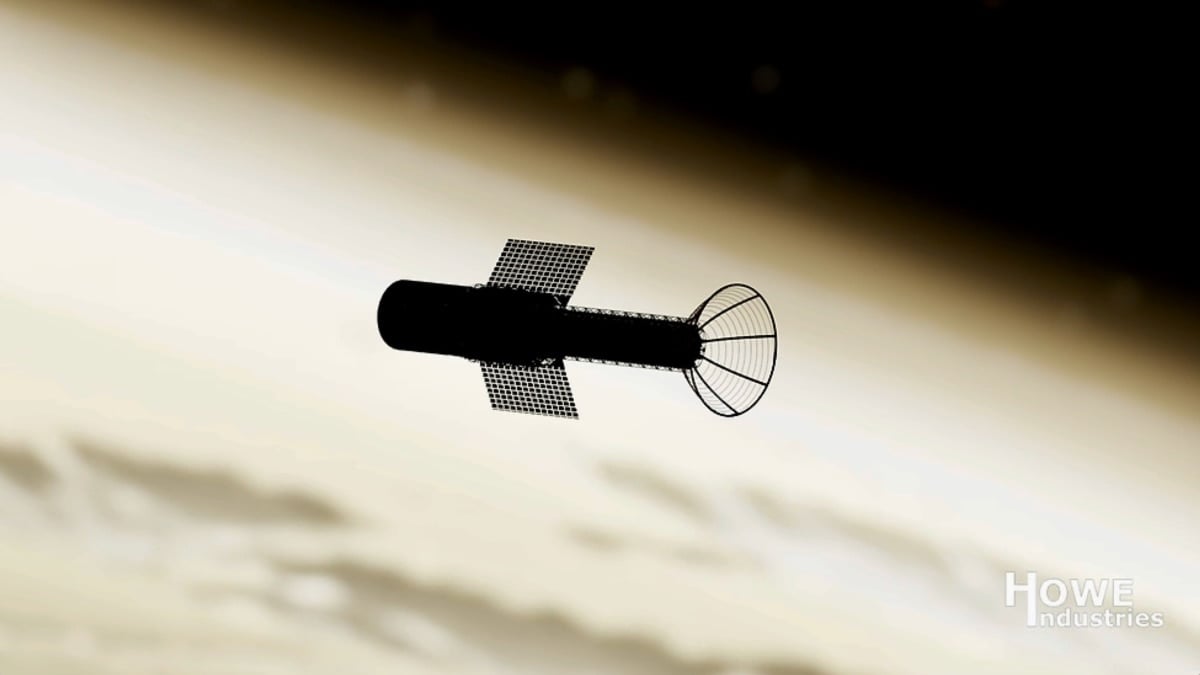
A private space company, in collaboration with NASA, is developing a Pulsed Plasma Rocket that could reduce travel time to Mars from 200 days to about two months by significantly increasing thrust and efficiency.
Howe Industries, in collaboration with NASA, is developing a Pulsed Plasma Rocket (PPR) that could significantly reduce travel time to Mars from 200 days to about two months. The new rocket engine aims to provide high thrust and efficiency, potentially revolutionizing space exploration by enabling faster and longer missions. The project is currently in Phase I of development under NASA's Innovative Advanced Concepts (NIAC) program.
The European Space Agency is aiming to develop its own version of SpaceX by focusing on reusable rocket technology and reducing the cost of space exploration. This move is seen as a response to the success of SpaceX in the commercial space industry and a bid to compete in the growing market for satellite launches and space missions.
Upper stages of rockets have faced a series of failures in 2023, highlighting the complexity and challenges they pose. Failures from companies like Firefly Aerospace, Virgin Orbit, Rocket Lab, Relativity Space, and Japan's H3 rocket have demonstrated the unforgiving nature of upper stage malfunctions, which can be more complex and less forgiving than those of lower stages. These failures have been attributed to a range of issues, from manufacturing defects to electrical system failures, and have prompted companies to focus on inspections, testing, and quality control to address these challenges.
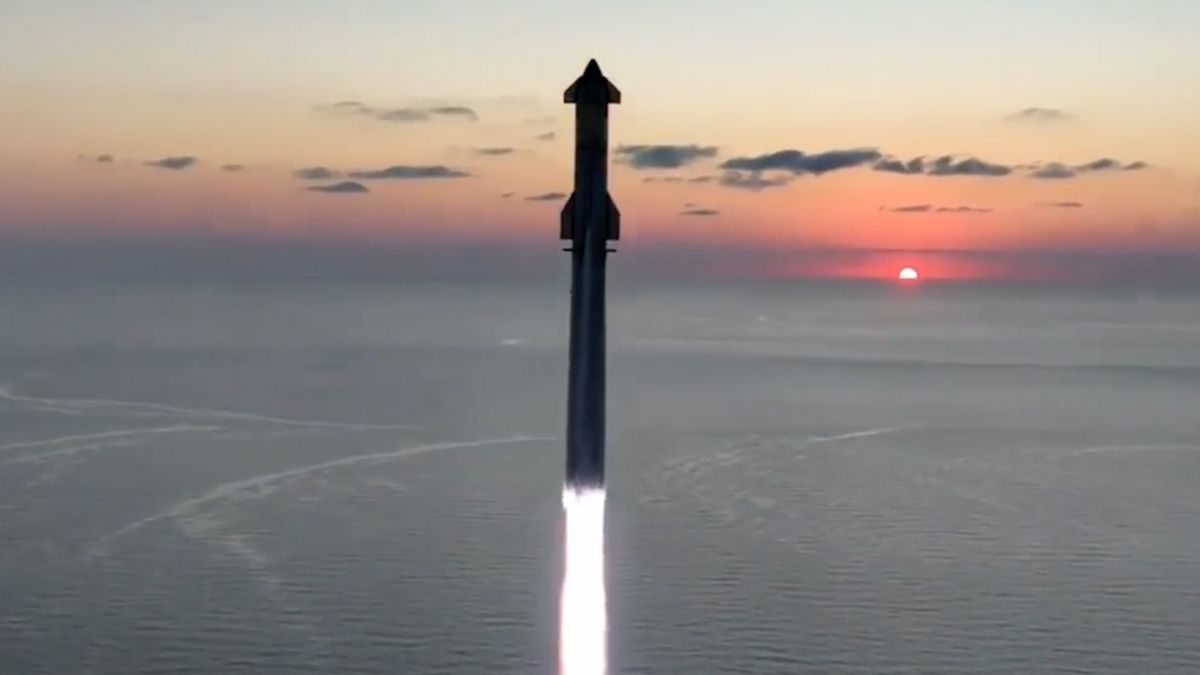
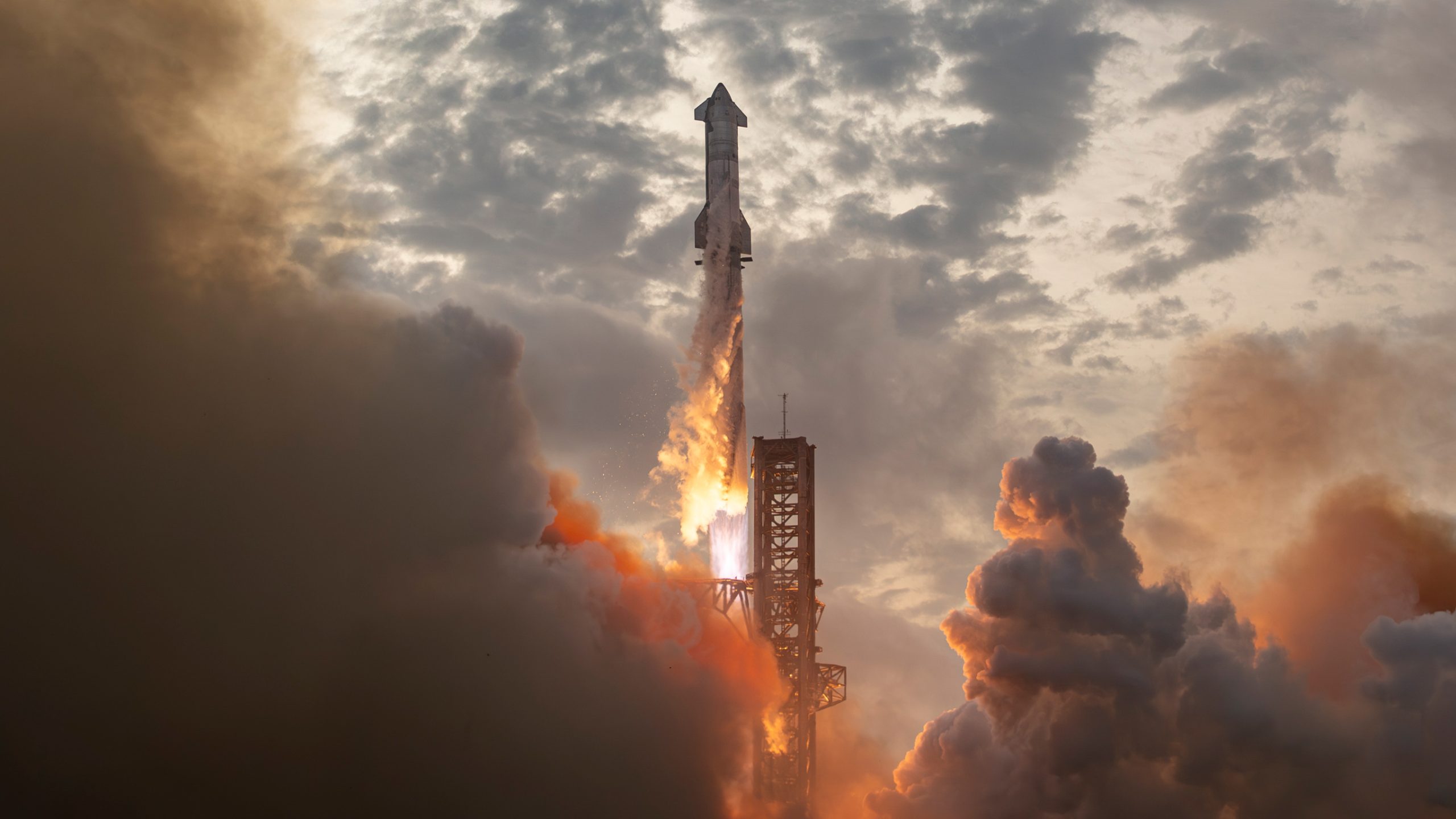
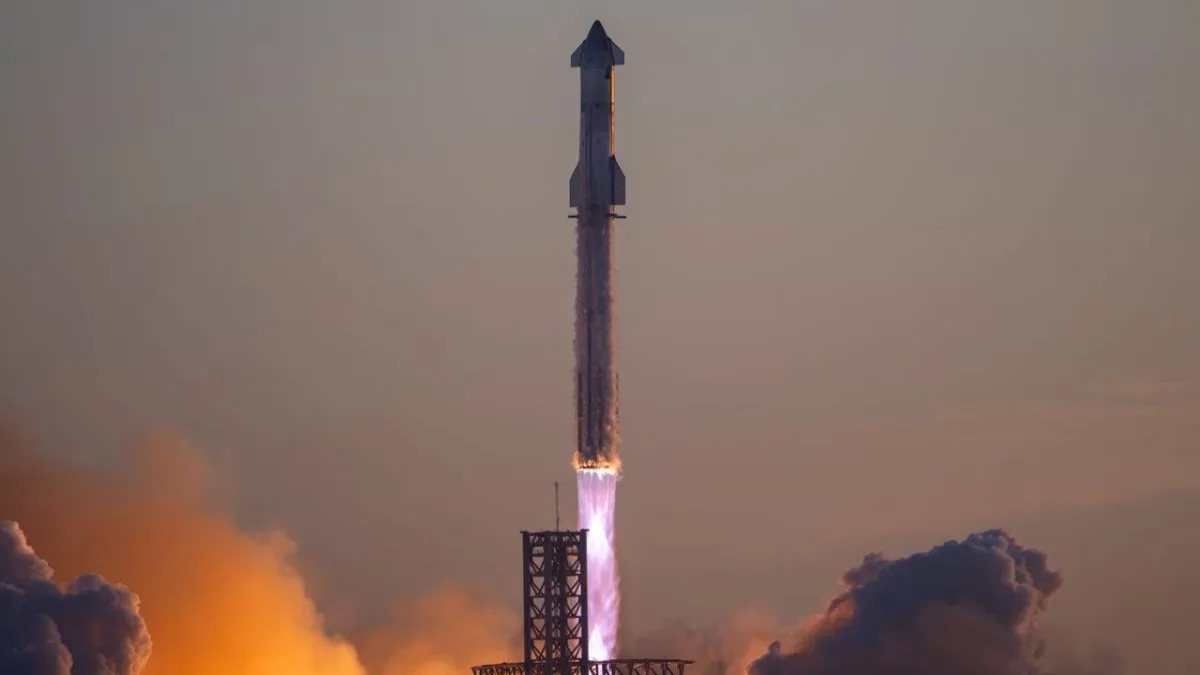
Elon Musk outlined plans to increase the flight rate and performance of SpaceX's Starship launch vehicle, aiming to land a Starship booster as early as its fifth flight and increase payload capacity. The company is working on accelerating production of Starship vehicles and improving the Raptor engine to support these goals. Musk also discussed plans for the next Starship test flight, including bringing the Super Heavy booster back intact and recovering the Starship upper stage.
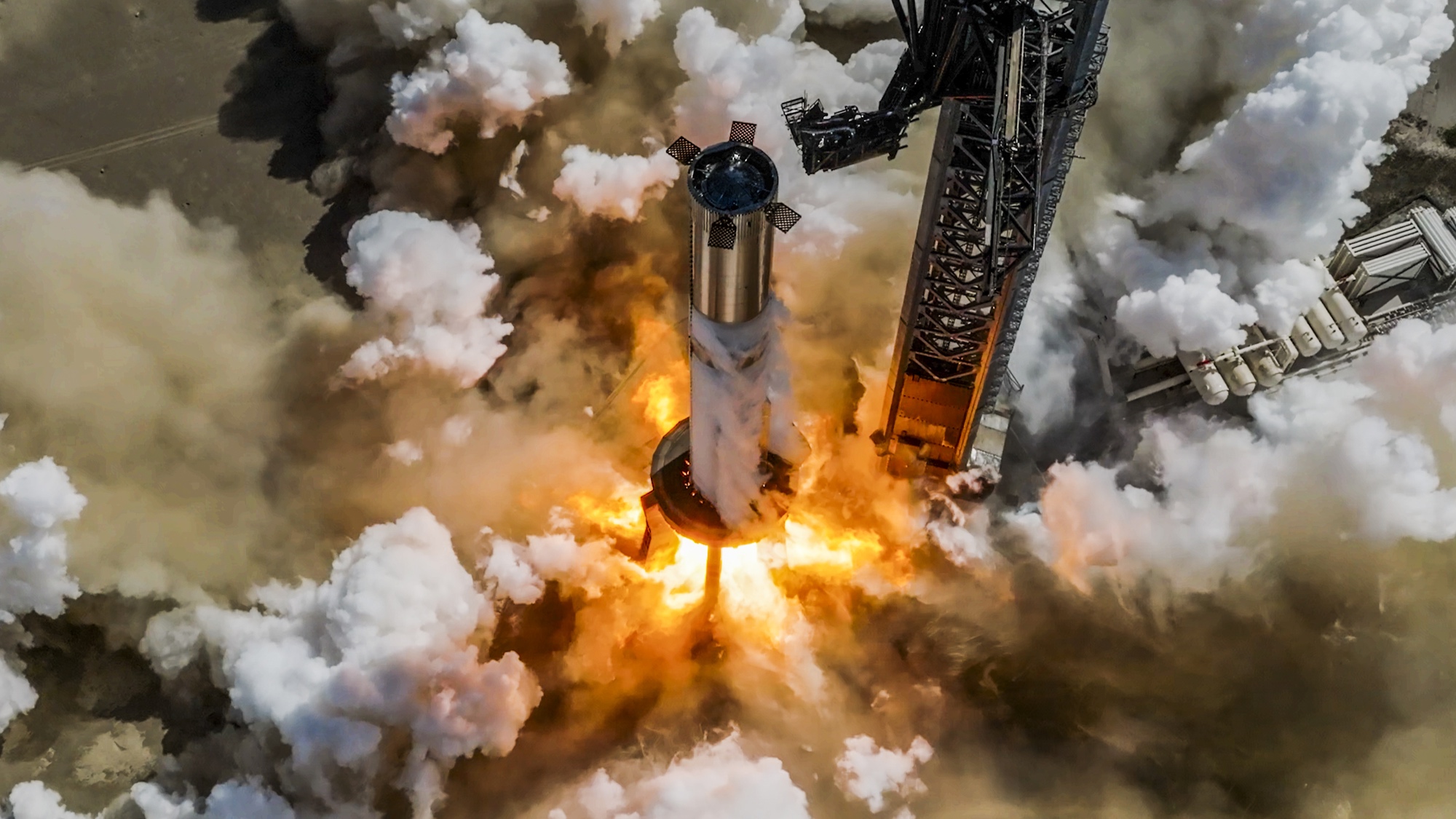
Elon Musk's SpaceX is preparing for the next test flight of its Starship, the largest flying object ever made, with the goal of successfully enduring the extreme heat of reentry. Starship is designed for interplanetary travel, satellite delivery, and Earth transport. In its previous test flight, mission control lost communication with the spacecraft during re-entry. SpaceX has now fired up all six Raptor engines ahead of the fourth flight, expected to take place in early May.
SpaceX's third test flight of the Starship rocket from Starbase, Texas, saw all 33 Raptor engines ignite in a staggered sequence, with the Super Heavy booster successfully performing a boost back burn before experiencing a rapid unscheduled disassembly during landing. Ship 28 completed its first full-duration burn and began a series of tests, including opening the payload bay door and experiencing partial control issues during atmospheric re-entry. Despite these challenges, SpaceX made significant advancements and aims to address these issues in the upcoming fourth test flight.
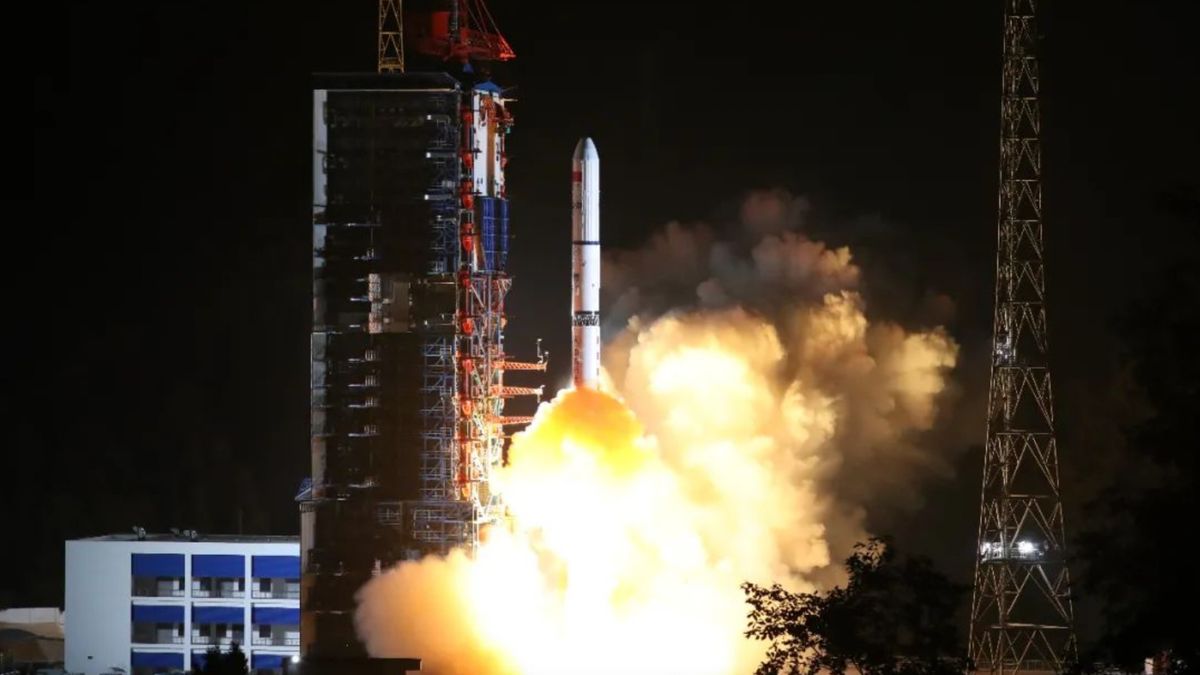
China plans to debut new Long March rockets in 2024, including the Long March 6C, Long March 12, and a modified version of the Long March 8, to enhance its options for space launches. These rockets will offer increased capacity for high-frequency launch missions and the ability to carry larger payloads to low Earth orbit or sun-synchronous orbit. Additionally, China is developing super heavy-lift rockets for large space infrastructure and crewed moon missions, with a goal of launching around 100 missions this year, including an ambitious lunar far side sample return mission.
The U.S. military is eyeing SpaceX's Starship for potential rapid global supply and troop transport, with plans for quick point-to-point cargo delivery and interest in its profound impacts for national security. SpaceX's long-term goal is to make Starship a completely reusable spacecraft with significant payload capacity, potentially reducing costs to $90 per pound. As China advances its space program, the U.S. is looking to leverage Starship to ensure a free and open Indo-Pacific region and maintain its competitive edge in space exploration.
Elon Musk revealed that the explosion of SpaceX's Starship rocket during its second test flight was caused by a venting of liquid oxygen, which would not have occurred if the rocket had been carrying a payload. Despite the explosion, the rocket had been performing well and was close to reaching orbit. SpaceX plans to launch a third test flight soon, aiming for full reusability and rapid development. The company also aims to start launching its next-generation Starlink internet satellites aboard Starship by the end of the year, with NASA selecting the vehicle for its Artemis program of moon exploration. Musk also discussed plans for a more reliable and taller Version 2 and Version 3 of the Starship rocket.