2025 was a challenging year for spaceflight, with 12 notable rocket and spacecraft failures including lunar landers, private rockets, and orbital boosters, despite some milestones like the first private moon landing and new heavy-lift vehicles.
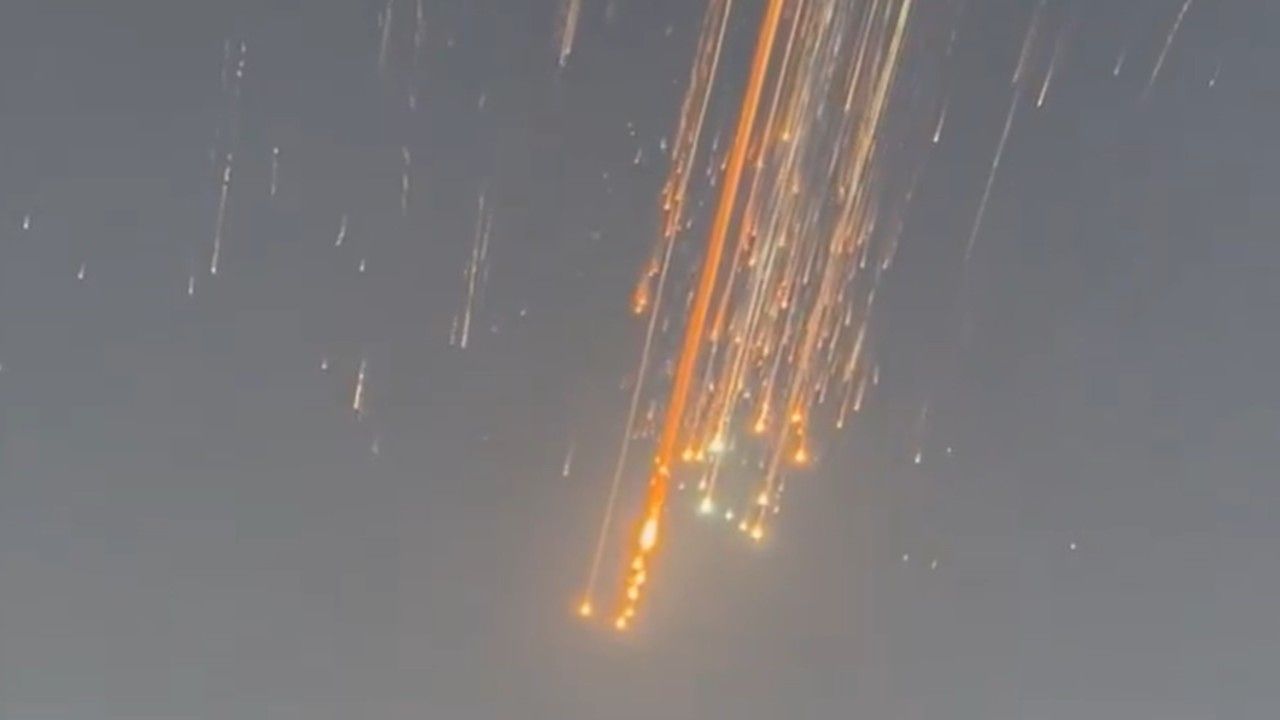
Mexico's President Claudia Sheinbaum threatens to sue SpaceX over debris and contamination from failed Starship test flights near the Texas-Mexico border, amid ongoing rocket mishaps and environmental concerns.
Despite recent failures, Elon Musk remains optimistic about launching Starship to Mars by 2026, emphasizing its role in humanity's long-term survival and plans for upgrades to improve reliability, though significant technical challenges like in-orbit refueling remain.
Upper stages of rockets have faced a series of failures in 2023, highlighting the complexity and challenges they pose. Failures from companies like Firefly Aerospace, Virgin Orbit, Rocket Lab, Relativity Space, and Japan's H3 rocket have demonstrated the unforgiving nature of upper stage malfunctions, which can be more complex and less forgiving than those of lower stages. These failures have been attributed to a range of issues, from manufacturing defects to electrical system failures, and have prompted companies to focus on inspections, testing, and quality control to address these challenges.
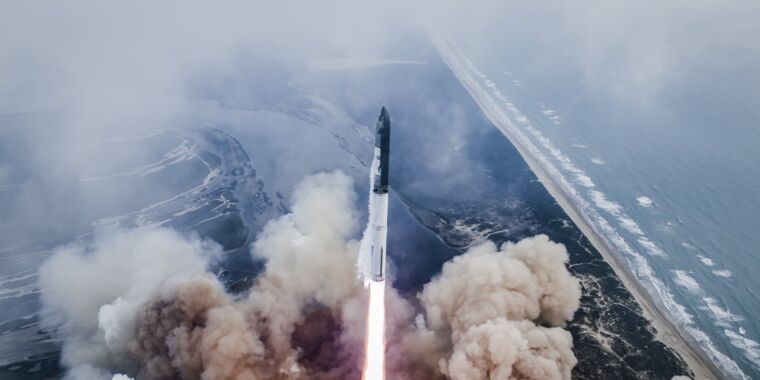
This week's Rocket Report highlights a series of rocket failures, including a Japanese small-lift rocket exploding shortly after liftoff and a rare misstep for China's Long March rockets. However, SpaceX's Starship successfully completed its third test flight, marking a significant step toward becoming operational. Additionally, the massive Roc aircraft deployed the Talon-A vehicle for the first time, and Washington-based launch company Stoke Space tested the full-size version of its innovative engine for the in-development Nova rocket.