Tag

Rocket Propulsion

All articles tagged with #rocket propulsion

"Rocket Mishaps: Explosions and Failures in Recent Space Launches"
space-and-rocket-launches1 year ago

"Rocket Mishaps: Explosions and Failures in Recent Space Launches"

This week's Rocket Report highlights a series of rocket failures, including a Japanese small-lift rocket exploding shortly after liftoff and a rare misstep for China's Long March rockets. However, SpaceX's Starship successfully completed its third test flight, marking a significant step toward becoming operational. Additionally, the massive Roc aircraft deployed the Talon-A vehicle for the first time, and Washington-based launch company Stoke Space tested the full-size version of its innovative engine for the in-development Nova rocket.

"Stratolaunch's Talon Completes Successful First Powered Flight"
space-technology2 years ago

"Stratolaunch's Talon Completes Successful First Powered Flight"

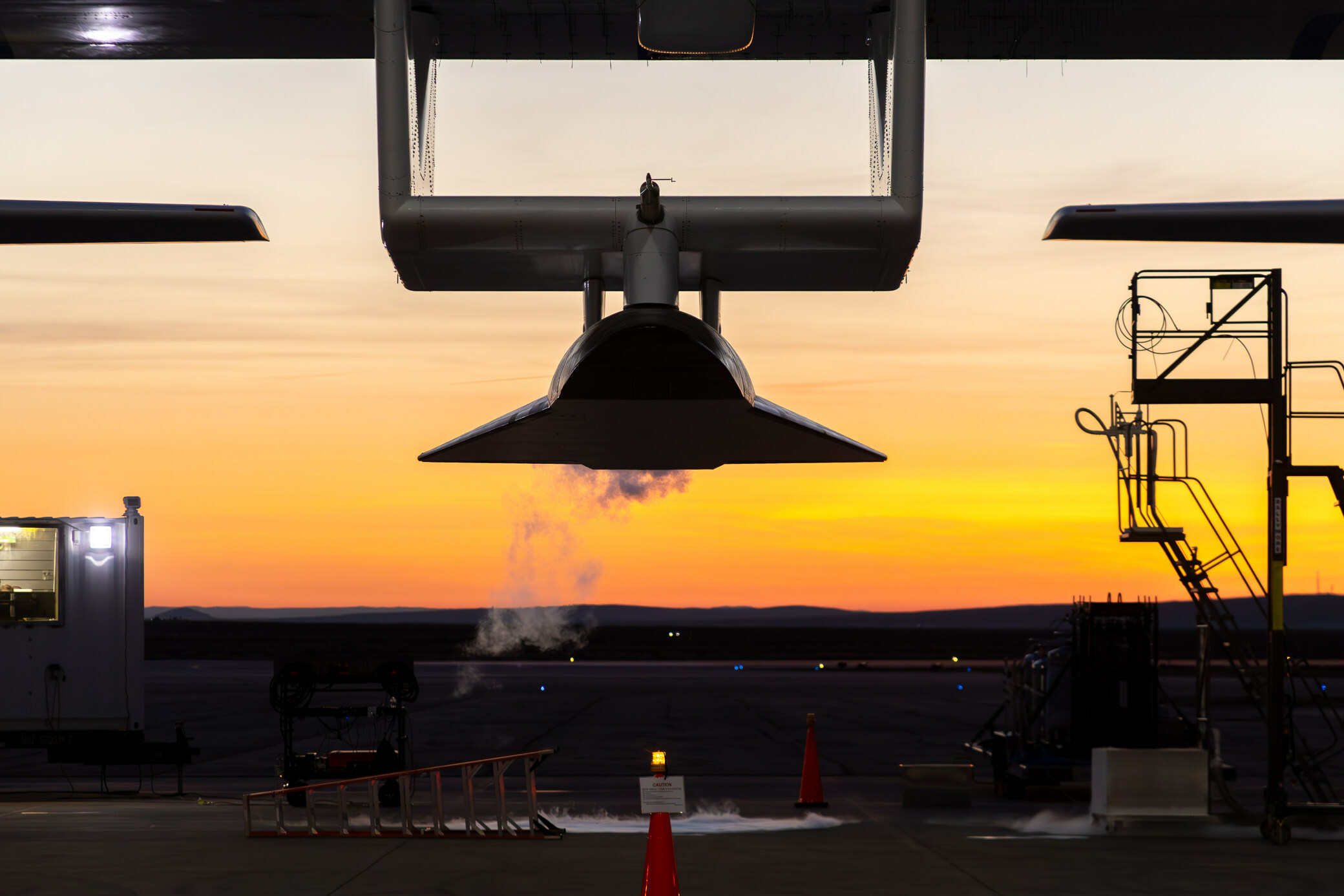
Ursa Major's Hadley engine successfully powered the first flight of Stratolaunch's Talon hypersonic test vehicle, reaching high supersonic speeds approaching Mach 5. The company's use of 3D printing allows for rapid engine manufacturing, and it plans to expand into solid rocket motors. This milestone marks progress in advancing hypersonic flight for both military and private sector applications.

"The Unquestionable Case for Nuclear Power: One Place Stands Out"
science-and-technology2 years ago

"The Unquestionable Case for Nuclear Power: One Place Stands Out"

The use of nuclear power in space exploration is becoming increasingly necessary due to the limitations of solar and chemical energy. Nuclear reactors offer a high energy density and the ability to generate large amounts of power from small units, making them ideal for space travel. NASA has previously worked on nuclear thermal propulsion technology, which could significantly shorten travel times to Mars. Other approaches, such as using electrical power to propel the spacecraft, have also been explored. The Soviets have previously used small nuclear reactors in space for radar satellites. NASA is currently developing its own spacegoing reactors for electricity generation and propulsion, which could enable more efficient Mars voyages and power supply for bases and space stations.

"Exclusive Interview with Impulse Space CEO Tom Mueller: From SpaceX's Early Days to Moon Bases and the Thriving Space Industry"
spaceflight2 years ago

"Exclusive Interview with Impulse Space CEO Tom Mueller: From SpaceX's Early Days to Moon Bases and the Thriving Space Industry"

Tom Mueller, the founder and CEO of Impulse Space and former SpaceX employee, reflects on the early days of SpaceX and his work on the Merlin rocket engine. He discusses Impulse Space's goals of providing precise orbital maneuvering vehicles for last-mile payload delivery in low Earth orbit (LEO) and facilitating better orbital logistics for clients. Mueller also shares his thoughts on the future of the space industry, including the rush for a lunar economy and the potential of building things in space using resources from the moon. Impulse Space's first orbital mission is scheduled for November 2021.

"NASA's Groundbreaking Nuclear-Powered Rocket Set for 2025 Launch"
space-exploration2 years ago

"NASA's Groundbreaking Nuclear-Powered Rocket Set for 2025 Launch"

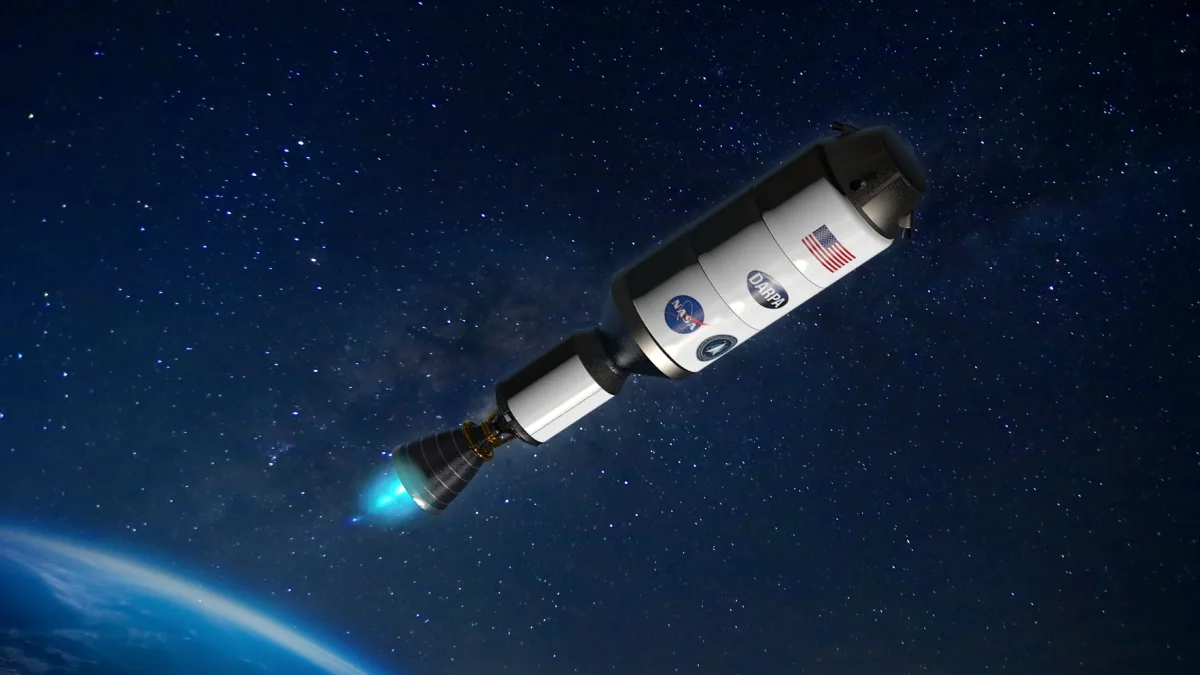
NASA and DARPA plan to launch the world's first nuclear-powered spacecraft, named DRACO, as early as 2025. The $499 million mission aims to test a new rocket propulsion system that could potentially send astronauts to Mars in just 45 days. The spacecraft will be designed, built, and tested by Lockheed Martin. The nuclear system, which harnesses the power of nuclear fission, is expected to be three times more efficient than chemical propulsion, reducing Mars flight times significantly. The hydrogen propellant will need to be kept at ultra-cold temperatures, presenting a major challenge for the developers. Once assembled, the spacecraft will be placed in a high orbit, allowing its radioactive fuel to decay to safe levels over a period of 300 years.

The Future of Spaceflight: Aerospike Engines
space2 years ago

The Future of Spaceflight: Aerospike Engines

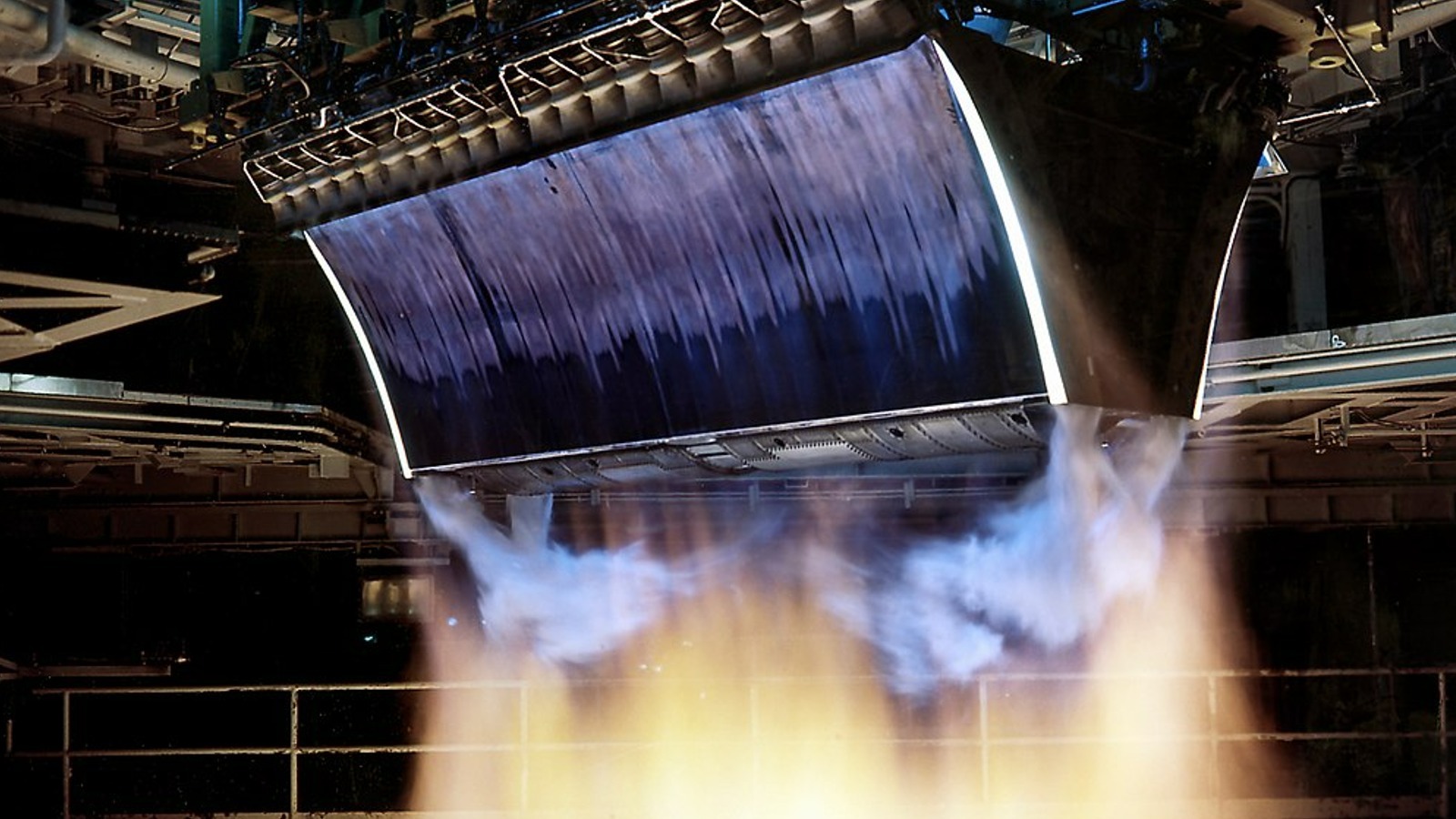
The aerospike engine design could revolutionize space travel by providing a more efficient and versatile propulsion system. Unlike conventional engines, the aerospike design adjusts to changing air pressure, making it more efficient throughout a vessel's flight. Rockets using aerospike engines can save around 40% in fuel usage, resulting in a lighter overall load and potentially larger cargo and passenger compartments. With the German government awarding a contract to develop a linear aerospike rocket engine, we may be on the verge of a new era of space travel that could allow for travel to and from celestial bodies.