Chinese aerospace engineers have proposed upgrading combat drones with side-mounted rocket boosters to enable rapid, unpredictable maneuvers in the final moments of an attack, significantly increasing their survival rate to nearly 90% based on digital simulations.
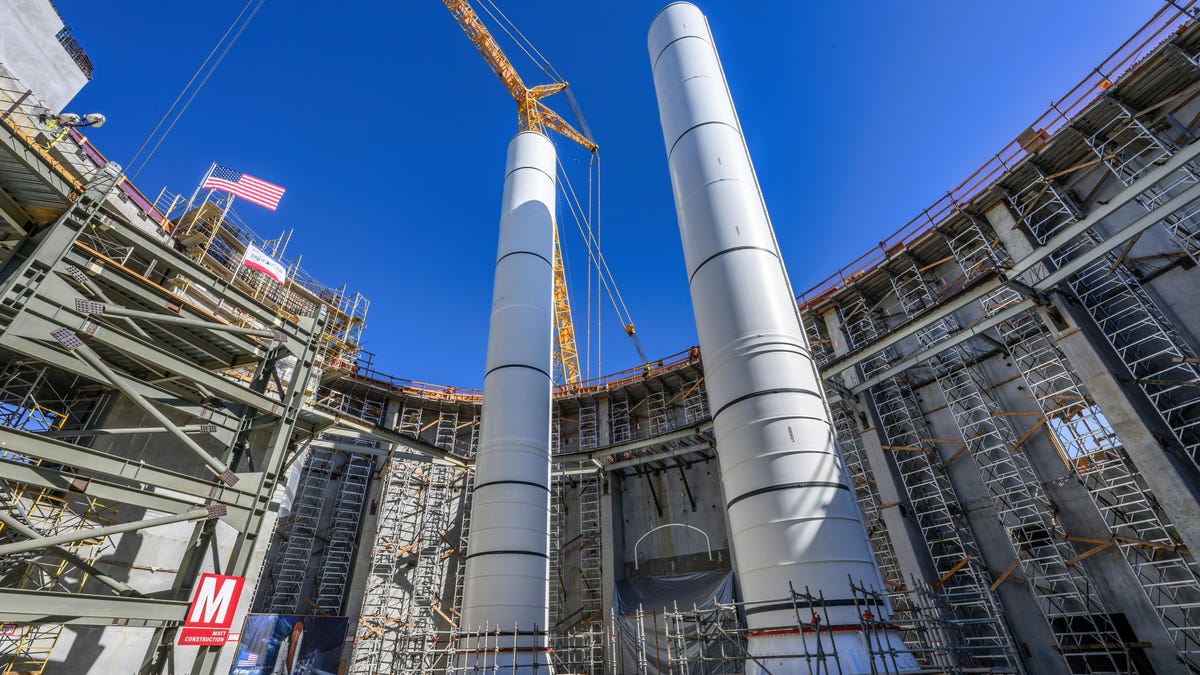
The iconic Space Shuttle boosters, which were used to lift the shuttle into orbit, have been stacked in a vertical position at the California Science Center for the first time since the shuttle's retirement. The boosters, weighing 100,000 pounds each, were lifted by a 450-foot crane and will be part of the future Samuel Oschin Air and Space Center. The display will include the Endeavor orbiter and will be the only "ready-for-launch" Space Shuttle system in the world.
NASA is constructing the twin rocket boosters for Artemis 2, which will provide additional power to the Space Launch System rocket for a mission to the moon in 2024. Each booster weighs 1.6 million pounds and is being assembled at NASA's Kennedy Space Center. The boosters consist of five segments and are based on the design of the space shuttle program's boosters. The aft assembly work is currently underway, and once completed, the boosters will be moved to the Vehicle Assembly Building for further assembly. The Artemis 2 mission will test Orion's systems before a planned moon landing in 2025 or 2026.
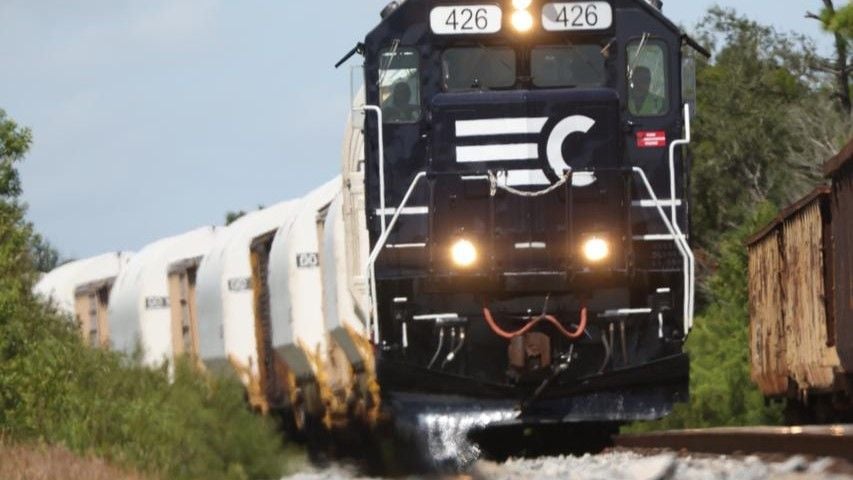
Rocket booster segments for NASA's Artemis 2 moon mission have arrived at the Kennedy Space Center via train. The boosters, weighing 1.6 million pounds each, were transported by the Florida East Coast Railway due to their size. These boosters will support the Space Launch System rocket during the Artemis 2 mission, which aims to send four astronauts around the moon in 2024. The segments will undergo inspections before being assembled at the Kennedy Space Center for the launch.
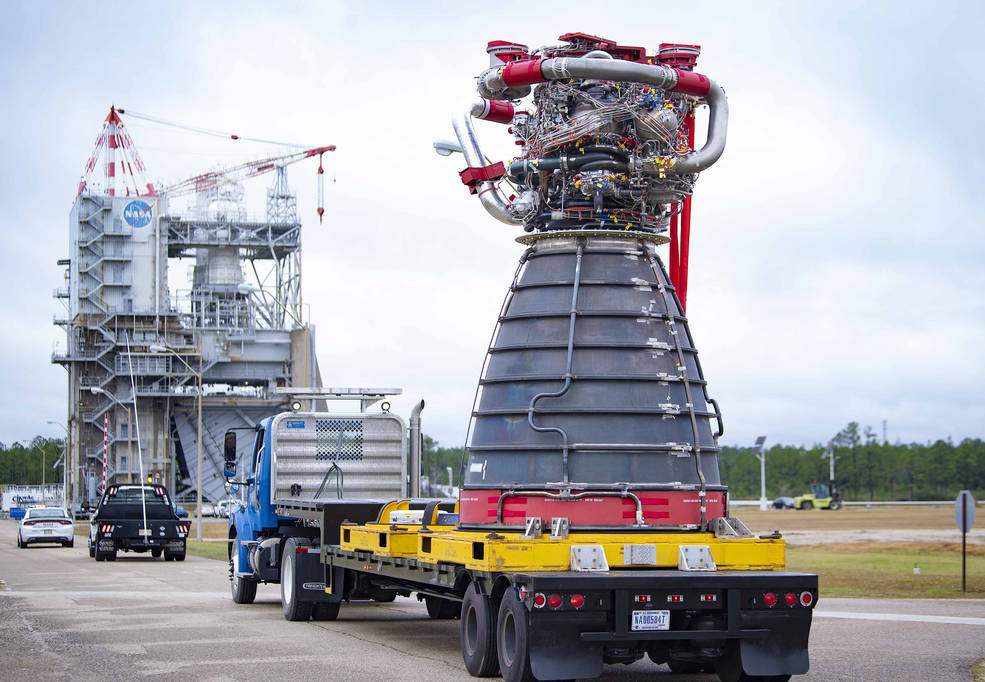
NASA's Office of Inspector General (OIG) has reported that the conversion of shuttle-era solid rocket boosters and engines for use on the Space Launch System (SLS) has cost the agency billions more and taken years longer than originally planned. The contracts, covering development and production of the boosters and engines, originally had a combined value of $7 billion over 14 years. The cost-plus contracts are now worth at least $13.1 billion over 25 years, of which $8.6 billion has been spent to date. The OIG reported that the overruns have the effect of increasing the cost of a single SLS mission through Artemis 4 by $144 million, to $4.2 billion each.
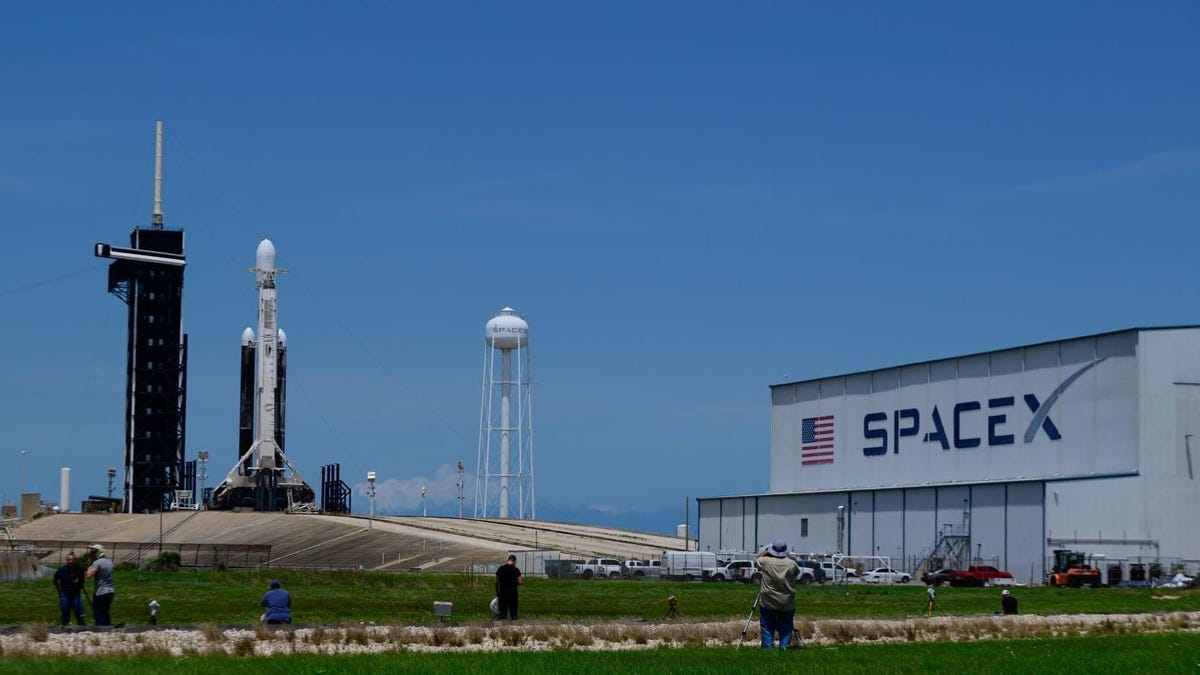
SpaceX is set to launch its Falcon Heavy rocket carrying a broadband satellite and two smaller satellites to a geostationary orbit above Earth's equator. The rocket's boosters will be expended by falling back into the Atlantic Ocean, making it the first time SpaceX intentionally disposes of all three Falcon Heavy boosters. The launch is scheduled for Thursday at 7:29 p.m. ET from NASA's Kennedy Space Center in Florida and can be watched live on SpaceX's website.