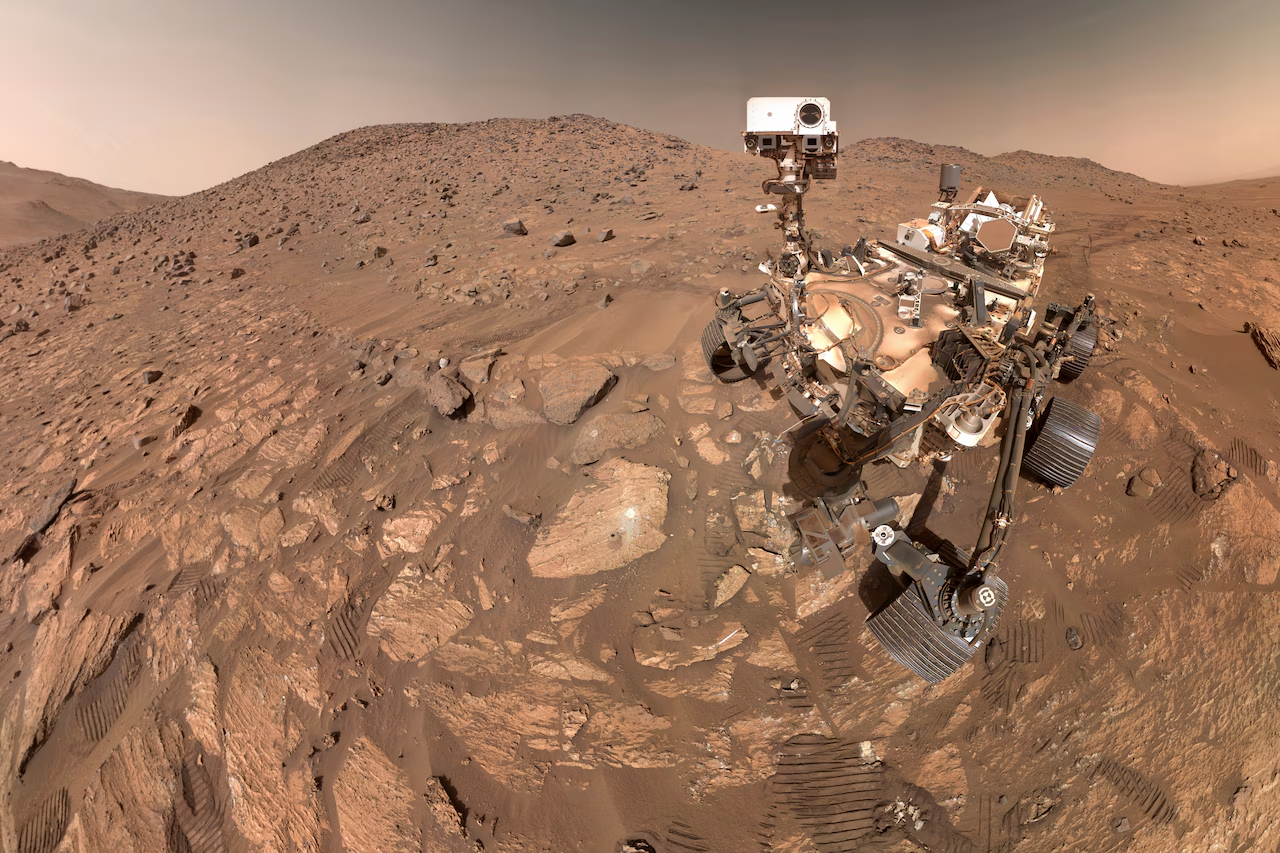
NASA's Perseverance rover has found promising signs in Martian rocks that could indicate ancient microbial life, but further analysis is needed to confirm this potential discovery, which is considered the closest yet to finding evidence of past life on Mars.
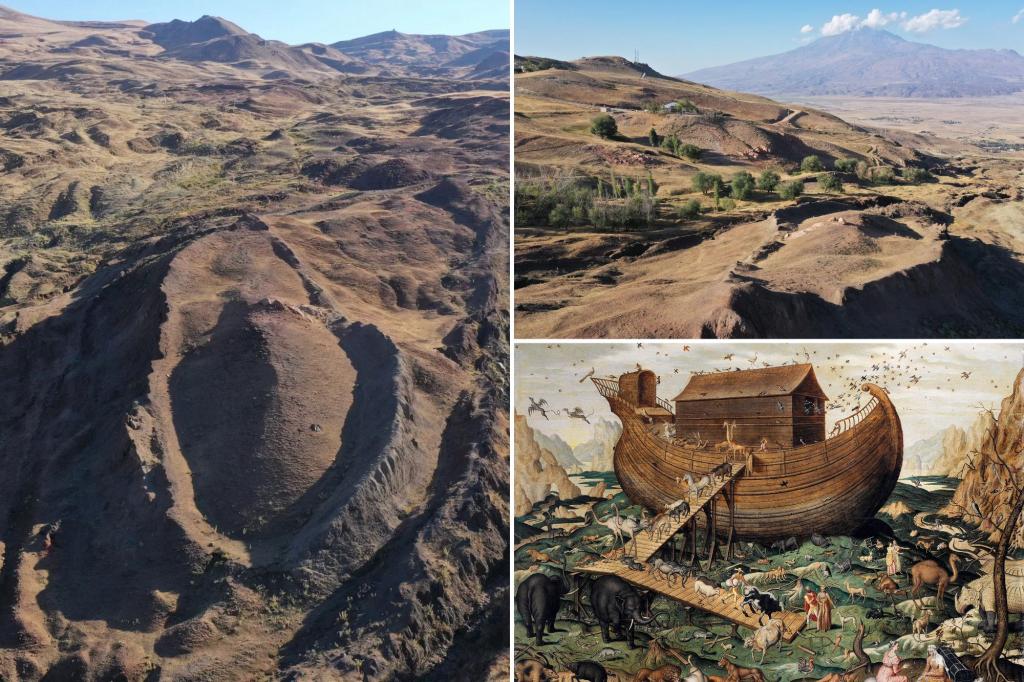
Scientists studying the site believed to be the "ruins of Noah's Ark" in Turkey have found evidence of human activity dating back to the biblical era. Rock and soil samples collected from the site revealed the presence of clayey materials, marine materials, and seafood between 5500 and 3000 BC. The findings support the theory that there were human activities in the region during the Chalcolithic period, around the time when the catastrophic flood is believed to have occurred. The site, known as the Durupinar formation, is located near the Iran-Turkey border and is believed by some to be the petrified remains of Noah's Ark. The authenticity of the biblical stories surrounding Noah and the ark has yet to be determined by scientists.
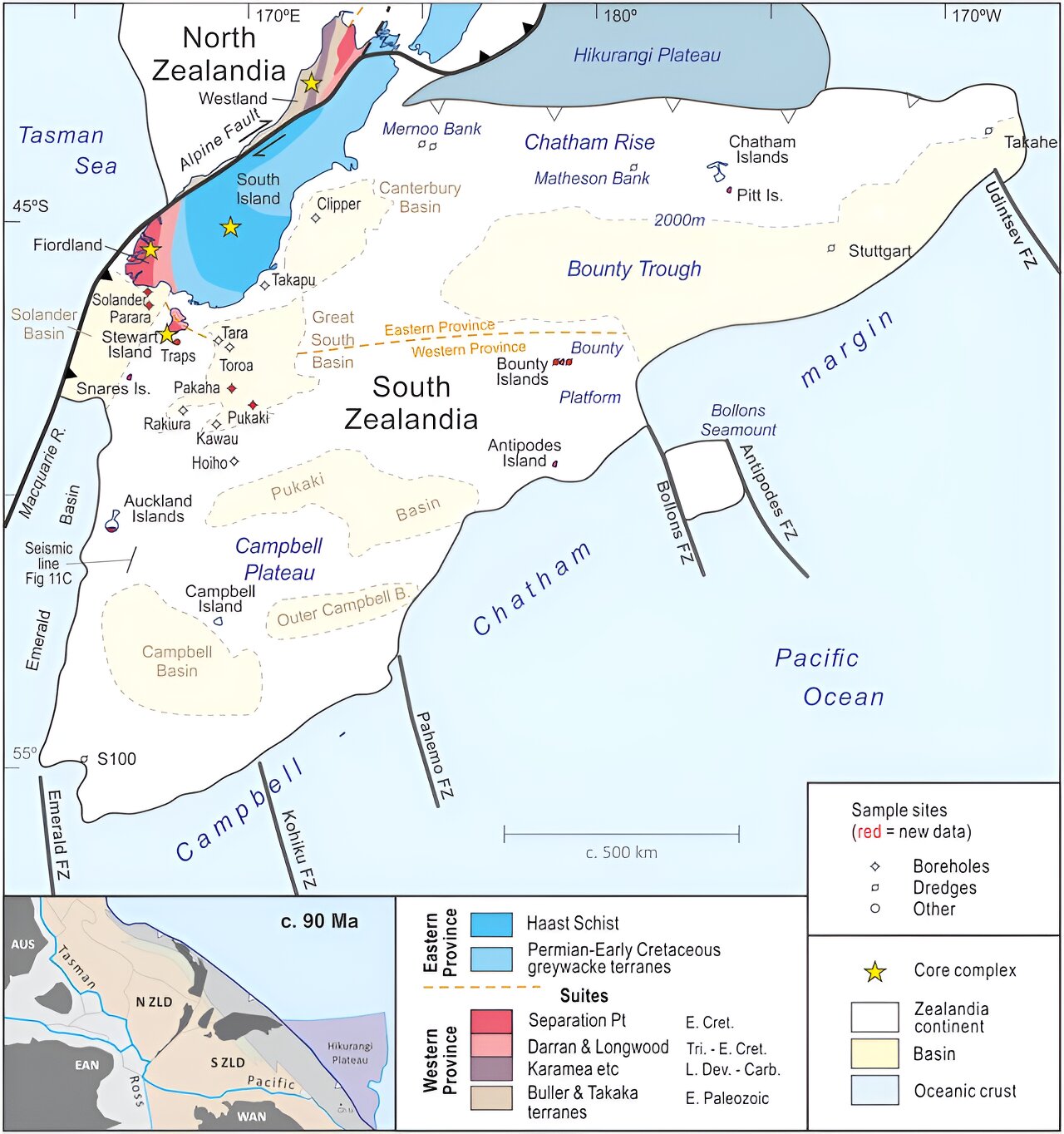
Geologists and seismologists have created a refined map of Zealandia, a submerged continent believed to be 94% under the sea. By studying dredged rock samples and analyzing seismic data, the researchers discovered geologic patterns in West Antarctica that suggest a subduction zone near the Campbell Plateau off the west coast of New Zealand. The findings challenge previous theories and provide insights into the formation of Zealandia. The newly refined map reveals the location of the magmatic arc axis and other major geological features of the continent.