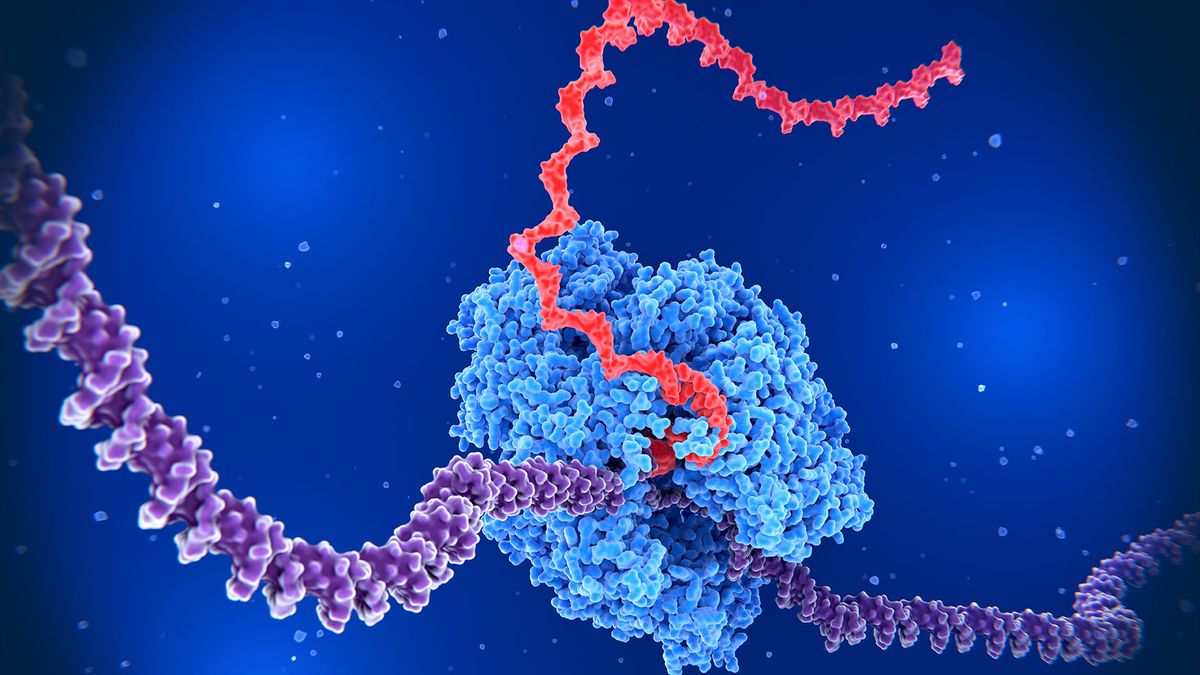
Scientists have discovered a new way cells control their genes called "backtracking," where RNA polymerase shifts back and pauses instead of moving forward along the DNA as it reads a gene. This process, initially thought to be a response to breaks in the DNA, is now being studied for its role in gene regulation. A new technique called LORAX-seq has been developed to capture RNA strands extruded in persistent backtracking, revealing that backtracking is prevalent in genes involved in protein production, cell division, and DNA copying and packaging. The method can now be used to study the role of backtracking in human diseases such as cancer and aging.
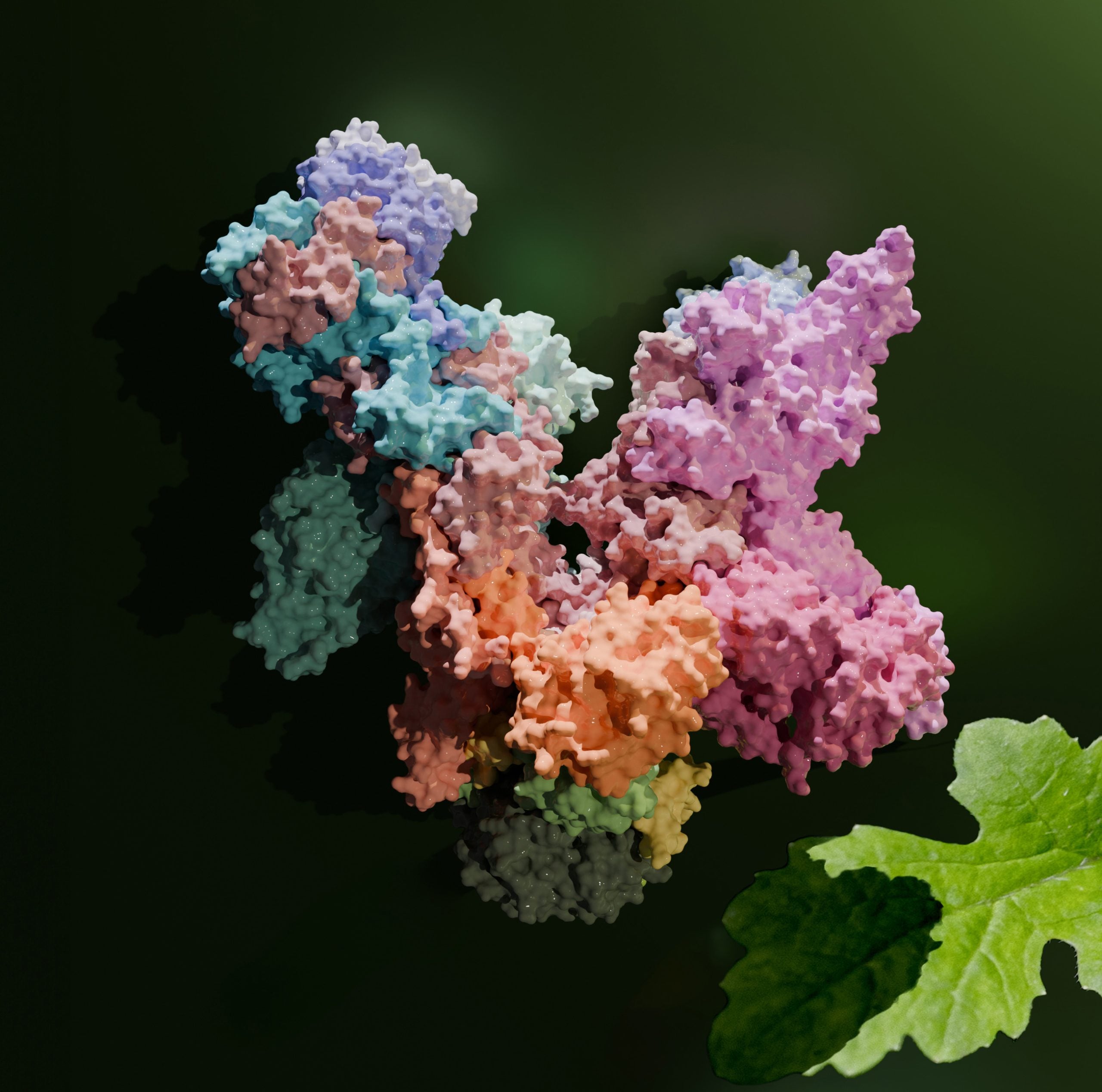
Researchers from Hannover and Göttingen have created a high-resolution 3D visualization of the chloroplasts’ copying mechanism, the RNA polymerase PEP, shedding light on the operation and evolutionary history of this vital cellular apparatus crucial for photosynthesis. The 19-subunit PEP complex was visualized at a resolution of 3.5 angstroms, revealing chloroplast-specific features and the unique structure of associated proteins. The study provides insights into the fundamental mechanisms of the photosynthesis machinery’s biogenesis and may have implications for biotechnological applications in the future.
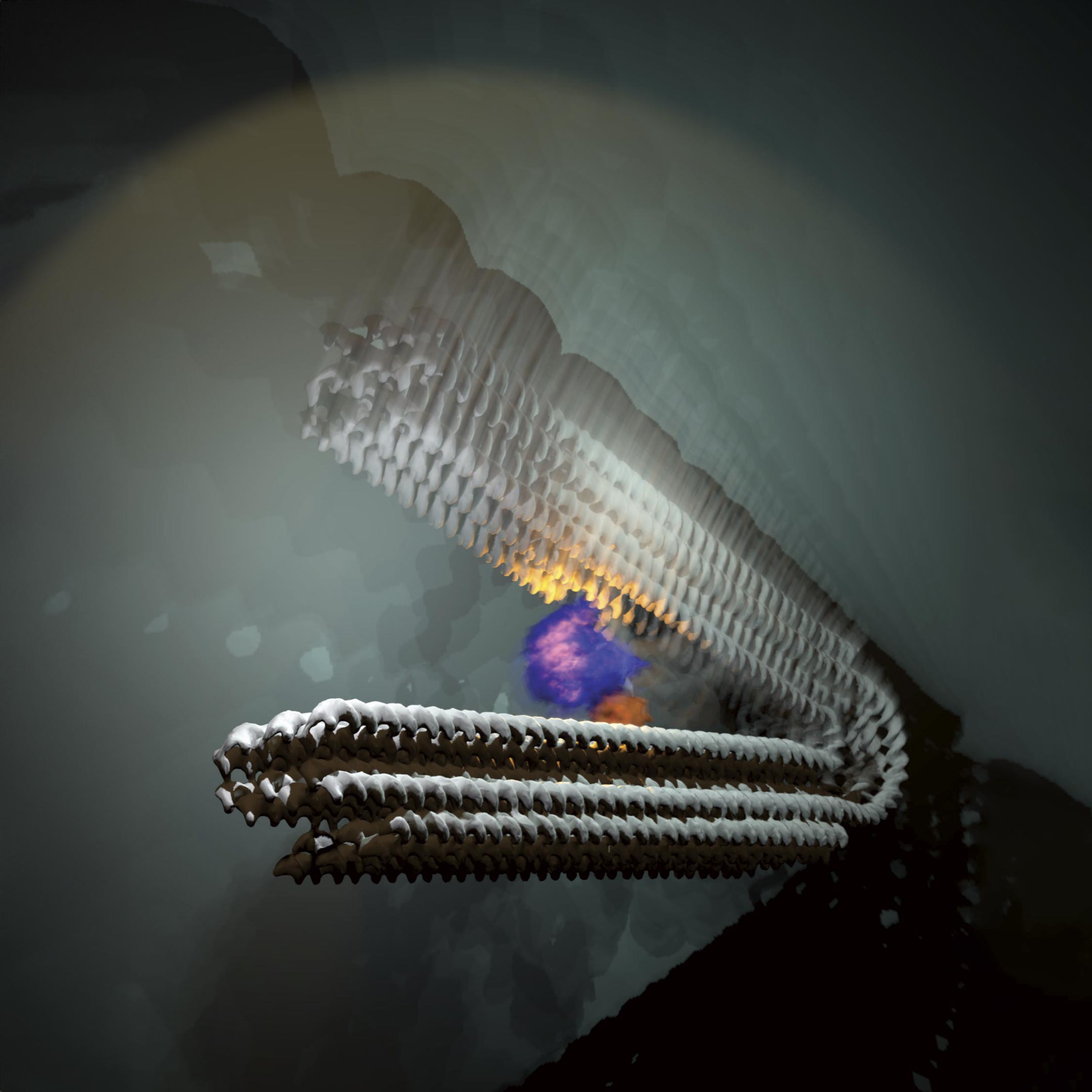
Scientists at the University of Bonn have developed a novel nanomotor that measures just one ten-thousandth of a millimeter. The motor operates using a mechanism similar to a hand grip trainer, where two handles connected by a spring are pulled together by an RNA polymerase and then released, generating pulsing movements. The motor requires nucleotide triphosphates as fuel and can be combined with other structures, potentially leading to the development of complex nanomachines. Further research and optimization are needed before practical applications can be realized.
Researchers have found that the RNA polymerase responsible for cell transcription moves along the DNA faster in aged cells than in young cells, resulting in more errors in the process. The dysregulation of this mechanism explains aging to a significant extent. Simple interventions such as diet, particularly the number of calories consumed per day, can affect transcription and improve the function of aged cells.