
"Cellular Breakthrough: Unveiling the Mechanism of Gene Control Through 'Backtracking'"
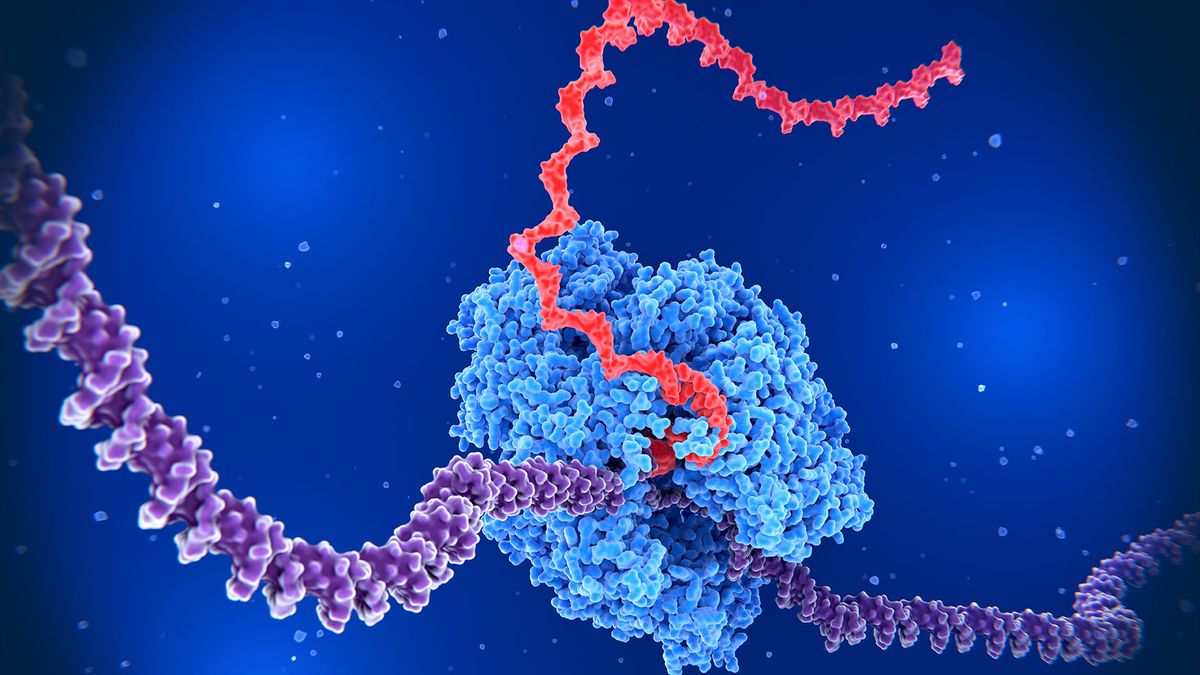
Scientists have discovered a new way cells control their genes called "backtracking," where RNA polymerase shifts back and pauses instead of moving forward along the DNA as it reads a gene. This process, initially thought to be a response to breaks in the DNA, is now being studied for its role in gene regulation. A new technique called LORAX-seq has been developed to capture RNA strands extruded in persistent backtracking, revealing that backtracking is prevalent in genes involved in protein production, cell division, and DNA copying and packaging. The method can now be used to study the role of backtracking in human diseases such as cancer and aging.