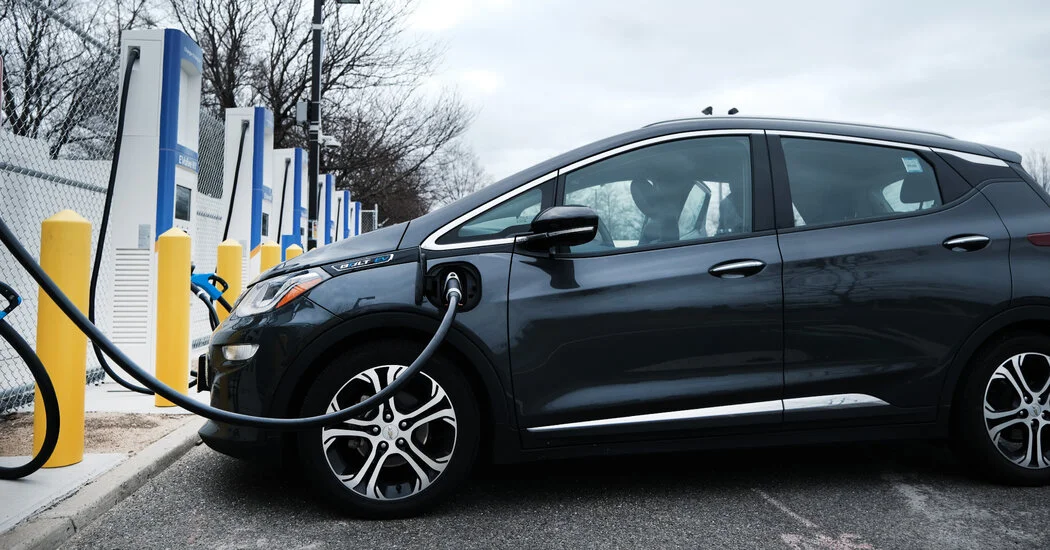
Uber will incentivize third-party operators to install EV chargers in drivers’ US and European neighborhoods and guarantee a minimum amount of usage to help recoup investments, aiming to accelerate charging infrastructure despite recent U.S. policy shifts.
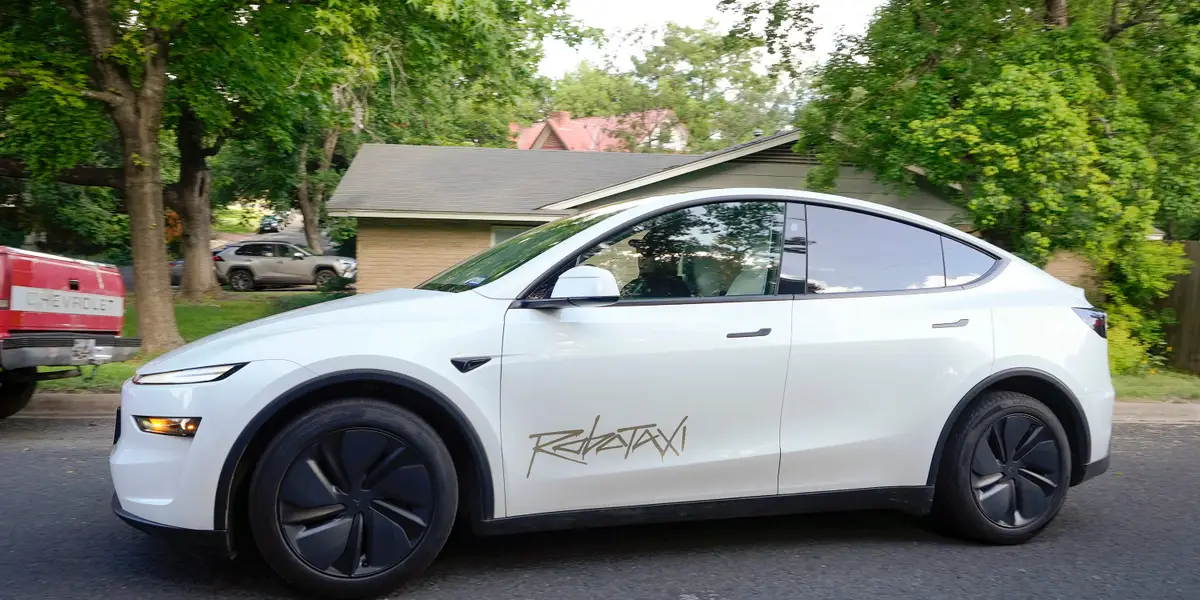
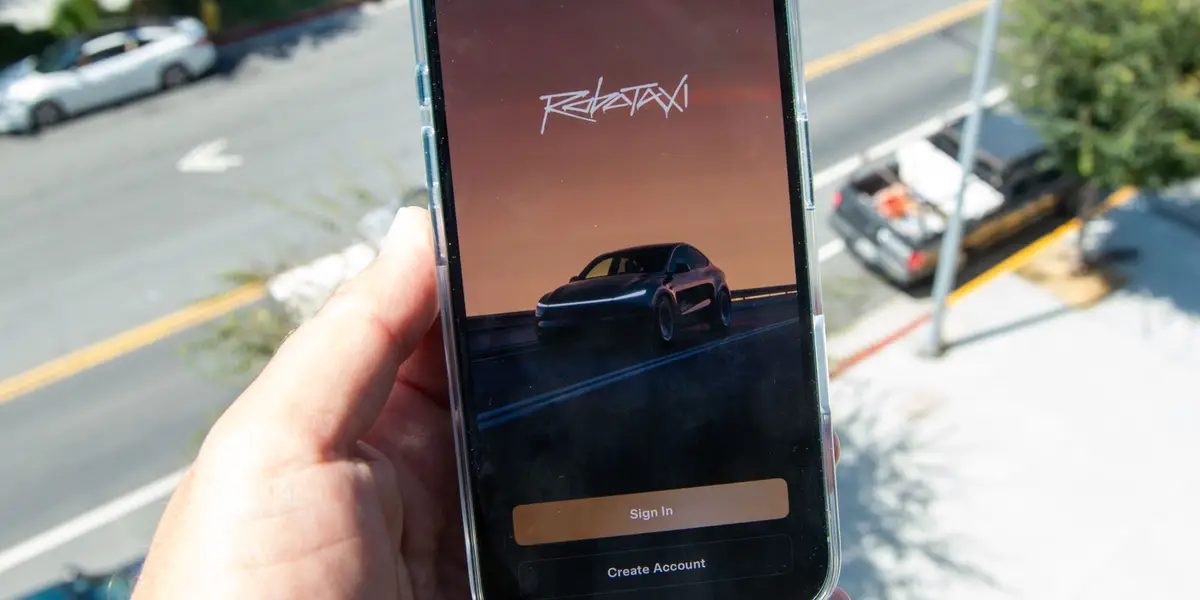
Tesla is recruiting factory workers and sales staff to operate its 'Robotaxi' fleet as AI drivers, aiming to expand its autonomous ride-hailing service in the Bay Area and other cities, with plans for full autonomy in the future.
Tesla has rapidly expanded its 'Robotaxi' fleet in California, registering over 1,655 vehicles for its ride-hailing service since August, although it is not registered as an autonomous vehicle service. The company operates with FSD technology and has increased its drivers and vehicles significantly, but faces competition from Waymo and Zoox, and has not yet obtained a driverless testing permit in California.
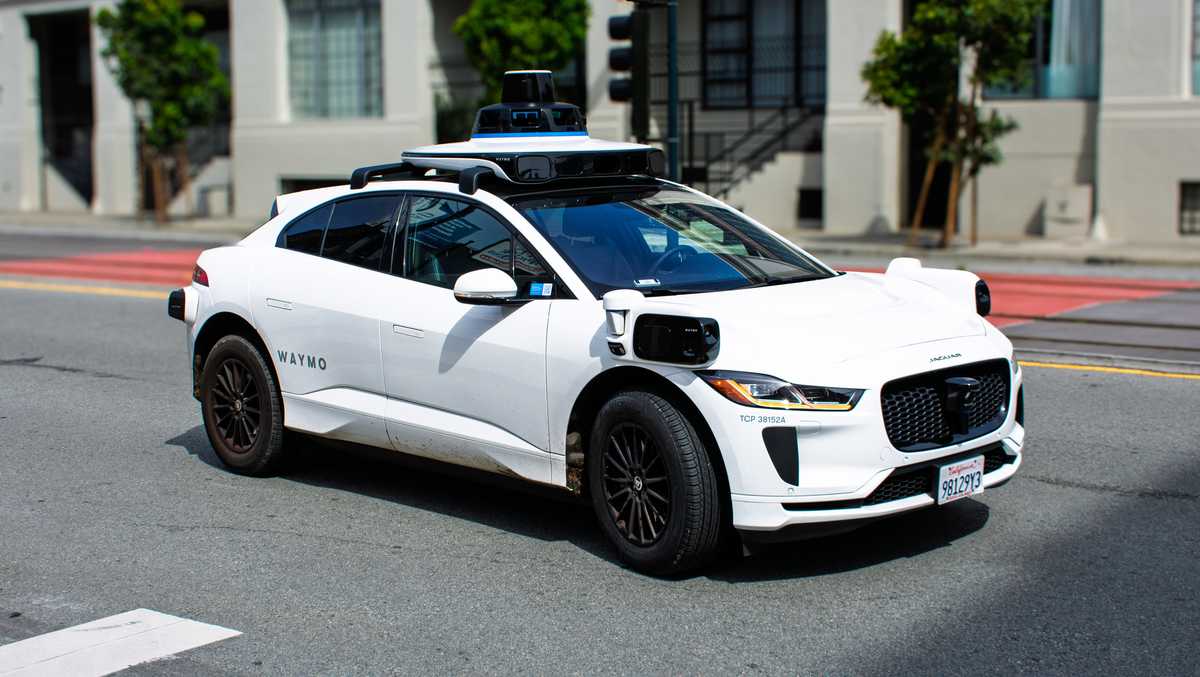
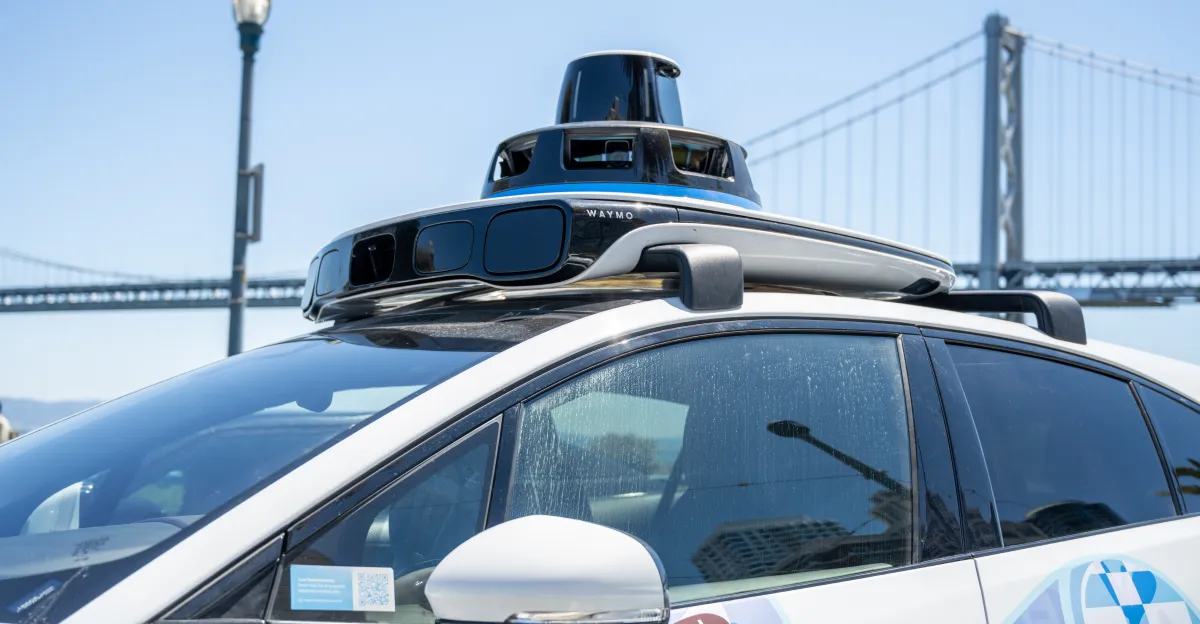
Waymo's fully autonomous ride-hailing service is expanding to Baltimore, joining St. Louis, Pittsburgh, and Philadelphia, with plans to work with local officials to develop regulations and prepare for deployment, including initial manual driving to familiarize with the city.
A long-time Uber driver in Atlanta shares her experience of declining earnings over the past year due to reduced demand, increased expenses, and competition from autonomous vehicles, leading her to question her future in gig work after a decade in the industry.
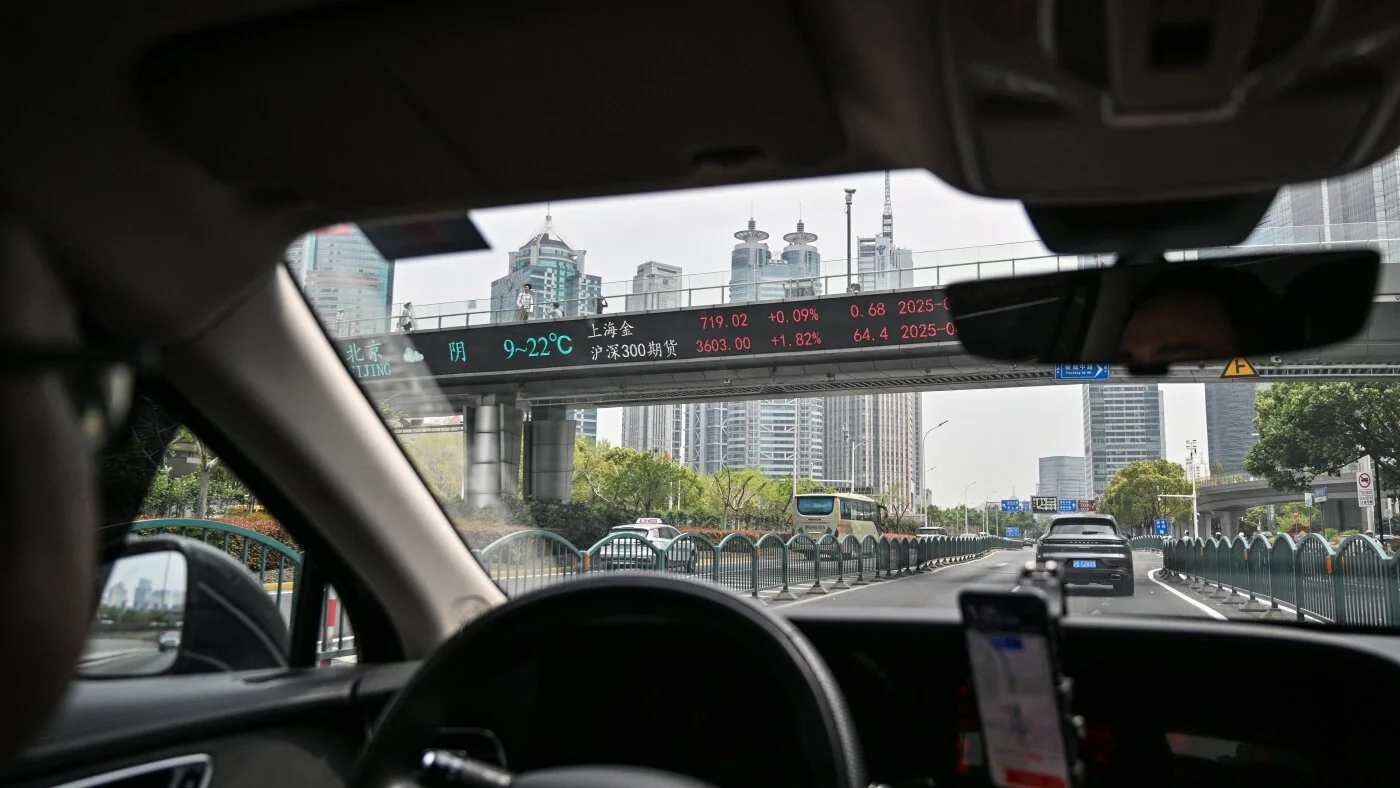
In China's ride-hailing industry, drivers and passengers face issues with car odors, prompting companies like DiDi to implement policies to improve cleanliness amid economic hardships and increased consumer expectations, while critics argue these measures may be superficial and overlook deeper labor issues.
Waymo has received approval to test its autonomous robotaxi service at San Francisco International Airport, marking a significant step in expanding its service area and competing with ride-hailing giants, with plans to gradually introduce testing and commercial trips for employees and the public.
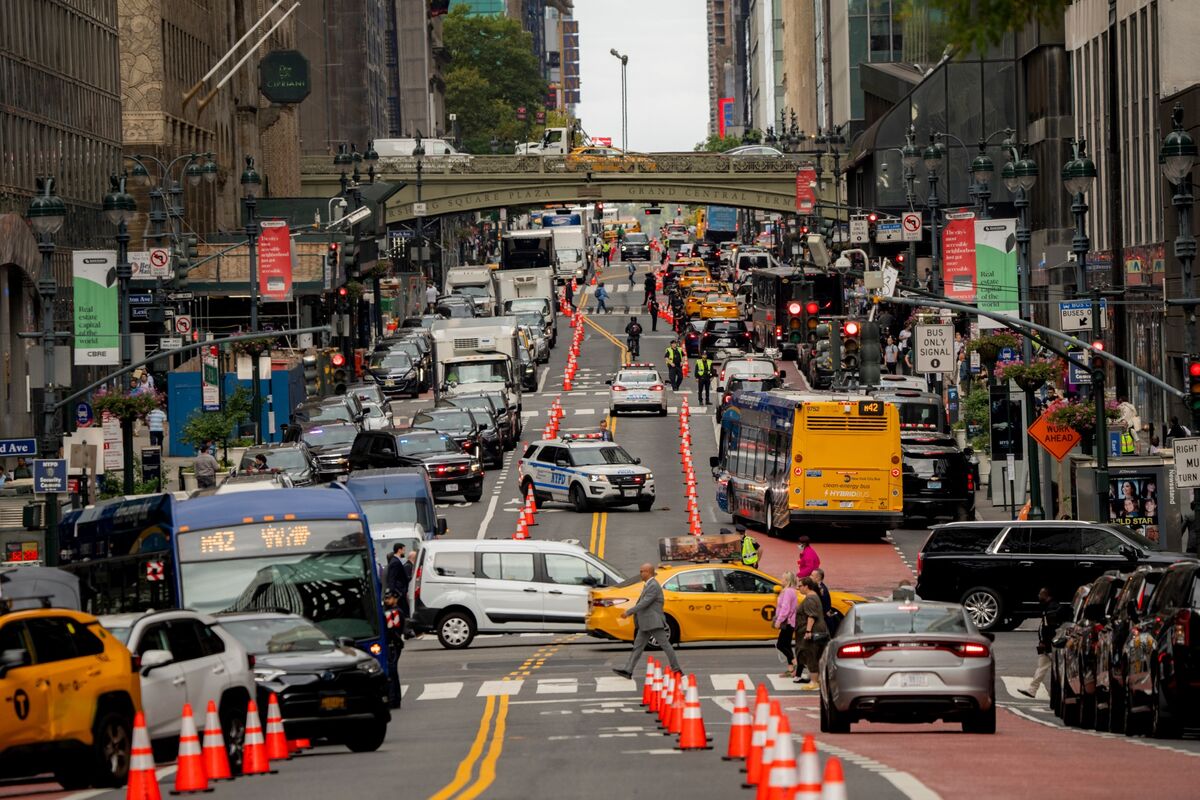
Tesla is hiring a driver in Queens to test its Autopilot system on NYC streets, hinting at potential expansion of its robotaxi service in the city, following its recent pilot programs in Austin and San Francisco. The data collected may be a step toward launching autonomous ride-hailing in New York, aligning with Tesla's broader strategy to develop driverless taxis amid a challenging sales environment.
Grab Holdings has raised its fiscal 2024 revenue forecast, anticipating strong growth in its food delivery and ride-hailing services during the holiday season. The company's U.S.-listed shares rose over 10% following the announcement. Grab's CEO expressed optimism about Southeast Asia's growth potential, while the company reported third-quarter revenue of $716 million, surpassing expectations. The firm also increased its annual core profit forecast and highlighted the success of its premium ride offerings.
Uber and Lyft have decided to extend their services in Minneapolis until July 1, following a city council vote to delay the implementation of a driver pay raise by two months. The ordinance mandates a minimum wage of $15.57 an hour for rideshare drivers, originally set to start on May 1 but now postponed to July 1. Both companies had planned to cease operations in Minneapolis on May 1, citing the ordinance as unsustainable for their customers.
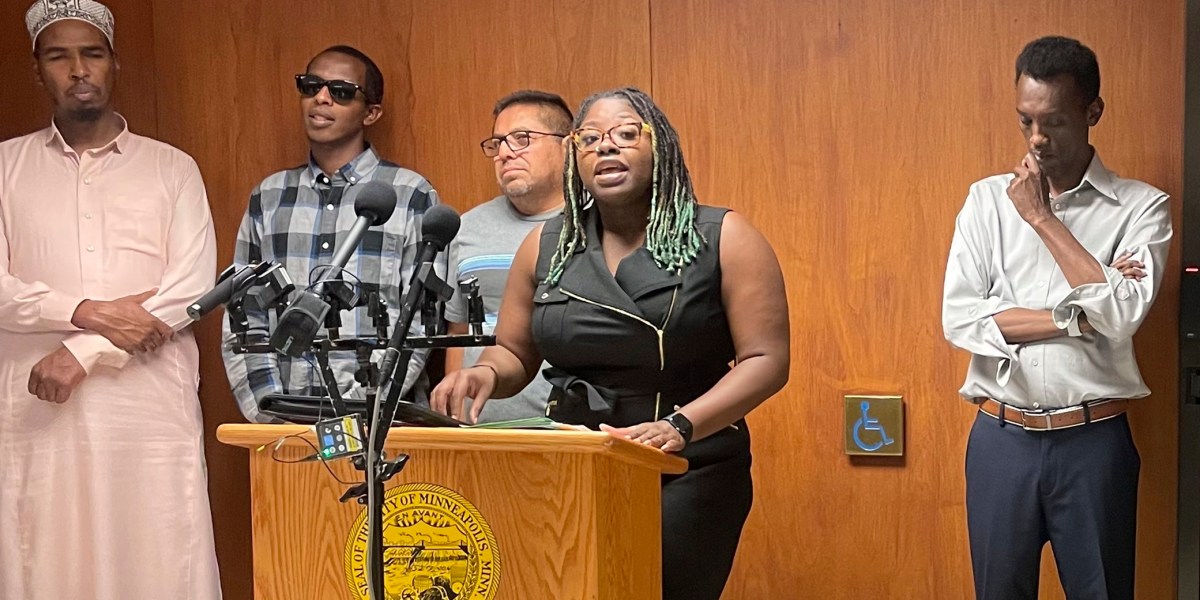
Uber and Lyft have delayed their plans to leave Minneapolis after city officials postponed the start of a driver pay raise by two months. The Minneapolis City Council voted to implement the ordinance on July 1 instead of May 1, aiming to ensure companies pay drivers the equivalent of the city’s minimum wage. Uber and Lyft representatives argue that the city's higher rate will make rides too expensive for most riders and ultimately lead to lower earnings for drivers. State legislators are considering preempting the city ordinance with a state law, while Uber and Lyft drivers in the area are divided on the issue.
The Minneapolis City Council passed an ordinance requiring ride-hailing companies to pay drivers a higher rate, prompting Uber and Lyft to announce plans to leave the market on May 1. The state could intervene, and the city is considering potential changes to the ordinance. Residents are divided, with some supporting the wage hike to help marginalized workers, while others oppose it due to concerns about losing access to ride-hailing services.
Uber and Lyft plan to exit the Minneapolis market on May 1 in response to a new city ordinance requiring them to pay drivers a higher rate. The ordinance mandates a minimum rate of $1.40 per mile and $0.51 per minute, which the companies argue is too high. The move has sparked debate, with some supporting the ordinance to ensure fair wages for drivers, while others oppose it due to concerns about losing access to ride-hailing services. The state government and city council are considering potential actions to address the situation, while residents and drivers are divided on the issue.
Uber and Lyft plan to exit the Minneapolis market on May 1 in response to a new city ordinance requiring them to pay drivers a higher rate, sparking concern and debate. The ordinance mandates a minimum rate for drivers, which the companies argue is too high and would force them to leave. State lawmakers and the governor are considering intervening, while city council members are divided on the issue. Residents have mixed opinions, with some supporting the ordinance to help marginalized workers and others opposing it due to concerns about losing access to ride-hailing services.
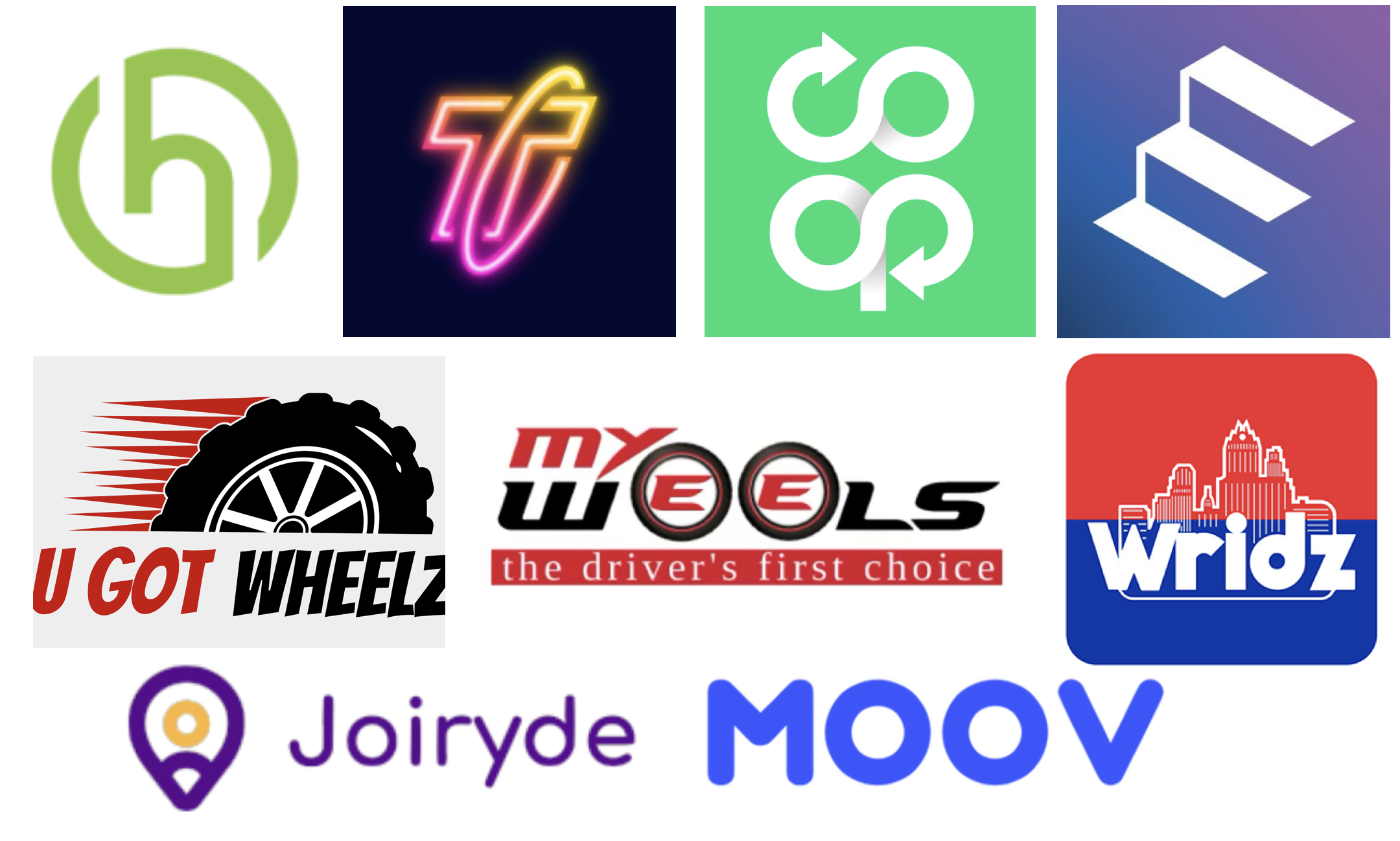
With Uber and Lyft set to leave the Twin Cities, at least 10 ride-hail companies are vying to fill the void, offering drivers and riders a seamless experience with apps and competitive rates. These companies, including Drivers Cooperative, Empower, Hich Minnesota, Joiryde, MOOV, MyWeels, Teleport, U Got Wheelz, and Wridz, are racing to launch operations in Minneapolis by May 1, when Uber and Lyft plan to end operations due to new minimum pay rates. The flood of alternative apps will bring competition and chaos as they jockey for a foothold in the market, while raising money for significant costs like background checks, licensing fees, and commercial insurance premiums.