Tag

Driver Pay

All articles tagged with #driver pay

Lyft Customer Saves $40 After $80 Charge by Asking Driver a Key Question

Originally Published 6 months ago — by Motor1.com

Featured image for Lyft Customer Saves $40 After $80 Charge by Asking Driver a Key Question
Source: Motor1.com

A TikToker shared a viral tip for saving money on Lyft rides by asking drivers how much they are paid, then offering to pay them directly, which can reduce the fare and benefit drivers. The article discusses Lyft's dynamic pricing, driver pay rates, and industry criticisms about underpayment, along with Lyft's efforts to increase driver earnings. The tip highlights potential ways to lower ride costs and improve driver compensation.
Minneapolis Delays Rideshare Minimum Wage, Keeping Uber and Lyft in the City

Originally Published 1 year ago — by The Associated Press

Featured image for Minneapolis Delays Rideshare Minimum Wage, Keeping Uber and Lyft in the City
Source: The Associated Press

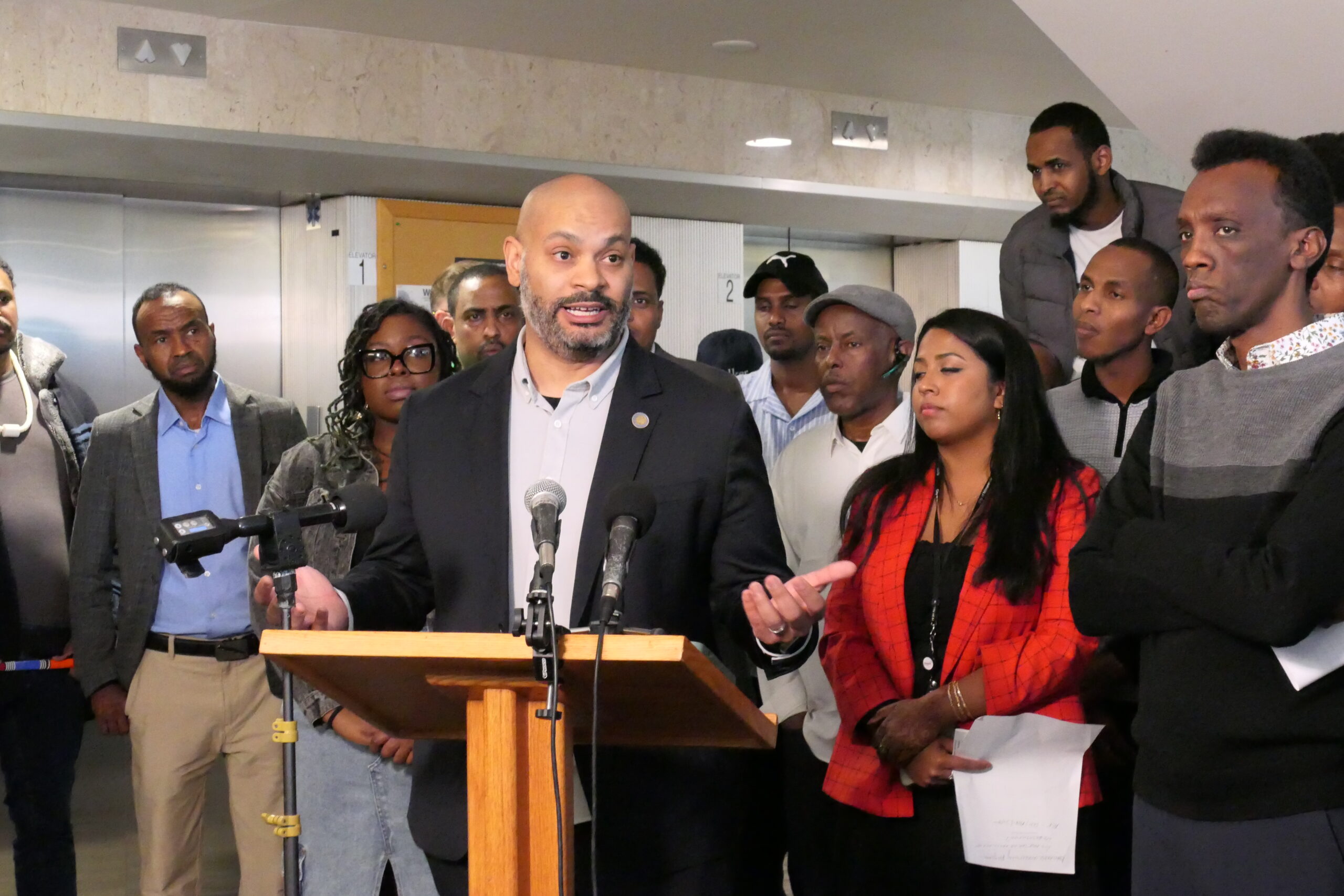
Uber and Lyft have delayed their plans to leave Minneapolis after city officials postponed the start of a driver pay raise by two months. The Minneapolis City Council voted to implement the ordinance on July 1 instead of May 1, aiming to ensure companies pay drivers the equivalent of the city’s minimum wage. Uber and Lyft representatives argue that the city's higher rate will make rides too expensive for most riders and ultimately lead to lower earnings for drivers. State legislators are considering preempting the city ordinance with a state law, while Uber and Lyft drivers in the area are divided on the issue.

Minneapolis City Council Delays Rideshare Minimum Wage Implementation to July 1

Originally Published 1 year ago — by Minnesota Reformer

Featured image for Minneapolis City Council Delays Rideshare Minimum Wage Implementation to July 1
Source: Minnesota Reformer

The Minneapolis City Council unanimously voted to delay the enactment of minimum pay rates for Uber and Lyft drivers for two months, offering a lifeline for Democratic legislators facing divisions over the issue. Legislative leaders fear the polarizing ride-hailing issue could disrupt the legislative session, which hangs on a one-vote majority in the Senate. The delay aims to allow for further study of state analysis on driver pay, provide breathing room for legislative leaders, and give alternative companies more time to launch. The decision comes amid pressure to reconsider the minimum rates, with concerns about the potential impact on drivers and transportation services in the city.

"Minneapolis Rideshare Compromise: Lyft's Solution to Wage Bill Dispute"

Originally Published 1 year ago — by Quartz

Featured image for "Minneapolis Rideshare Compromise: Lyft's Solution to Wage Bill Dispute"
Source: Quartz

Lyft has been resisting Minneapolis's efforts to raise driver pay to the city's $15.57 per hour minimum wage, even threatening to leave the city. However, the company is now signaling a willingness to compromise by suggesting a time-and-mileage-based wage that could raise driver earnings by 17%. This comes after a state government study found that drivers in the Twin Cities metro area earned a median pay of $13.63 after expenses and were three times more likely than other Minnesota workers to require assistance like food stamps or Medicaid. The Minneapolis city council had voted to establish a $15-an-hour minimum wage for app drivers, prompting Lyft and Uber to threaten to exit the city, but Lyft is now seeking to work with the council to find a solution.

Minneapolis Faces Ride-Hailing Void as Uber and Lyft Plan Exit

Originally Published 1 year ago — by View from the Wing

Featured image for Minneapolis Faces Ride-Hailing Void as Uber and Lyft Plan Exit
Source: View from the Wing

Uber and Lyft are set to leave Minneapolis due to new city rules on driver pay, which require minimum pay of $1.40 per mile and $0.51 per minute while transporting passengers, guaranteeing a minimum pay of $5 per ride, and mandating at least 80% pass-through of cancel fees. The companies argue that these rules would make operations unfeasible, while critics argue that the rules benefit cab companies and disadvantage consumers and drivers. This move echoes similar situations in Austin, where rideshare regulations led to the departure and eventual return of Uber and Lyft.