DoorDash's stock dropped over 14% after reporting mixed Q3 results, with earnings below estimates despite strong sales growth and demand. The company plans to significantly increase investments in new initiatives and platform development, which contributed to the stock decline. Despite recent pullbacks, DoorDash's shares have gained substantially year-to-date, reflecting investor confidence in its growth trajectory.
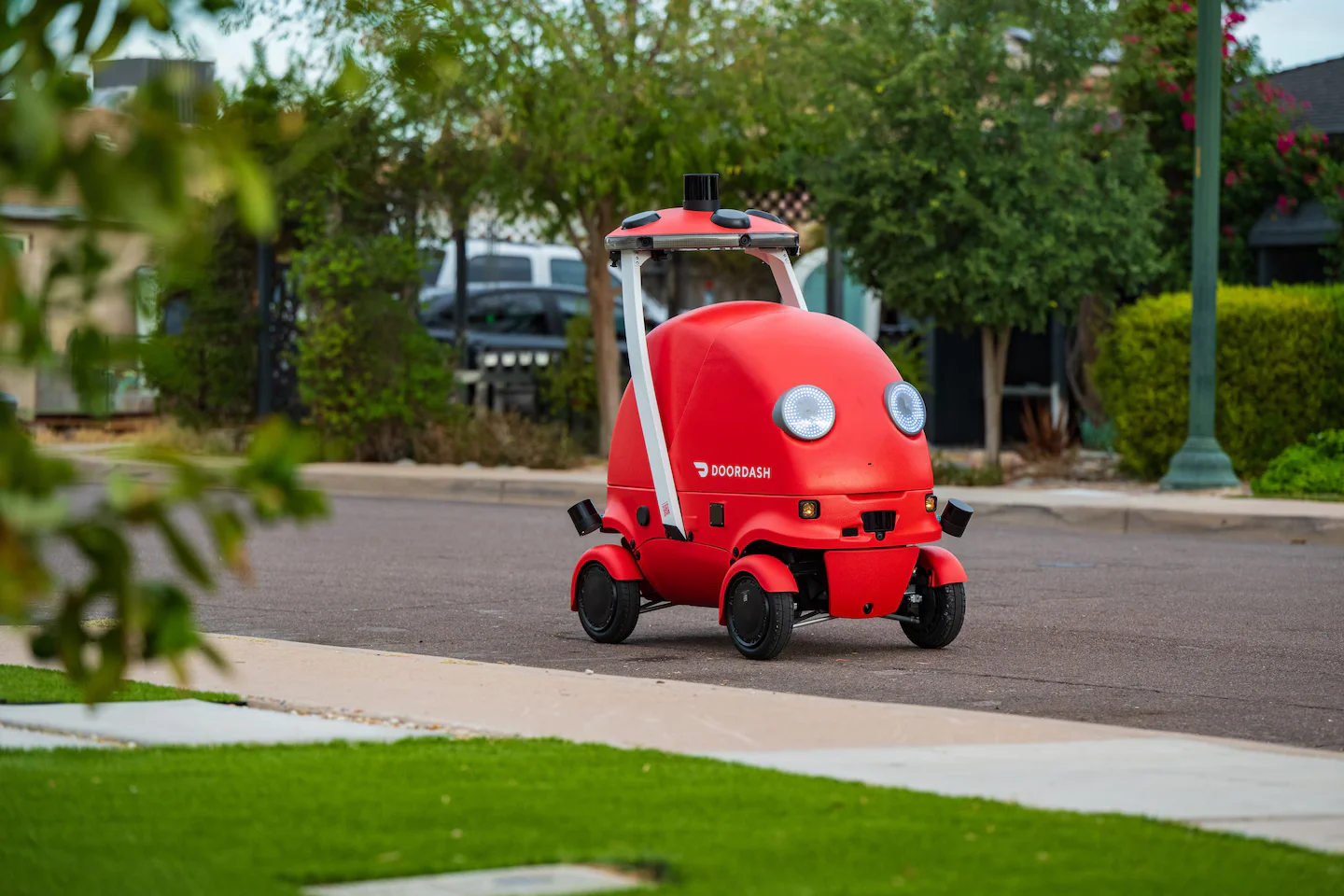
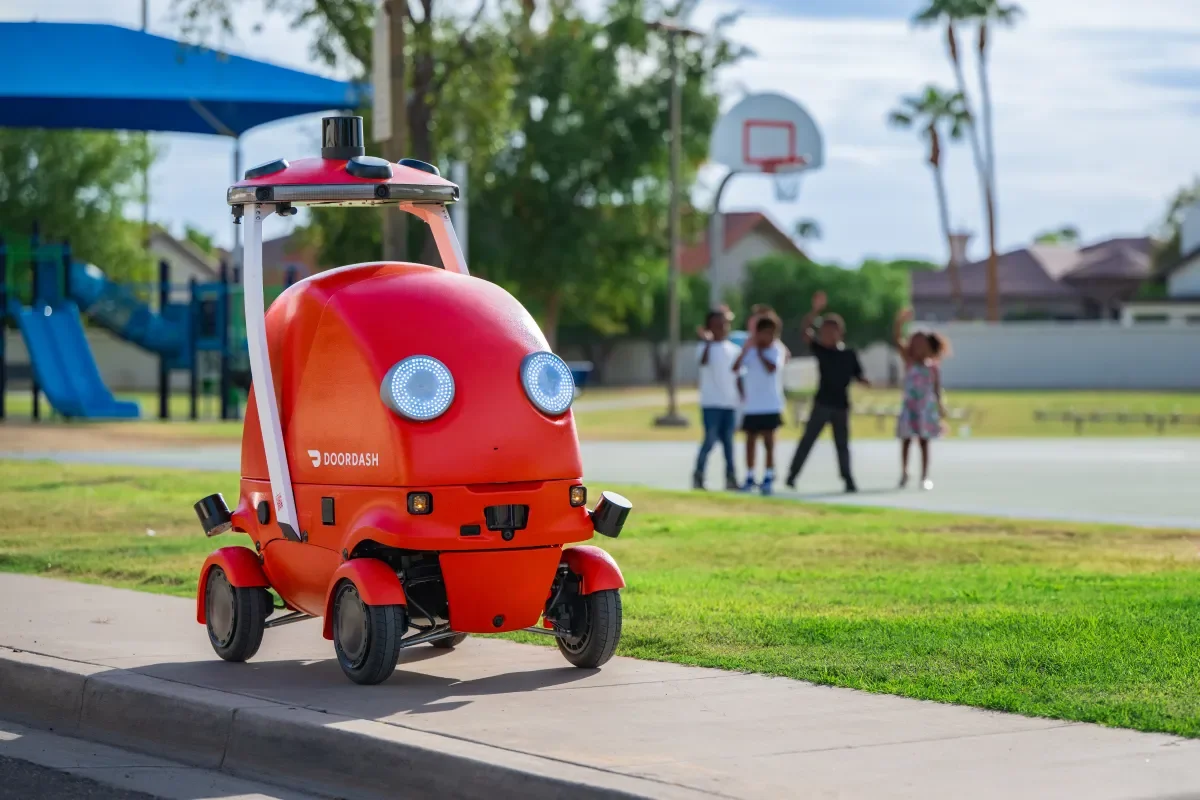
DoorDash has developed its first autonomous delivery robot named Dot, which can carry multiple pizzas and may soon be used for food and grocery delivery in suburban bike lanes.
DoorDash has introduced Dot, a small autonomous robot designed for food and package delivery, capable of navigating roads, bike lanes, and sidewalks at up to 20 mph. The robot, currently in testing in Phoenix, aims to revolutionize delivery by handling the first and last mile, with plans to expand to more regions by 2025. Despite safety and public perception challenges, DoorDash sees autonomous delivery as a significant future market and has invested years into developing Dot.
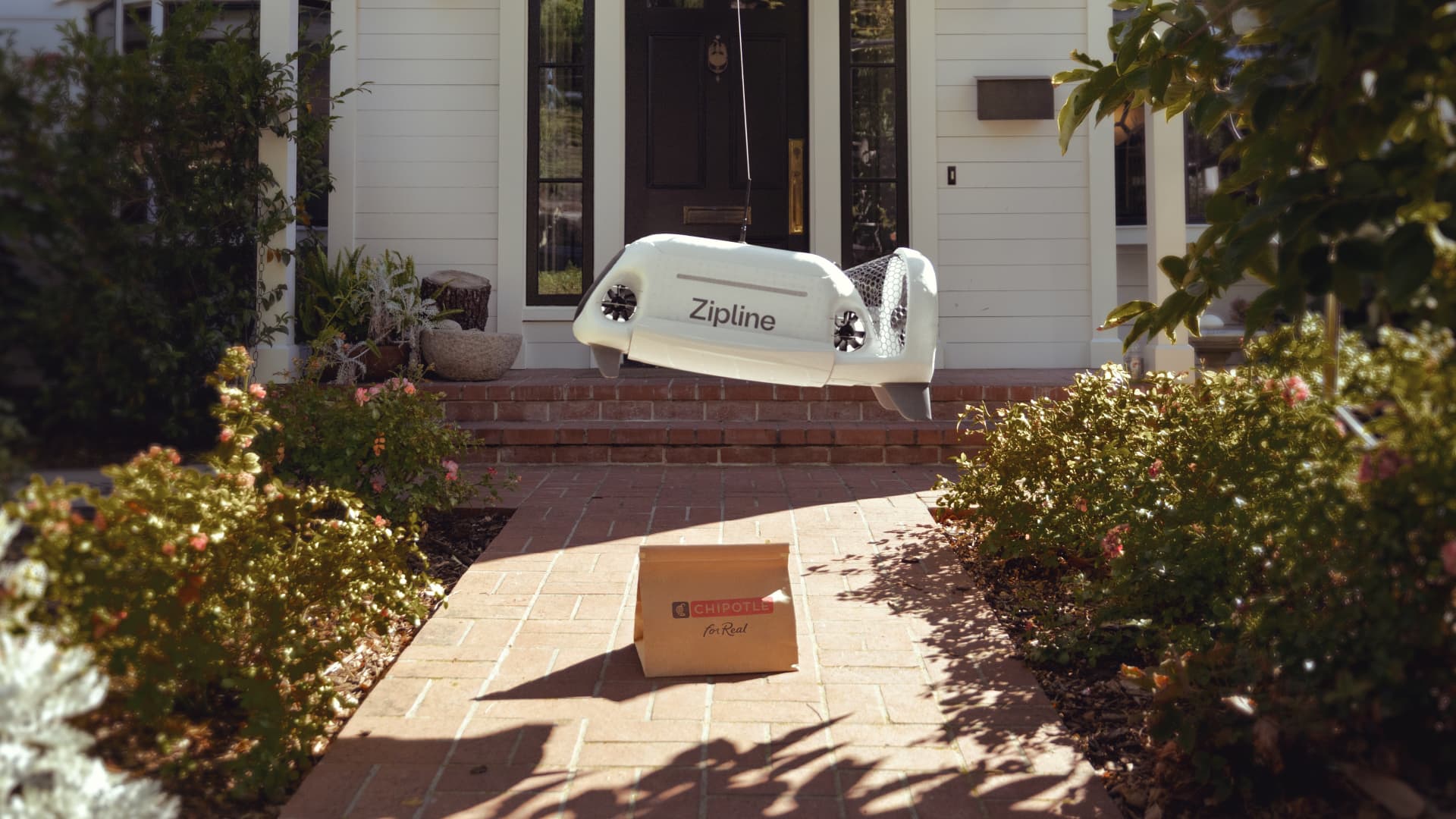
Chipotle is partnering with Zipline to test drone delivery in Dallas, allowing select customers to receive orders via autonomous aircraft from a local restaurant, with plans for broader rollout and potential expansion based on test results.
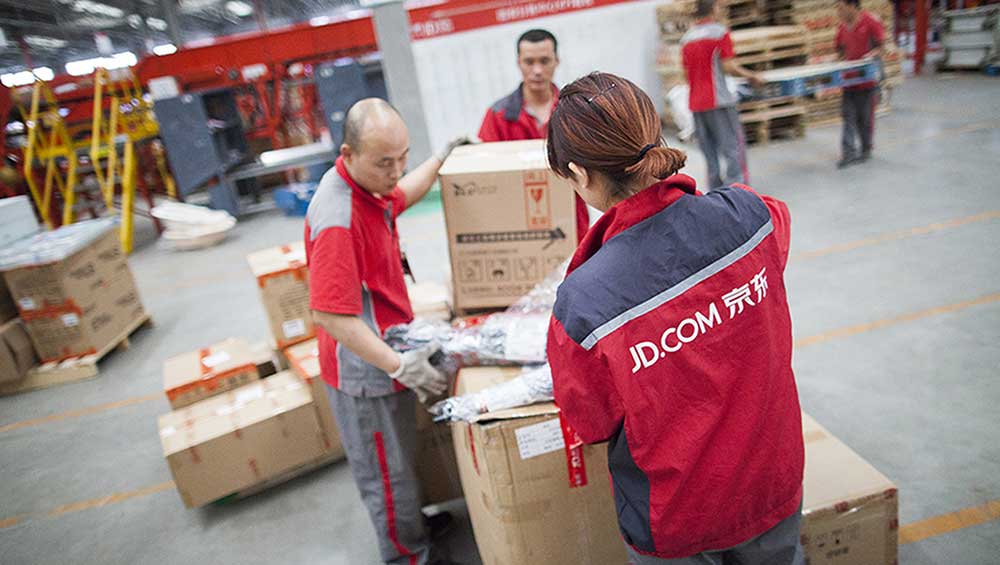
JD.com reported strong Q2 earnings with a 22.4% sales increase driven by growth in core retail and new food delivery services, marking its best sales growth since late 2021, but its stock declined over 2% amid concerns about profitability and slower AI-driven growth compared to Alibaba.
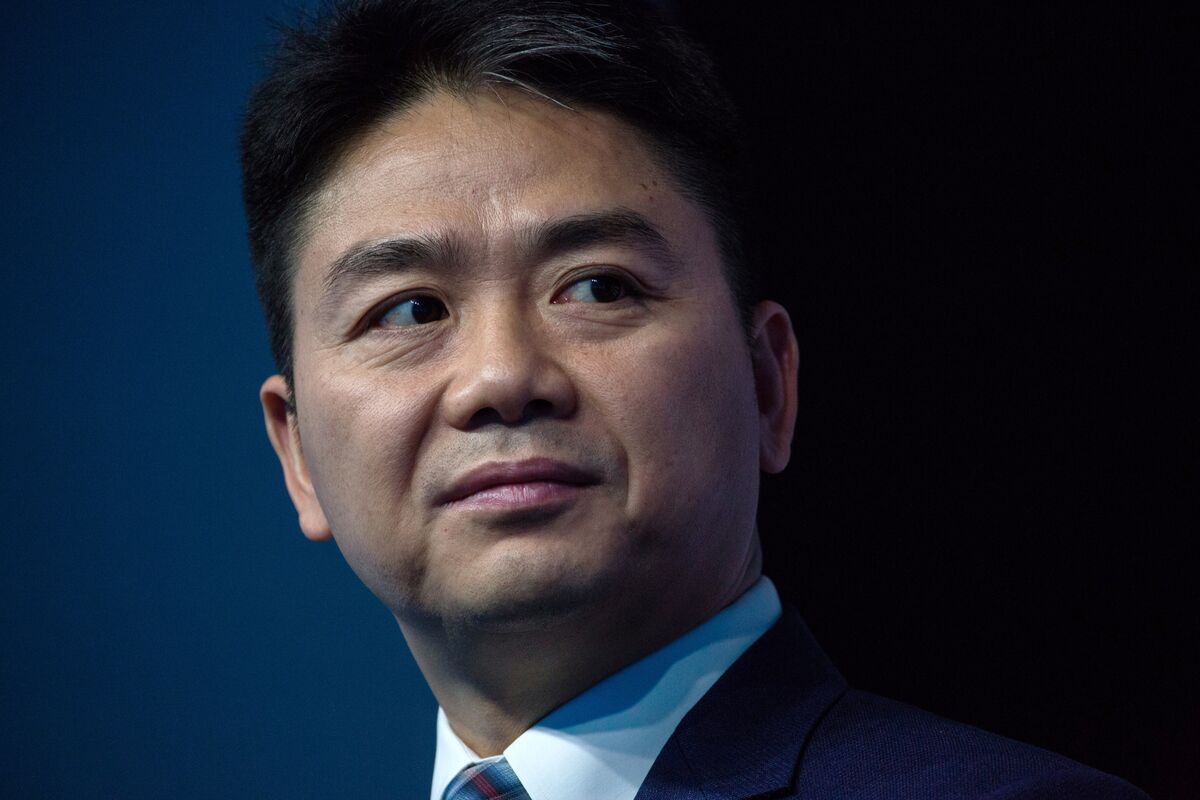
JD.com founder Richard Liu announced a strategic turnaround focusing on overseas expansion, competing with Meituan in food delivery and travel, leveraging its logistics network, and planning to enter European markets by 2026, amid a period of stagnation since 2020.
Travis Kalanick's new company Picnic is involved in a legal dispute with salad chain Mixt, which alleges that Picnic resold its salads without permission and engaged in deceptive pricing, while Picnic denies the claims and criticizes Mixt's reputation and customer preferences.
Just Eat Takeaway has sold its U.S. unit, Grubhub, to the food-delivery startup Wonder for $650 million, a significant drop from the $7.3 billion it paid in 2020. The sale, which includes $500 million in senior notes and $150 million in cash, comes after challenges such as slowing growth and regulatory issues. This move ends Just Eat Takeaway's troubled venture in the U.S. market, which resulted in a substantial loss of shareholder value.
Just Eat Takeaway has sold Grubhub to the food delivery startup Wonder for $650 million, a significant loss from the $7.3 billion it paid in 2021. The sale aims to boost Just Eat's cash generation and growth, while Wonder plans to integrate Grubhub's restaurant partners into its app. The deal reflects the challenges faced by food delivery platforms post-pandemic, as consumer demand shifts and competition intensifies.
New York-based startup Wonder is acquiring Chicago-based Grubhub for $650 million, a significant drop from the $7.3 billion Just Eat Takeaway paid in 2021. The sale, expected to close in early 2025, includes $500 million in senior notes and $150 million in cash. Grubhub has faced increased competition from Uber Eats and DoorDash, as well as restaurants managing their own deliveries. The acquisition aims to enhance Wonder's food delivery services, though the impact on Grubhub's Chicago operations remains unclear.
Just Eat Takeaway has agreed to sell its U.S. unit, Grubhub, to the food-delivery startup Wonder for $650 million, significantly less than the $7.3 billion it paid in 2020. The sale, which includes $500 million in senior notes and $150 million in cash, comes as Just Eat seeks to exit the U.S. market due to challenges like slowing growth and fee caps. The deal is expected to close in early 2025, and Just Eat's shares rose 20% following the announcement.
Just Eat Takeaway is selling its US arm, Grubhub, to Wonder for $650 million, marking a significant loss from its $7.3 billion purchase in 2020. The sale comes as Just Eat faces declining demand post-pandemic and increased competition. The deal, expected to close in early 2025, aims to enhance Just Eat's cash flow and growth, while Wonder plans to integrate Grubhub into its vision of a 'super app' for food delivery.
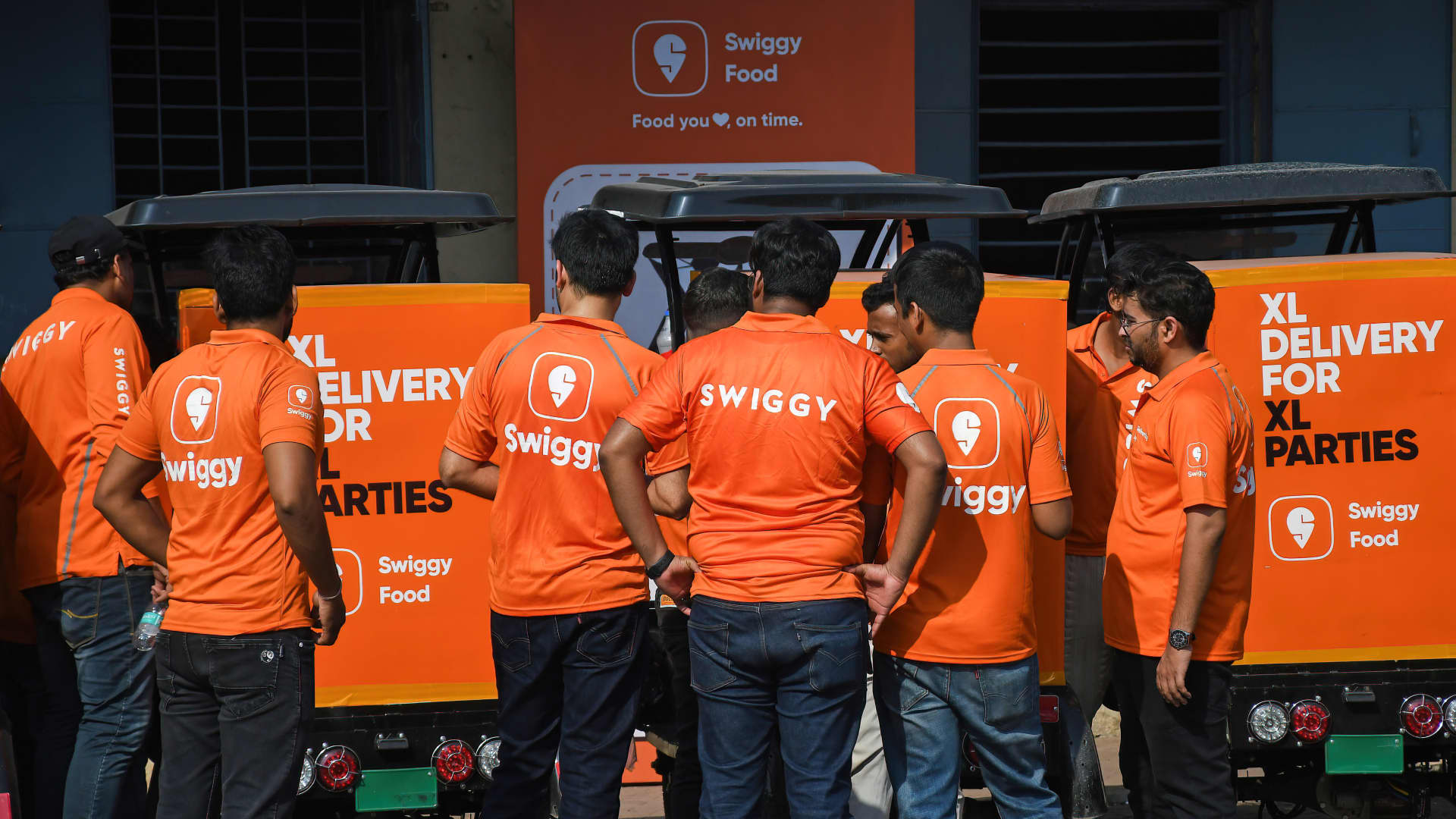
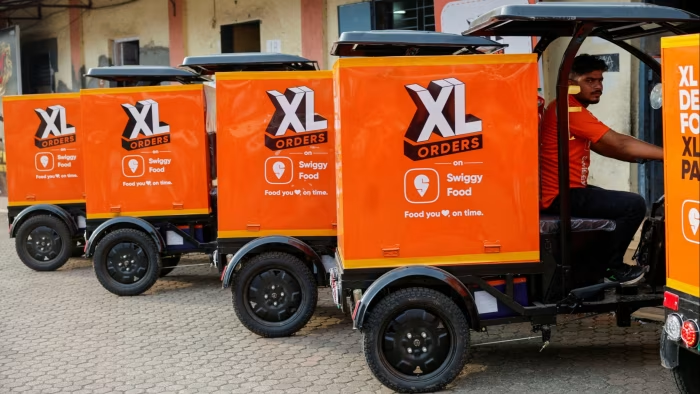
Swiggy, the Indian food delivery giant, saw its shares rise nearly 8% on its trading debut after completing the country's second-largest IPO of the year, raising 113.27 billion rupees ($1.34 billion). The IPO was oversubscribed more than three times, with strong interest from institutional and retail investors. Proceeds from the IPO will be used to pay down borrowings and fund potential acquisitions.
Grab Holdings has raised its fiscal 2024 revenue forecast, anticipating strong growth in its food delivery and ride-hailing services during the holiday season. The company's U.S.-listed shares rose over 10% following the announcement. Grab's CEO expressed optimism about Southeast Asia's growth potential, while the company reported third-quarter revenue of $716 million, surpassing expectations. The firm also increased its annual core profit forecast and highlighted the success of its premium ride offerings.
Swiggy's $1.3 billion IPO has received a lukewarm response from Indian investors, despite being oversubscribed by institutional investors. The company, valued at $11.2 billion, faces challenges in a competitive market dominated by Zomato and newer entrants like Zepto. Swiggy's losses have widened, and its IPO comes amid a downturn in the Indian stock market and weak corporate earnings. The company plans to use IPO proceeds to expand its quick commerce network, but analysts remain cautious about its growth prospects.