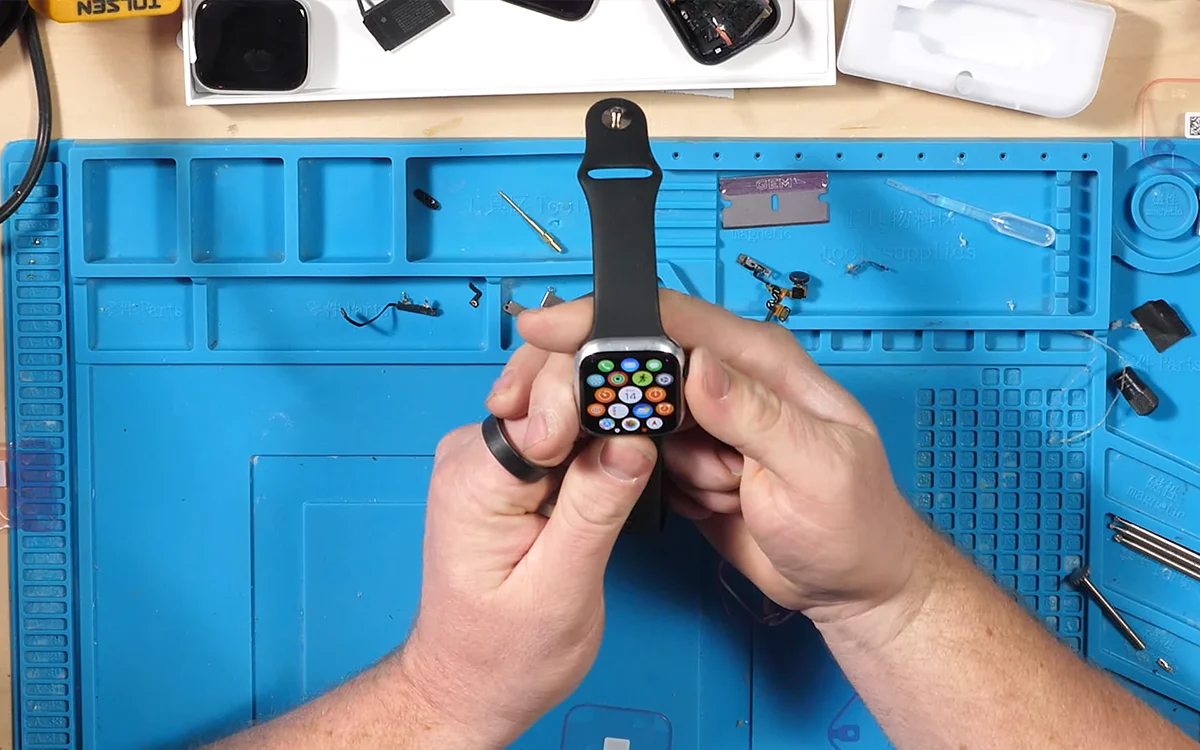
A YouTube creator in China built a near-identical Apple Watch from scratch in a week, collaborating with a team to reverse-engineer and assemble the hardware, then refining it at home, demonstrating a potential pathway for future custom tech modifications.
A group of modders has created an unofficial, native PC port of Mario Kart 64 that runs in 4K at 120 FPS with enhanced features, using reverse-engineered code and legal ROMs, raising questions about the legality and preservation of classic games.
An unofficial PC port of The Legend of Zelda: Majora’s Mask has been released by Harbour Masters, featuring HD graphics, high frame rates, ultra-widescreen resolution, and extensive modding support. This port, created through reverse engineering, offers deeper customization and more features compared to a recent recompilation port. Players need to provide their own legally-sourced N64 ROM to use the port.
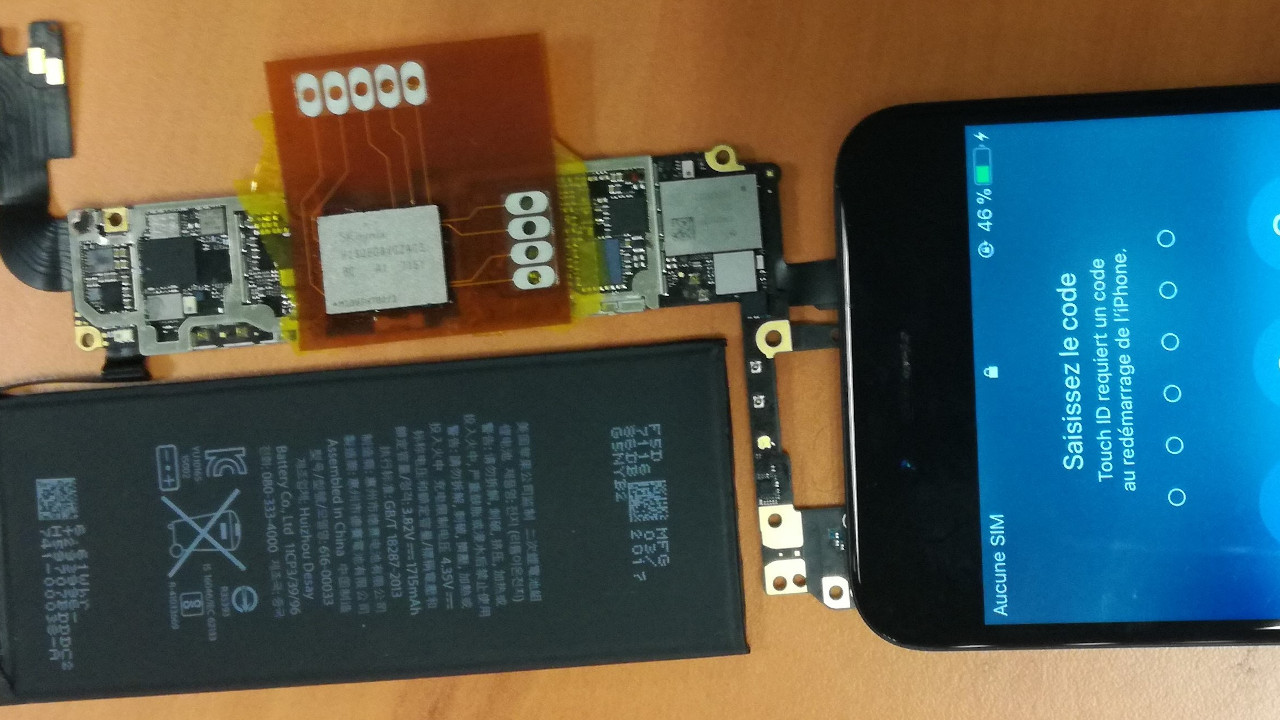
A research team successfully tapped into the NVMe chip of an iPhone 6S using a flexible printed circuit (FPC) BGA interposer, showcasing the process of accessing the chip's communications. The team, experienced in hardware reverse-engineering, detailed the steps involving BGA soldering and interposer creation, ultimately successfully booting the iPhone 6S and scoping the data lines. This development holds promise for further iOS and iPhone hardware reverse-engineering, and the researchers have a track record of exploring security research in various devices.
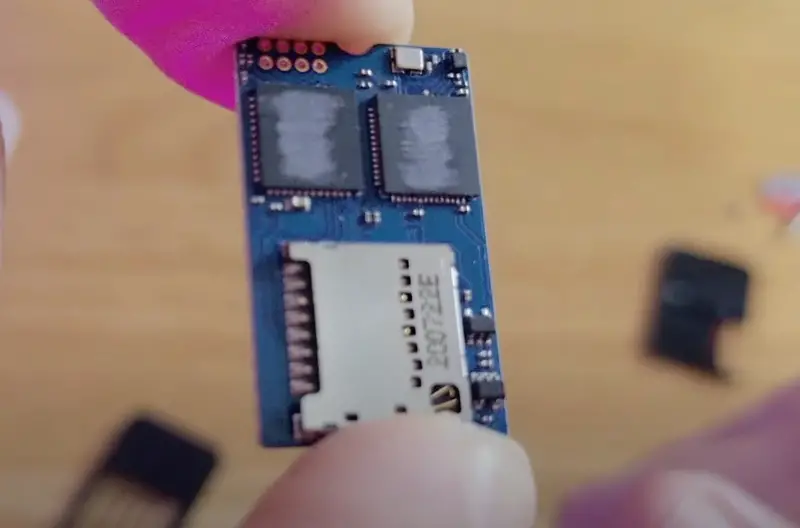
Reviewers have confirmed that the MIG Switch flashcart for Nintendo Switch works as expected, allowing the running of Switch game "backups" on any model, but concerns about the risk of bans from Nintendo remain. The device's primary purpose is seen as Switch game piracy, and questions persist about how Nintendo checks for abusive use of game certificates. Additionally, there is interest in reverse engineering the MIG Switch, although its limited usefulness may impact the extent of cloning efforts.
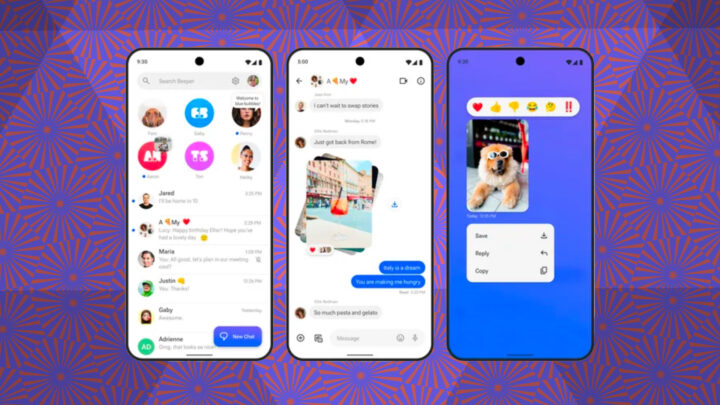
Beeper Mini is an Android app that claims to bring Apple's iMessage service to Android phones without relaying messages through a Mac device hosted in the cloud. The app, which costs $1.99 per month, supports texts, audio messages, images, videos, files, contacts, and location. It uses reverse engineering to register Android phones as genuine Apple products and send messages directly to Apple's servers. While Beeper Mini's compatibility with iMessage is impressive, Apple has announced plans to bring RCS messaging to iPhones, which may make Beeper Mini less appealing to Android users in the future.
Michael Cohen, former lawyer for Donald Trump, testified in court that he "reverse engineered" Trump's financial statements to inflate his assets and decrease his liabilities. Cohen's testimony is part of an ongoing investigation into Trump's business practices and potential financial misconduct.
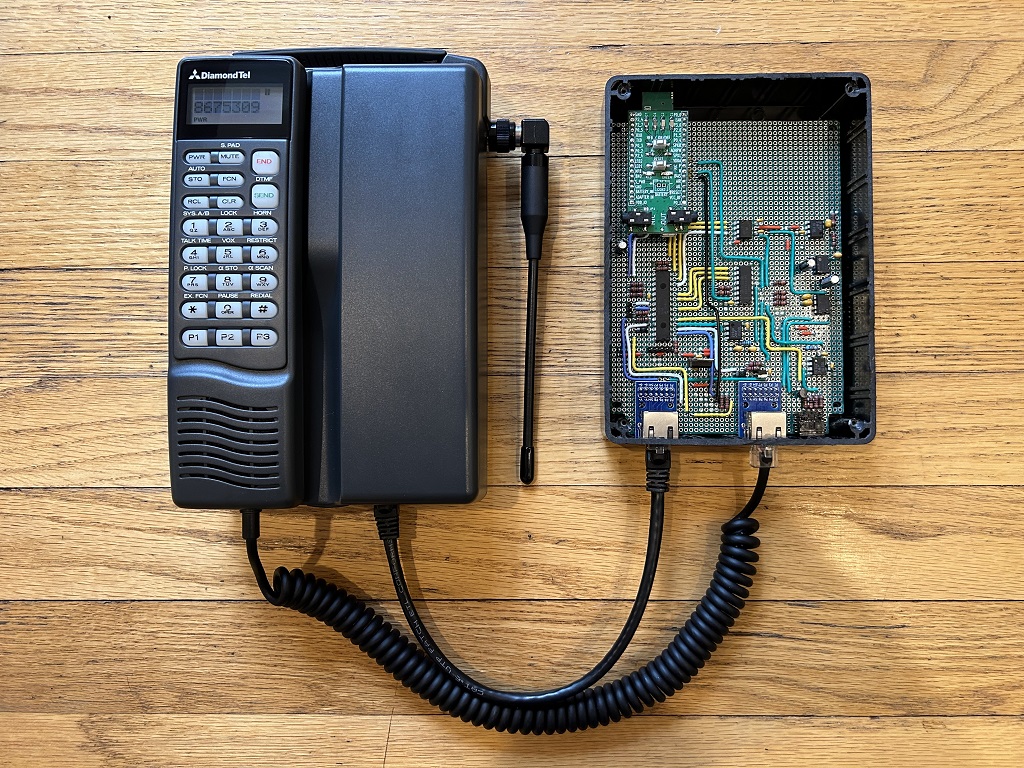
A Bluetooth adapter has been developed by Jeff Lau that allows a 1990s car phone to connect to a modern smartphone. The adapter is a plug-in module that hooks up to the phone’s base station in the trunk and communicates directly with all the existing systems. The main components of the upgrade kit are a BM62 Bluetooth module that connects to a modern phone, a PIC18F27Q43 microcontroller to implement the car phone’s interface and menus, and several analog chips to process the audio. The project’s GitHub page documents all of the findings, making it easy for anyone with a similar system to implement their own upgrades.