GOG has been sold by CD Projekt Red to co-founder Michał Kiciński for approximately $25.26 million, with the platform continuing to offer DRM-free games and maintaining its commitment to game preservation and user control, aligning with its original philosophy.
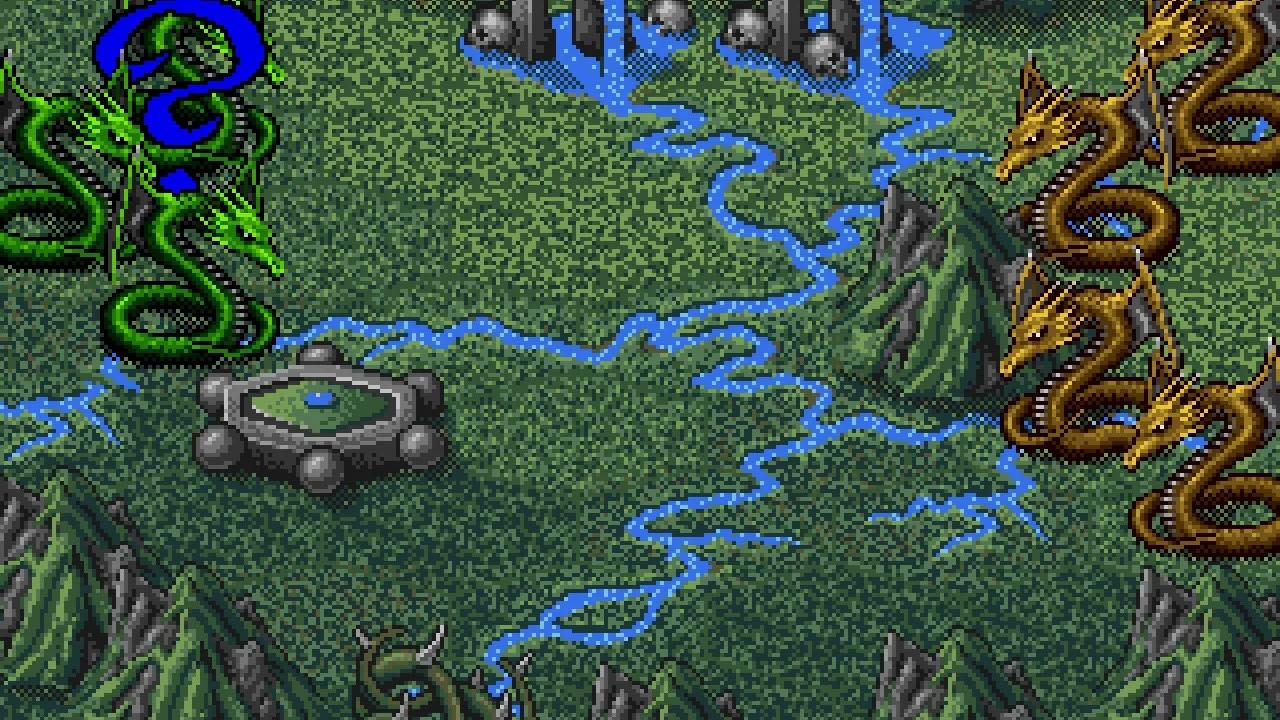
A prototype of the cancelled Sega Mega Drive RTS game 'Dark Empires,' featuring dragon battles across eras, has been released online by Hidden Palace, revealing early development insights and its possible influence on other games like Spyro the Dragon.
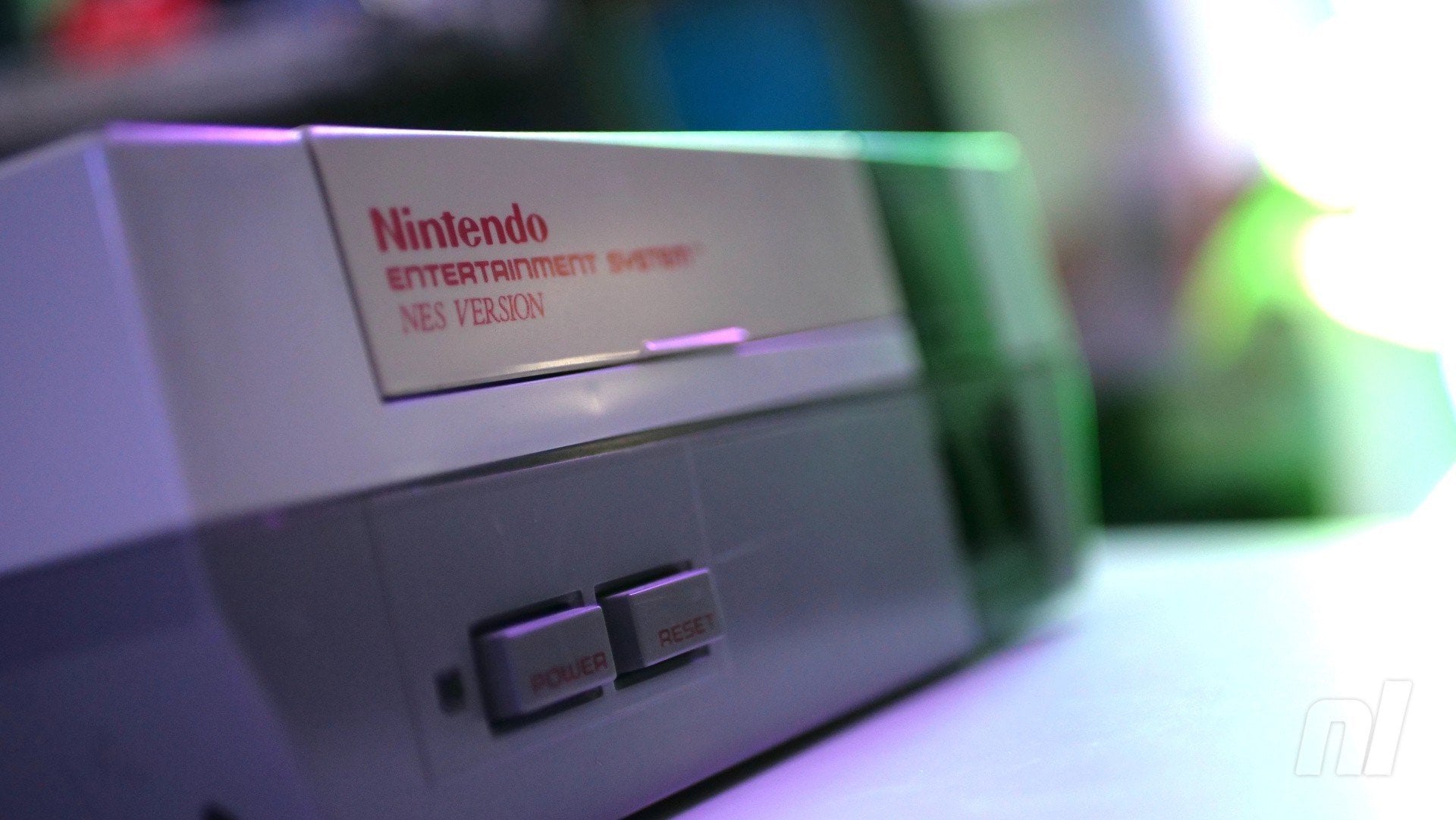
The NES celebrates its 40th anniversary, highlighting its historical significance and current ways to play its games, including modern options like Nintendo Switch Online, emulators, and original consoles, while noting a decline in new generations' familiarity and enthusiasm for the classic system.
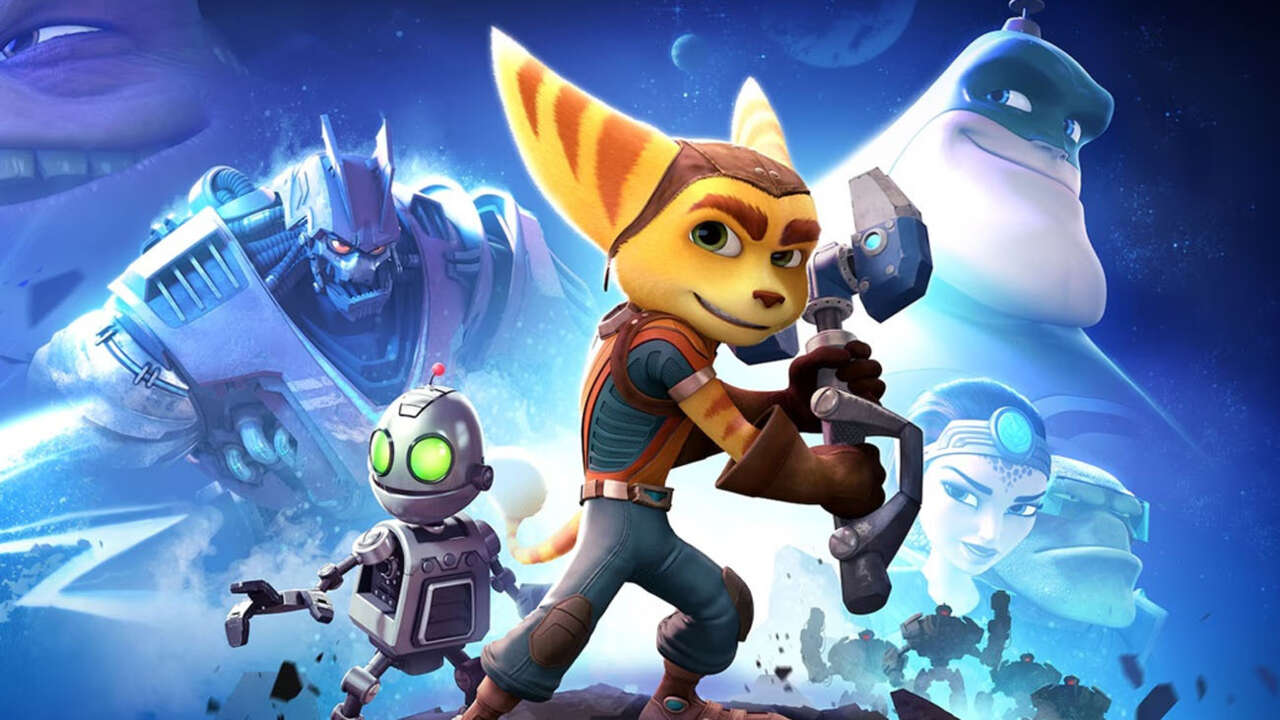
A previously canceled and unreleased Ratchet & Clank game, Clone Home, has been found and preserved online after a years-long search, revealing new insights into the franchise's history and development.
A fully playable, long-lost mobile game called Ratchet & Clank: Clone Home has been recovered after years of searching, revealing a unique and eccentric addition to the Ratchet & Clank series, developed possibly by JavaGround and briefly available on mobile networks before being canceled, now celebrated by fans and preservationists.
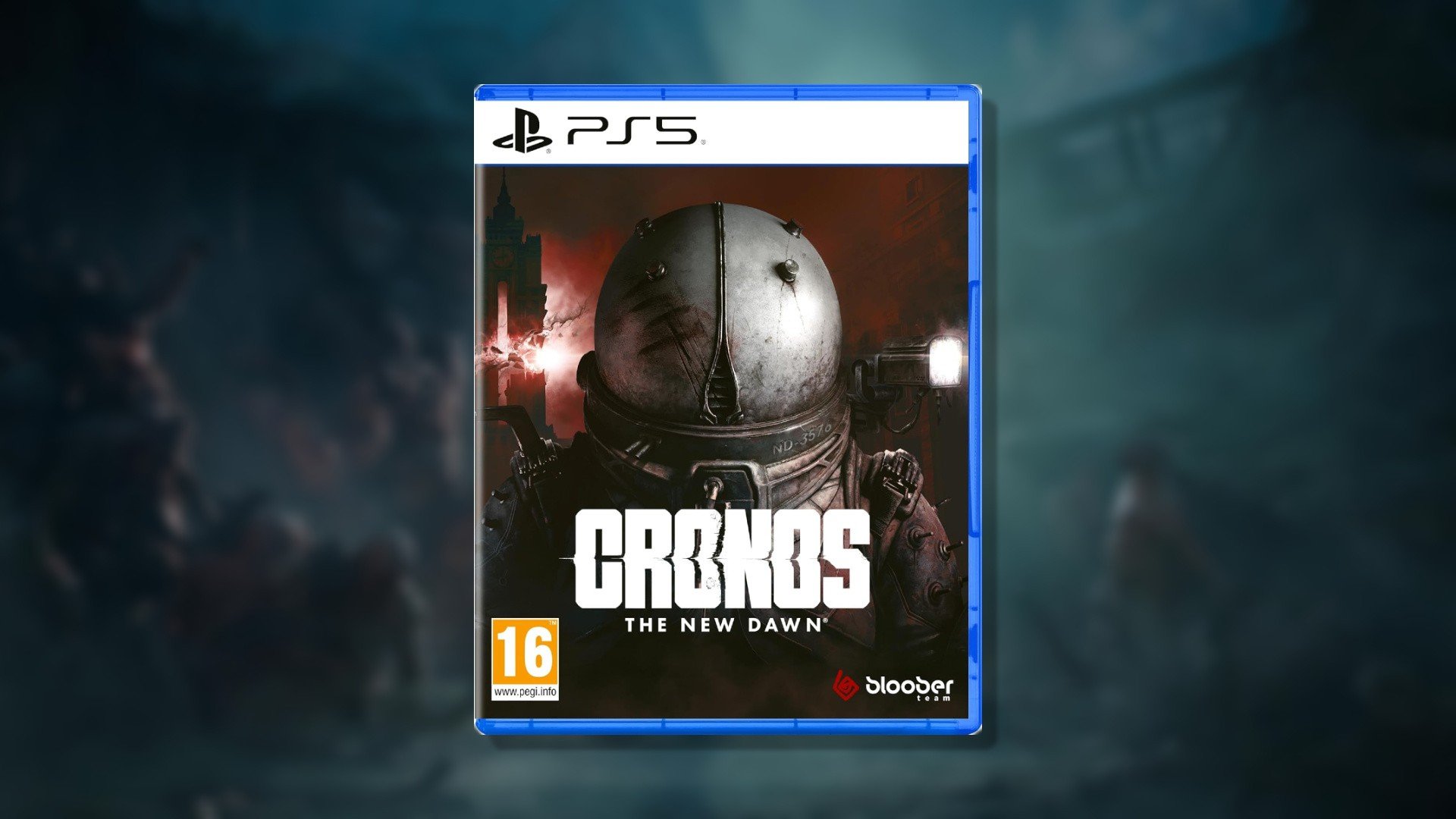
The horror game Cronos: The New Dawn will only have a physical release on PS5, with other consoles like Switch 2 and Xbox opting for digital or cartridge formats that lack data storage, raising concerns about game preservation and physical ownership.
Nintendo is conducting a survey to gauge player preferences for Switch 2 game purchases, including controversial game-key cards that allow reselling and system sharing. The survey explores past buying habits, resale behavior, and preferences between physical and digital formats. Critics argue the game-key card system undermines game preservation and consumer rights, drawing criticism from industry figures.
Nintendo is conducting a survey to gauge community opinions on physical versus digital game formats, amid controversy over its use of game key-cards for Switch 2 releases, which resemble cartridges but require digital downloads and raise concerns about game ownership and preservation.
Ubisoft CEO Yves Guillemot addressed the Stop Killing Games movement, which criticizes publishers for shutting down older games like The Crew, highlighting that game services are not meant to last forever and discussing industry efforts to minimize impact on players. The movement gained traction after Ubisoft's decision to sunset The Crew, and other companies like BioWare and Sony have also shut down older titles, raising questions about game preservation and consumer rights.
Ubisoft CEO Yves Guillemot addressed concerns raised by the Stop Killing Games petition at a shareholder meeting, acknowledging the industry's challenge in maintaining game accessibility after support ends, and highlighting efforts to support game preservation and offline access, while noting that discontinuation is a broader industry issue.
Ubisoft shareholders are urging the company to respond to the Stop Killing Games movement, which protests the discontinuation of online games and the removal of purchased content, highlighting concerns over game preservation and consumer rights. Ubisoft's CEO defends the company's support policies, but critics argue for more responsible end-of-life plans for online games. The movement has gained significant signatures and political attention, raising questions about industry practices and consumer protections.
John Wick Hex will be delisted from all platforms on July 17 due to unspecified licensing issues, but existing owners can still download and play the game; physical copies will also remain playable. The developer and publisher did not specify the reason for the removal, raising concerns about game preservation and access.
Minecraft creator Markus Persson argues that piracy is not theft if buying a game isn't considered a purchase, especially in the context of games being shut down and the movement to preserve game access. He suggests that pirating isn't stealing because it doesn't reduce the original copy, and highlights the importance of self-hosted servers for game longevity.
The 'Stop Killing Games' campaign, which has gained over 1.2 million signatures, advocates for regulations to prevent online games from becoming permanently unplayable after server shutdowns. While game publishers and industry groups defend current practices citing costs and security concerns, the campaign highlights legal and ethical debates about consumer rights and game preservation, especially in Europe where laws are less clear than in the US.
The Stop Killing Games initiative, advocating for game preservation and the right to keep playable copies of purchased games, has gained over 1 million signatures in the EU, prompting major publishers represented by Video Games Europe to oppose the proposals, citing costs and technical challenges. The petition aims to influence EU policy, but publishers argue that discontinuing online services is sometimes necessary and that private servers pose security and legal issues. The UK petition has also gained significant support, potentially leading to a parliamentary debate.