Enabling the native NVMe driver in Windows 11, which is currently only available in Windows Server 2025, can significantly improve random read/write speeds of NVMe SSDs, with gains up to 85%, though the process involves risks and bugs. Microsoft is encouraged to release this driver for mainstream Windows versions to unlock full SSD performance.
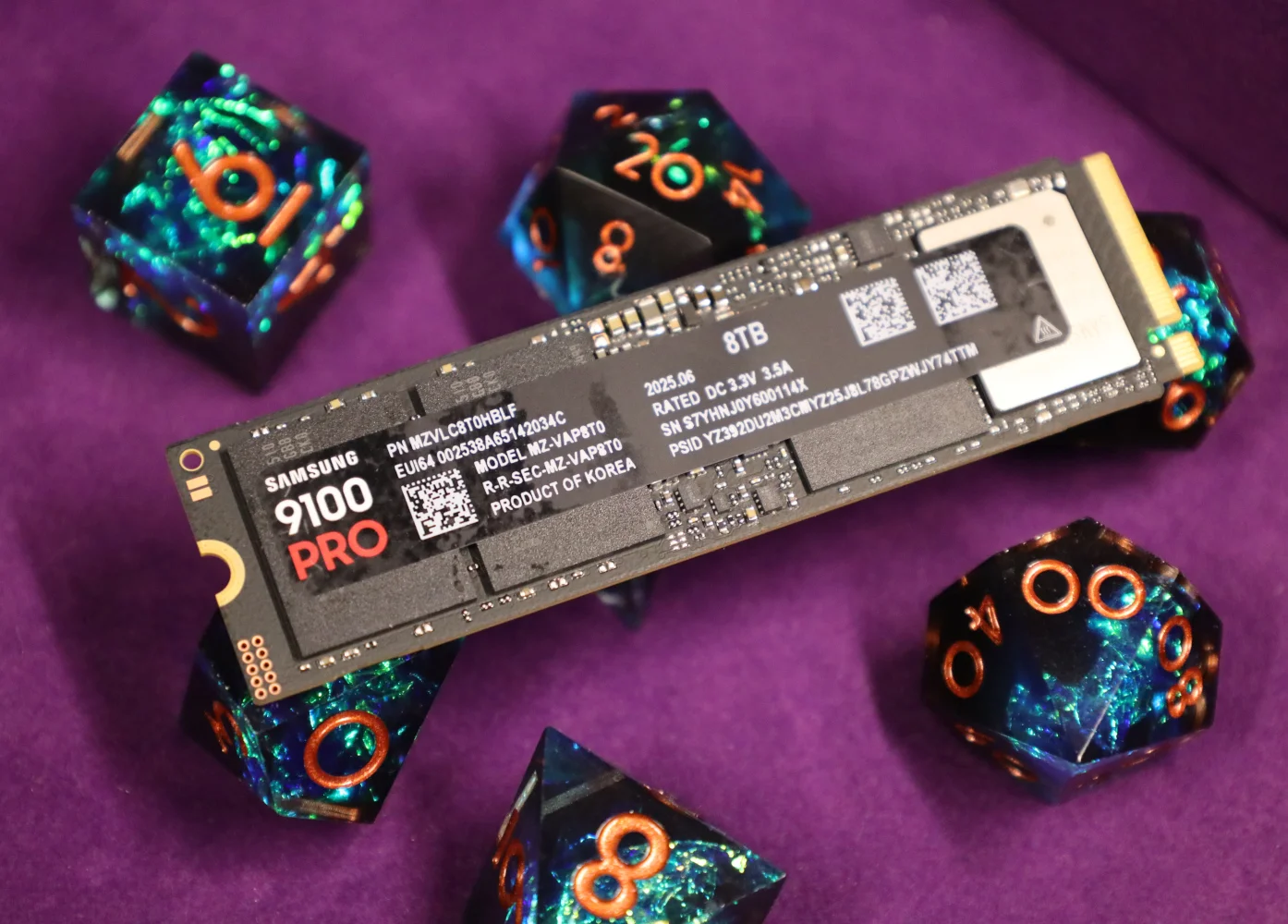
Samsung's new 9100 PRO 8TB PCIe Gen5 NVMe SSD offers high capacity and top-tier performance, with sequential read speeds of 14,800 MB/s and write speeds of 13,400 MB/s, along with a 5-year warranty and high endurance rating of 4800 TBW, making it a leading choice for high-performance storage.
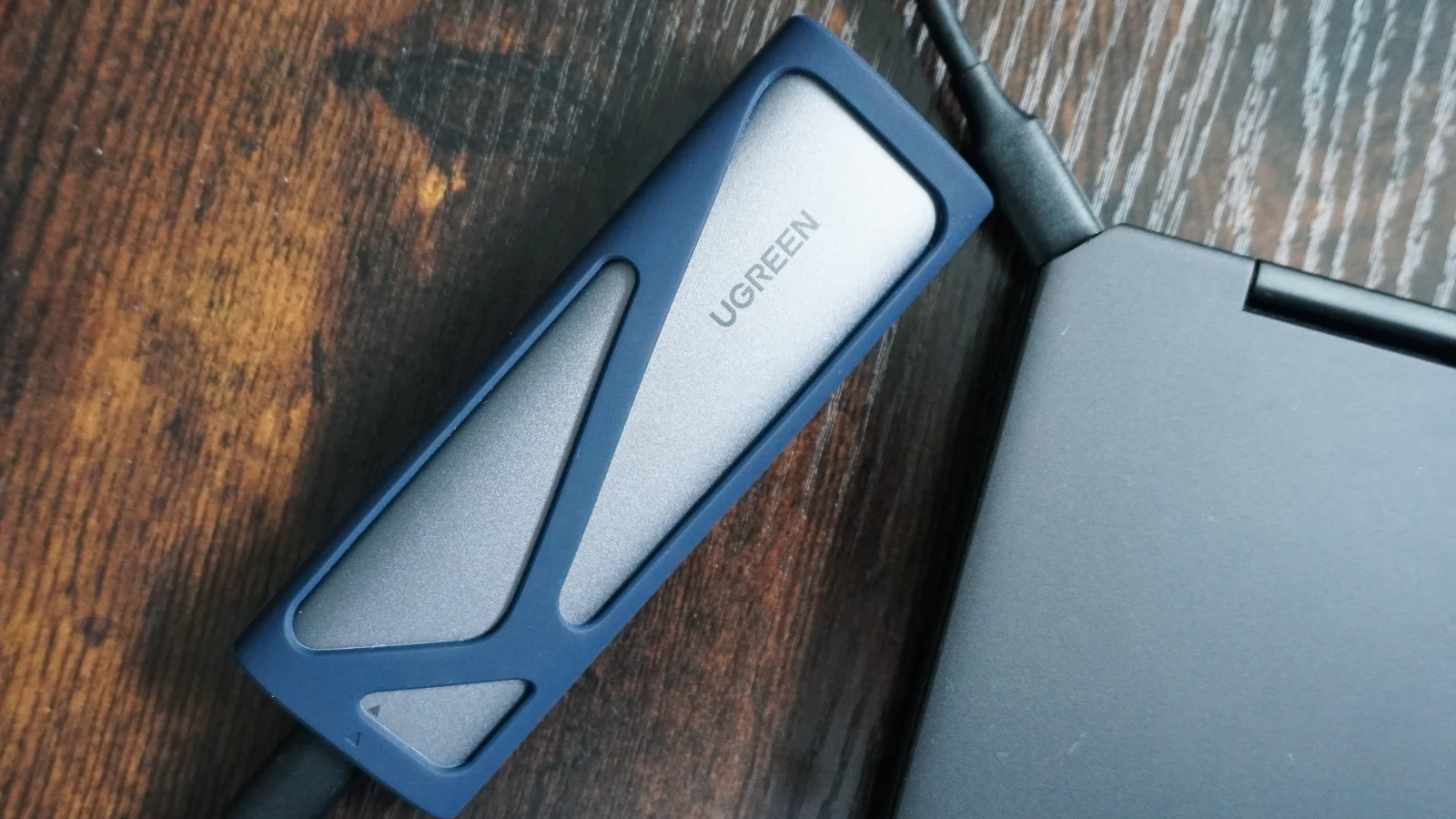
The article reveals a cost-effective method for portable storage by using an NVMe SSD and enclosure, which is cheaper, repairable, and offers comparable performance to high-end portable SSDs, making it a smart choice for budget-conscious users.
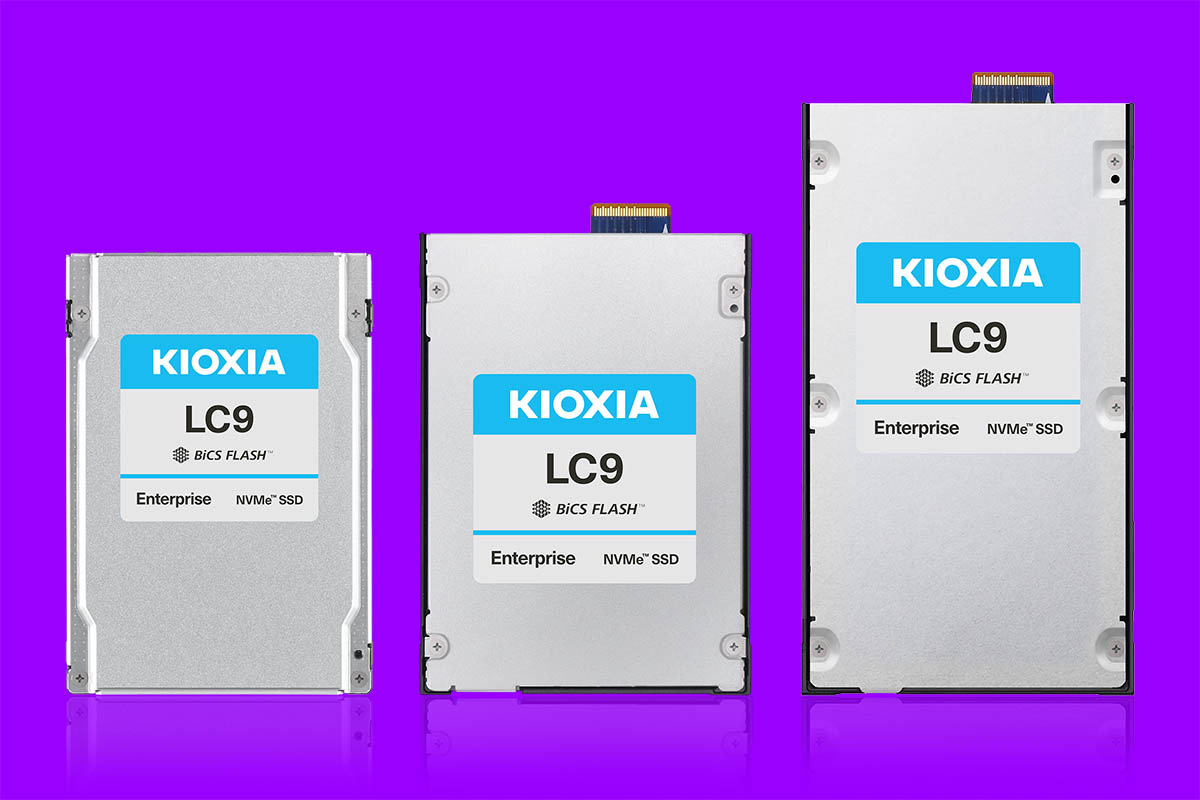
Kioxia has developed the LC9 SSD with a record-breaking capacity of 245.76TB in a 2.5-inch form factor, utilizing stacked 2Tb QLC NAND dies, aiming to replace traditional hard drives with high-capacity SSDs for sequential read/write workloads.
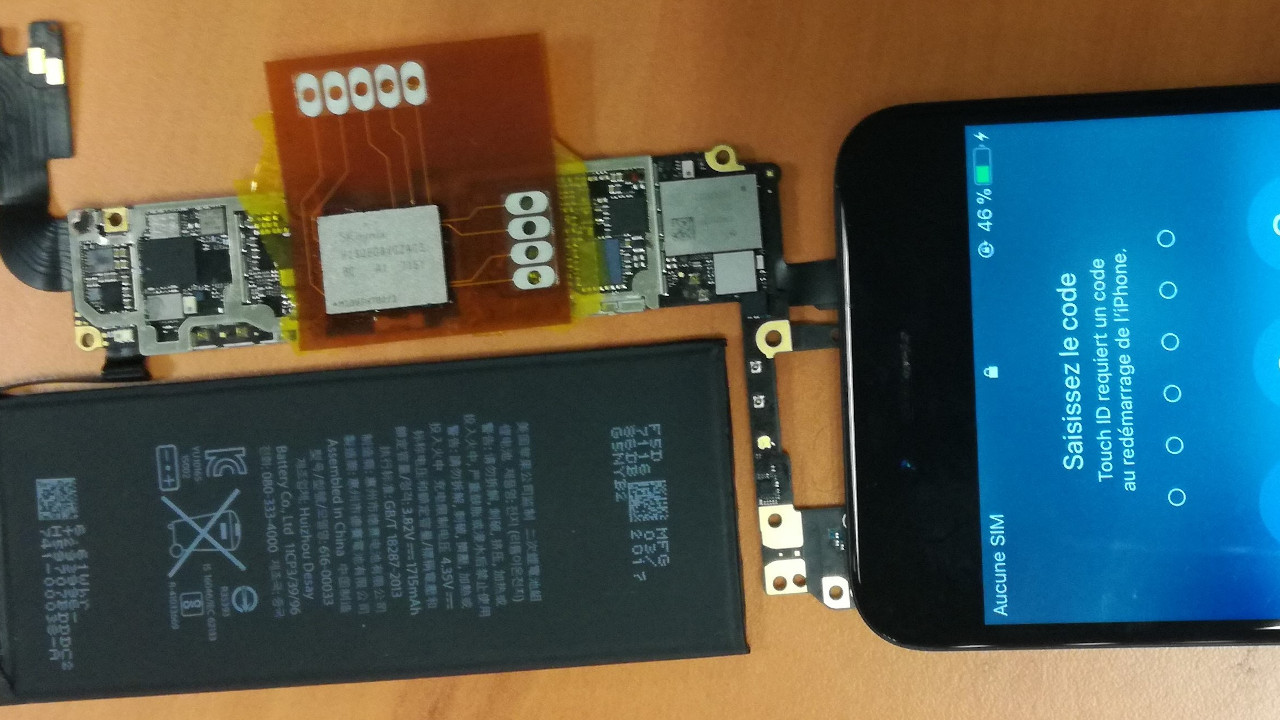
A research team successfully tapped into the NVMe chip of an iPhone 6S using a flexible printed circuit (FPC) BGA interposer, showcasing the process of accessing the chip's communications. The team, experienced in hardware reverse-engineering, detailed the steps involving BGA soldering and interposer creation, ultimately successfully booting the iPhone 6S and scoping the data lines. This development holds promise for further iOS and iPhone hardware reverse-engineering, and the researchers have a track record of exploring security research in various devices.
When buying an SSD, consider the form factor (SATA or NVMe) based on your motherboard and the desired read/write speeds. SATA SSDs are slower but still provide an upgrade over HDDs, while NVMe SSDs offer significantly faster speeds. Choose a capacity starting at 512GB, with 1TB being the gold standard for power users. Consider the durability in terms of terabytes written (TBW) and mean time to failure (MTTF/MTBF). Pay attention to read/write speeds, which impact overall performance. Prices for SSDs have become more affordable, with SATA and PCIe 3.0 NVMe SSDs costing similar amounts. Ultimately, choose an SSD that suits your needs and budget, prioritizing form factor, capacity, and read/write speeds.
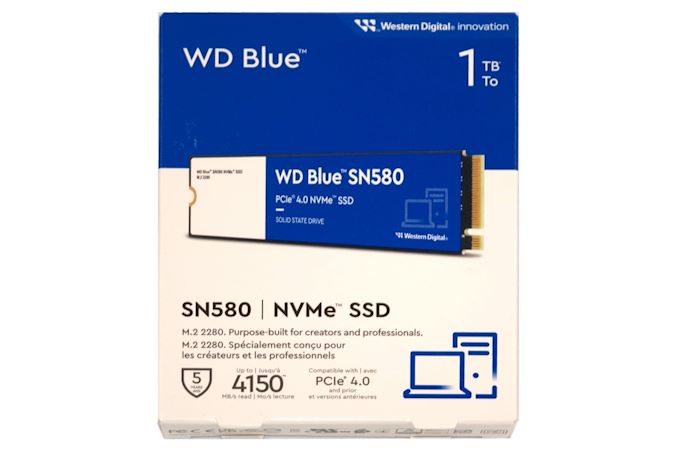
Western Digital has introduced the SN580 NVMe SSD, the latest addition to its mainstream WD Blue series. This DRAM-less PCIe 4.0 x4 drive offers performance improvements over its predecessor, the SN570, and is optimized for quick application launches and high responsiveness. With its power efficiency and low-end performance goal, the SN580 is suitable for battery-operated systems. The SN580 is available in capacities ranging from 250GB to 2TB, features a 5-year warranty, and utilizes 3D TLC NAND flash. The pricing starts as low as 5.5 cents per GB.
Corsair has launched its first PCIe 5.0 SSD, the MP700, with sequential speeds up to 10,000 MB/s and a Phison PS5026-E26 PCIe 5.0 SSD controller. The MP700 features Micron 232-layer 3D TLC NAND and a double-side design, and comes in 1 TB and 2 TB versions. The SSD is dependent on a cooler to hit its maximum potential, especially during prolonged workloads, and is recommended to use the motherboard's integrated M.2 heatsink or an aftermarket M.2 SSD cooler. The MP700 is available on Corsair's website and authorized worldwide retailers and distributors, with prices starting at $169.99.
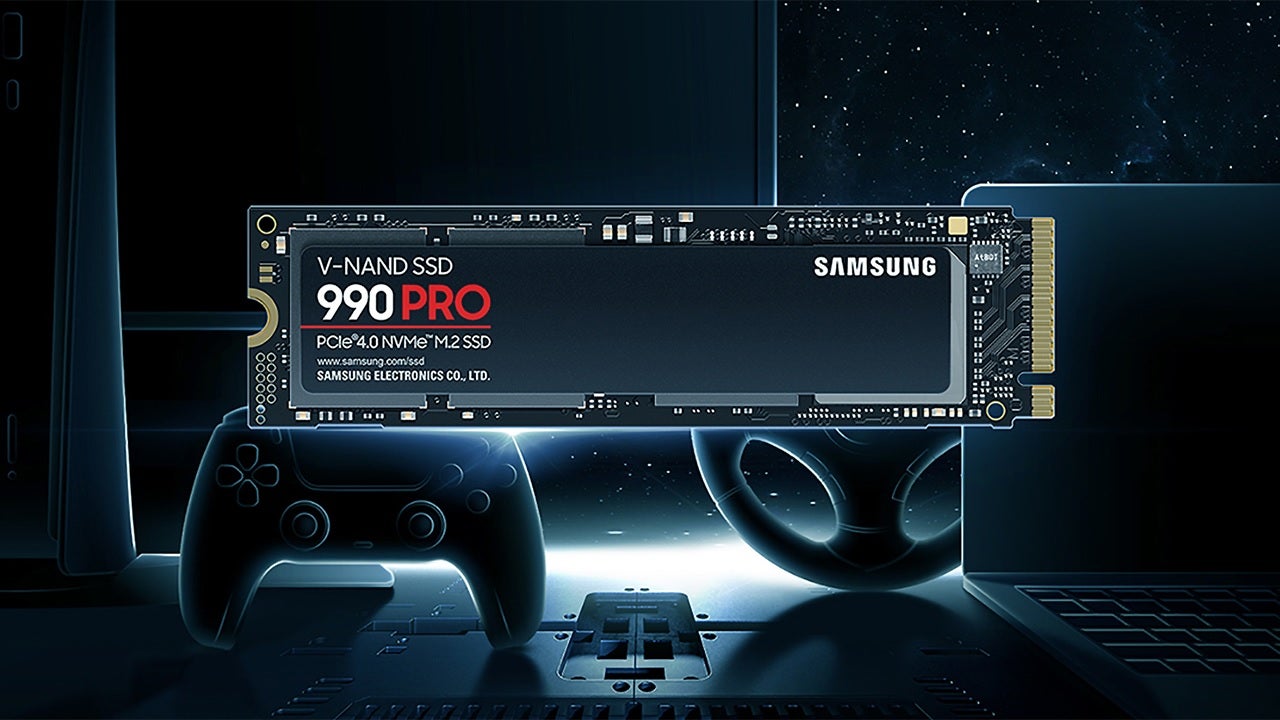
Samsung's flagship 2TB 990 Pro PCIe 4.0 NVMe SSD, one of the fastest on the market, has dropped in price to $143.99 with an additional 20% off coupon code SSD990LCS. The SSD boasts sequential speeds of 7,450MB/s read and 6,900MB/s write and random speeds of 1400K/1550K IOPS. It is compatible with the PS5, but a heatsink is recommended. This deal makes it the least expensive top-tier SSD on the market.