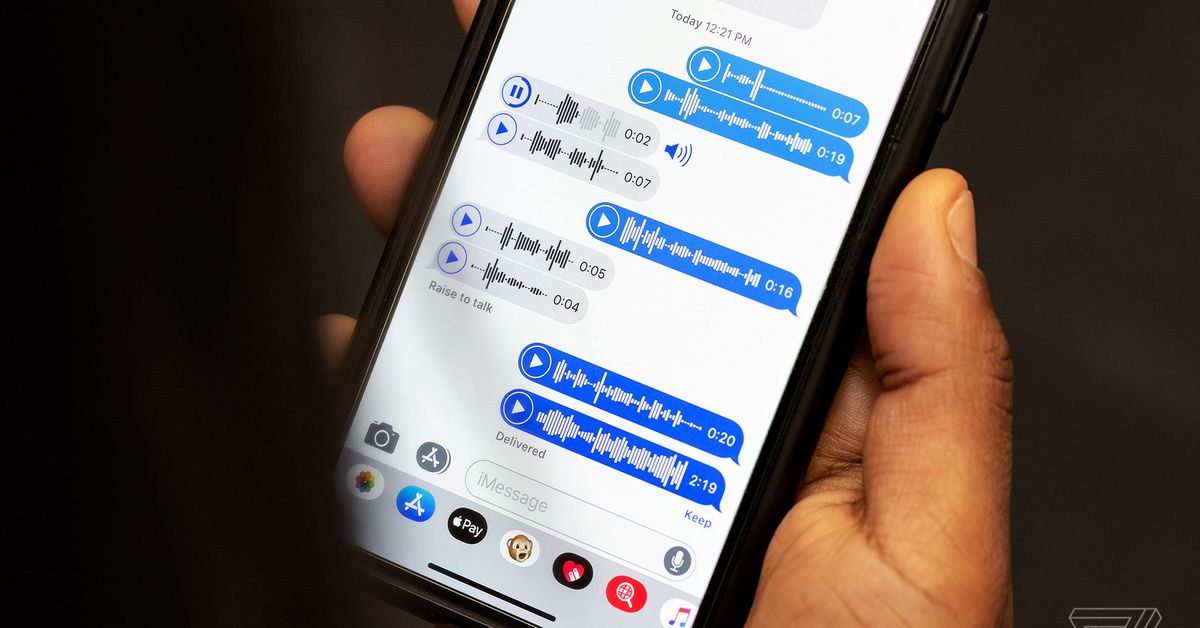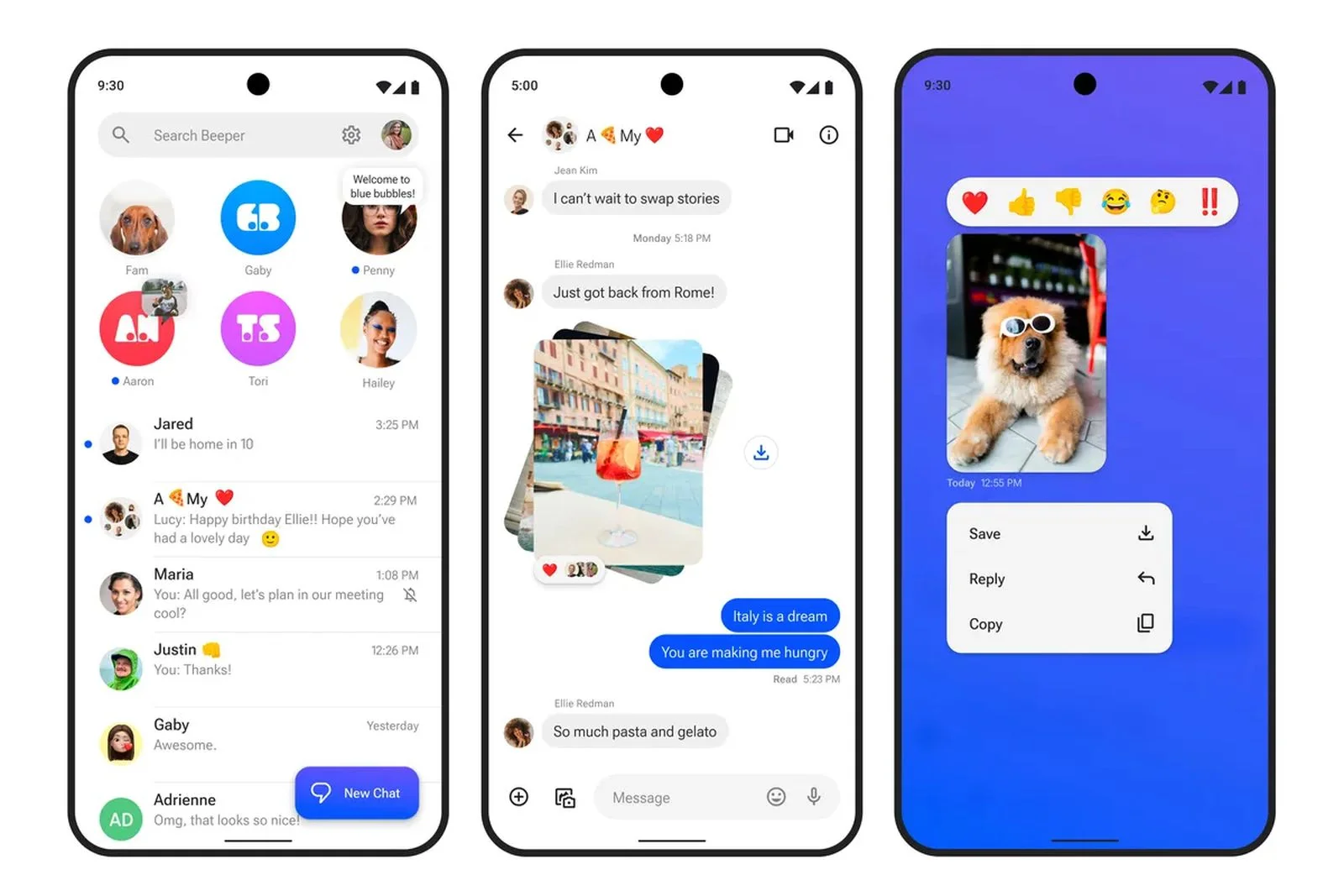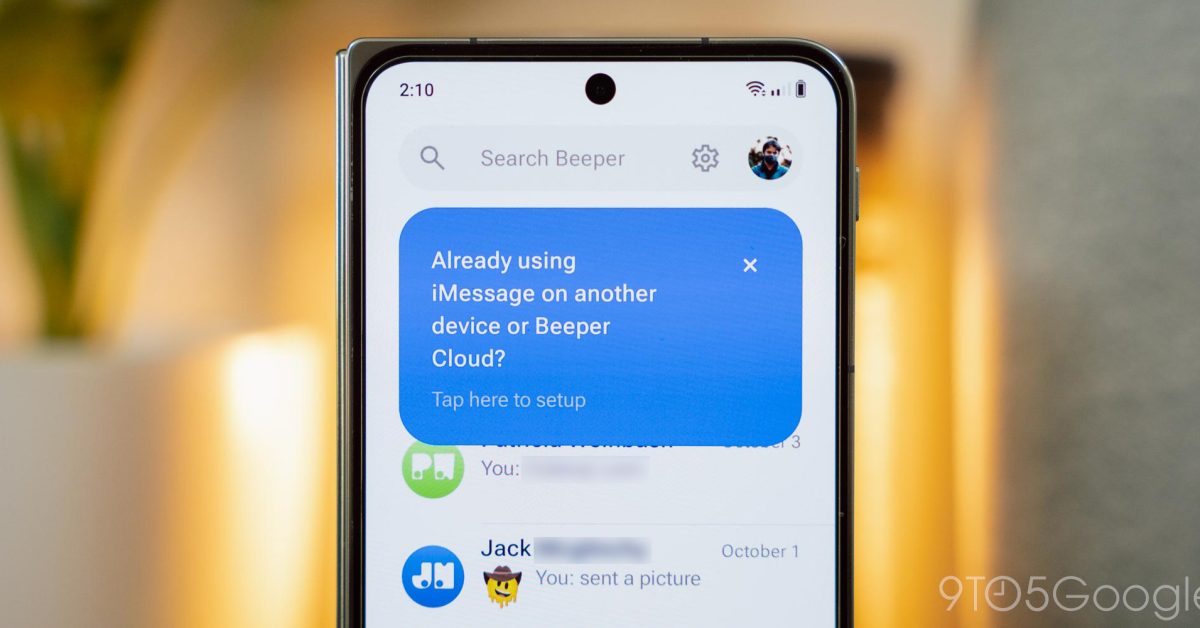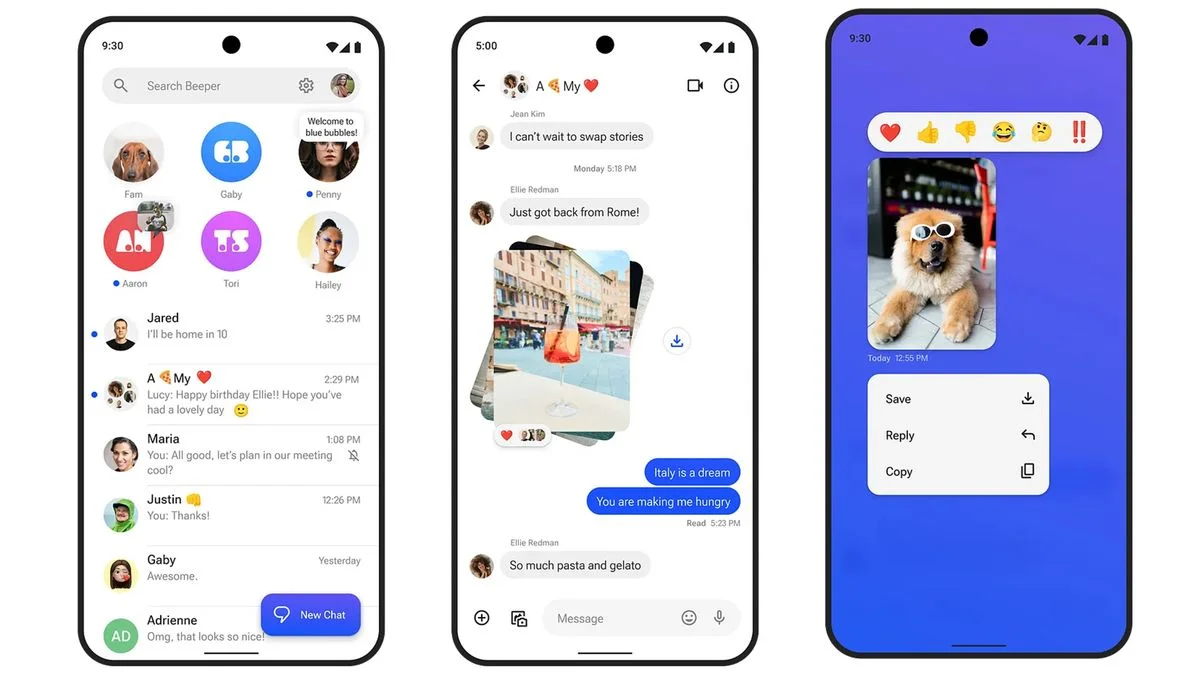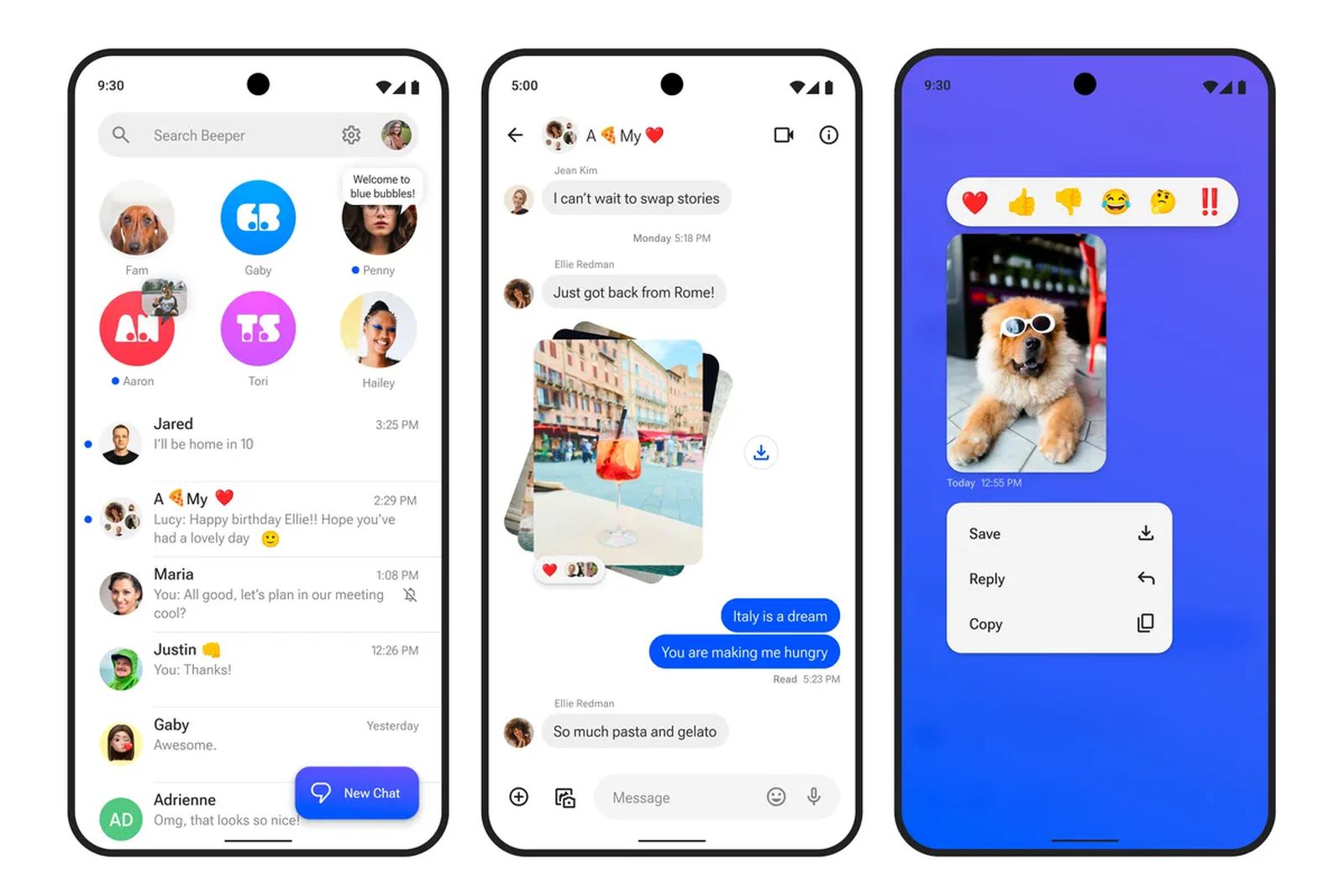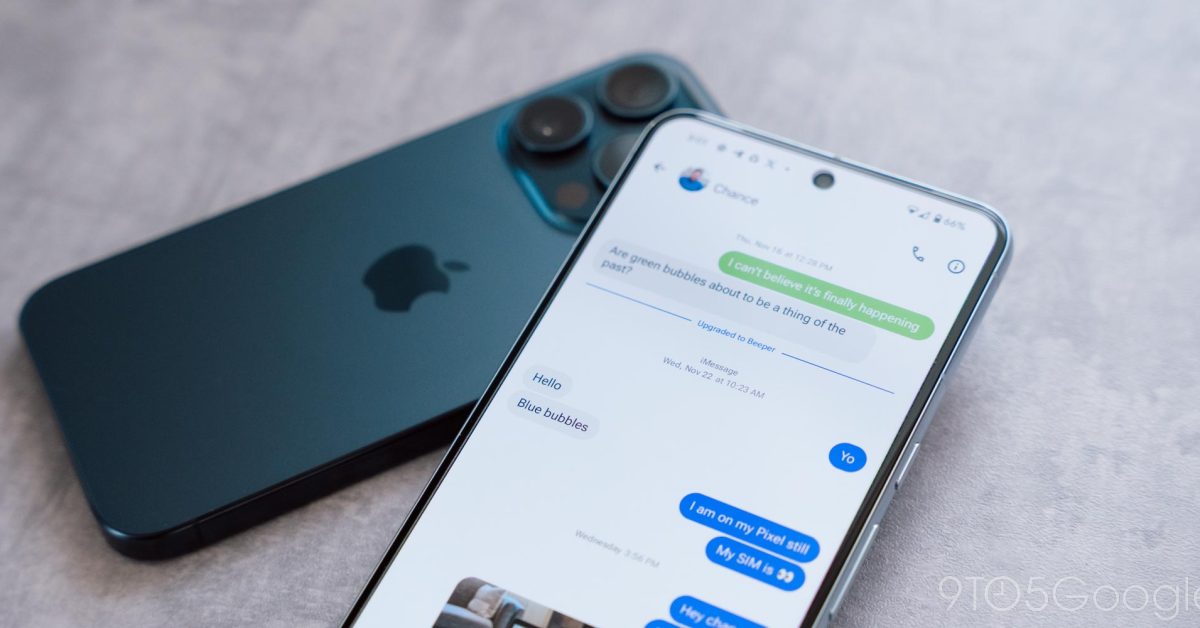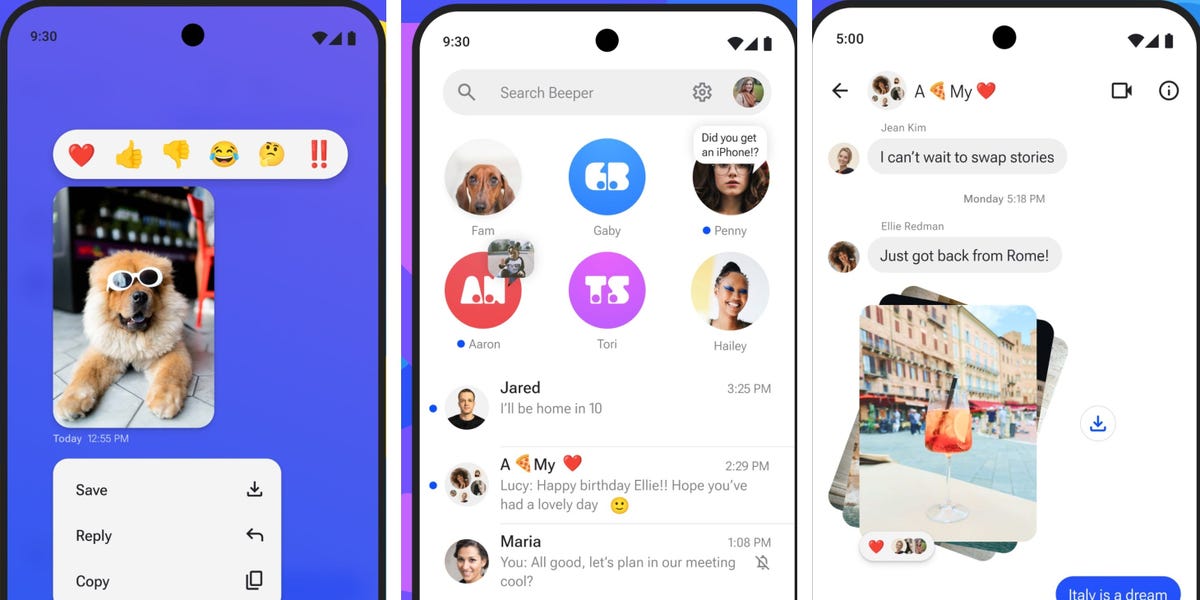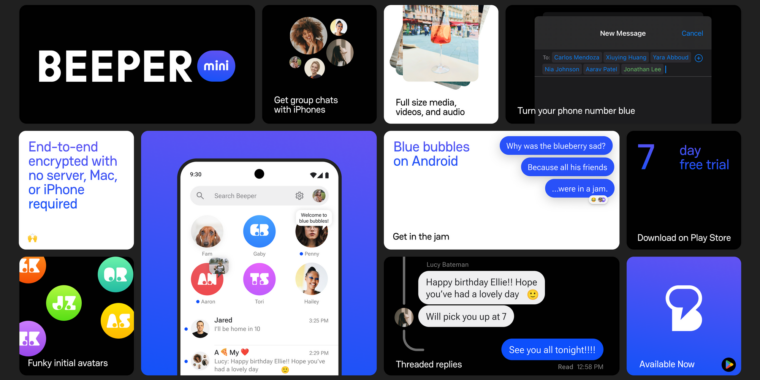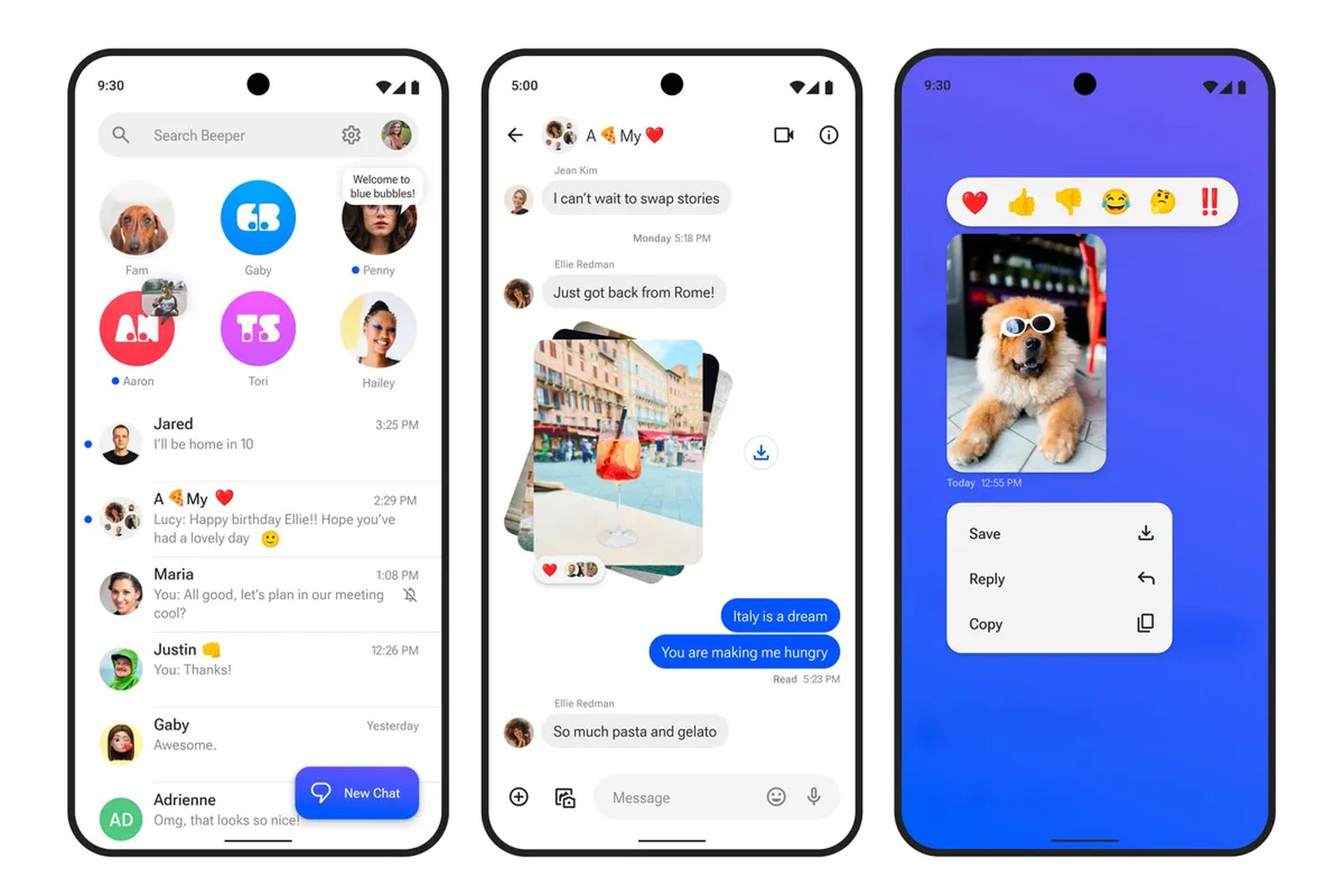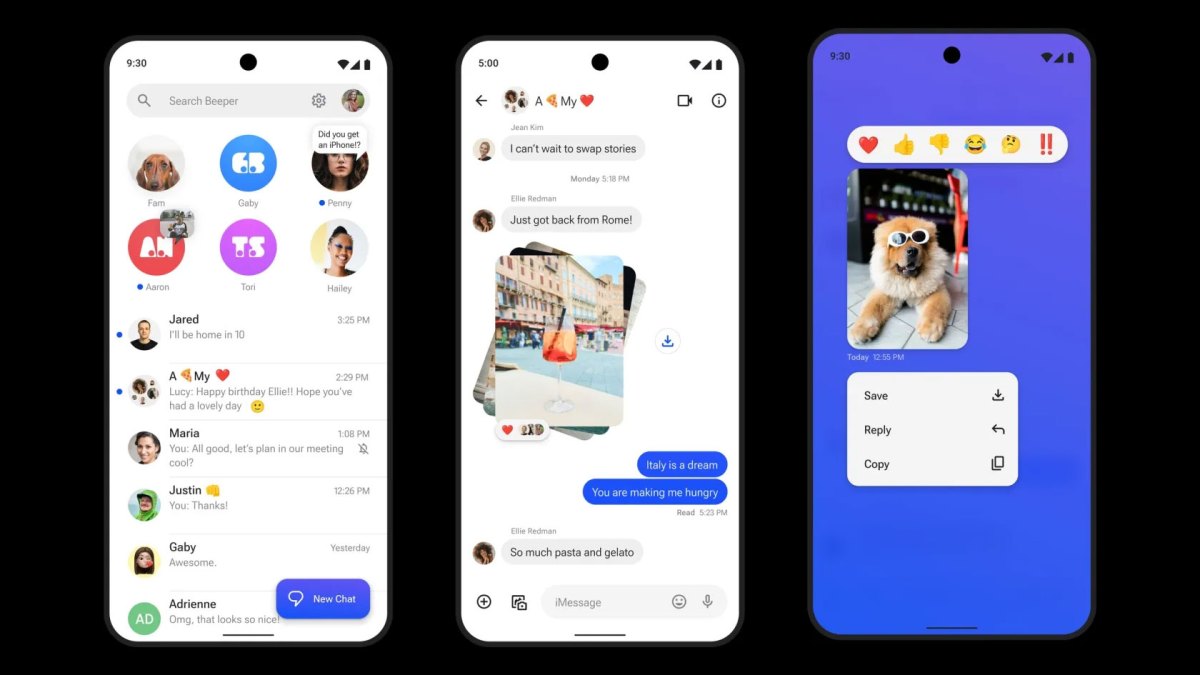
FCC Commissioner Brendan Carr has called for an investigation into Apple's decision to block the Beeper Mini service, which aimed to bring iMessage to Android. Carr cited FCC's Part 14 rules on accessibility and usability, suggesting that Apple's actions may have violated these regulations. This move comes amid growing scrutiny of Apple's practices, with lawmakers and regulators expressing concerns about potential anticompetitive behavior.
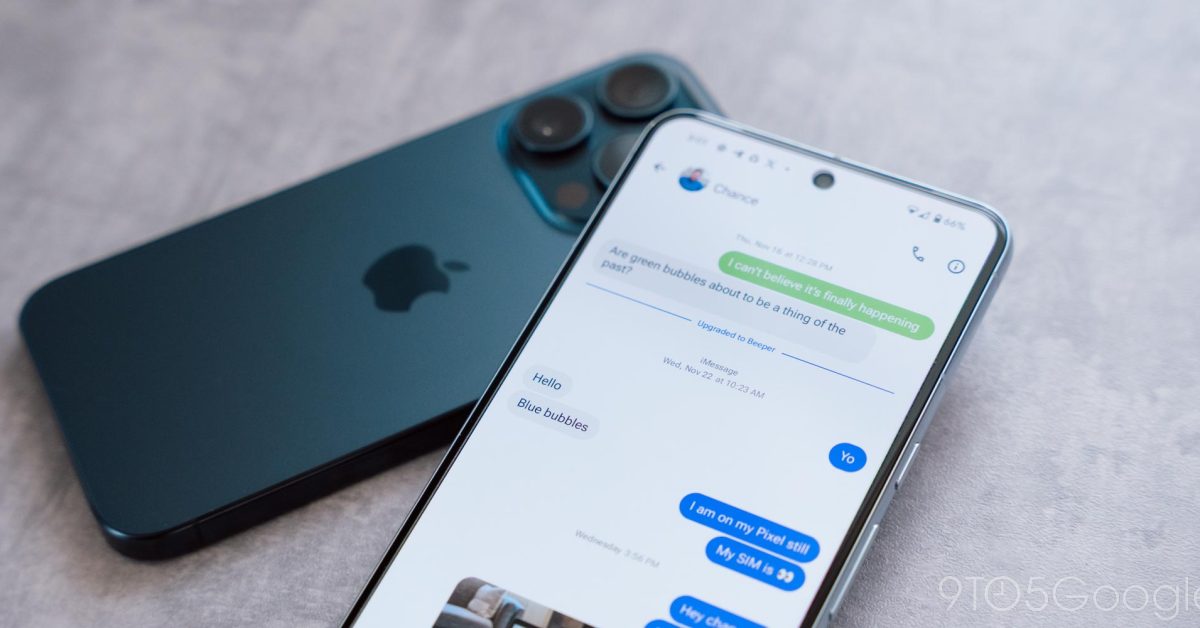
An FCC commissioner is calling for an investigation into Apple's shutdown of Beeper Mini, an app that allowed Android users to access iMessage. The app used a reverse-engineered method to enable Android users to send "blue bubble" messages, but Apple disabled it shortly after its launch. The commissioner is questioning whether Apple violated FCC rules by blocking Beeper Mini and is specifically focusing on Part 14 rules related to advanced communications services and equipment accessibility for people with disabilities. The FCC has yet to formally launch an investigation into the matter.
FCC Commissioner Brendan Carr is urging the FCC to investigate Apple's shutdown of Beeper Mini, an app that briefly brought iMessage to Android, citing concerns about compliance with FCC's accessibility rules. Carr argues that Apple's actions may impede accessibility and usability, potentially violating FCC rules. He also expressed broader concerns about Apple's impact on augmented and virtual reality spaces and criticized the company's walled garden approach to its products and services.
Beeper Mini, the app that promised iMessage for Android, has been removed from the Play Store after Apple blocked much of its functionality. However, Beeper isn't giving up and is still available for sideloading. The company is working on porting its other chat app services to Mini and improving its desktop app's performance. Beeper acknowledges the challenges and is determined to continue its fight to provide iMessage for Android users.
Beeper Mini, the app that promised seamless iMessage chats on Android, has come up with a new workaround after Apple clamped down on its core functionality. The new method requires users to have access to a Mac in order to send "registration data" from an Apple-made desktop or laptop. Beeper Mini's previous method used its own fleet of Mac servers, but Apple targeted this approach. The update for Beeper Cloud on Mac will generate unique registration data for individuals, making the connection more reliable. Users without a Mac can ask a friend to use their Apple computer for validation. Beeper is also open-sourcing its iMessage bridge and the Mac code for generating registration data.
Beeper Mini, an iMessage for Android app, is experiencing connectivity issues again, which it blames on Apple deliberately blocking iMessages from being delivered to approximately 5% of Beeper Mini users. While the Beeper Cloud service has been resolved, some users are still facing connectivity problems. Beeper's developers have expressed frustration with Apple's efforts to block the app, stating that it penalizes both Apple and Android users who want secure and encrypted chats. Apple has defended its actions, citing concerns about user security and privacy. Beeper Mini's development team is working to restore service and has made changes to the app, but Apple has blocked the backdoor used to register Android numbers as fake Apple users. The team hopes that Rich Communication Services (RCS), which Apple plans to adopt next year, will address the security and functionality issues.
Beeper Mini and Beeper Cloud, which provide iMessage support for Android users, are experiencing issues with users unable to receive iMessages. Beeper had previously released a workaround on the Google Play Store, but phone number support is still not available. Apple has stated that it will continue to make updates to protect its users, leading to a cat-and-mouse game of reverse-engineering.
Beeper Mini, an Android app that allows users to send and receive texts using the iMessage protocol, has been relaunched after being blocked by Apple. However, users now have to sign in with their AppleID credentials instead of just their phone number, which was the app's main appeal. Texts will be exchanged through the email address listed on the AppleID, making communication less convenient. The developer plans to restore phone number registration in the future and is offering the app for free until stability is achieved. Beeper is also willing to share its codebase with a third-party security research firm and add a pager emoji to messages to address Apple's concerns. The app is currently available for download on the Google Play Store.
Apple has shut down Beeper Mini, an app that allowed users to use iMessage on Android devices, by making a change that blocked the app's method of reverse-engineering iMessage. Apple stated that the techniques used by Beeper Mini posed significant risks to user security and privacy. While Beeper has made some changes to revive the app, it is likely that Apple will continue to prevent it from working. Other iMessage apps for Android also face uncertainty, as Apple has made it clear that it does not want iMessage to work outside of its ecosystem.
Beeper Mini, an Android app that brought iMessage functionality to Android users, is back with some major changes. The new version of the app requires users to sign in with an Apple ID and sends and receives iMessages through an email address instead of a phone number. The prior version of Beeper Mini registered Android users' phone numbers with Apple's iMessage servers without permission, leading to its shutdown by Apple. Despite reaching out to Apple, Beeper Mini's developers have not received a response. Apple plans to bring iMessage-like features to chats between iMessage and Android users through RCS next year.
Beeper Mini, the iMessage app for Android, has made a comeback after being seemingly killed by Apple. The app, which taps directly into iMessage rather than using a cloud server, has been restored through a new app update that requires sideloading. However, phone number support has been removed, and users must now sign in with their Apple ID. Beeper Mini is currently free to use, but it remains to be seen how long it will last before Apple blocks it again.
Apple has blocked the Beeper Mini app, which allowed Android users to send blue-bubble texts to iPhones, citing security and privacy risks. The app, which charged users a monthly fee, reverse-engineered the iMessage protocol to provide access to iMessage features. Apple's decision to block the app has drawn criticism, with Senator Elizabeth Warren accusing the tech giant of stifling competition. Apple plans to adopt Rich Communication Services (RCS) next year to improve texting between Android and iPhones.
Apple has blocked Beeper Mini, an Android app that reverse-engineered Apple's iMessage service, citing security concerns. Beeper Mini users experienced an outage, with messages failing to send and receive. Beeper co-founder Eric Migicovsky denies Apple's claims of security concerns, stating that Beeper Mini actually increases security and decreases exposure for Apple's users. Migicovsky questions why Apple would comment on its attempts to counteract Beeper and says his company will continue to work on restoring Beeper Mini's function.
Apple has confirmed that it took action to shut down Beeper Mini, an app that allowed Android users to send and receive iMessages. The company cited concerns over user privacy and security, explaining that Beeper Mini's techniques posed risks such as metadata exposure and susceptibility to spam and phishing attacks. Beeper CEO Eric Migicovsky expressed a willingness to cooperate with Apple for a security review, emphasizing the importance of secure communication channels between iPhone and Android users. Despite Apple's decision, Migicovsky remains committed to exploring solutions that could enable the return of Beeper Mini or similar services.