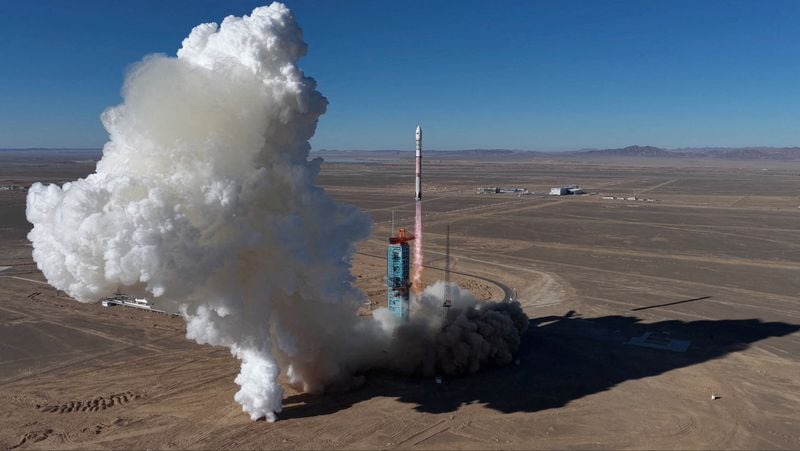
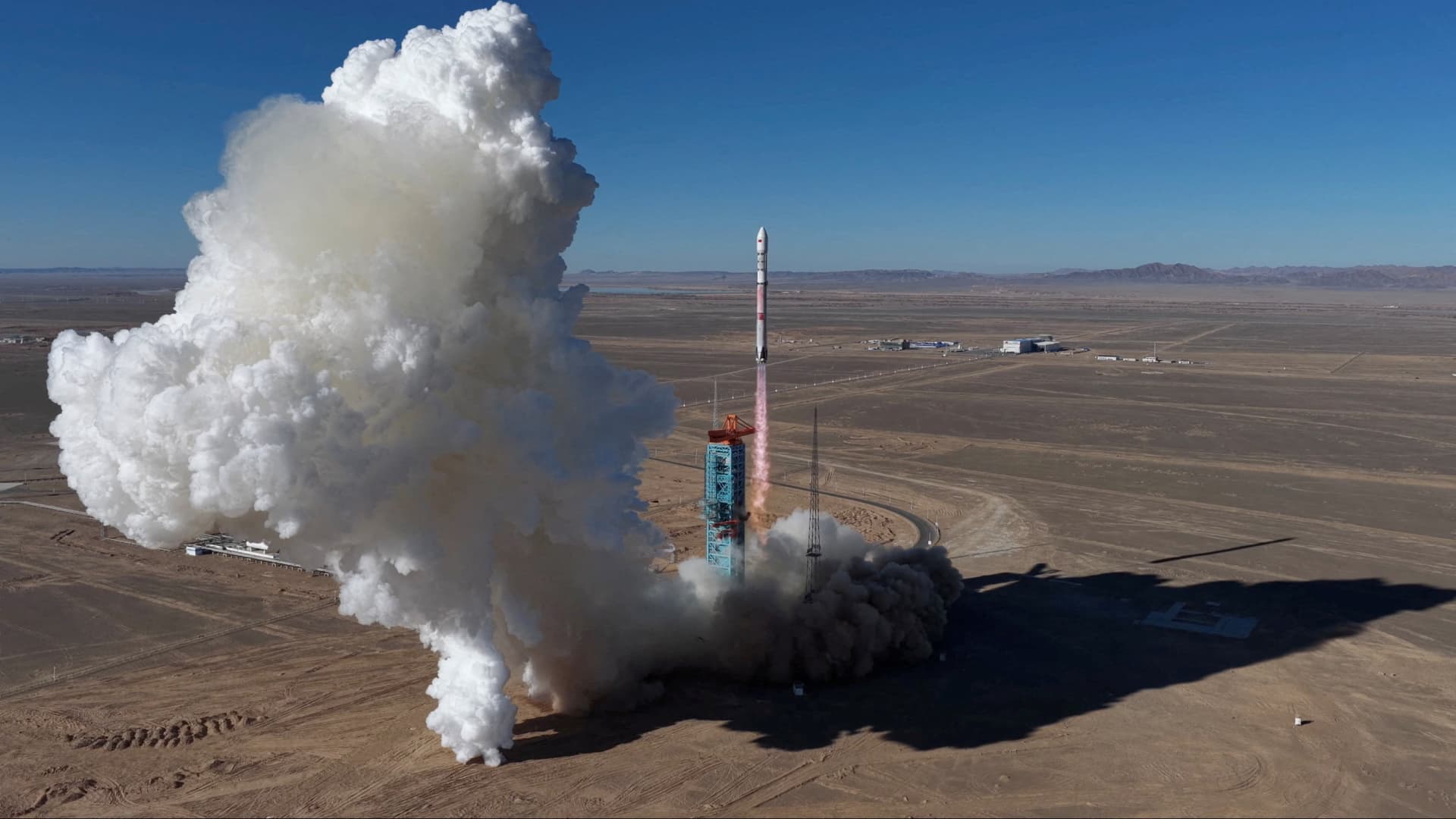
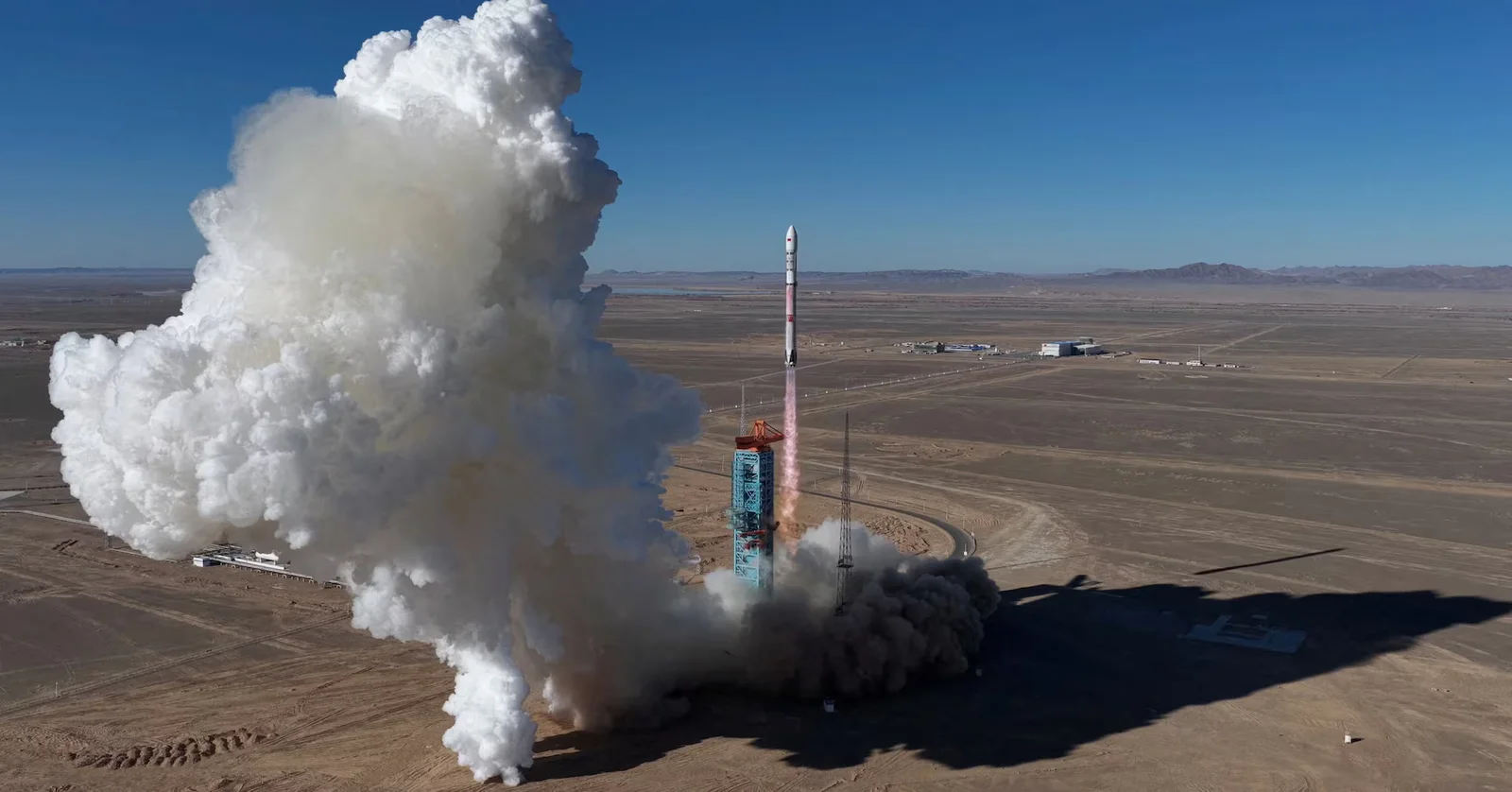
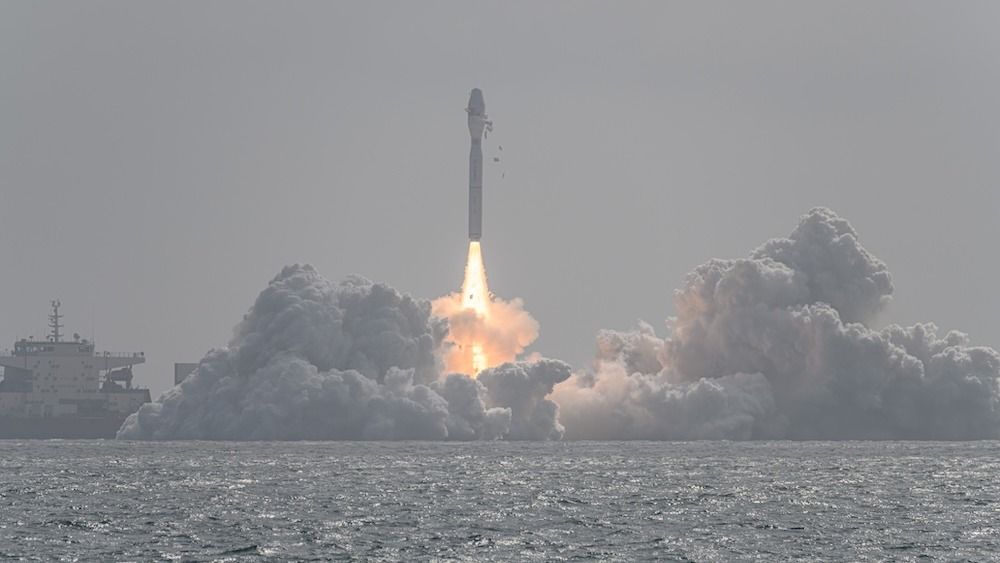
China's LandSpace, inspired by SpaceX, has conducted its first reusable rocket test and plans to go public to fund its ambitions of competing in reusable rocket technology, signaling a shift in China's space industry towards risk-taking and private sector involvement.
China has eased IPO regulations for private companies developing reusable rockets, allowing them to list on the STAR market without meeting traditional profitability requirements, provided they meet key technological milestones like orbital launches with reusable technology, as part of China's effort to compete with U.S. dominance in space technology, particularly against SpaceX.
China has introduced new IPO guidelines for companies developing reusable rockets, easing financial requirements and emphasizing technological milestones, as part of its strategy to close the space capabilities gap with the US and reduce reliance on SpaceX's monopoly in reusable rocket technology.
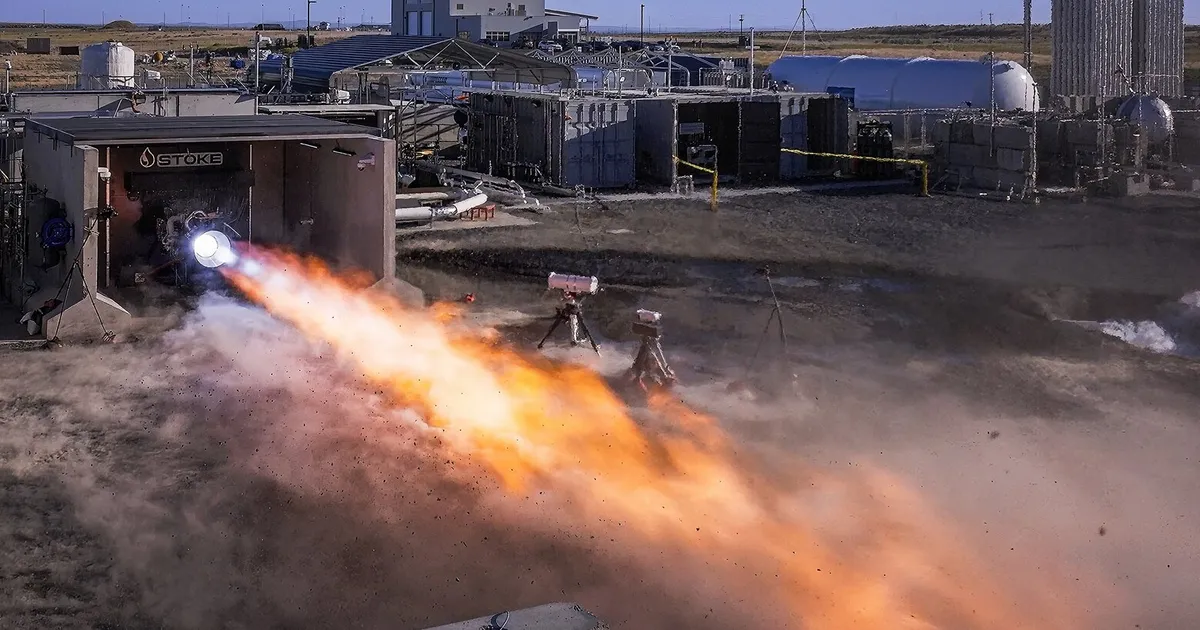
Stoke Space, a Washington-based aerospace company, is developing fully reusable rockets aimed at revolutionizing space travel with aircraft-like schedules. The company, founded by former Blue Origin engineers, is working on a novel rocket design featuring a "ring-of-fire" engine for the second stage, which integrates a heat shield with thrusters to enable vertical descent. Stoke's approach promises significant cost savings and increased access to space, potentially facilitating commercial ventures like asteroid mining and space junk cleanup. The company plans its first expendable launch next year, with full reusability expected a year later.
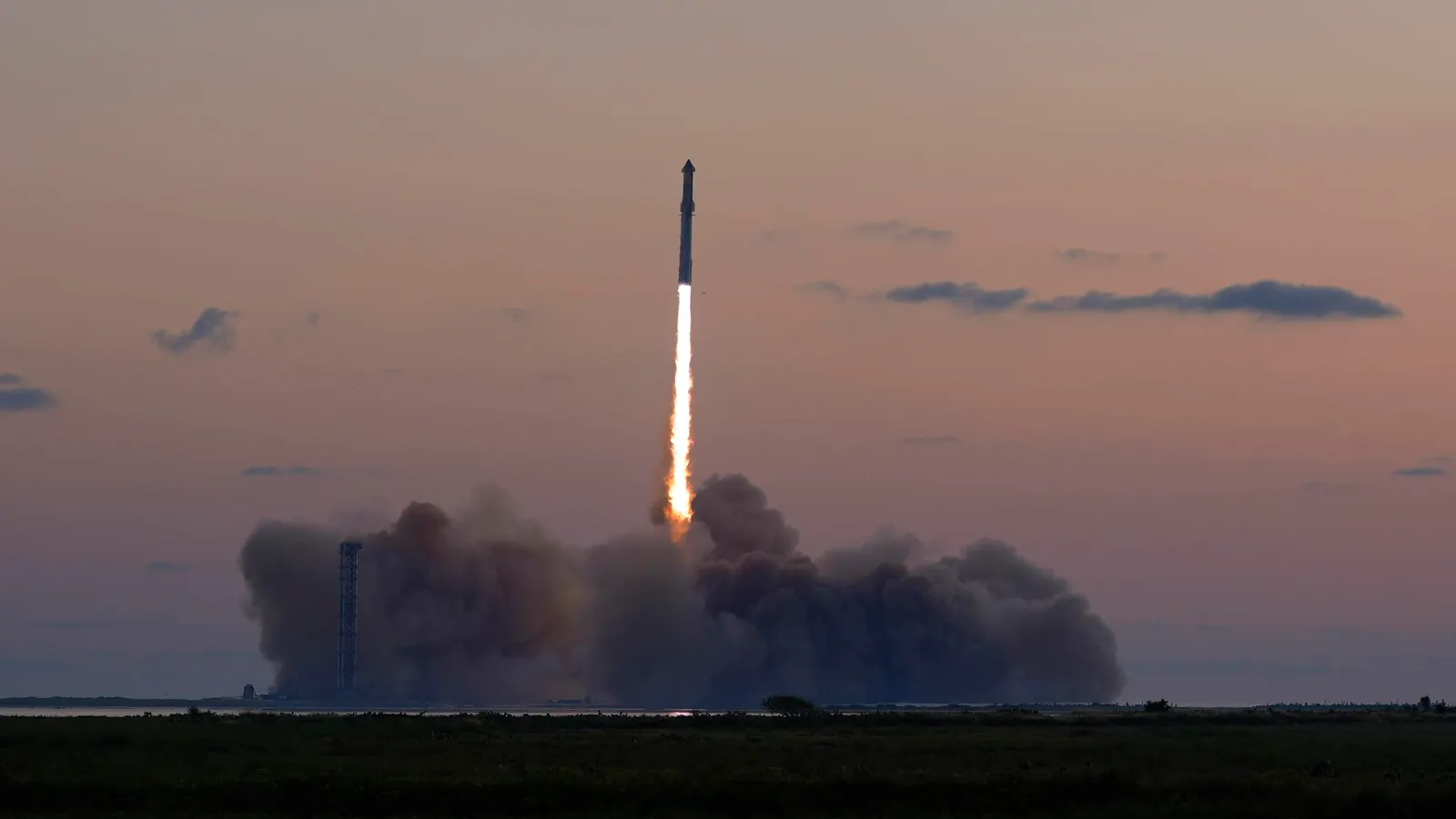
SpaceX is set to launch its Starship rocket for a sixth test flight next week from its Texas facility, aiming to further develop reusable spacecraft technology. The test will focus on returning the Super Heavy booster to the launch site, reigniting the Raptor engine in space, and testing the spacecraft's heatshield and reentry maneuvers. This follows a successful fifth test where the booster was caught mid-air and the Starship capsule landed in the Indian Ocean. Future upgrades are planned for the seventh test flight in 2025.
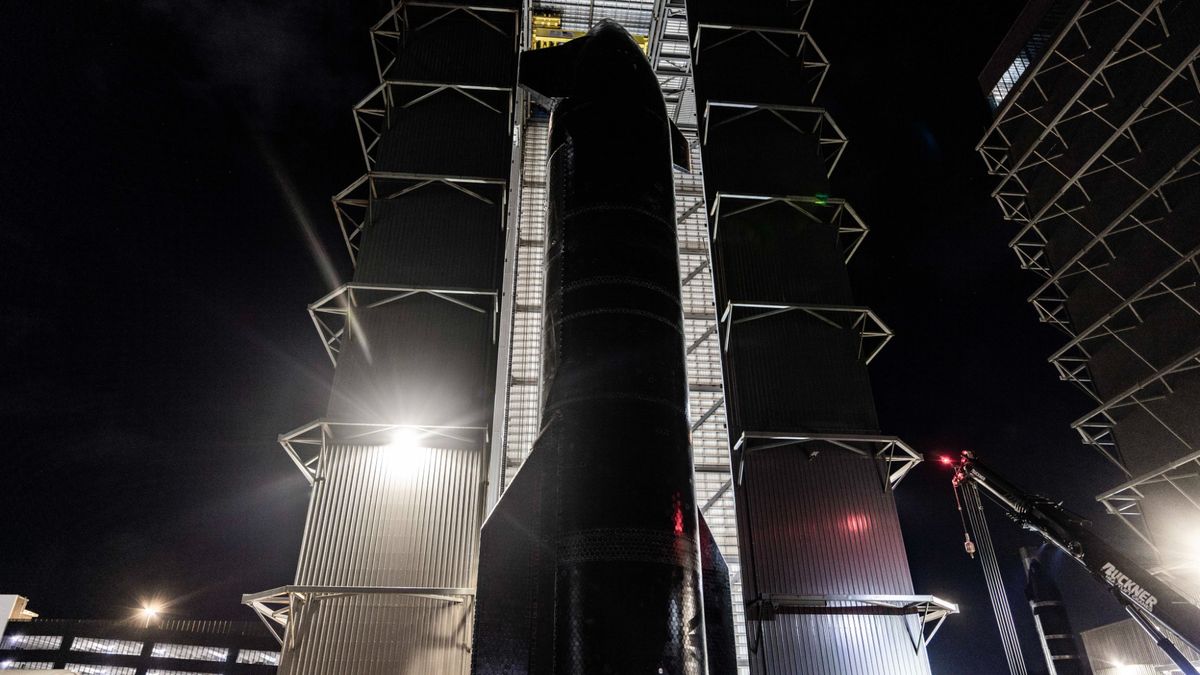
SpaceX has moved the upper stage of its sixth Starship vehicle to the launch pad at its Starbase site in South Texas, preparing for a test flight scheduled for November 18, 2024. The Starship, which is the largest and most powerful rocket ever built, consists of an upper stage and a Super Heavy booster, both designed for full reusability. The upcoming test will attempt to replicate the successful landing of the Super Heavy booster from the previous flight, while the upper stage will splash down in the Indian Ocean.
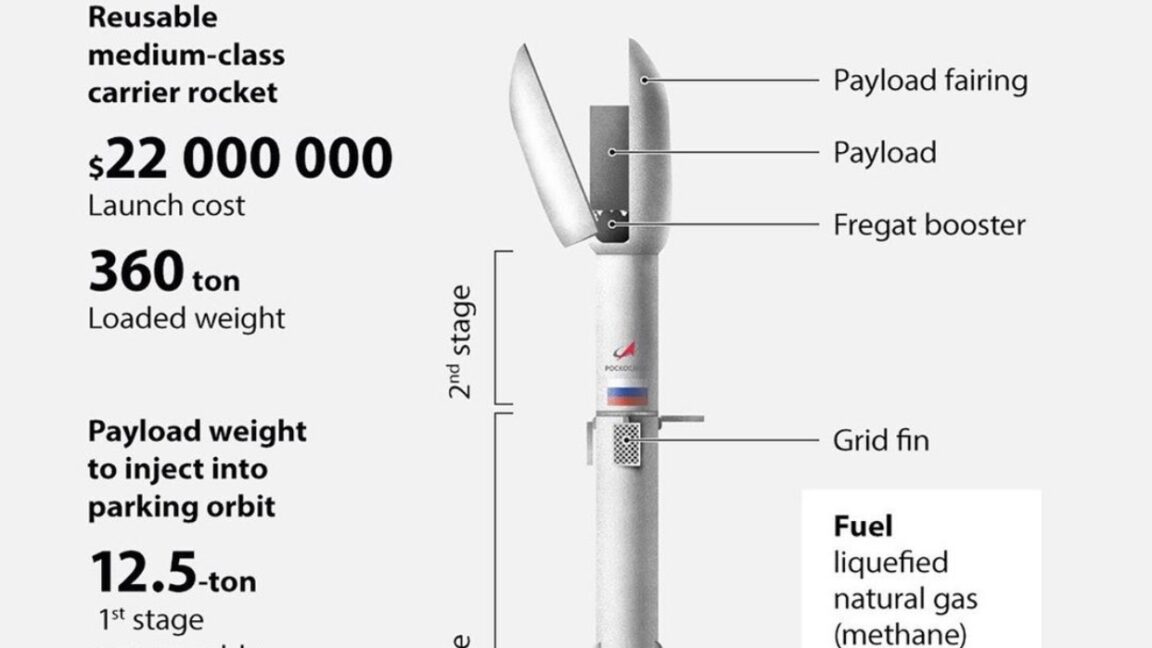
Russia is moving forward with plans to develop a reusable rocket, similar to SpaceX's Falcon 9, after initially dismissing the concept. The Russian space agency, Roscosmos, announced the construction of a prototype vehicle, dubbed 'Grasshopper,' to test the vertical landing capabilities of the Amur rocket's first stage. This development marks a shift in Russia's approach to reusable launch systems, with the Amur rocket's debut now expected no earlier than 2030.
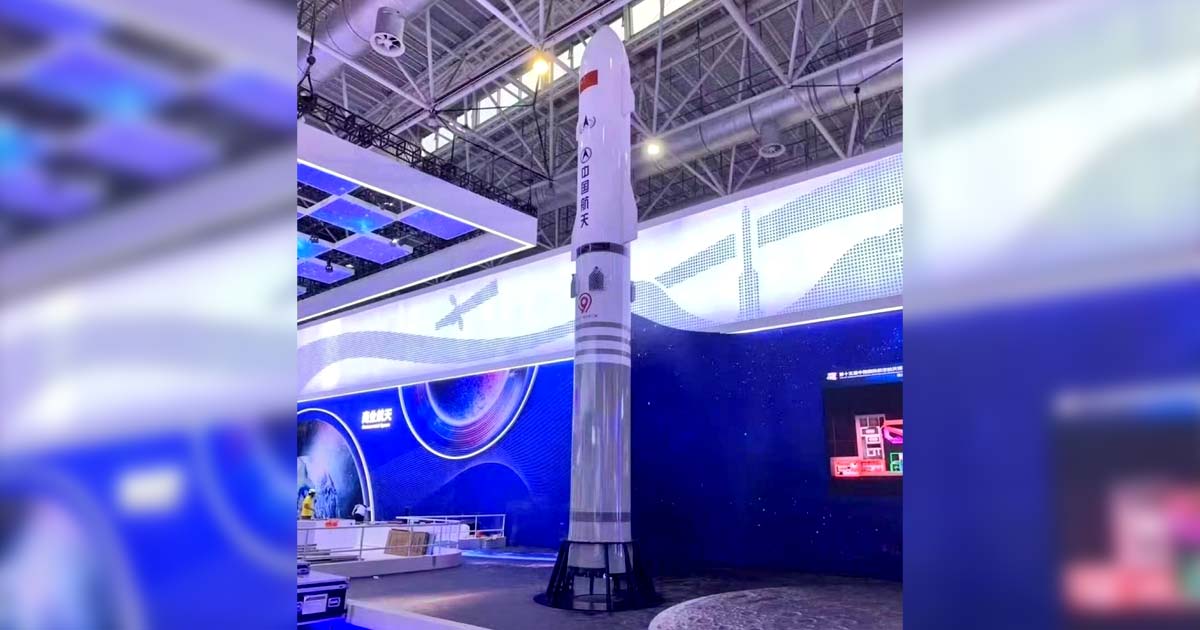
China has unveiled a new design for its Long March 9 rocket, which closely resembles SpaceX's Starship. The updated rocket features a fully reusable first stage powered by 30 YF-215 engines, similar to Starship's 33 Raptor engines, both using methane and liquid oxygen. The design also includes a reusable upper stage with flaps akin to Starship's. China plans to launch this rocket by 2033, while a Chinese startup, Cosmoleap, is also developing a reusable rocket inspired by SpaceX's technology.
China has unveiled a concept for its Long March 9 rocket, which closely resembles SpaceX's Starship in design, featuring a two-stage, fully reusable configuration with similar aerodynamic flaps and fuel engines. This isn't the first time China's space program has been accused of mimicking SpaceX's designs, as seen with previous projects and promotional materials. The Long March 9 aims to deliver Chinese astronauts to the Moon by the 2030s, following NASA's planned crewed landing in 2026.
China's latest design for its Long March 9 super heavy-lift rocket closely resembles SpaceX's Starship, featuring a fully reusable first stage with 30 methane and liquid oxygen-fueled engines. This design shift reflects China's strategy to emulate SpaceX's advancements in reusable rocket technology as both nations compete in a new space race, particularly focusing on lunar exploration and settlement. While the U.S. currently leads with SpaceX's Starship, China's evolving designs indicate its intent to catch up in developing reusable spaceflight capabilities.
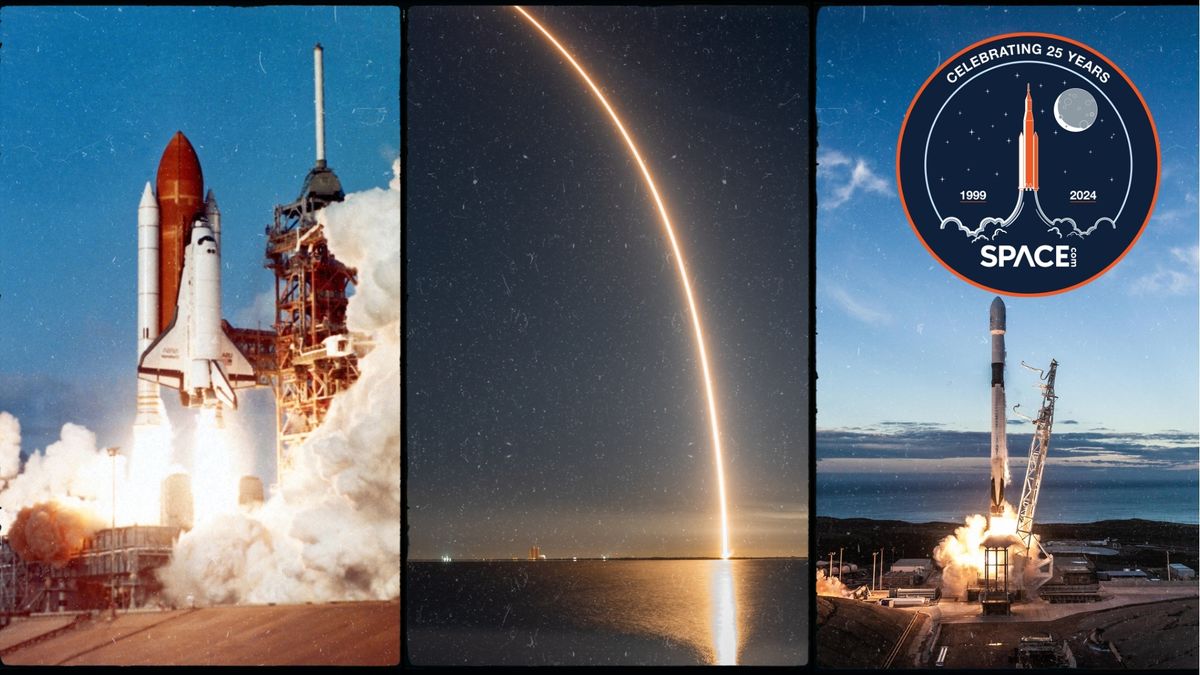
Over the past 25 years, space travel has shifted from government-led missions to a more commercially driven and internationally competitive arena. SpaceX's reusable rockets and China's rapid advancements have significantly transformed the landscape. The rise of sophisticated software has enabled major technological leaps, while the increasing number of actors and large constellations in low Earth orbit have made space more congested and contested. The International Space Station exemplifies international cooperation, and new coalitions are forming to explore the moon and beyond.
SpaceX successfully launched its fourth Starship test mission, achieving a significant milestone with the first soft splashdown of both the Super Heavy Booster and the Starship upper stage. This mission, crucial for the development of a mostly reusable rocket, also holds importance for NASA's Artemis 3 mission, which aims to land astronauts on the Moon by 2026. The success of Flight 4 paves the way for future missions, including an ambitious plan to catch the booster using the launch tower's "chopsticks" and further advancements in propellant transfer technology.
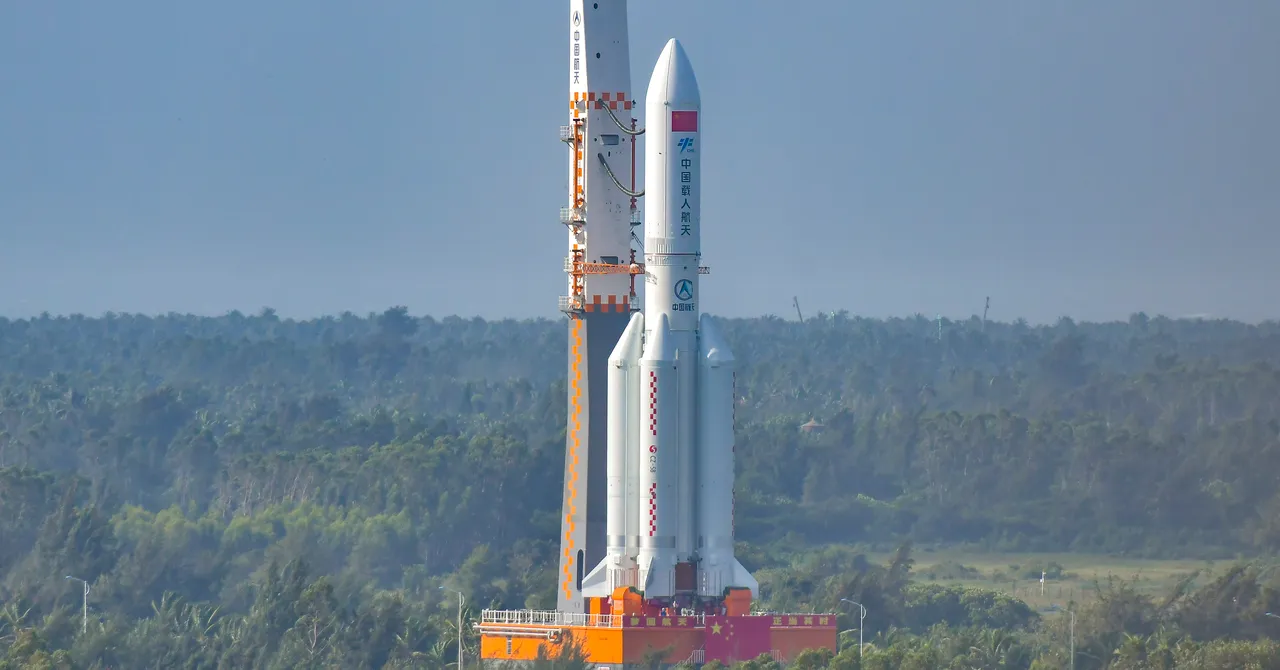
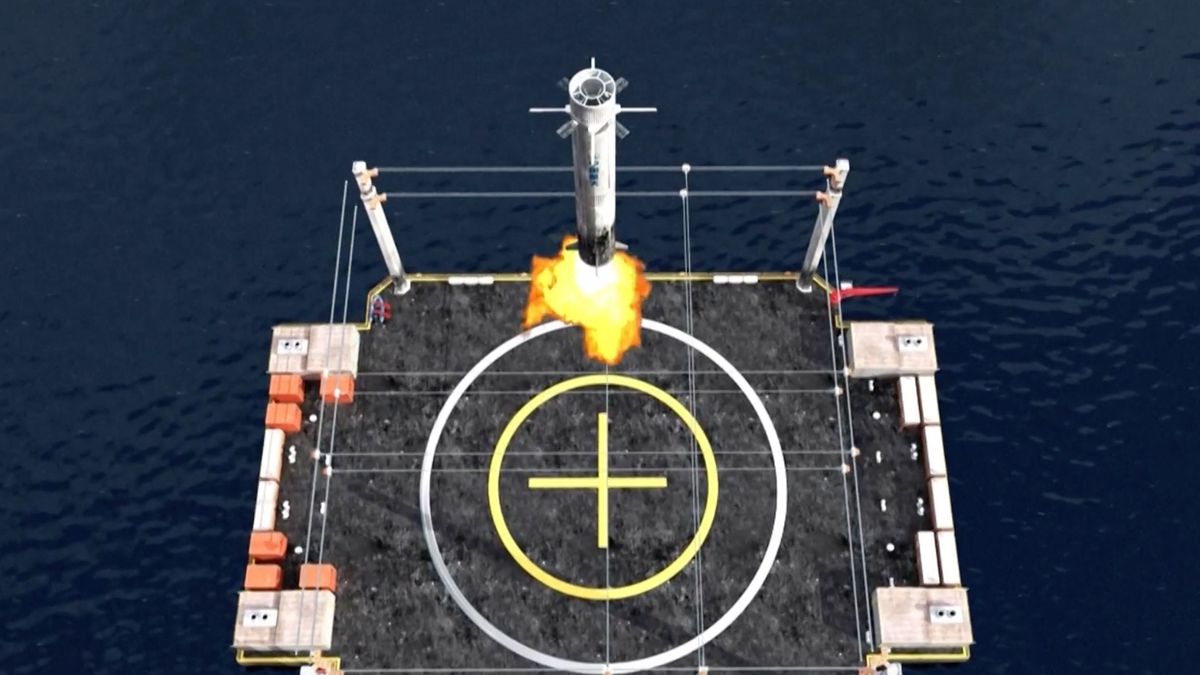
China's state-owned main space contractor, CASC, is developing reusable rockets and plans to catch them using constricting wires instead of landing legs, with the aim of debuting the first two reusable rockets in 2025 and 2026. This approach is part of China's lunar and human spaceflight plans, and several other commercial firms in China are also working on their own reusable rockets.
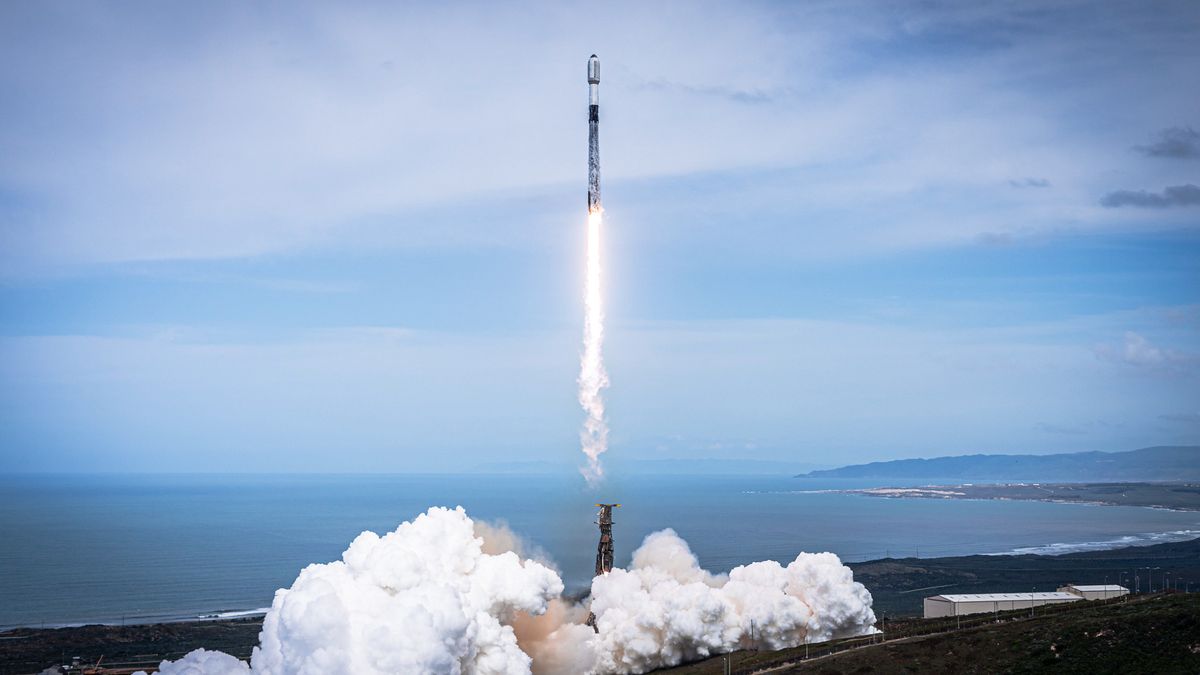
SpaceX is set to launch a Falcon 9 rocket carrying 23 Starlink internet satellites from NASA's Kennedy Space Center in Florida on March 23, which will mark the 19th liftoff for this Falcon 9's first stage, tying a reuse record. The rocket's first stage is expected to make a vertical landing on a drone ship, while the upper stage will deploy the satellites into low Earth orbit. This launch will be the 28th Falcon 9 mission of 2024 for SpaceX and comes shortly after a robotic cargo mission to the International Space Station.
China plans to launch two reusable rockets in 2025 and 2026 as part of its new lunar program, aiming to send astronauts to the moon by 2030. The rockets, developed by the state-owned China Aerospace Science and Technology Corp. (CASC), will be more sustainable and cost-effective, with one potentially being a variant of the Long March 10. These developments will enhance China's launch capabilities and access to space, potentially competing with commercial rocket companies.