Fund Achieves 950% Return on SpaceX Investment, What Followed
A fund achieved a 950% return on its investment in SpaceX, and the article discusses what happened following this extraordinary performance.
All articles tagged with #returns

A fund achieved a 950% return on its investment in SpaceX, and the article discusses what happened following this extraordinary performance.

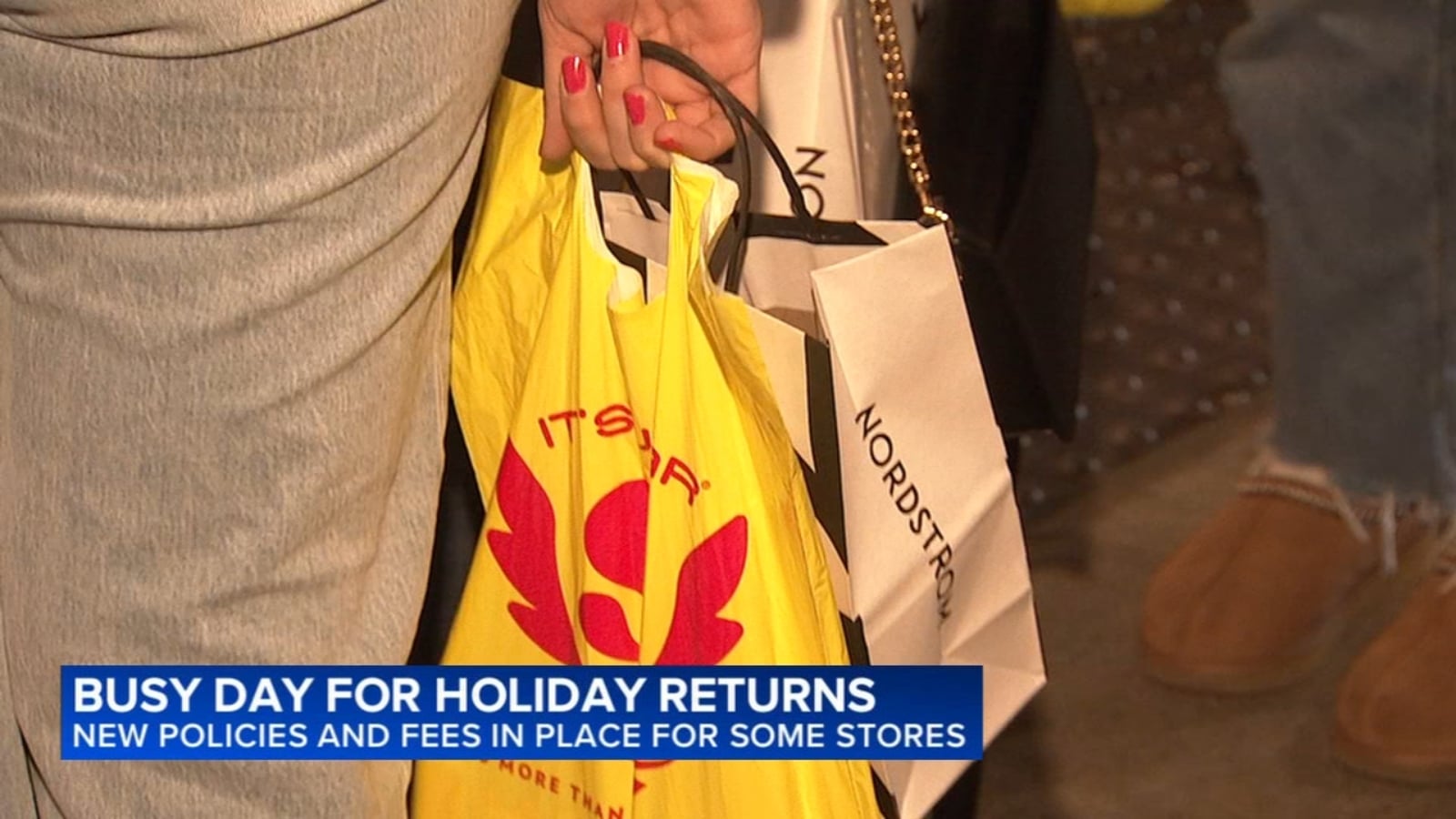
Major retailers are now charging fees for returning unwanted Christmas gifts, with costs varying from a few dollars to as much as $45 for electronics, as stores seek to offset the rising costs of returns. Consumers are advised to read return policies carefully to avoid unexpected charges.

Retailers are increasingly charging restocking fees for holiday gift returns, with 72% of merchants implementing such fees this year, up from 66% last year, prompting shoppers to be aware of policies, keep receipts, and return items promptly to avoid extra costs.

Holiday gift returns contribute significantly to environmental harm due to increased emissions and waste, with strategies like in-person shopping, quick returns, and better product descriptions helping to mitigate this impact. Consumers are encouraged to minimize returns, consider gift cards, and companies are adopting software solutions to improve return management and reduce landfill waste.

The article discusses the environmental and financial costs of holiday product returns, highlighting how they contribute to emissions and waste. It offers tips for consumers to reduce their impact, such as returning items quickly, shopping in-store, and minimizing returns, and suggests that businesses can improve by providing better product information, charging for returns, and using technology to manage returns more efficiently.

Citi reports that certain stocks are expected to deliver impressive returns while maintaining low volatility, making them attractive options for investors seeking growth with stability.

The article discusses the S&P 500's third consecutive year of strong returns and explores three key questions facing Wall Street as they approach 2026, highlighting ongoing market performance and future outlooks.

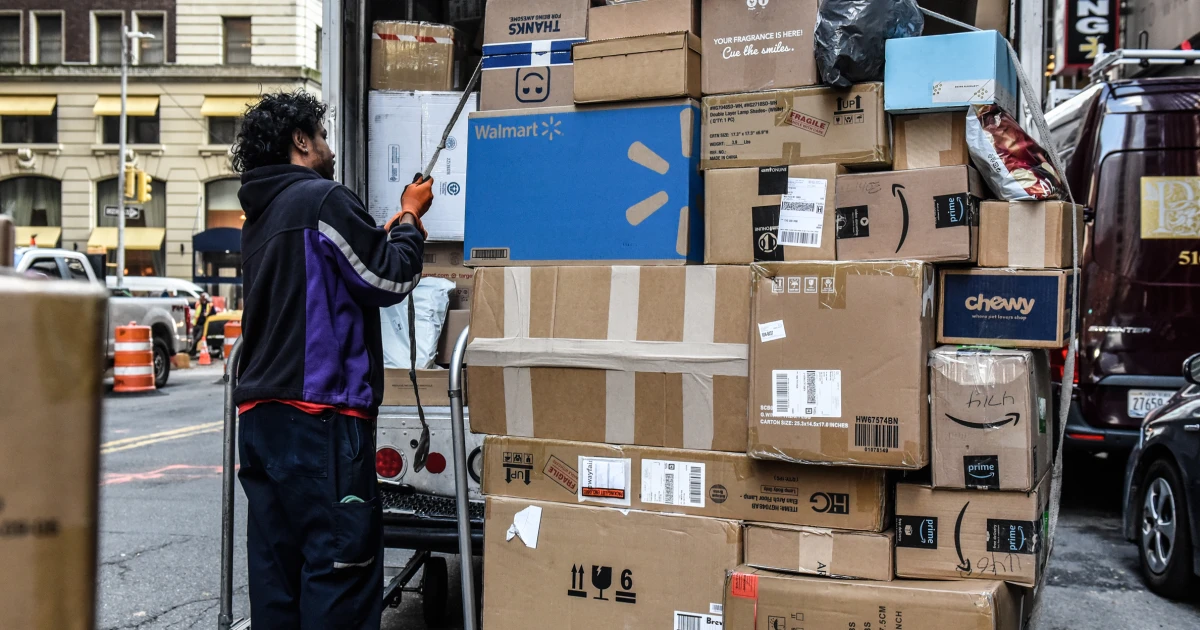
Retailers are facing a significant challenge with returns, expected to reach $890 billion in 2024, up from $743 billion in 2023. The rise in returns is driven by consumer behaviors like 'bracketing' and 'wardrobing,' exacerbated by the growth of online shopping. Returns not only impact retailers financially but also pose environmental challenges, as many returned items end up in landfills. To address this, retailers are implementing stricter return policies and exploring sustainable practices like buyback programs and secondhand sales.

Luxury brands such as Burberry and Net-A-Porter experienced a significant loss in sales during China's major online shopping festival as a large number of Chinese consumers returned or cancelled their purchases, resulting in up to 75% of the sales value being lost, according to sources familiar with the matter.

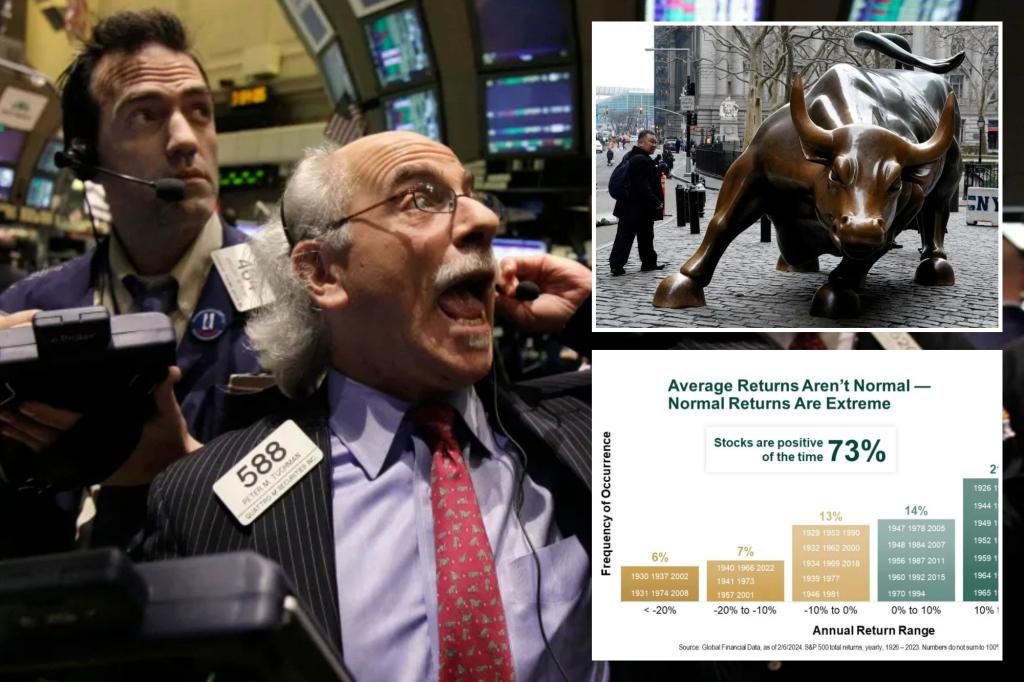
Despite concerns of an overheated market, historical data spanning nearly a century suggests that above-average returns and positive volatility are more common than perceived in the stock market. With statistics showing that stocks rise far more often than they fall, and no rolling 20-year period of negative returns in 98 years, the fear of "too far, too fast" gains may be unwarranted. Ken Fisher, founder of Fisher Investments, emphasizes that big returns are more normal than not in bull markets, and investors should not be acrophobic when it comes to investing.

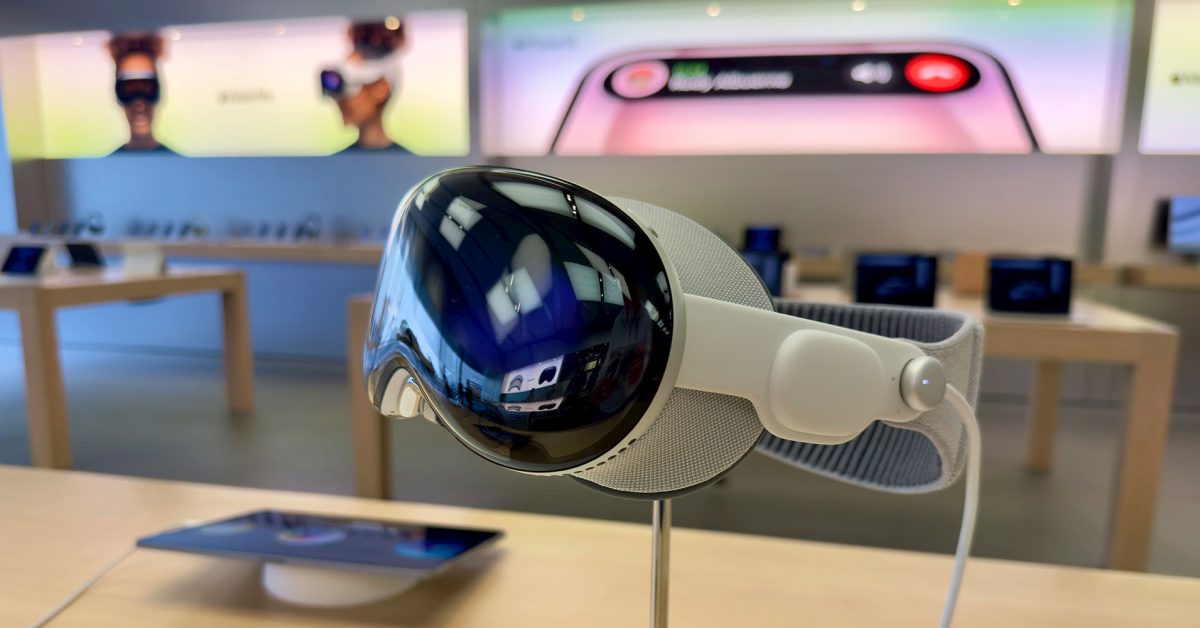
Analyst Ming-Chi Kuo reports that demand for Apple's Vision Pro is higher than expected, with US shipments projected to reach 200-250k units this year, surpassing Apple's original estimate. The return rate has dropped to just 1%, indicating sustained interest in the product. Apple has requested increased production to meet the demand and plans to expand sales to other countries. Despite speculation, there is no evidence of a cheaper model in the works yet.

Apple's Vision Pro VR headset is facing a wave of returns due to discomfort, headaches, and eye strain, with users finding the clunky design and front-heavy weight distribution to be major issues. Customers are also dissatisfied with the headset's lack of functionality and productivity challenges, leading to complaints about its high price. While some are open to a second-generation version with improved comfort and compelling applications, the extent of the return phenomenon remains unclear, potentially influencing the future development of the device.

Despite reports of high-profile Apple fans returning their Vision Pro headsets due to issues like discomfort and lack of content, data from retail sources suggests that return rates are likely average compared to other products. While some early adopters have expressed dissatisfaction, Apple is not overly concerned and is gathering feedback to improve the product. The feedback highlights the need for a second-generation Vision Pro at a more affordable price, as the current version is considered a "version 1.0" product with incredible visuals but practical limitations.

Apple is closely monitoring the reasons for returns of its Vision Pro spatial computer, with reports suggesting that return rates vary by location. Common reasons for returns include the device being too heavy and uncomfortable, lack of applications justifying the price, difficulty in using it for long periods, display issues causing eyestrain, and a feeling of isolation due to limited shared experiences. The carefully curated in-store demo experience may contribute to disappointment, as some find the everyday usage less exciting than the initial impression.

The era of free shipping and easy returns in online shopping is coming to an end as retailers, facing tighter margins and investor pressure, are adjusting their policies to cut costs and increase profits. Many retailers, including H&M, Zara, J.Crew, and Amazon, are now charging for returns, shortening return deadlines, and refusing to accept some items. This shift reflects a broader pushback against the unsustainable consumer behavior enabled by free shipping and returns, and aims to make consumers more thoughtful in their purchases while also addressing the environmental and financial costs associated with the current online shopping model.