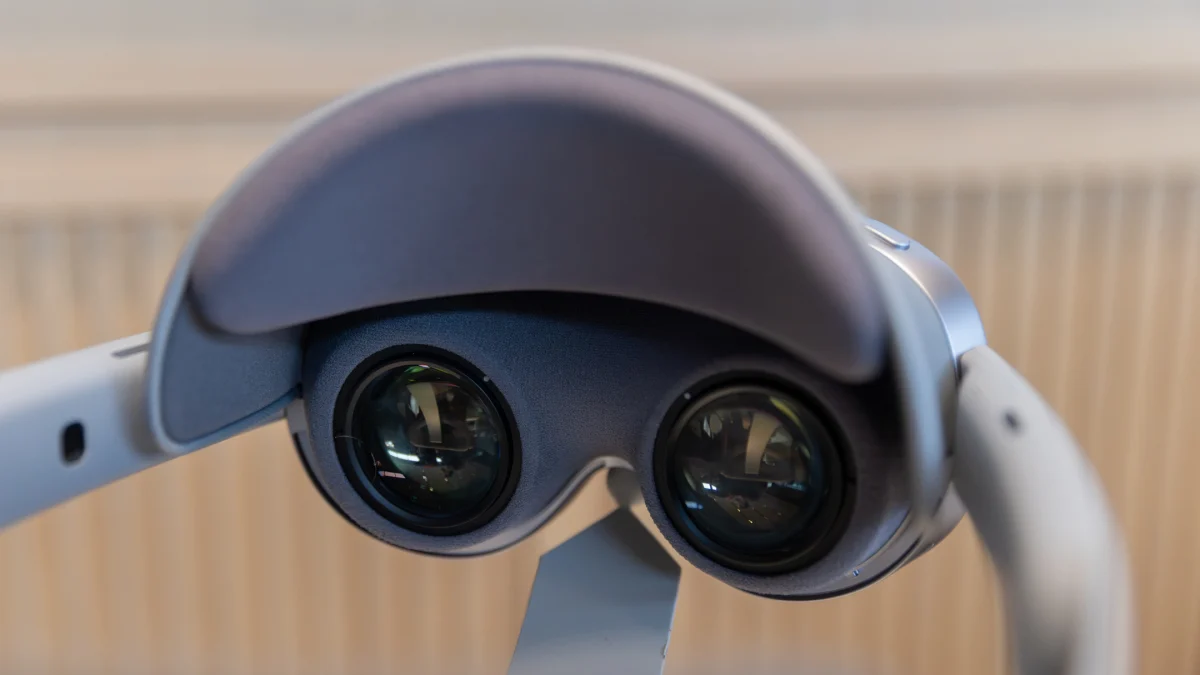
Samsung's mixed reality headset, the Galaxy XR, launched in the U.S. and South Korea on October 21, with a planned 2026 rollout for Canada, France, Germany, and the UK, indicating a gradual international release. The device is positioned as a middle-priced VR headset comparable to Meta Quest and Apple Vision Pro, with pricing likely similar to the U.S. and South Korea markets.
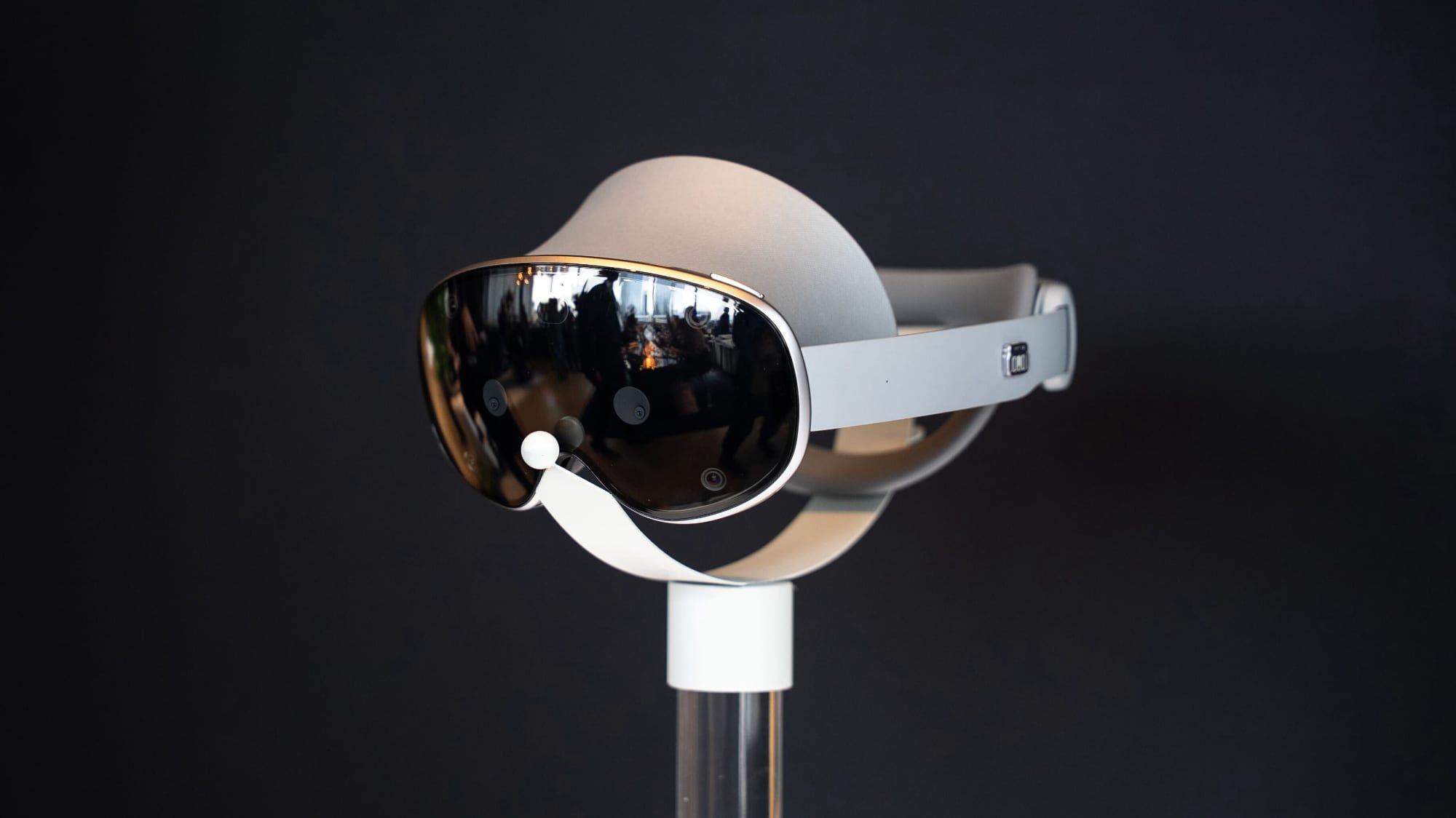
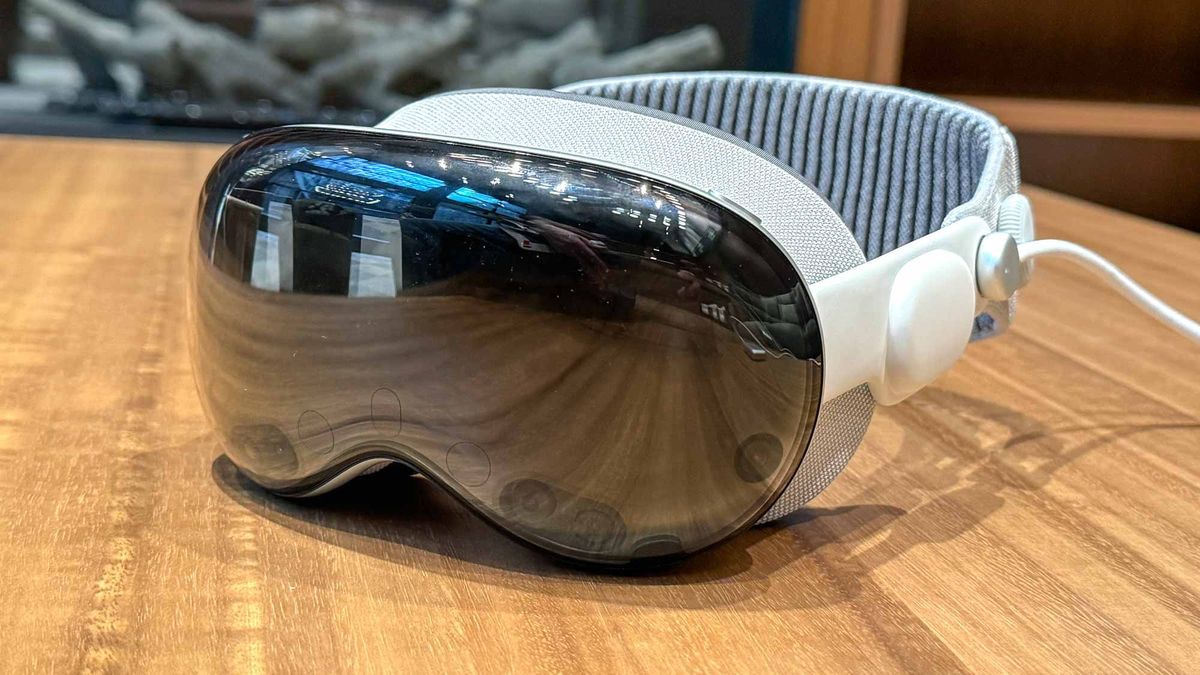
Samsung has launched the Galaxy XR, a mixed reality headset priced at $1,800, featuring high-resolution micro-OLED screens, advanced sensors, and AI integration, competing with Apple Vision Pro and Meta's VR devices, with availability in the US and various accessories.
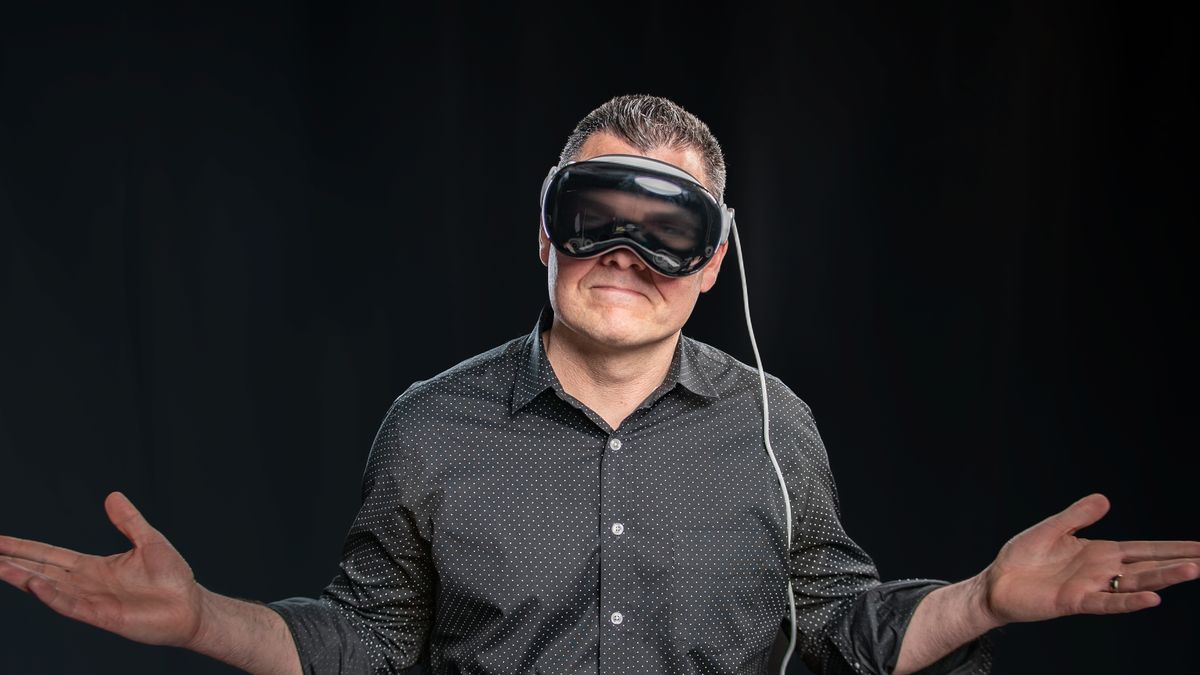
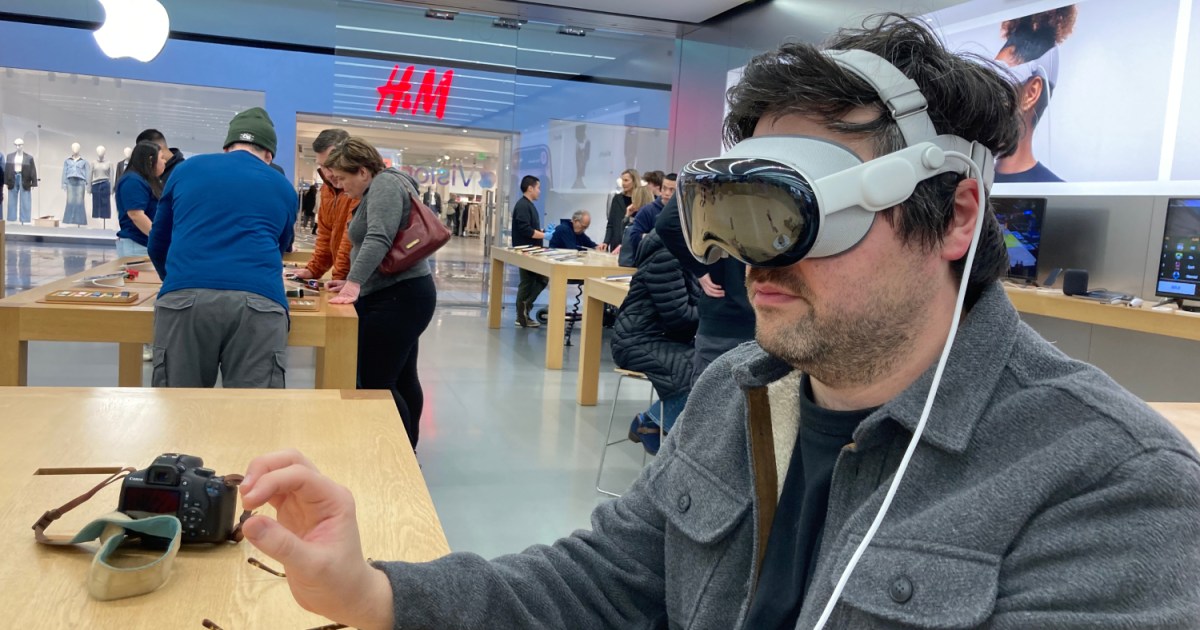
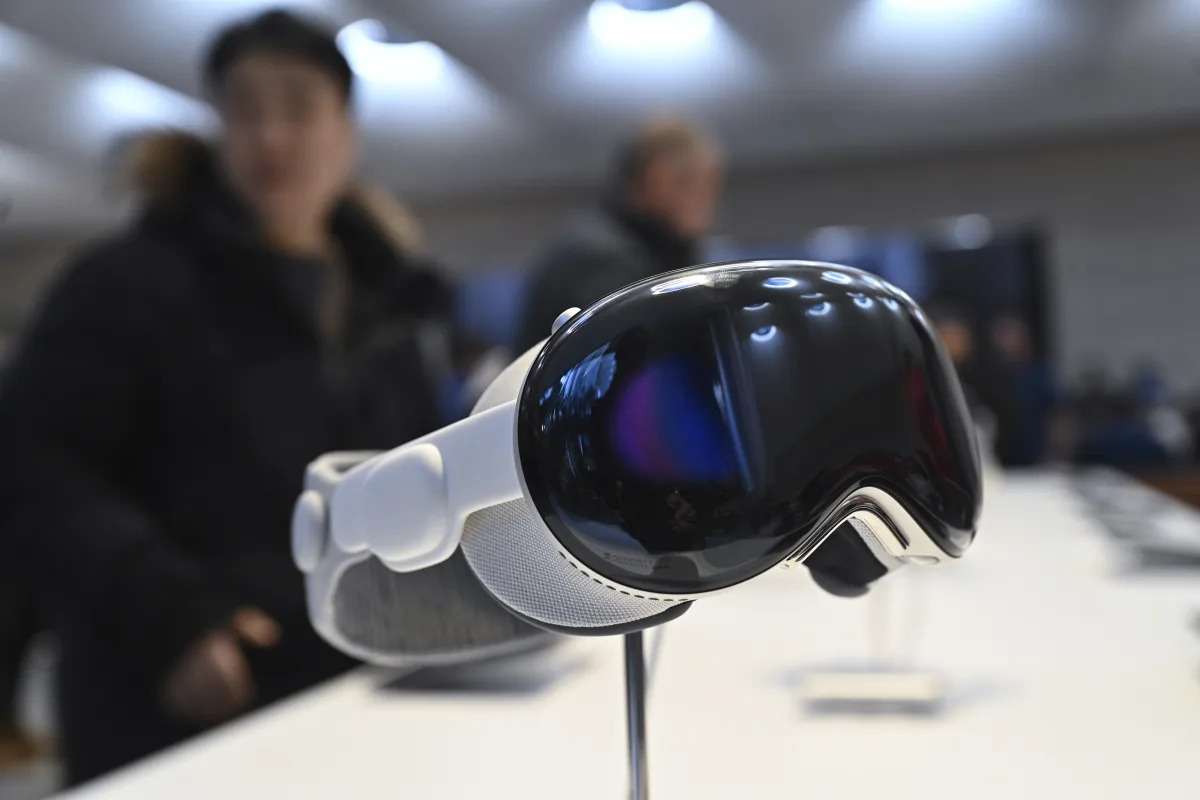
After using the Apple Vision Pro for over a month, the reviewer highlights the addition of new apps and software upgrades, including over 1,000 Vision Pro apps, with favorites like TikTok and Splitscreen. While enjoying immersive 3D movies and shows, the headset's weight and discomfort limit productivity, and the absence of a Netflix app and Google services is noted. Despite its high price, the Vision Pro is seen as paving its own path in the mixed-reality headset category, offering an entertaining but heavy and somewhat lonely experience, with potential for future spatial gaming and sports viewing.
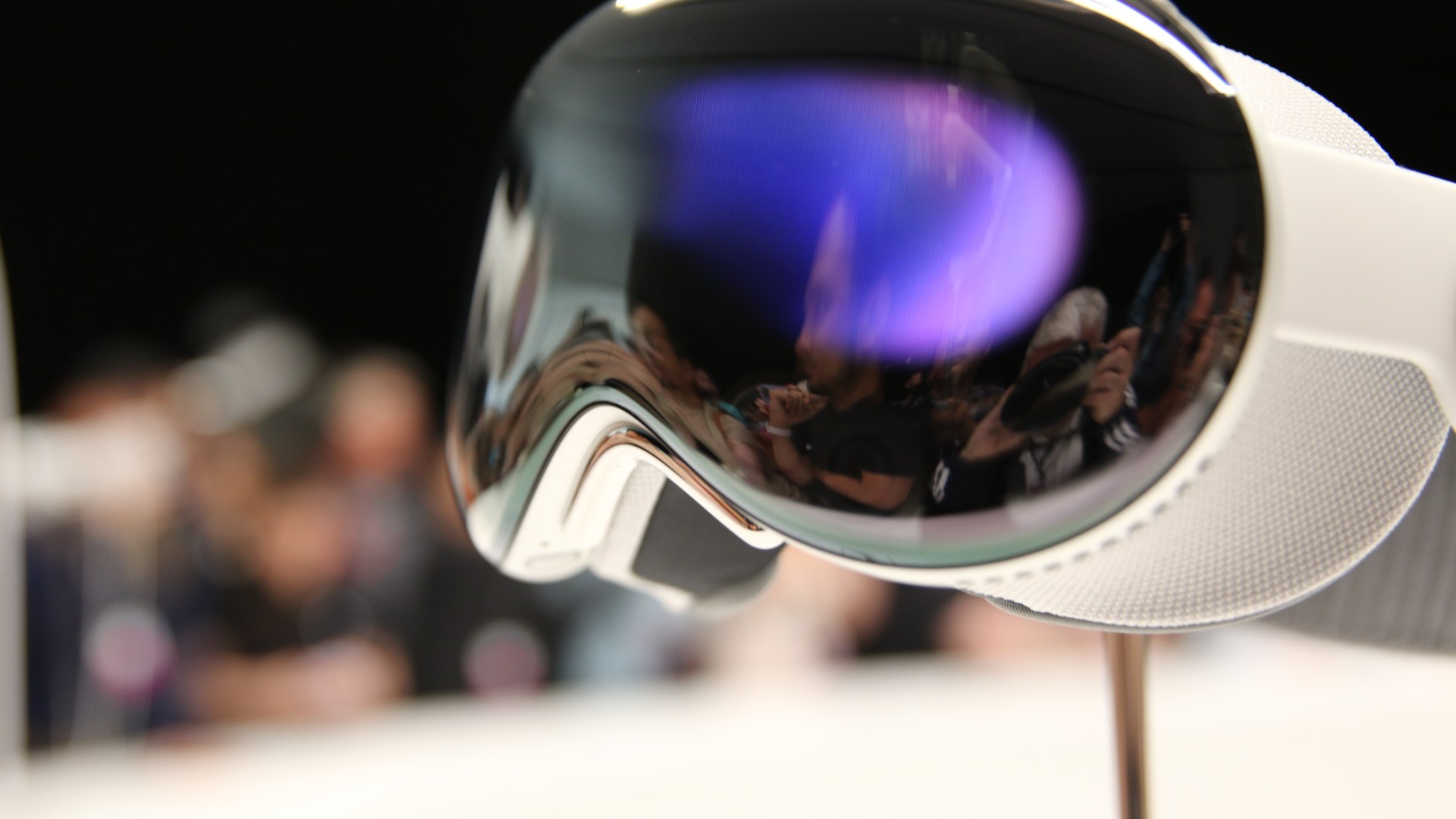
Hugo Barra, former head of Oculus at Meta, referred to Apple's Vision Pro mixed reality headset as an "over-engineered devkit" in a blog post. He sees it as a high-quality devkit designed to capture interest while being realistically focused on developers, but also believes it has the potential to generate mainstream consumer demand for VR devices in the future. Despite its high price and limited app availability, Barra views Vision Pro as a promising device that has increased interest in VR experiences among mainstream users.
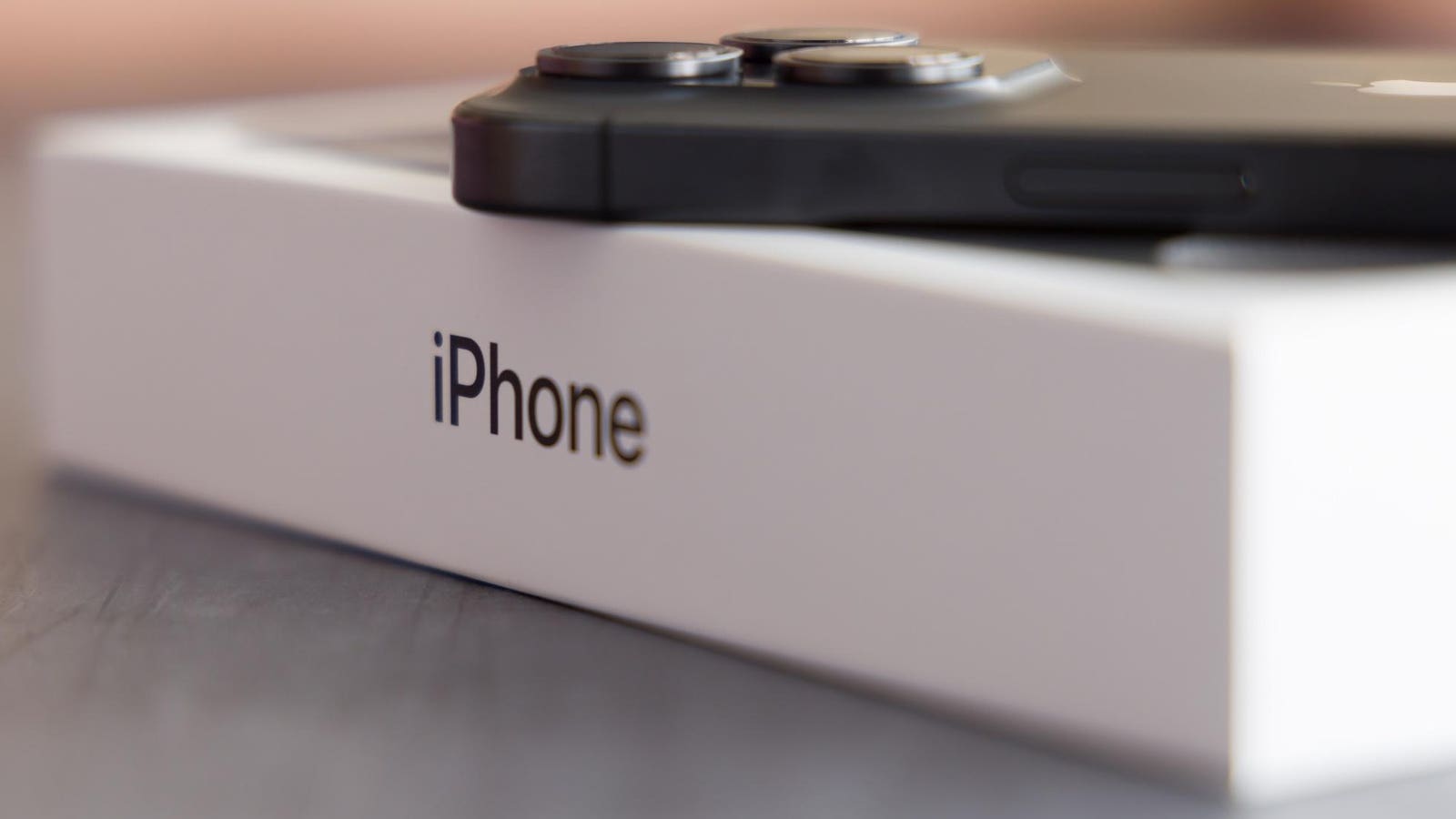
Leaked CAD files reveal that the upcoming iPhone 16 will feature a vertically arranged camera island, potentially to support Apple's mixed reality headset's spatial video feature. The larger iPhone 16 Pro model is also expected to have a similar design with potential upgrades to the telephoto camera and a slightly larger display. Additionally, the iPhone 16 may include a new physical capture button, and the Apple Vision Pro headset is anticipated to become more prevalent in the future, offering users the ability to experience spatial videos captured by the new iPhone models.
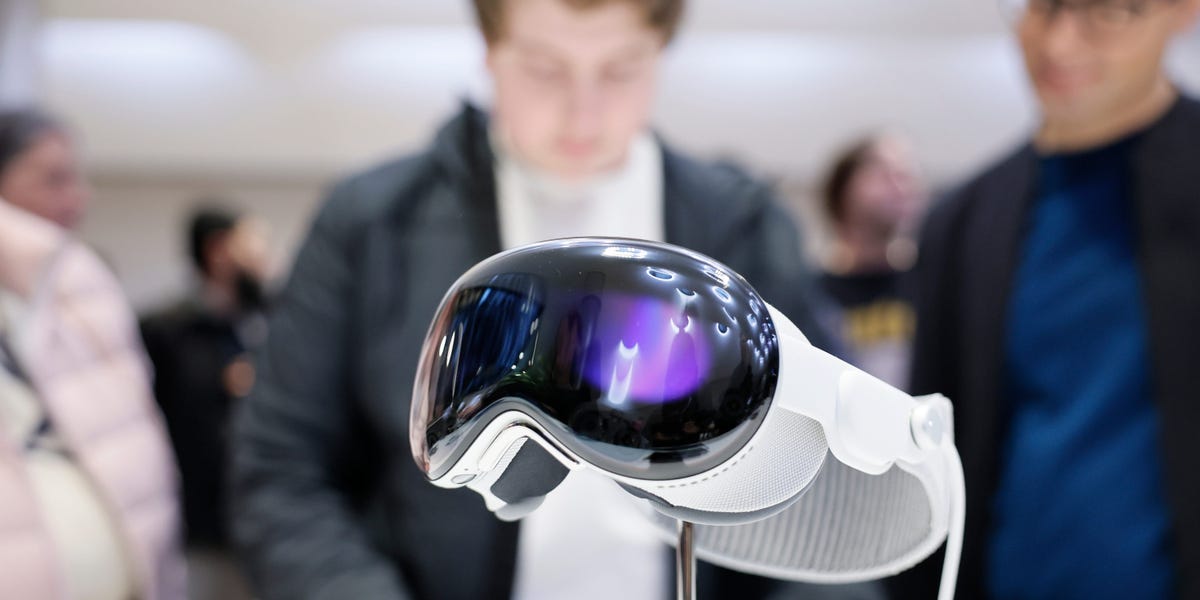
Apple is reportedly working on an entry-level version of its Apple Vision Pro mixed reality headset, aiming to reduce the cost from $3,500 to as low as $1,500 by 2025 or 2026. The company is focusing on cutting the price of the headset's two 4K micro-OLED displays, which currently make up a significant portion of the production cost. Apple is also considering adding new suppliers to its display lineup to reduce production bottlenecks and costs. Additionally, there are discussions about downgrading some of the Vision Pro's tech and functionality to further reduce costs, with the final device likely to be named Apple Vision or Apple Vision One.
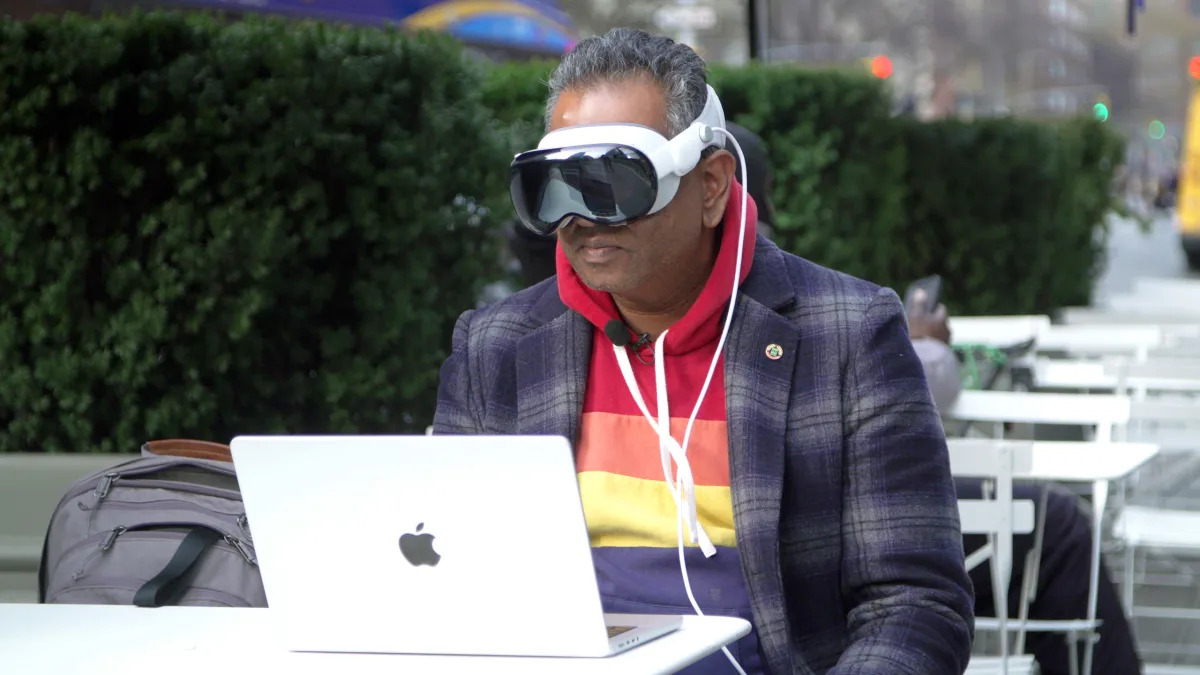
A tech worker, Jacob Wright, wore Apple's Vision Pro headset during his wedding photo shoot, much to his new wife's dismay. The pictures of him wearing the headset while his wife looked disapprovingly went viral. Despite his wife's discomfort with the headset, she mentioned that she wasn't angry about his decision and found it funny. The Vision Pro has only been available for less than a month, but users have already been spotted wearing it in odd places, including while driving, at the gym, and in public transportation.
Despite reports of high-profile Apple fans returning their Vision Pro headsets due to issues like discomfort and lack of content, data from retail sources suggests that return rates are likely average compared to other products. While some early adopters have expressed dissatisfaction, Apple is not overly concerned and is gathering feedback to improve the product. The feedback highlights the need for a second-generation Vision Pro at a more affordable price, as the current version is considered a "version 1.0" product with incredible visuals but practical limitations.
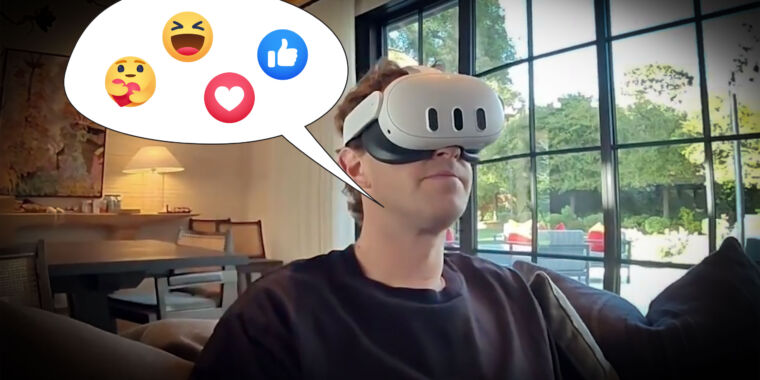
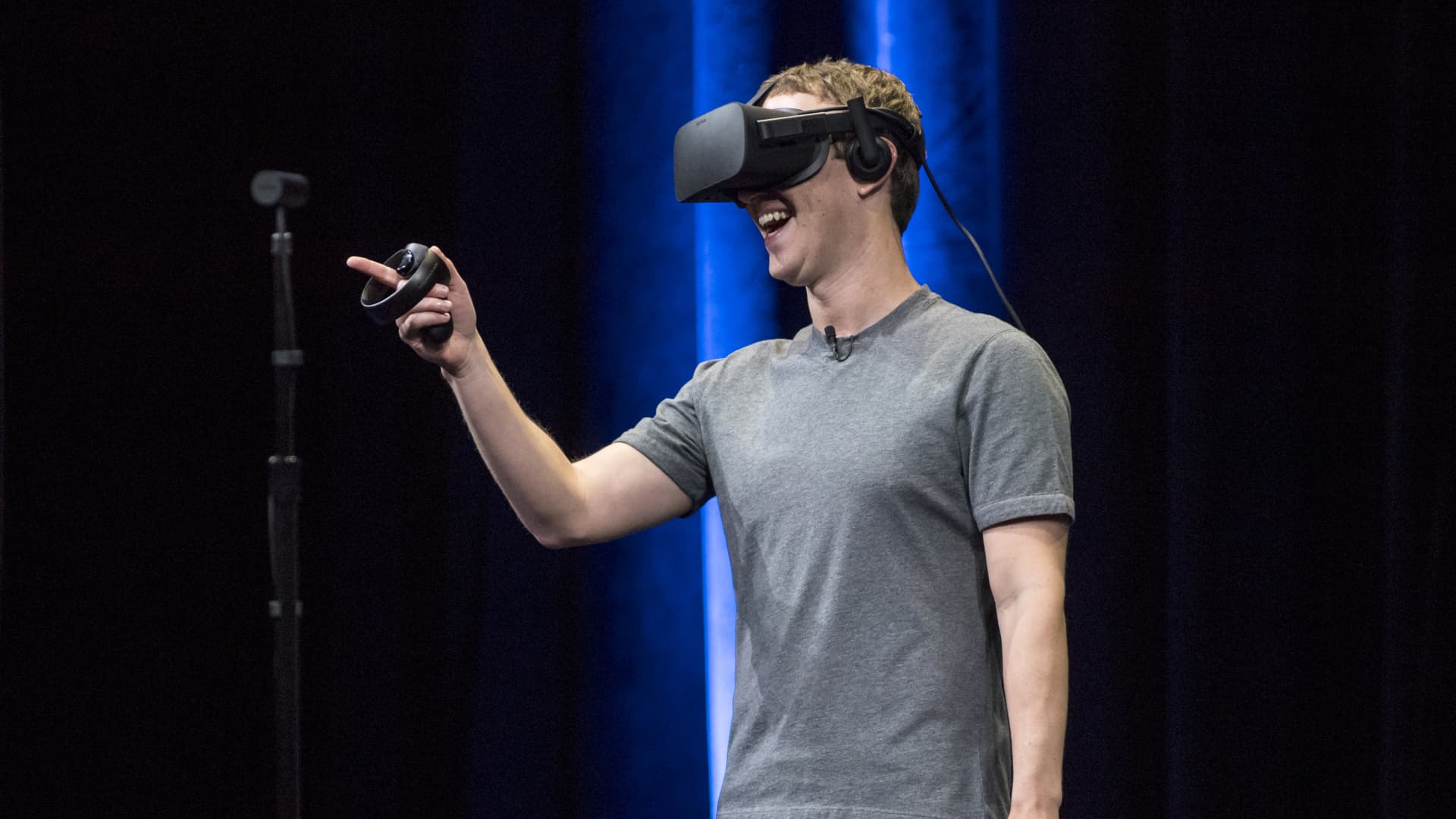
Mark Zuckerberg's review of the Apple Vision Pro is not impartial due to Meta's competing Quest headset line, but it provides insight into the different approaches of Meta and Apple in mixed-reality headset design. Zuckerberg's comparison highlights the superior display quality and virtual environment capabilities of the Vision Pro over the Quest, emphasizing sharper visuals, dynamic virtual displays, and more versatile app positioning.
Apple fans are returning the Apple Vision Pro mixed reality headset due to complaints of triggering headaches, motion sickness, and discomfort, with some users citing a lack of compelling content as a reason for returning the $3,499 device. Apple advises gradual use and taking regular breaks, while warning that the device may aggravate certain medical conditions.
Meta CEO Mark Zuckerberg compared Apple's Vision Pro mixed-reality headset to Meta's Quest 3, emphasizing the latter's value and product superiority in an Instagram video. While acknowledging the Vision Pro's higher resolution and eye tracking, Zuckerberg highlighted the Quest 3's comfort, content library, field of view, hand tracking, and screen brightness. With the Vision Pro priced $3,000 higher, the competition between Apple and Meta reflects differing approaches to mixed-reality technology. Apple's Vision Pro was launched at $3,500, while Meta's Quest 3 starts at $500. Zuckerberg expressed confidence in Meta's open model for headsets, emphasizing that the future is uncertain.
Apple has released a visionOS 1.0.3 update for its Vision Pro headset, allowing owners who forget their passcodes to reset their device and start over with a fresh install, eliminating the need to visit an Apple Store or contact customer support. This update, the first since the headset's public launch, also includes bug fixes and aligns the device more closely with the rest of Apple's products. The $3,500 headset has been described as a mix of fascination and frustration, better suited for developers or wealthy Apple fans than the general public.
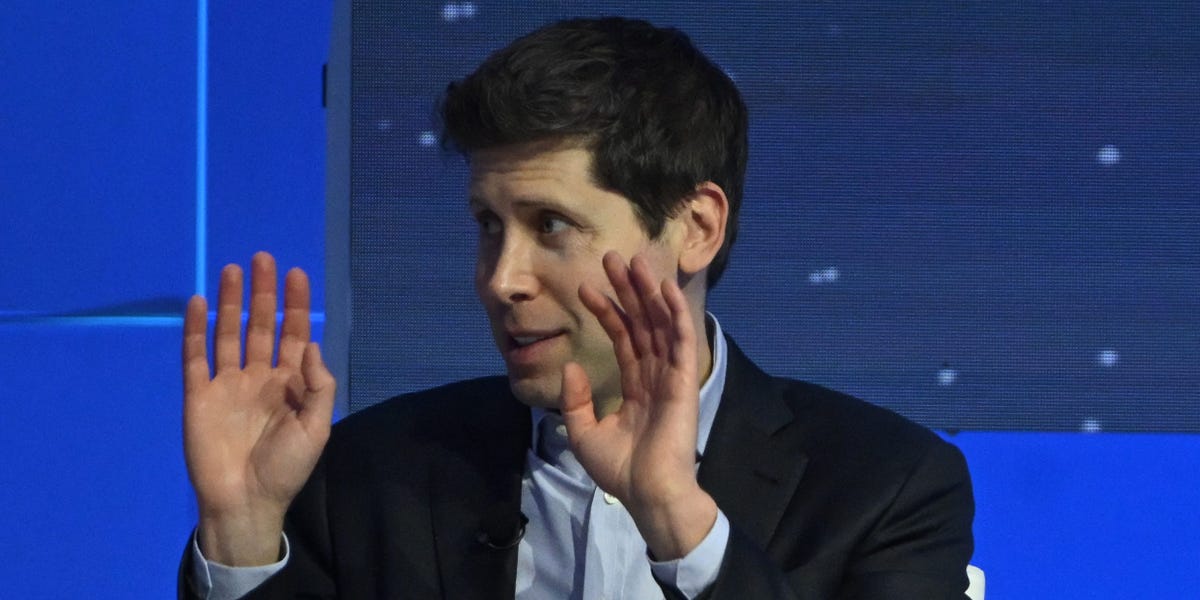
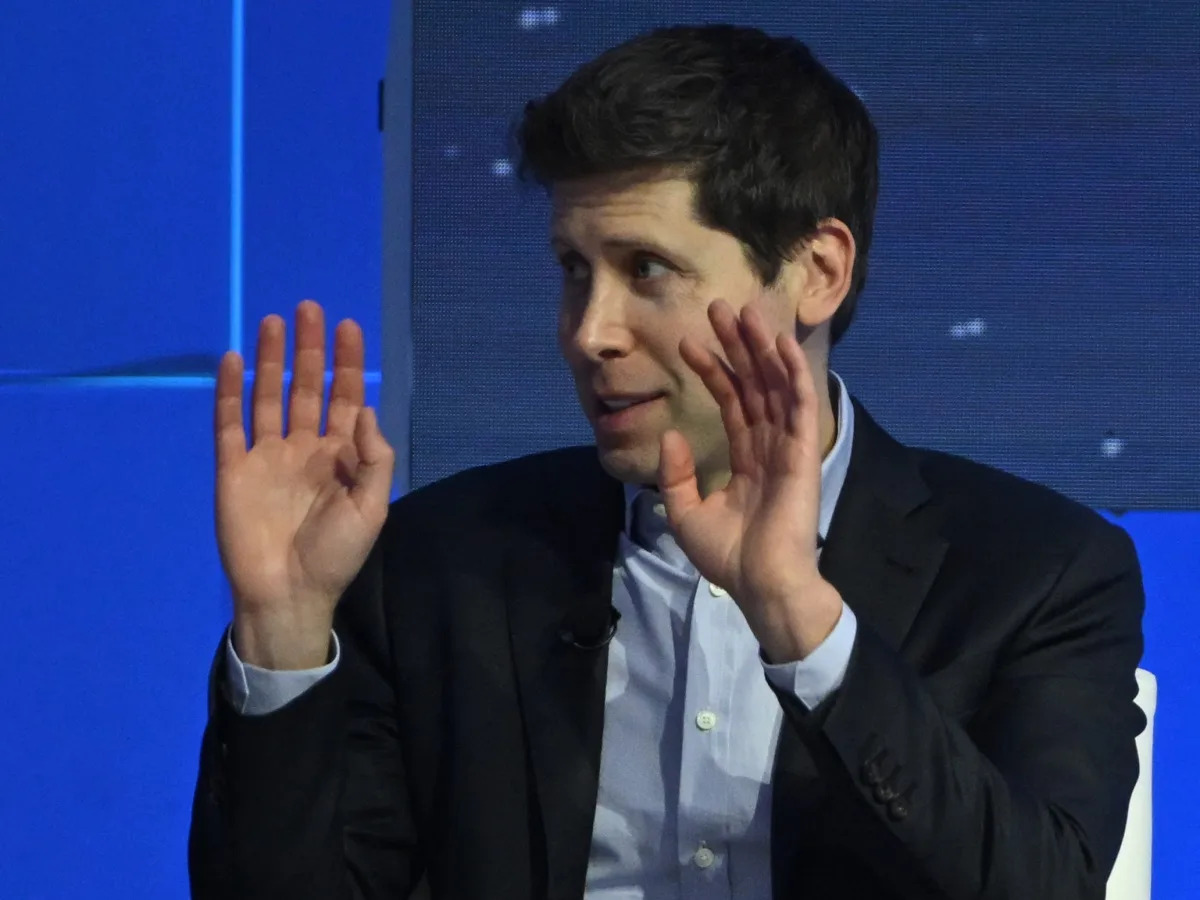
OpenAI CEO Sam Altman praised Apple's Vision Pro as the "second most impressive" technology since the iPhone, highlighting its potential to usher in a new normal. The mixed-reality headset allows users to interact with digital media integrated with the real world, with Altman hinting that artificial intelligence, possibly referring to OpenAI's ChatGPT, is the most impressive technology. Altman has expressed ambitions for ChatGPT to become a "supersmart personal assistant" for work, despite his dislike for its name.
OpenAI CEO Sam Altman praised Apple's Vision Pro as the "second most impressive" technology since the iPhone, highlighting its potential to usher in a new normal. He also lauded OpenAI's ChatGPT as a groundbreaking technology. Altman's comments come after the release of the Vision Pro, a mixed-reality headset that integrates digital media with the real world, allowing users to control it with their eyes and fingers. While he didn't specify the most impressive technology, it's likely he was referring to artificial intelligence, particularly ChatGPT, which he envisions as a "supersmart personal assistant" for work.
Apple Vision Pro users who forget their passcodes may have to go to an Apple Store or mail their mixed reality headset to AppleCare customer support to have it reset, as there's currently no way to do it at home. Some users have reported being locked out even after entering the correct passcode, and Apple's Genius Bar personnel have reportedly struggled to reset the headset in at least one instance. The process to change the passcode could potentially be updated through a software update in the future.