Gusto acquired Guideline for approximately $600 million, aiming to divest Guideline's accounts linked to rival payroll providers, potentially increasing investor returns. The deal follows Guideline's previous valuation of $1.15 billion and its profitable status, despite competitive pressures from rivals like Human Interest.

Rhode Island's public employee retirement plan, managed by TIAA, faces scrutiny due to high costs, lack of transparency, and restrictions on accessing funds, highlighting broader issues in American retirement savings and conflicts of interest in financial management.
The Treasury and IRS issued final regulations on SECURE 2.0 Act provisions, including rules for Roth catch-up contributions for higher-income employees and increased contribution limits, with most rules applying from 2027 and guidance for plan administrators to comply with the new requirements.
Despite market downturns, analysts believe that including digital assets in US 401(k) retirement plans could unlock billions in new capital, potentially driving Bitcoin's price above $200,000 by the end of 2025, with a conservative 1% portfolio allocation estimated to bring in an additional $122 billion.
The Biden administration is reevaluating guidance for including private credit, real estate, and crypto in retirement plans, as private credit gains popularity for its high returns and diversification benefits, but also poses risks due to its illiquidity and lack of regulation. Experts advise caution, especially for average investors, as these investments are typically suited for the affluent and carry higher fees and risks. While more retail investors are interested in private company investments, financial advisors warn that 401(k)s may not be the best place for high-risk strategies.
President Trump signed an executive order to encourage the inclusion of alternative assets like cryptocurrencies, private equity, and real estate in 401(k) retirement plans, prompting a re-evaluation of guidelines by the Labor Department. While this signals a shift towards more diverse investment options, experts caution that fiduciaries will proceed carefully due to legal and prudence considerations, especially given the opaque nature of some assets like private equity and crypto.
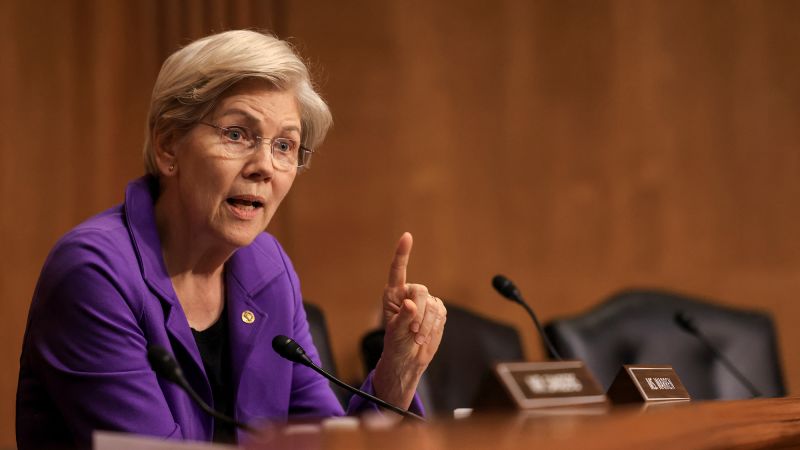
Senator Elizabeth Warren opposes the inclusion of private equity in 401(k) plans, raising concerns about risks, costs, and transparency, as Empower plans to offer this option with safeguards. The debate highlights ongoing questions about expanding access to private markets within retirement savings, with regulatory bodies also exploring these issues.
The article discusses recent developments in student loan debt collection, including wage garnishments by the Trump administration, and explores how employers can support employees with student debt through benefits like retirement match contributions, PTO exchanges, financial counseling, and educational assistance programs, which could help improve financial wellbeing and reduce stress.
The Trump administration has rescinded the Biden-era warning on cryptocurrencies in retirement plans, adopting a neutral stance and leaving investment decisions to fiduciaries, but this shift is unlikely to lead to a significant increase in crypto investments within 401(k)s due to ongoing risks and fiduciary responsibilities.
A controversial proposal by economists Andrew Biggs and Alicia Munnell suggests limiting tax perks for retirement savings plans to bolster Social Security's funding gap, sparking opposition from critics who argue that removing tax benefits would discourage saving. The proposal aims to redirect funds from retirement plans to shore up Social Security, providing immediate funding while allowing time for lawmakers to consider other changes. Despite pushback, both economists stand by their stance, emphasizing the need to reevaluate the impact of tax preferences on retirement saving behavior.
3M announced it will freeze pension plans for non-union U.S. employees at the end of 2028, affecting both 3M employees and those at the health care company it is spinning off this year. The move is aimed at cost-saving and transitioning towards 401(k) retirement plans, with CEO Mike Roman stating that the decision is important for setting up future success. The freeze will not impact former employees with vested benefits, retirees, and those receiving pension annuity payments, and affected employees will receive five years of advance notice to plan alternative strategies for their post-retirement income needs.
New research suggests that investing solely in stocks may provide better value for retirement plans compared to relying on bonds, which have experienced significant losses in recent years. This finding challenges the traditional belief that bonds offer stability and peace of mind for investors. Financial advisors may need to reconsider the 60/40 allocation strategy that includes both stocks and bonds.
The IRS has announced the new income tax brackets for 2024, which have been adjusted to account for inflation. The brackets have been raised by 5.4%, with seven brackets ranging from 10% to 37% for individual single taxpayers. The dividend tax brackets have also increased. The standard deduction has been raised for married couples filing jointly, and retirement plan contribution limits have been raised as well. Additionally, the maximum amounts for Health Savings Accounts (HSA) and Flexible Spending Accounts (FSA) have been indexed higher. Taxpayers should review the IRS announcement for all the details, as there are other changes to various tax categories.
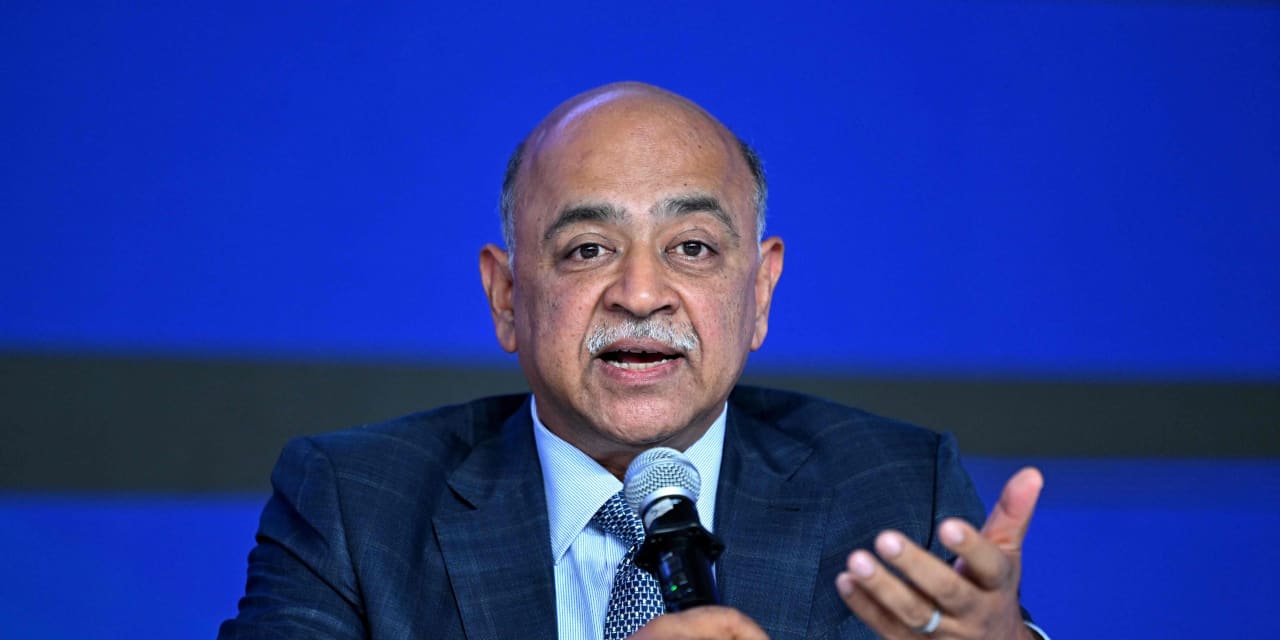
IBM's new 401(k) strategy has raised concerns among its workers as it could potentially threaten their retirement plans. The company is implementing a cash balance plan, which combines elements of a traditional pension plan and a 401(k), but some employees fear that it may result in reduced benefits and less control over their retirement savings. This move by IBM highlights the ongoing challenges faced by workers in securing their financial future.
The number of Americans making hardship withdrawals from their 401(k) retirement plans is increasing as high inflation continues to impact their finances. Bank of America's data shows a 13% rise in hardship withdrawals from July to September 2023, with individuals withdrawing an average of $5,070. These withdrawals come with income tax obligations and potential early withdrawal fees, but the penalty can be waived for qualified hardships. Americans are also relying on savings and accumulating credit card debt to cover essential expenses. The Federal Reserve is expected to report a record-high credit card debt, raising concerns due to high interest rates.