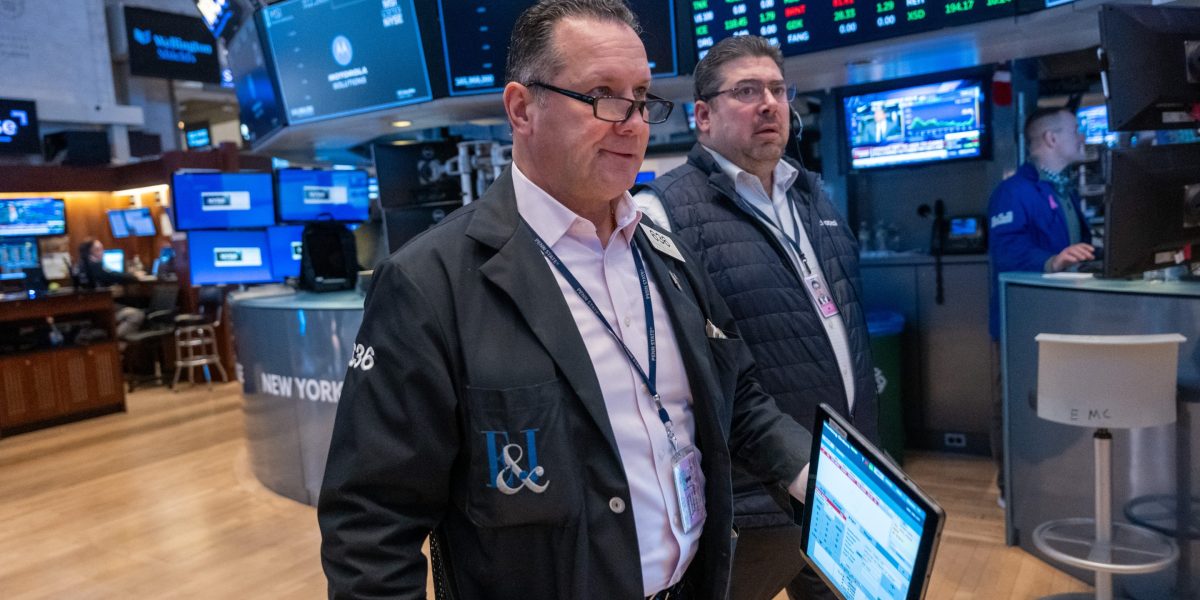
Most heirs do not plan to keep their benefactors' wealth advisors, often because they already have their own or lack a relationship with the original advisor. Benefactors are generally indifferent about whether their heirs continue using the same advisors, and many do not discuss estate plans with their families, which can complicate wealth transfer. The trend suggests a shift towards heirs managing wealth independently or through their own advisors, emphasizing the importance of early estate planning conversations.

CNBC's Financial Advisor 100 for 2025 ranks the top financial advisory firms in the U.S., highlighting their assets under management, experience, and credentials, to help investors find trustworthy advisors amid economic uncertainty.
Despite the successful launch of Bitcoin ETFs, financial advisors remain hesitant to recommend them to clients due to concerns about volatility, regulatory compliance, and the lack of a long-term performance track record. While some advisors are researching Bitcoin ETFs and see potential for future adoption, many are still cautious, especially those with conservative client bases. The slow uptake is attributed to the need for more market stability, clearer regulations, and increased trust in the asset class.
Bitcoin's fourth halving is set to occur, reducing the mining rewards available and impacting the supply of BTC. The reduced new supply could potentially affect the price of bitcoin, but its impact may be overshadowed by ETF flows. The halving creates a supply shock, historically leading to dramatic price increases, and follows a distinct four-year cycle. Potential strategies for investors include buying and holding, as crypto volatility can be challenging to manage. Additionally, the impact of the halving on the market may be relatively trivial in the context of institutional adoption.
Fisker, facing financial challenges and potential delisting, has reportedly hired restructuring advisers amid discussions with Nissan for a partnership on electric trucks. The company recently announced new vehicle designs and a retreat from its direct-sales model. Despite a 300% increase in deliveries, Fisker's stock has plummeted after news of hiring financial advisers for a possible bankruptcy filing, though the company's future path remains uncertain.
Despite the billions in new assets accumulated by the new Bitcoin exchange-traded funds (ETFs), financial advisors are not actively promoting them to clients due to restrictions imposed by large wealth management firms. Advisors are generally not permitted to discuss these spot Bitcoin funds unless specifically asked by clients, limiting their ability to engage with the growing cryptocurrency market.
LPL Financial Holdings Inc. has announced its definitive purchase agreement to acquire Atria Wealth Solutions, Inc., a wealth management solutions holding company supporting approximately 2,400 advisors and 150 banks and credit unions with around $100 billion of brokerage and advisory assets. The acquisition is expected to be completed in mid-2025, subject to regulatory approval and other conditions. Atria will transition its brokerage and advisory assets to the LPL platform, and the agreement involves financial and legal advisors from both parties.
The annual Exchange ETF conference in Miami Beach is drawing over two thousand attendees, with topics including the rise of bitcoin ETFs, the impact of artificial intelligence on investing, and strategies for diversifying equity allocation beyond the popular "Magnificent 7" tech stocks. Financial advisors are also exploring human-centric advice to engage clients on a more personal and emotional level. Notably absent from the discussions is any focus on international investing, particularly China, as political risk has led investors to flee China and seek emerging market exposure elsewhere.
Financial advisors are cautioning investors to approach the current stock market rally with caution, urging them not to fall prey to irrational exuberance. While the S&P 500 and Dow Jones Industrial Average have seen significant gains over the past year, advisors advise investors to stick to their long-term goals and time frames rather than making hasty changes based on short-term market movements. History has shown that staying invested in the market is more important than trying to time it, as missing the best days can significantly impact returns. Investors are advised to review their risk tolerance and time horizon, and consider rebalancing their portfolios if necessary.
New research suggests that investing solely in stocks may provide better value for retirement plans compared to relying on bonds, which have experienced significant losses in recent years. This finding challenges the traditional belief that bonds offer stability and peace of mind for investors. Financial advisors may need to reconsider the 60/40 allocation strategy that includes both stocks and bonds.
The 60-40 portfolio, which allocates 60% to stocks and 40% to bonds, has made a comeback in 2023, delivering over 11% returns so far this year. However, despite its historical popularity, many financial advisors rarely use this strategy. The 60-40 portfolio is seen as a generic option that may not suit individual investors' specific needs and goals. Wealth managers often tailor portfolios based on factors such as age, income, risk tolerance, and investment objectives. While the 60-40 portfolio remains a solid starting point, professionals suggest spicing it up with alternative investments like private credit and municipal bonds to enhance returns and reduce risk.
President Biden delivered remarks on protecting Americans' retirement security, highlighting the need to crack down on unfair and deceptive junk fees that burden families' budgets. He emphasized the importance of promoting competition and lowering costs for families, and announced additional actions to eliminate junk fees in retirement savings. The Department of Labor is proposing a new rule that would require financial advisors to act in the best interest of their clients, closing loopholes and penalizing those who breach their fiduciary duty. The goal is to protect workers, save for retirement, and ensure fairness in the economy.
Private bankers and wealth advisors suggest several strategies for investing $1 million over the next decade, including diversifying the portfolio, considering long-term investments, and seeking professional advice.
Financial advisors are warning that purchasing big-ticket items like second homes or boats can have a detrimental impact on long-term retirement planning. These purchases can divert funds that could be invested in more liquid assets, potentially hindering financial goals. Advisors emphasize the importance of carefully considering the financial impact of such purchases, including the costs of maintenance, insurance, and the potential sacrifice of investment growth. Renting is suggested as a more efficient alternative for enjoying destinations without jeopardizing retirement savings.
Morgan Stanley has launched its generative AI assistant, based on OpenAI's GPT-4 software, for all financial advisors and support staff. The AI @ Morgan Stanley Assistant provides quick access to the bank's database of research reports and documents, freeing up time for advisors to engage more with clients. The tool requires advisors to phrase questions in full sentences, similar to speaking to a human, and has undergone extensive testing to ensure quality responses. This is the first of several generative AI solutions planned by the bank, which aims to revolutionize client interactions and improve advisor practices.