South Korean e-commerce giant Coupang faces a U.S. securities class action lawsuit alleging it misled investors about its data security practices and failed to disclose a major data breach that exposed personal information of over 33 million customers, potentially violating securities laws and prompting investigations.
Andrew Ross Sorkin warns that today's stock market, driven by AI and technology booms, bears striking similarities to the 1929 pre-crash market, with concerns over overvaluation, speculation, and loosening regulations raising fears of an impending crash.
Due to the government shutdown and reduced SEC staff, companies can now use an automatic approval process to proceed with IPOs without providing pricing information, leading to post-sale vetting which raises concerns about investor protection.
Crypto companies are rapidly launching tokenized stocks, which pose risks to investors and market stability due to lack of traditional protections and regulatory oversight, sparking concerns among regulators and Wall Street.
Rhode Island's public employee retirement plan, managed by TIAA, faces scrutiny due to high costs, lack of transparency, and restrictions on accessing funds, highlighting broader issues in American retirement savings and conflicts of interest in financial management.
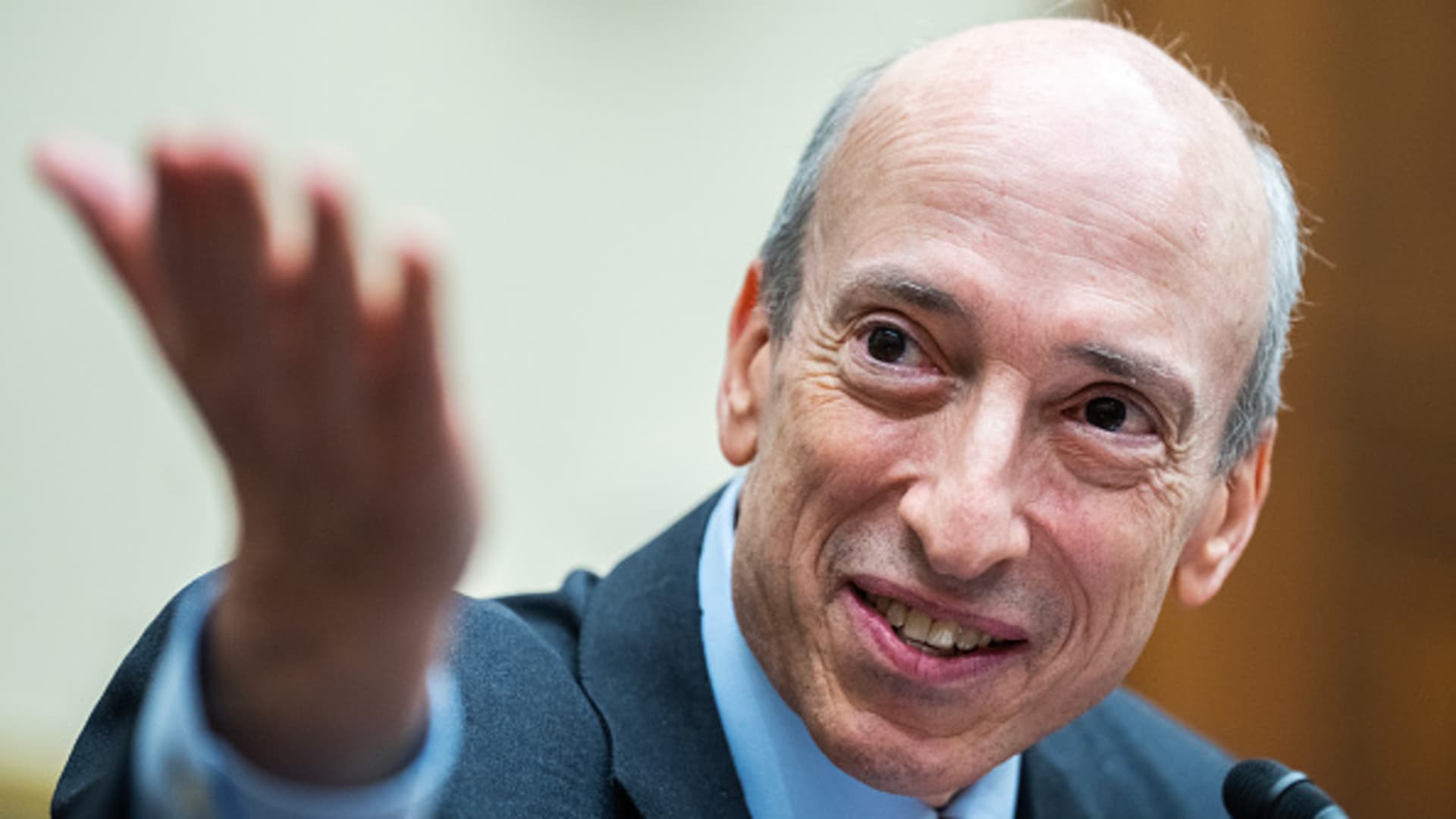
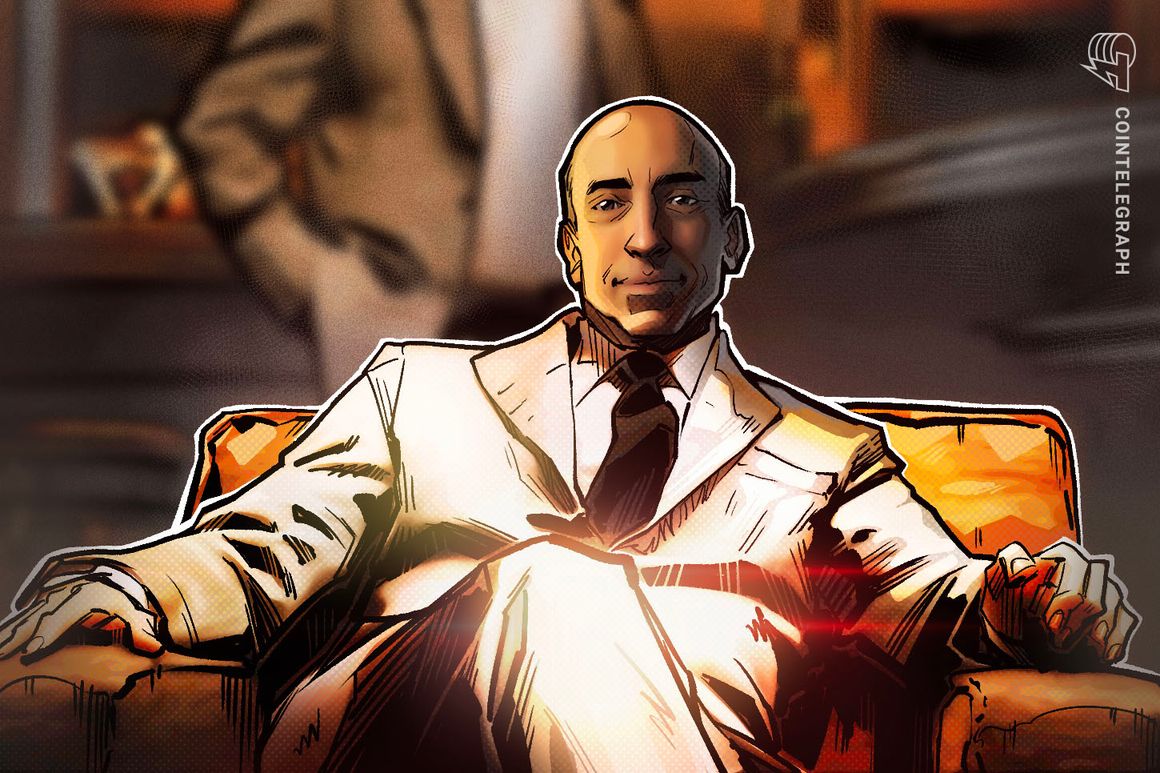
SEC Chairman Gary Gensler defended his regulatory approach to crypto markets, emphasizing investor protection and compliance, while hinting at the end of his tenure. Speaking at a securities regulation event, Gensler highlighted the SEC's consistent oversight in crypto, focusing on non-compliant participants rather than the entire market. He noted the approval of Bitcoin futures ETFs as a step towards transparency and lower fees. As his term concludes, Gensler's influence on crypto regulation remains significant.
The Securities and Exchange Commission, led by Chair Gary Gensler, is set to vote on new rules aimed at reining in SPACs, or Special Purpose Acquisition Companies, which are formed to raise capital through an IPO for the purpose of acquiring or merging with another company. The proposed rules seek to enhance disclosure requirements, align legal liabilities for de-SPAC transactions with traditional IPOs, and eliminate "safe harbor" protection for forward-looking statements, in an effort to protect investors from potential fraud and conflicts of interest. Gensler has been critical of SPACs and their associated high fees, and the SEC acknowledges a decline in SPAC activity but emphasizes the need for investor protections regardless of market fluctuations.
The Securities and Exchange Commission (SEC) has adopted amendments to the Investment Company Act "Names Rule" to prevent misleading or deceptive investment fund names. The amendments require funds with names suggesting a particular investment focus to adopt an 80 percent investment policy, review their portfolio assets quarterly, and comply with enhanced prospectus disclosure requirements. The amendments also introduce additional reporting and recordkeeping requirements. The new rules aim to align a fund's portfolio with its name, promote fund integrity, and protect investors. The amendments will become effective 60 days after publication in the Federal Register, with compliance deadlines ranging from 24 to 30 months depending on the fund's net assets.
A top financial regulator, Christy Goldsmith Romero, is advocating for the creation of a national registry to track financial fraud, allowing law enforcement and investors to identify and vet bad actors. The registry would include companies and individuals convicted of or fined for financial crimes, providing a one-stop site for investors to verify those pitching financial services and flagging possible repeat offenders for law enforcement. The proposal aims to prevent fraud and protect investors, particularly in light of the increasing prevalence of cryptocurrency-based scams. Americans reported losing $3.8 billion to investment scams in 2022 alone. Goldsmith Romero plans to circulate the idea for feedback among federal agencies, Capitol Hill, and outside groups.
CFTC Commissioner Christy Goldsmith Romero emphasizes the need for regulators to keep pace with technology in order to modernize investor protection. She highlights the importance of understanding technological advancements and their implications for finance and law. Romero proposes the creation of a National Financial Fraud Registry, which would serve as a centralized record of all financial fraud convictions and civil fines. She also discusses the use of technological tools, such as social media and data analytics, in enforcement efforts. Romero emphasizes the need for federal and state regulators to work together to build a safer financial system that harnesses the benefits of technology while protecting investors and financial stability.
The Massachusetts Supreme Judicial Court has upheld the state's fiduciary duty rule, which requires brokers to act in the best interests of their clients. The court's decision reverses a lower-court ruling that struck down the rule and holds Robinhood accountable for violating it. Better Markets, a non-profit organization advocating for investor protection, filed an amicus brief in support of the rule. The court rejected claims that the rule exceeded the Secretary's authority and found that it is not preempted by the SEC's "best interest" rule. This victory is seen as a significant win for Main Street investors and highlights the need for stronger investor protections nationwide.
Pro-XRP lawyer, John Deaton, argues that the actions taken by the SEC against the crypto industry prioritize corporate capitalism over investor protection. Deaton criticizes the SEC's unequal treatment of industry players, such as Coinbase and Ripple, and its focus on targeting exchanges instead of addressing fraud within the crypto space. He also highlights the SEC's opposition to retail investors participating in the Ripple case, suggesting a preference for larger financial institutions. Deaton's concerns raise questions about the effectiveness and fairness of the SEC's regulatory framework for digital assets.
The United States Securities and Exchange Commission (SEC) is aggressively targeting cryptocurrency platforms like Coinbase and Binance, arguing that they need to comply with regulations to protect investors. SEC Chairman Gary Gensler believes that the current cryptocurrency system is deeply flawed and poses risks to the investing public. The SEC's concerns include the commingling of investor funds and the lack of compliance with security laws that govern conventional markets. Gensler aims to bring these corporations into compliance and eliminate the risks associated with unregulated digital currency. However, the cryptocurrency industry is resisting regulation, leading to a battle between the SEC and crypto agencies. The future of cryptocurrency in the US remains uncertain as the SEC seeks to assert control over the industry.
The Monetary Authority of Singapore (MAS) has announced new measures to enhance investor protection and market integrity in the cryptocurrency industry. By the end of the year, crypto service providers will be required to hold customer assets in a statutory trust to mitigate the risk of loss or misuse. The MAS also plans to restrict crypto firms from facilitating lending or staking for retail customers, while allowing such activities for institutional investors. The new regulations aim to address industry implosions and the crypto lending crisis that have affected firms in Singapore.
The Securities and Exchange Commission (SEC) has charged William K. Ichioka, founder of Ichioka Ventures, with fraudulently raising $25 million from investors by making false claims about his investing success and promising large anticipated returns, but instead using investor funds for personal use, including gambling and luxury purchases. Ichioka has agreed to resolve the charges against him, including permanent and conduct-based injunctions, an officer and director bar, and reserving issues of disgorgement, prejudgment interest, and a civil penalty for further determination by the court. The U.S. Attorney’s Office for the Northern District of California and the Commodity Futures Trading Commission have also announced charges against Ichioka.