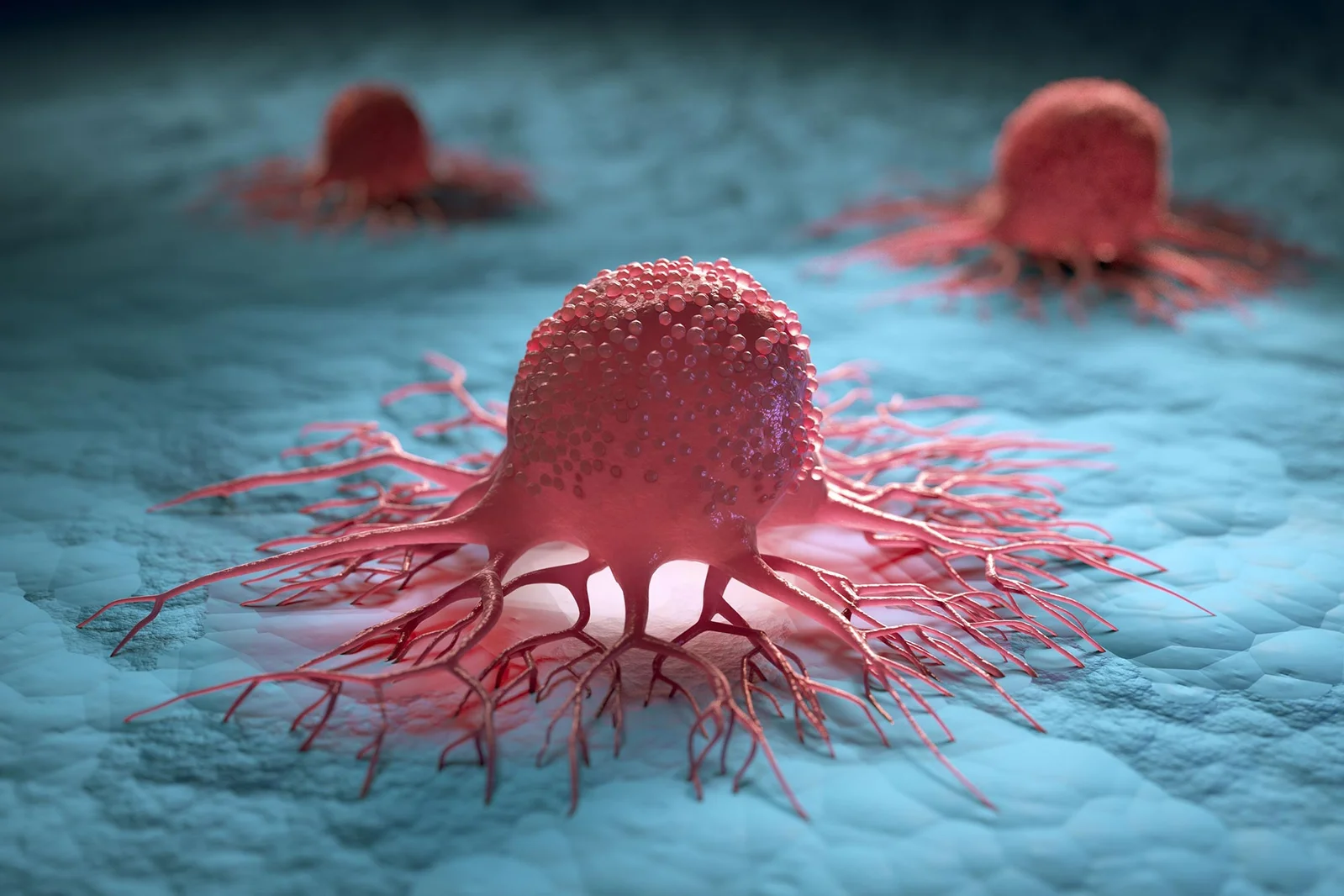
Scientists have discovered that a vitamin A metabolite, retinoic acid, can suppress the immune system's ability to fight cancer by promoting immune tolerance. They developed inhibitors that block this pathway, restoring immune responses and improving cancer vaccine efficacy, paving the way for new immunotherapy treatments.
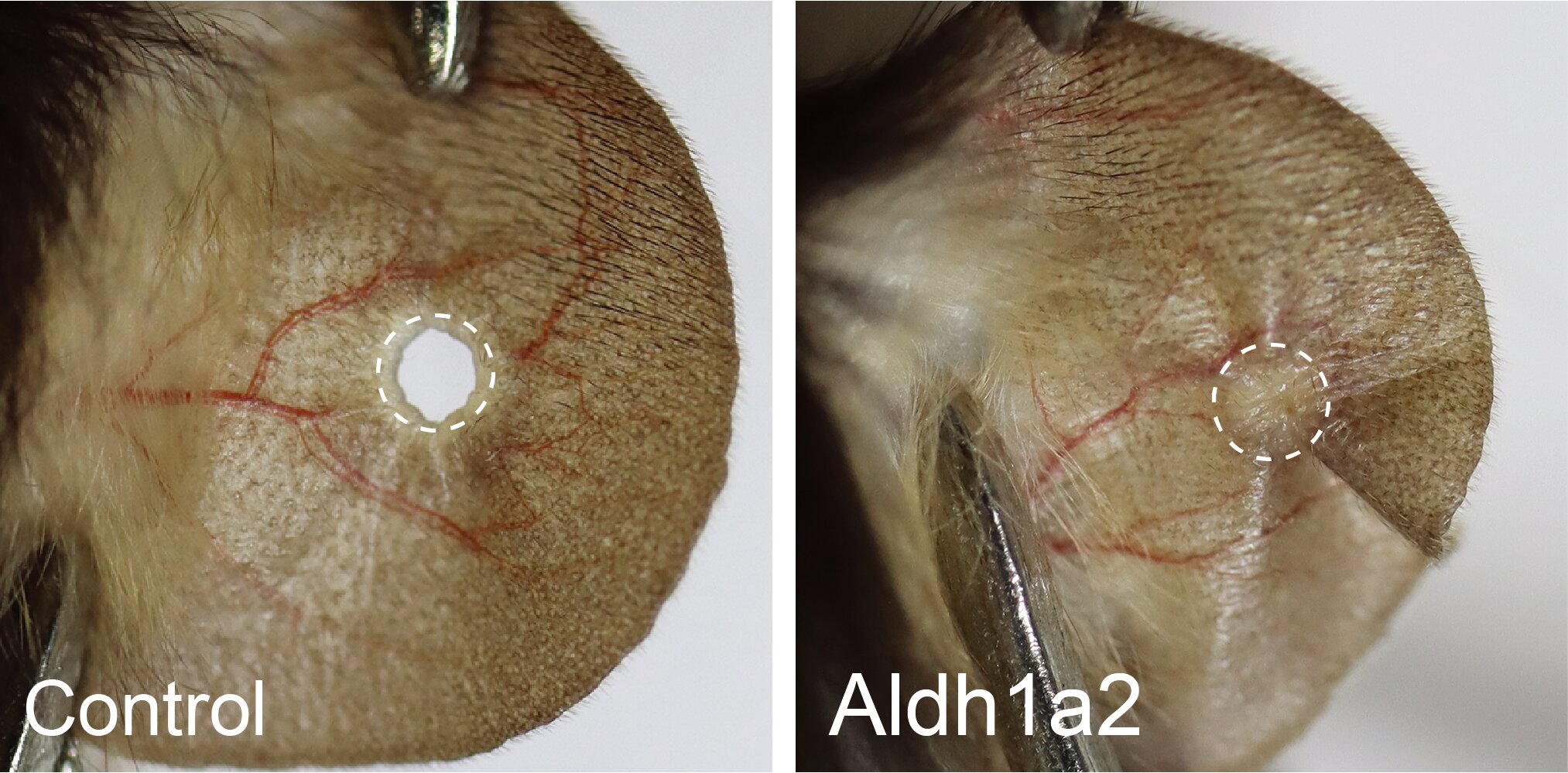
Researchers have discovered that activating a dormant gene, Aldh1a2, in mice can restore their ability to regenerate ear tissue, including cartilage and nerves, by increasing retinoic acid production. This finding suggests potential pathways to enhance regenerative medicine in mammals by reactivating ancient genetic mechanisms that have been silenced over evolution.
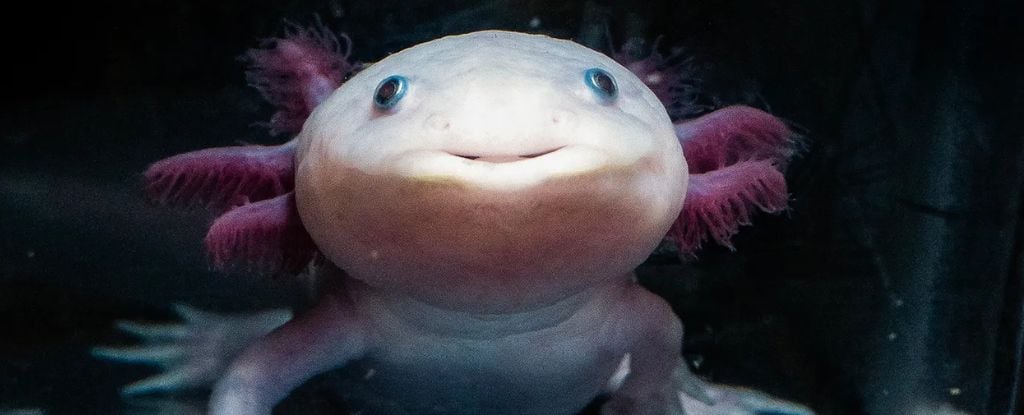
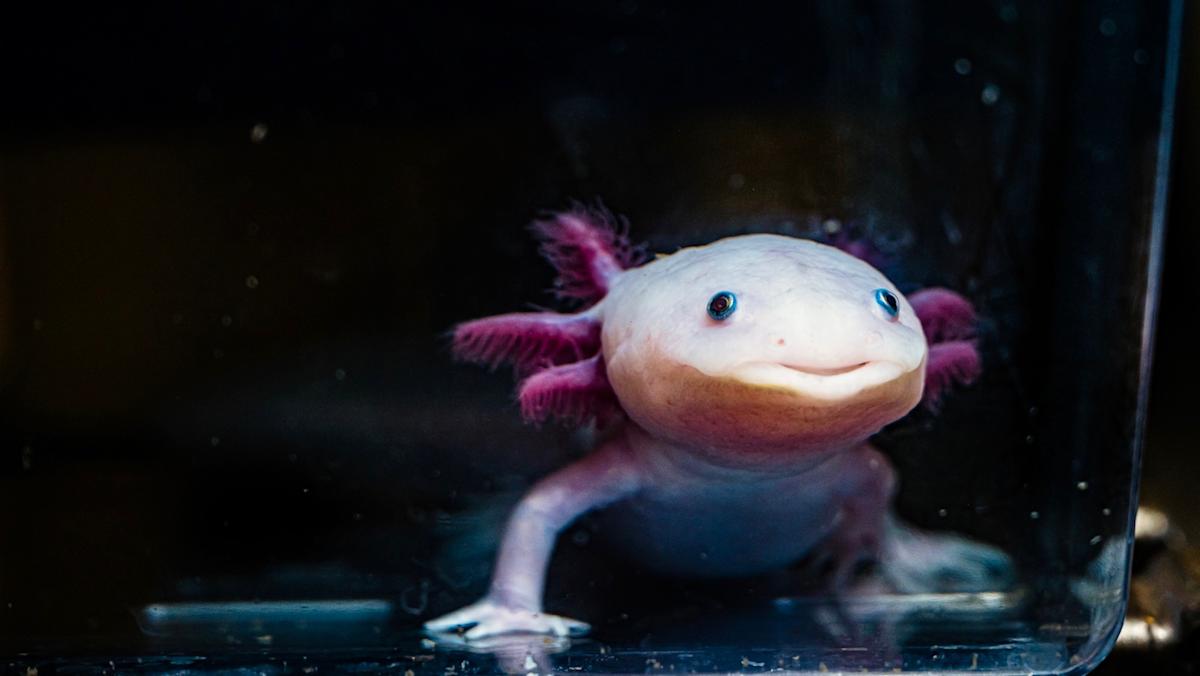
Scientists have identified a key molecule, retinoic acid, involved in axolotl limb regeneration, which could lead to advances in human regenerative medicine, including scar-free healing and limb regrowth. The research suggests that understanding and manipulating cellular responses to these signals in humans might one day enable us to grow back limbs or repair tissues more effectively.
Scientists at Northeastern University have uncovered how axolotls regenerate limbs by controlling the degradation of retinoic acid through the enzyme CYP26B1, creating a chemical gradient that guides cellular regeneration, and identified the Shox gene as crucial for proximal limb development, paving the way for potential human regenerative therapies.
A study by Northeastern University has identified retinoic acid, a compound used in acne treatments, as a key factor in the axolotl's ability to regenerate limbs, bringing scientists closer to applying similar regenerative techniques in humans.
Scientists have discovered that a chemical called retinoic acid, found in acne medicine, plays a crucial role in limb regeneration in axolotls by guiding tissue growth and patterning, bringing us closer to potential human limb regeneration in the future.
Researchers using lab-grown human retinas have discovered that retinoic acid, not thyroid hormones, determines whether cone cells specialize in sensing red or green light, shedding light on color blindness, age-related vision loss, and potential treatments. The findings challenge previous beliefs and offer hope for understanding and treating vision disorders.