AI researchers are exploring recursive self-improvement—models that keep learning after training—to speed progress, with Google DeepMind and OpenAI pursuing automated R&D and a new You.com-backed startup entering the field; a Georgetown CSET report warns this approach could accelerate innovation but also make risks harder to detect and control in the real world.
Fujitsu has launched a Quantum Simulator Challenge offering up to $100,000 in prizes and access to its advanced quantum simulation tools for industry and academic teams to solve real-world problems, with applications open until January 30, 2026, and collaboration ongoing through March 2026.
The Pentagon plans to reallocate $8 billion in unobligated research and development funds from the previous fiscal year to ensure military personnel are paid during the ongoing government shutdown, amid ongoing political disagreements and without congressional approval, potentially impacting development programs.
The US Department of Defense plans to reallocate $8 billion from unobligated research and development funds to ensure military personnel are paid during the ongoing government shutdown, amid concerns about impacts on development programs and without congressional approval.
CD Projekt is expanding its development teams for The Witcher 4 and Cyberpunk 2, with over 800 staff now involved, while their research division continues to develop Project Hadar, an enigmatic original game still in concept stage, focusing on story and gameplay prototyping without a confirmed development timeline.
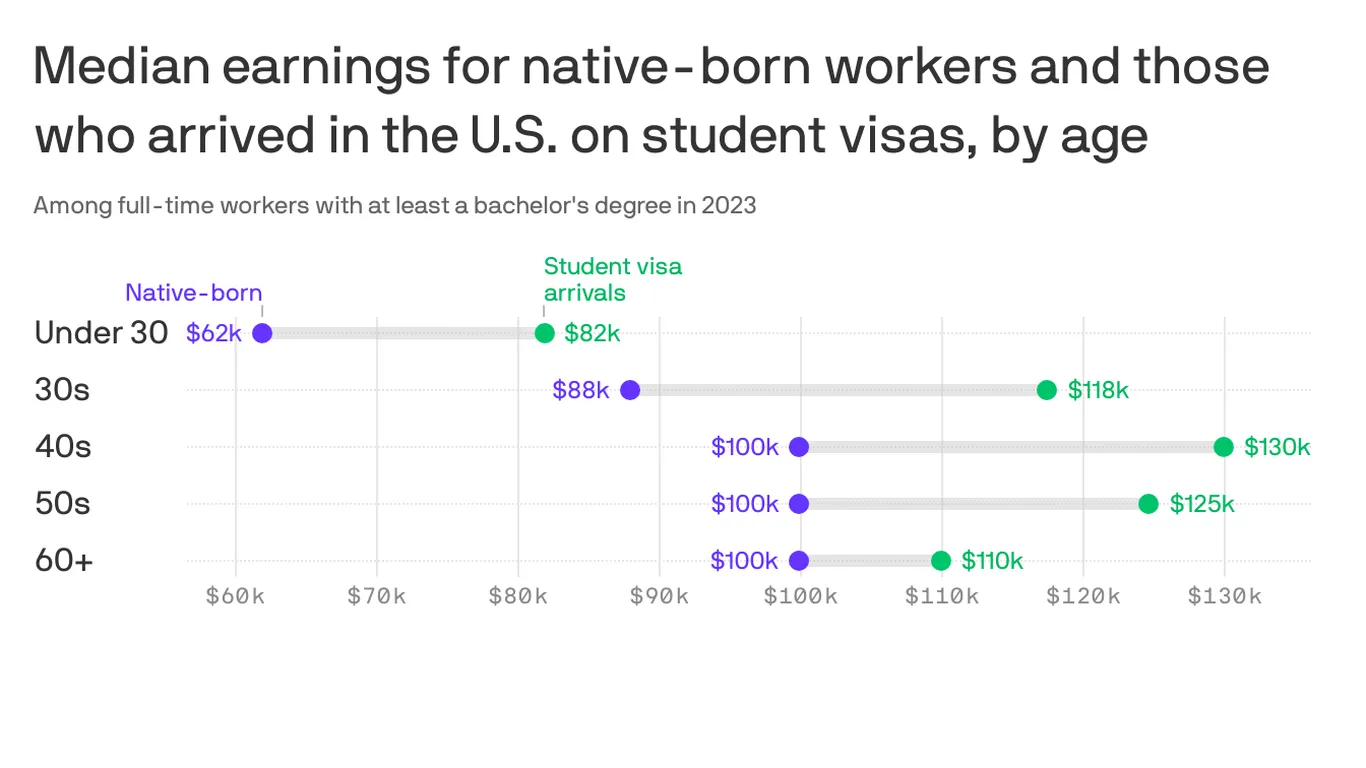
Foreign workers in the U.S. with college degrees who arrived on student visas earn more and contribute more to research and development than their native-born peers, highlighting their importance to the U.S. economy and innovation, with potential policy implications affecting future talent and R&D efforts.
South Korean chipmaker SK Hynix plans to invest over $3.87 billion in Indiana to build a semiconductor packaging plant and research center, creating around 800 high-wage jobs by 2030. The plant, to be located at Purdue Research Park, will focus on producing high-bandwidth memory chips to meet U.S. semiconductor demand and advance chip development. The investment is expected to boost Indiana's role in the tech sector and contribute to U.S. innovation and national security, with the company receiving significant incentives from the state and local authorities.
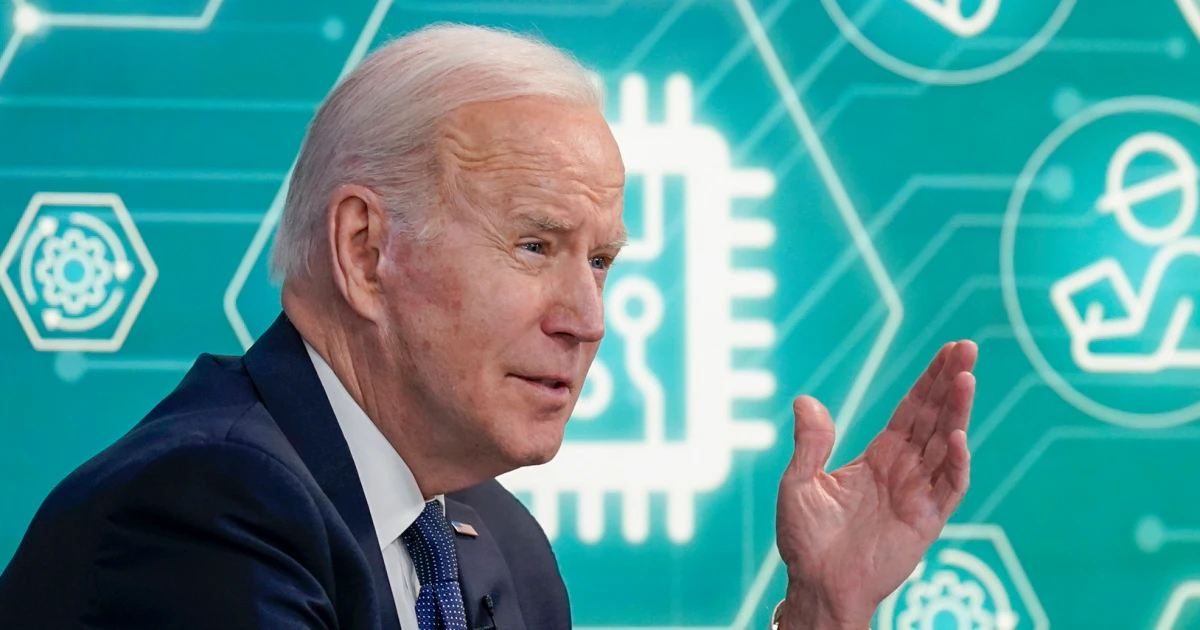
The Biden administration has announced a $5 billion commitment for research and development of computer chips, aiming to advance President Biden's goals of driving innovation in the United States. This initiative includes a partnership with Historically Black Colleges and Universities (HBCUs) to diversify the semiconductor industry and address national security risks, supply chain shortages, and workforce challenges. The HBCU CHIPS Network event brought together HBCU leaders and federal officials to discuss the Chips and Science Act, which provides funds to support domestic semiconductor production. The initiative aims to boost collaboration and research capacity at HBCUs, recognizing their role in promoting diversity and talent in the technology sector.
The Biden administration has announced a $5 billion investment in the National Semiconductor Technology Center to support research and development in advanced computer chips, aiming to reduce the overdependence on Taiwan and meet the increasing demand for innovative chips due to the rise of artificial intelligence. The center will fund chip design, prototyping, and worker training, while also supporting the $39 billion government funding for new chip plants, with a focus on creating a skilled workforce to meet the industry's growing needs.
The Biden administration is set to announce a $5 billion investment in the National Semiconductor Technology Center, a public-private consortium focused on advancing research and development in computer chips. This initiative, funded through the CHIPS and Science Act, aims to revitalize the U.S. computer chip sector by supporting R&D, design, prototyping, and workforce training. The investment is part of a broader effort to bolster the industry, with an additional $39 billion allocated for new and expanded chip plants, as industry leaders and stakeholders prepare to gather at the White House for the announcement.
The Biden-Harris Administration plans to invest over $5 billion in semiconductor-related research, development, and workforce needs, including the National Semiconductor Technology Center (NSTC), as part of the CHIPS and Science Act and the Investing in America agenda. These investments aim to advance U.S. leadership in semiconductor R&D, reduce time and cost of commercializing new technologies, bolster national security, and support workers in securing semiconductor jobs. The NSTC will serve as a public-private consortium to accelerate innovation, lower barriers to participation in semiconductor R&D, and address the need for a skilled and diverse semiconductor workforce. Additionally, the Administration plans to invest in workforce efforts and other key R&D needs, such as semiconductor manufacturing and advanced packaging.
The U.S. Department of Energy has allocated over $131 million for projects aimed at advancing electric vehicle (EV) battery technology and charging systems, as well as establishing a sustainable domestic battery supply chain. The funding will support research and development efforts to lower EV technology costs, increase driving range, and promote a clean energy future, aligning with President Biden’s Investing in America agenda. The selected projects will focus on developing innovative and equitable clean mobility options, alleviating supply chain concerns for EV batteries, and increasing EV drive range, while the Advanced Battery R&D Consortium will prioritize pre-competitive, vehicle-related advanced battery R&D to address critical priorities for widescale EV commercialization.
Nissan Motor has announced plans to sell China-developed electric vehicles (EVs) globally, as it partners with Tsinghua University to accelerate research and development on electrification. The Japanese automaker is considering exporting its lineup of internal combustion engine vehicles, as well as upcoming pure electric and plug-in hybrid cars manufactured and developed in China, to overseas markets. This move follows the footsteps of other foreign brands like Tesla, BMW, and Ford, who are expanding their exports of China-made cars to take advantage of lower manufacturing costs. Nissan aims to gain a deeper understanding of the Chinese market and develop strategies that better meet the needs of customers in China through its collaboration with Tsinghua University.
Nissan Motor plans to export China-developed electric vehicles (EVs) to global markets as part of a deal with Tsinghua University to accelerate research and development on electrification. The Japanese automaker aims to export its existing internal combustion engine vehicles, as well as upcoming pure electric and plug-in hybrid cars manufactured and developed in China, to overseas markets. This move follows the footsteps of other foreign brands like Tesla, BMW, and Ford, who are expanding their exports of China-made cars to take advantage of lower manufacturing costs. Nissan hopes that the collaboration with Tsinghua University will help them gain a deeper understanding of the Chinese market and develop strategies that meet the needs of customers in China.
Governor Kathy Hochul has announced a $10 billion partnership with semiconductor industry leaders, including IBM, Micron, Applied Materials, Tokyo Electron, and others, to establish a next-generation semiconductor research and development center at NY CREATES' Albany NanoTech Complex. The partnership will fund the construction of a cutting-edge High NA Extreme Ultraviolet Lithography Center, positioning New York State as a destination for advanced semiconductor research. The project will create thousands of direct, indirect, and union construction jobs, support workforce development and sustainability, and enhance New York's position as a global hub for semiconductor manufacturing and innovation.