During his State of the Union address, President Biden proposed a mortgage relief credit to help middle-class homebuyers, aiming to provide a $400 monthly tax credit for two years to reduce mortgage rates. He also called for legislation to build and renovate 2 million affordable homes to address the housing supply gap and combat rising rental costs. Additionally, a multi-agency anti-price-gouging "strike force" was launched to curb unfair pricing, including combating egregious rent increases.
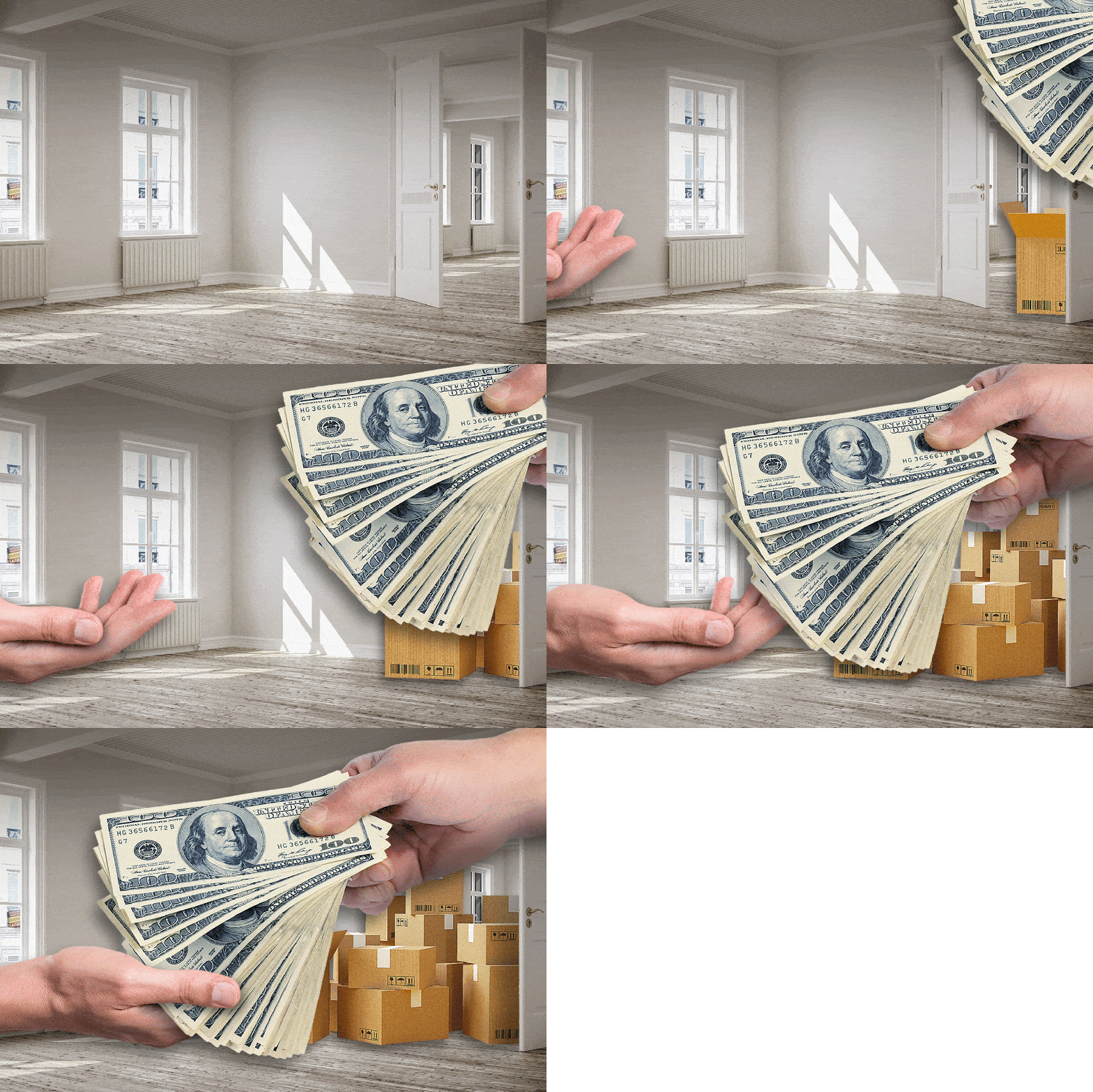
A recent StreetEasy study has revealed that the average upfront cost for securing a new rental apartment in New York City has reached a staggering $10,454, creating a "lock-in effect" where tenants can't afford to move out. This cost includes the first month’s rent, security deposit, and a broker’s fee, with brokers’ fees being the most significant portion. The situation disproportionately affects lower-income New Yorkers, with those earning the median household income in The Bronx being able to afford less than 1% of rentals beyond the borough. The report calls for more policies to make the rental market more transparent and manage renters’ financial obligations to landlords.
Renting an apartment in New York City has become increasingly expensive, with the average up-front cost to move in reaching a record high of $10,454 in 2023. The city is experiencing a historic low in available rental units, with only 1.4% of units vacant, driving up demand and pushing median asking rents to $3,490. The surge in rental costs, exacerbated by soaring up-front fees, is making it difficult for renters, especially with the median wage earner spending 14% of their income on moving costs. The situation highlights the acute need for affordable housing in the city, as well as the challenges faced by renters in finding suitable accommodations.
Gen Z and millennials are driving a surge in demand for urban living in New York City, leading to historically low vacancy rates of 1.4%—the lowest since 1968. This trend contrasts with the overall population losses in major metropolitan areas. The high demand has resulted in skyrocketing rental costs, with the average rent for a 700-square-foot apartment exceeding $4,700. NYC leaders are calling for more affordable housing to address the housing shortage and homelessness problem, but challenges such as high land costs and regulatory barriers hinder housing development.
Despite rents outpacing gains in home prices, it's still more affordable to rent than own a home in nearly 90% of U.S. counties, with both options consuming more than one-third of wages in most areas. The gap between renting and owning has narrowed, but renting remains the more affordable choice in the majority of markets, especially in counties with populations of at least 1 million. However, there are exceptions, with Riverside County, California, and the Detroit, Michigan area being more affordable for owning than renting. The least affordable rental markets are largely in the South and West, while the most affordable ones are mainly in the Midwest and South.
US consumer prices unexpectedly rose in November, driven by increases in rents and healthcare costs, while gasoline prices declined. The consumer price index (CPI) increased 0.1% last month, with a year-on-year increase of 3.1%. Core CPI, which excludes food and energy, rose 0.3% and increased 4.0% on a year-on-year basis. The slightly firmer inflation readings, along with strong job gains, suggest that the Federal Reserve is unlikely to cut interest rates early next year. Inflation remains above the Fed's 2% target, but economists expect cooler readings in the coming year.
US consumer prices increased in September, driven by a surprise surge in rental costs, but underlying inflation pressures remained moderate, supporting expectations that the Federal Reserve would not raise interest rates next month. The consumer price index rose 0.4% last month, with shelter costs accounting for more than half of the increase. However, the annual increase in consumer prices excluding food and energy components was the smallest in two years. With the labor market still tight, reaching the Fed's 2% inflation target could be challenging, suggesting that interest rates may remain elevated for longer.
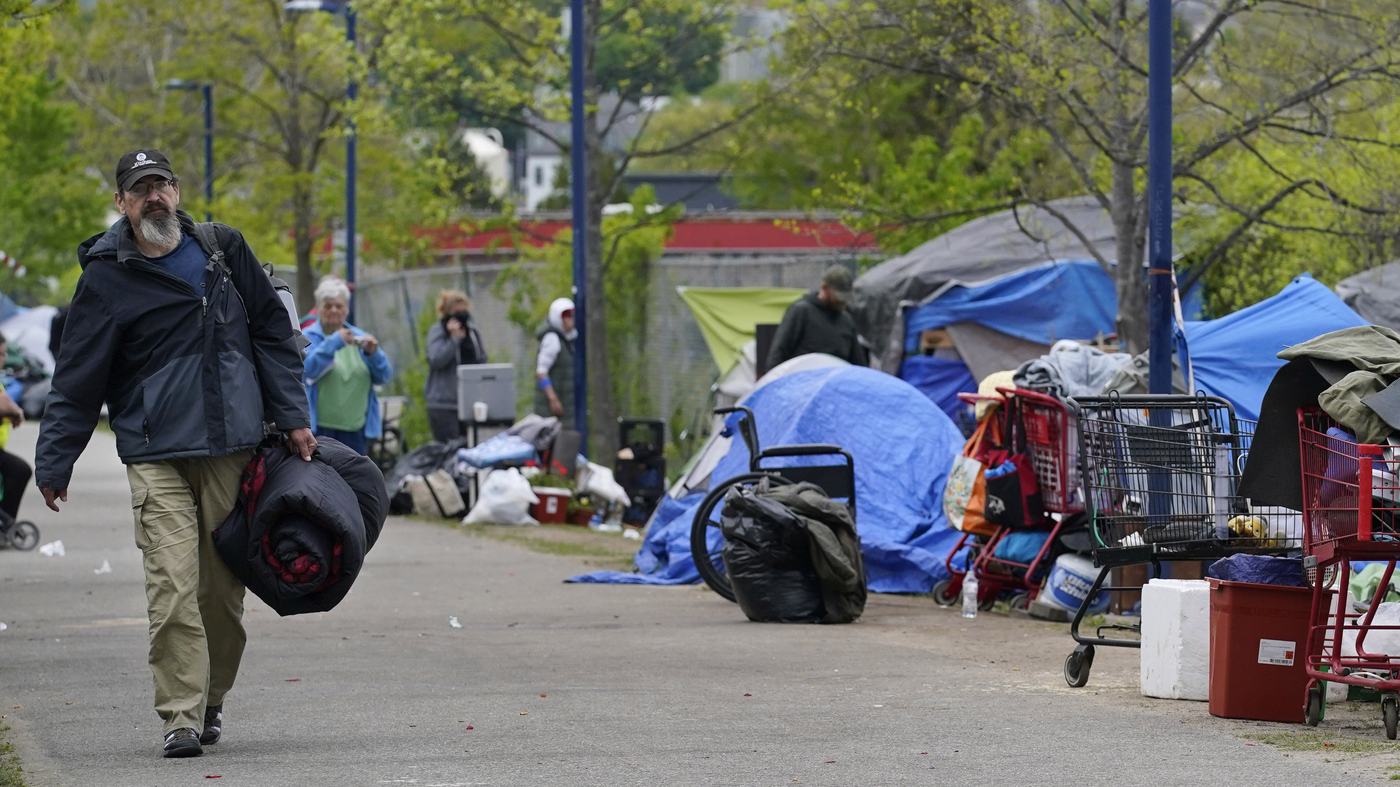
The rise in homelessness in cities like Los Angeles and New York City can be attributed to the decline of affordable housing, with more people falling into homelessness despite efforts to house them. Only 1 in 4 Americans who qualify for federal housing subsidies actually receive them, exacerbating the shortage of affordable housing. High rental costs and the disappearance of affordable rentals have also contributed to the problem. Zoning laws and local opposition make it difficult to build housing for low-income renters, and pandemic aid programs that helped keep people housed are winding down. The lack of affordable housing remains the primary challenge in addressing homelessness.