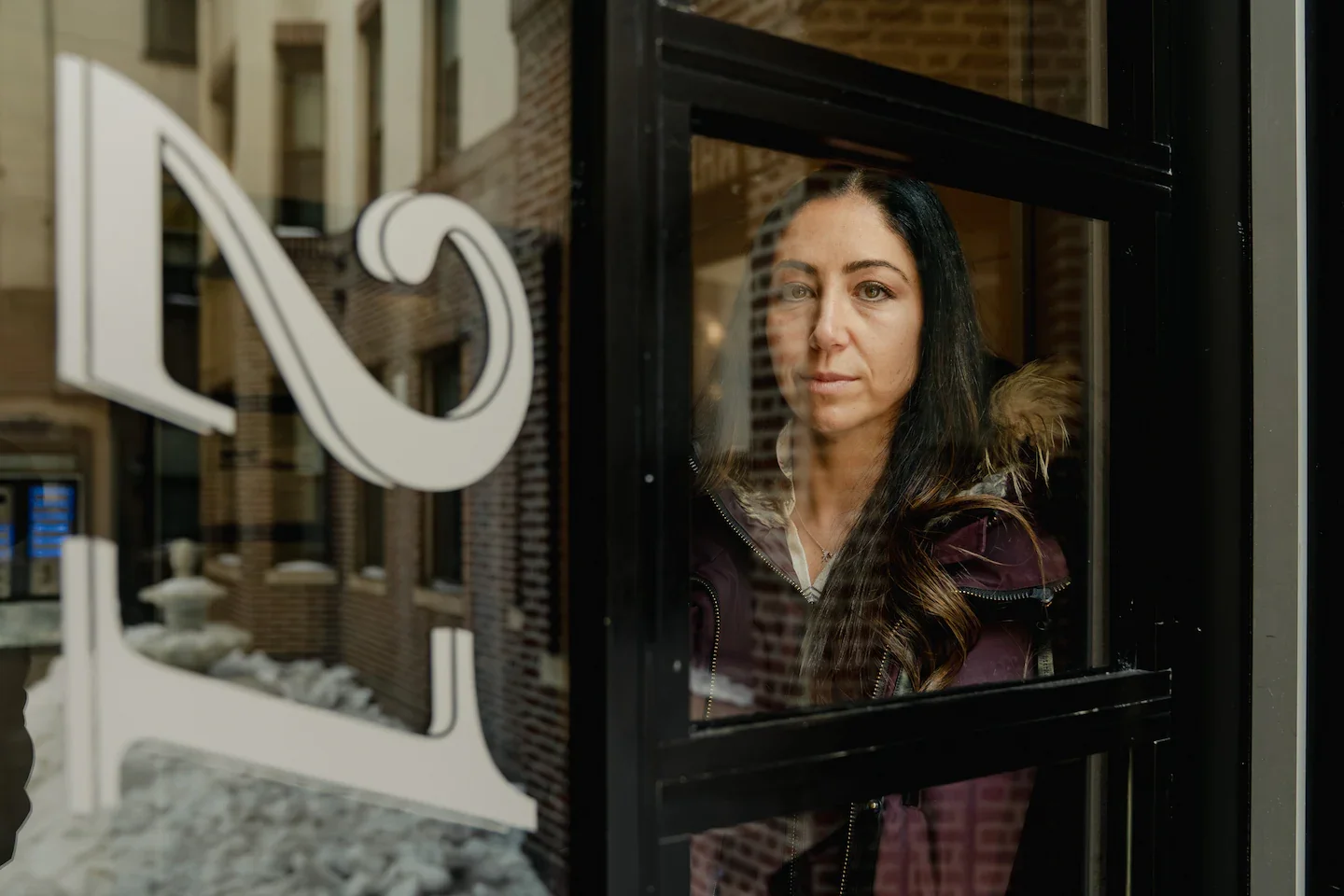
Small landlords in New York City warn that Mayor Zohran Mamdani’s proposed rent-freeze for rent-stabilized units could push many of them out of business, highlighting a clash between tenant protections and the livelihood of small-property investors.
In San Francisco, six Democrats and one Republican clashed over Governor Newsom’s homelessness spending and the state’s high cost of living, with candidates proposing populist fixes such as taxing billionaires, rent control and zoning reforms; Tom Steyer led fundraising while the race remained wide open with many voters undecided.
California lawmakers are moving a $10 billion housing bond (SB 417) to fund affordable housing, wildfire prevention, and down-payment assistance, aiming for a June ballot with the governor backing the pro-housing agenda; a separate rent-control measure (AB 1157) died in committee, while lawmakers also grapple with SB 79’s implications for transit-oriented development and displacement near mobile-home parks.
Rent control policies, despite their popularity among populists, tend to worsen housing affordability by reducing supply, discouraging maintenance, and increasing initial rents, as evidenced by examples from Minneapolis, St. Paul, Los Angeles, and international cases. Cities repeatedly implement these policies, often leading to negative outcomes like decreased building permits and higher initial rents, with some regions like Argentina experiencing rent drops after abolishing controls. Experts warn that rent caps are counterproductive and suggest alternative approaches to address housing affordability.
Los Angeles City Council has approved reforms to its rent control laws for the first time in 40 years, capping annual rent increases at 4% and eliminating a utility surcharge, aiming to make housing more affordable amid a housing crisis, though critics argue it could hinder new development.
Economists widely oppose Zohran Mamdani's proposed rent freeze in NYC, arguing that while it offers short-term relief, it exacerbates long-term housing shortages, misallocates resources, and deepens inequality, emphasizing the need for increased housing supply rather than price controls.
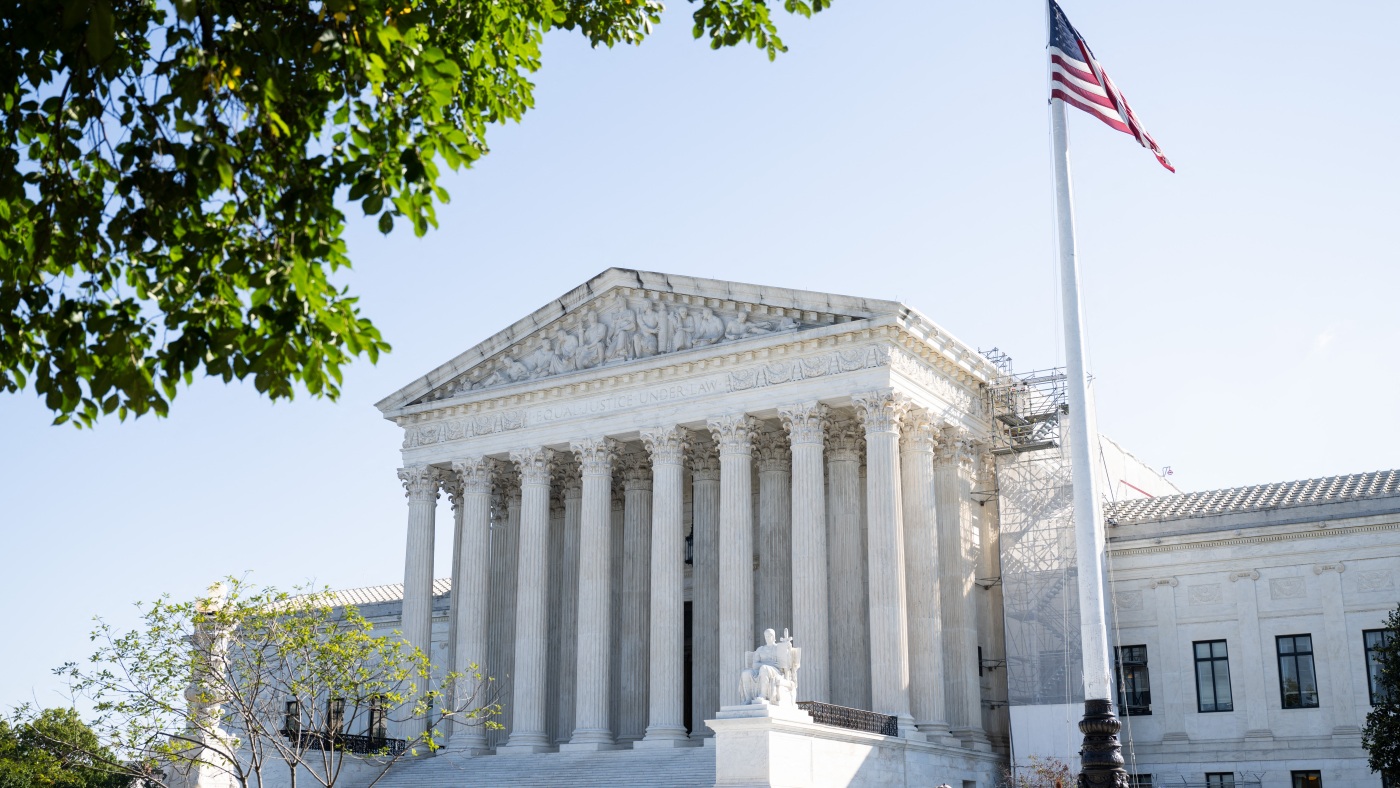
The U.S. Supreme Court refused to move former Trump Chief of Staff Mark Meadows' Georgia election interference charges to federal court, a decision that leaves him facing state charges. Meadows, indicted alongside others for allegedly conspiring to keep Trump in office post-2020 election, argued for federal jurisdiction due to his former federal role, but the 11th Circuit Court ruled his actions were unrelated to official duties. Separately, the Supreme Court declined to hear a challenge to New York's rent control law, despite Justice Gorsuch's interest, maintaining the status quo on tenant protections.
California voters passed several key propositions, including Proposition 36, which imposes tougher penalties for drug and theft crimes, and Proposition 2, which funds public school facilities. Proposition 3 repeals the ban on same-sex marriage in the state constitution, while Proposition 4 funds climate change projects. Proposition 35 ensures permanent funding for Medi-Cal. However, voters rejected Proposition 5, which aimed to ease local bond measures for affordable housing, and Proposition 33, which sought to expand rent control. Some propositions, like Proposition 6 on inmate labor and Proposition 32 on minimum wage, remain undecided.
A couple in Los Angeles, both working in the film industry and making over $100,000 a year, feel trapped and hopeless about ever being able to afford a house in the city. Despite having a great deal on a rent-controlled apartment, the skyrocketing housing prices and unaffordable mortgage rates have made homeownership seem impossible. They are unable to find an apartment at their current rate and fear leaving the industry behind if they move to a more affordable city. The couple is living paycheck to paycheck and struggling to save due to short seasons and student loans. They feel that buying a house in Los Angeles is only possible for the wealthy and are waiting for the housing market to crash in hopes of finding an affordable home.
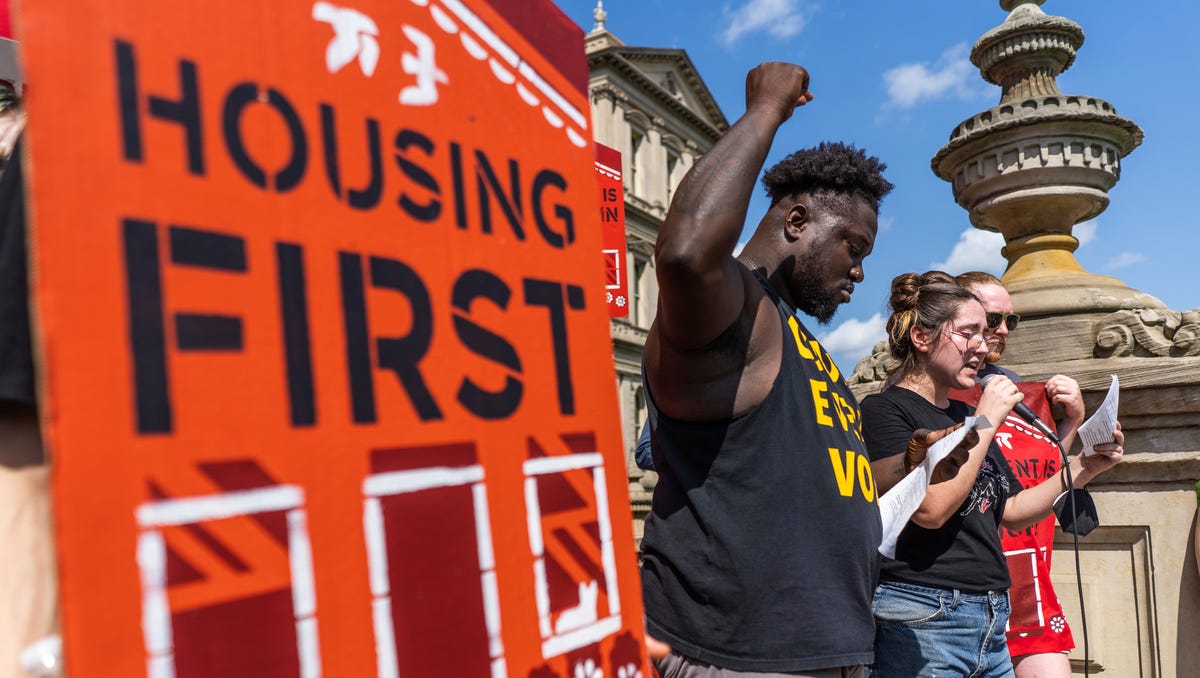
Housing advocates in Michigan gathered at the state Capitol to demand lower rent and increased protections for tenants. The coalition called for lifting the ban on rent control, establishing a renters' bill of rights, building publicly owned rent-stabilized housing, and prioritizing housing for people experiencing homelessness. Advocates shared stories of struggling with rising rent costs and eviction, highlighting the need for affordable housing in the state. Michigan currently faces a shortage of affordable housing for low-income renters, exacerbating the housing crisis. The advocates called for significant funding for social housing and housing for the homeless.
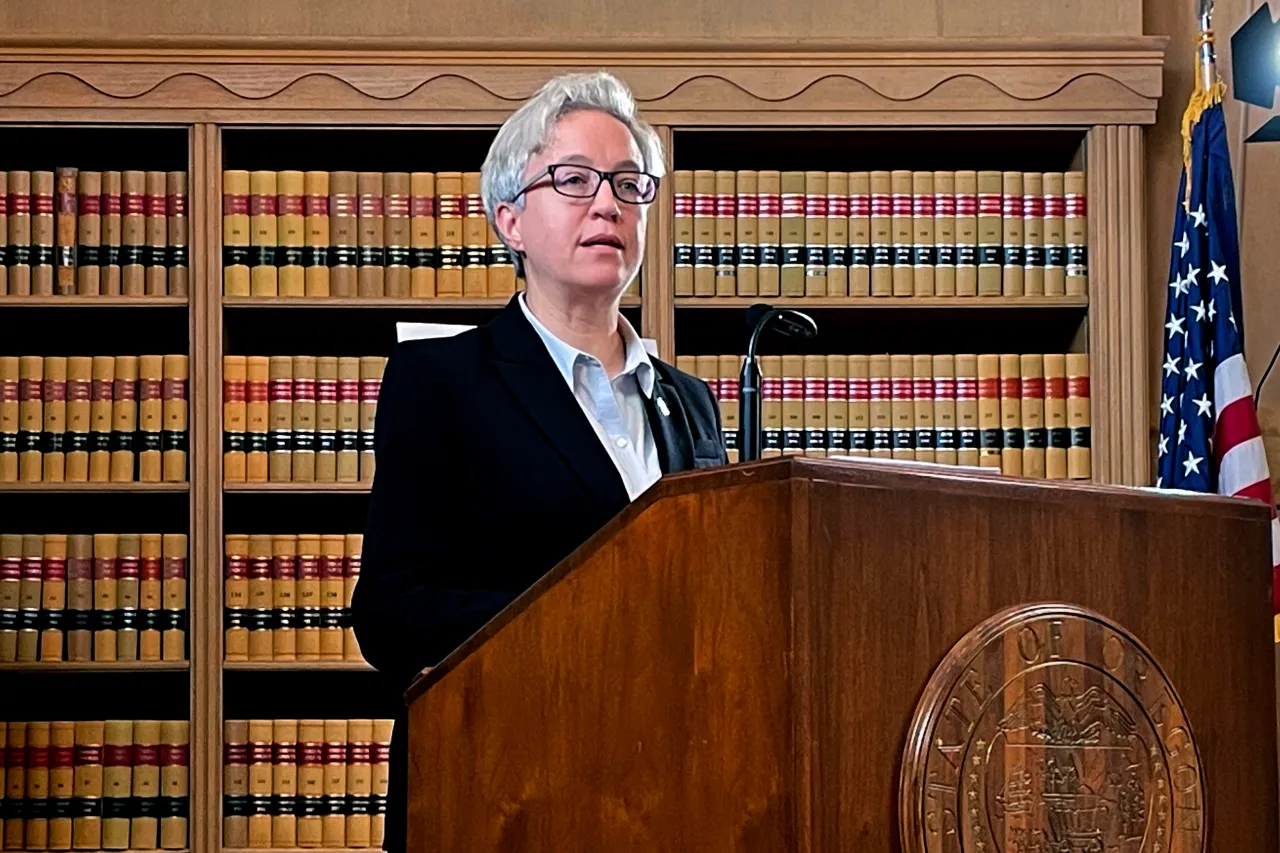
Oregon Governor Tina Kotek signed several new laws aimed at increasing housing options and preventing homelessness. The bills include measures to limit rent increases for publicly supported housing, cap annual rent increases, make it easier to build affordable housing, and allocate funds for housing and community services. Governor Kotek emphasized the importance of producing results and addressing the housing crisis, particularly the issue of unsheltered individuals. She plans to focus on boosting housing production in the next legislative session.
Oregon's rent cap bill is close to being passed after undergoing significant cuts. The bill would limit annual rent increases to 7% plus inflation and would also allow cities to implement their own rent control policies. The legislation has faced opposition from landlords and property owners, but supporters argue that it is necessary to address the state's housing crisis and protect tenants from skyrocketing rents.
Boston's first woman and person of color mayor, Michelle Wu, is facing pushback from old-school power brokers as she strives to implement her campaign promises focused on racial, economic, and climate justice. The Greater Boston Real Estate Board is prepared to spend $400,000 to squash Wu's rent control plan, while the Boston Police Patrolmen's Association has deflected her proposals to make it easier to fire officers for misconduct. Despite the resistance, Wu remains focused on her agenda, which includes innovative approaches to climate change, affordable housing, and checks and balances for the Police Department.
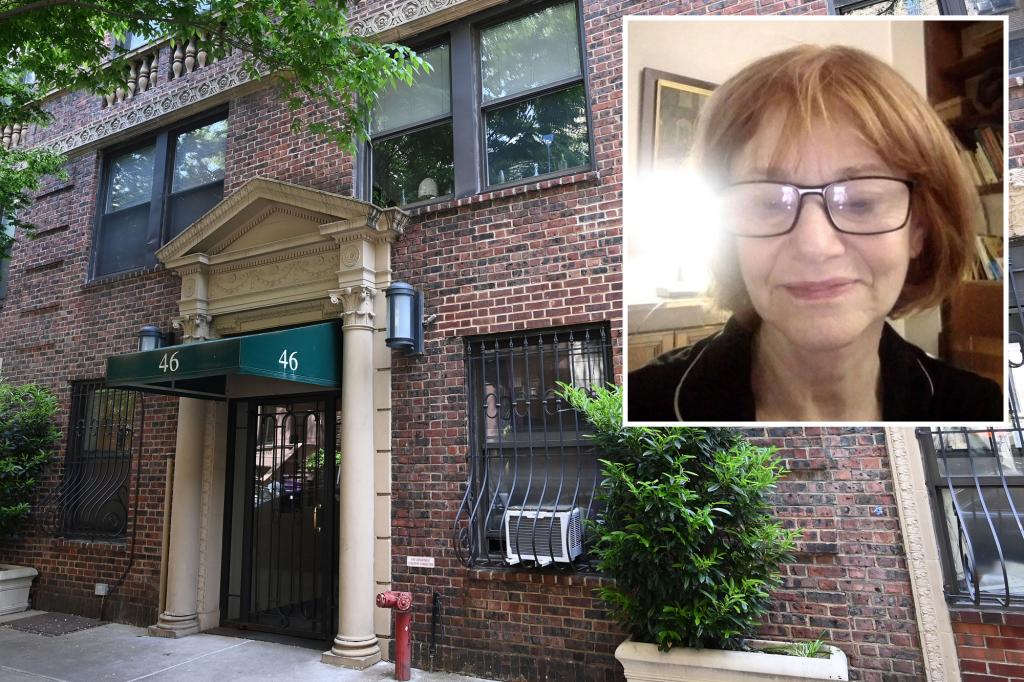
An Oregon couple has allegedly taken over a two-bedroom, rent-controlled co-op worth nearly $1 million on Manhattan's Upper West Side after the longtime tenant died. Sheila Upjohn, 72, has been living in the apartment since 98-year-old resident Mary Etta Tanuma died in April 2022. The landlord has filed a lawsuit seeking her ouster, claiming that Upjohn has no right to the home. The landlord has demanded the Upjohns pay $3,500 for every month they've lived there and wants a judge to force the couple out of the apartment and to pay for "unlawfully" occupying the place.