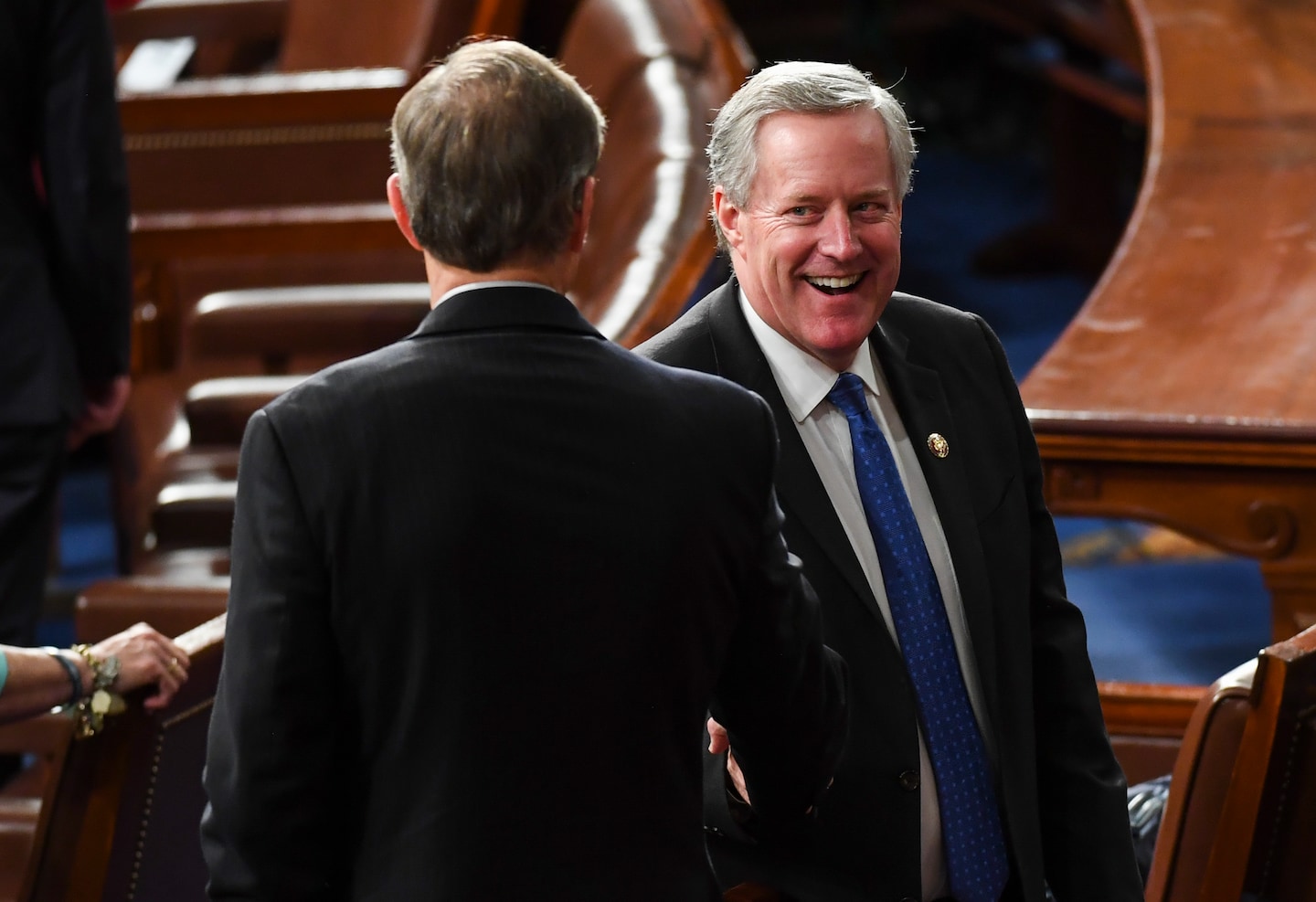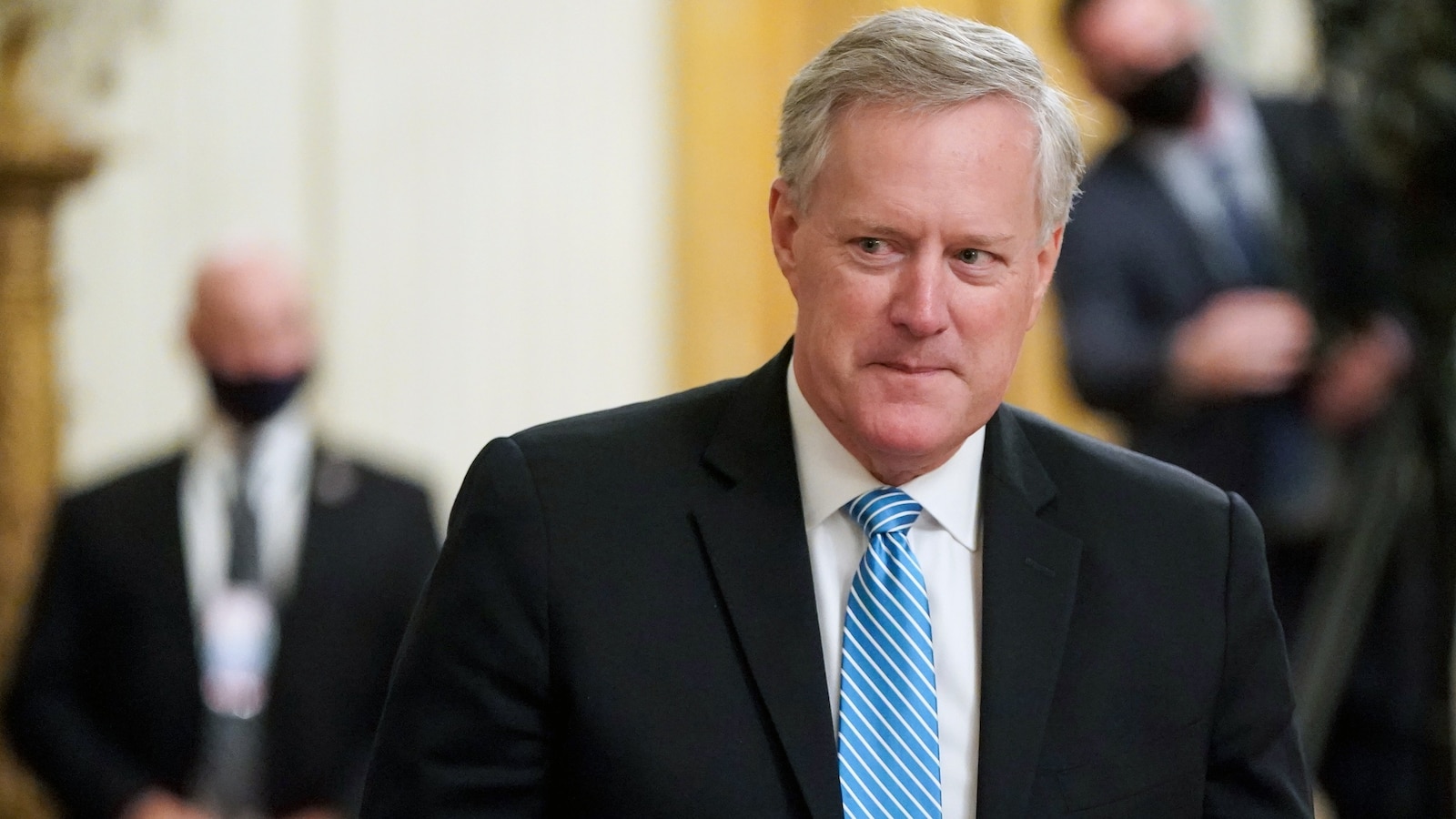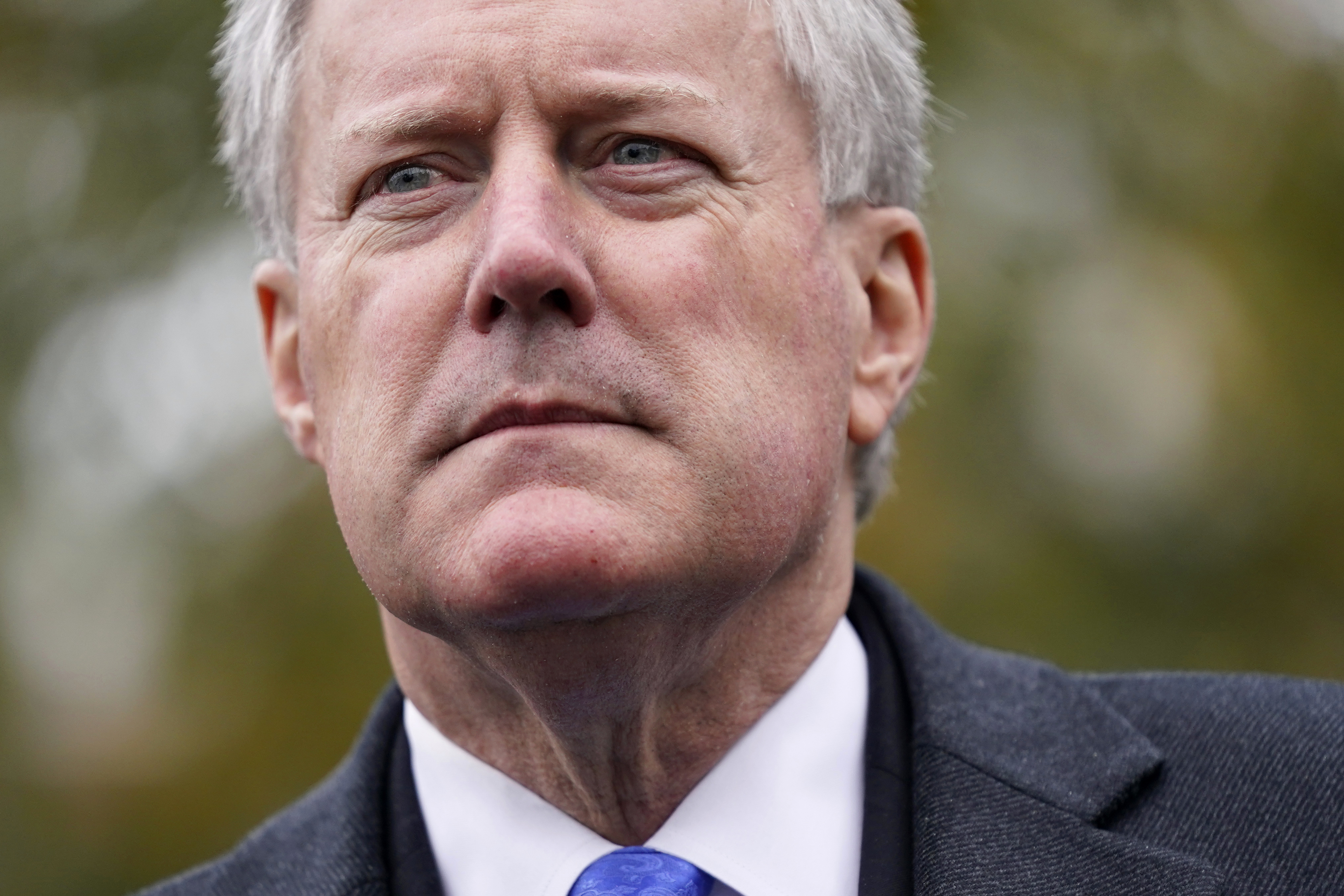
Mark Meadows, a former Trump chief of staff and influential GOP figure, is actively involved behind the scenes in shaping a major legislative bill, leveraging his connections with conservative hard-liners and the White House, despite recent controversies and his reduced public profile.
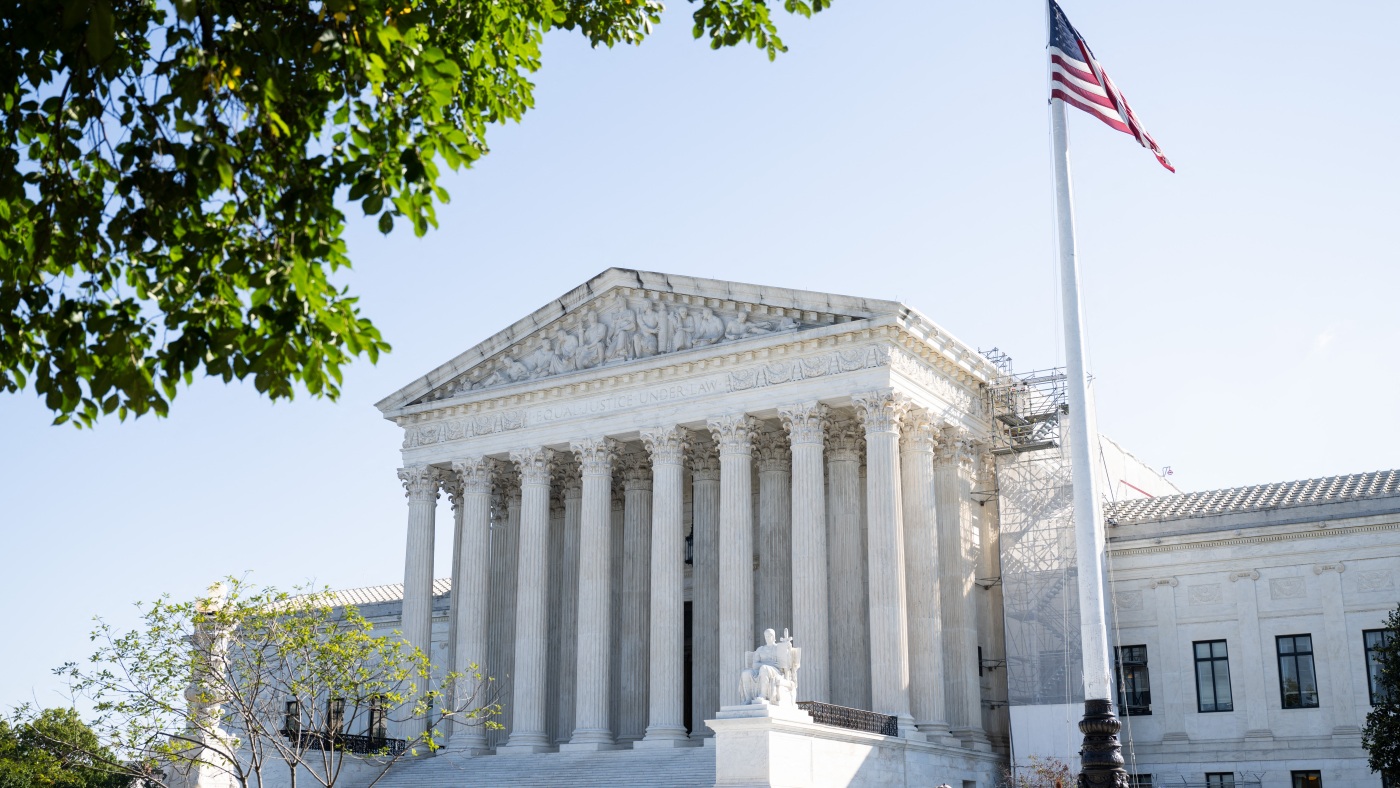
The U.S. Supreme Court refused to move former Trump Chief of Staff Mark Meadows' Georgia election interference charges to federal court, a decision that leaves him facing state charges. Meadows, indicted alongside others for allegedly conspiring to keep Trump in office post-2020 election, argued for federal jurisdiction due to his former federal role, but the 11th Circuit Court ruled his actions were unrelated to official duties. Separately, the Supreme Court declined to hear a challenge to New York's rent control law, despite Justice Gorsuch's interest, maintaining the status quo on tenant protections.
The Supreme Court has declined to hear Mark Meadows' request to move his Georgia election-fraud case to federal court, leaving a lower court's decision in place. Meadows, former White House Chief of Staff under Trump, argued that his actions were part of his official duties and thus protected. The decision underscores the ongoing legal challenges faced by Trump's allies, as state cases like Georgia's are beyond the reach of presidential pardons. The Georgia case, involving Trump and 18 others, remains delayed due to unrelated legal disputes.
The U.S. Supreme Court has denied former Trump chief of staff Mark Meadows' request to move his Georgia election interference case to federal court, where he claimed immunity from prosecution. Meadows, indicted alongside 18 others for allegedly trying to overturn the 2020 election results, argued the case should be in federal court due to his role as a federal official. However, both a U.S. district judge and the 11th Circuit Court of Appeals ruled the case should remain in state court. Meadows plans to continue asserting his innocence in state court.
The Supreme Court has denied Mark Meadows' request to transfer his Georgia election interference case to federal court, upholding a lower court's decision that his actions were not part of his official federal duties.
The Supreme Court has denied Mark Meadows' request to move his Georgia election subversion case to federal court, preventing him from claiming immunity. Meadows, indicted on racketeering charges related to efforts to overturn the 2020 election results in Georgia, argued that his actions were part of his official duties as White House chief of staff. However, lower courts and the Supreme Court found his actions were unofficial, thus not warranting federal immunity. The case remains in state court as related appeals continue.
The Supreme Court has rejected Mark Meadows' appeal to move his Georgia election interference case to federal court. Meadows, former White House chief of staff, argued for the transfer on the grounds of acting as a "federal officer" during the events in question, seeking immunity from prosecution. However, lower courts, including the 11th U.S. Circuit Court of Appeals, ruled against him, stating that the actions were not related to his official duties and he is no longer a federal official. Meadows, along with 18 other defendants including Donald Trump, faces charges related to efforts to overturn the 2020 election results.
The judge presiding over the election interference case in Georgia has dismissed six counts in the indictment against former President Donald Trump, ruling that they lacked sufficient detail. Trump still faces 10 other counts in the case, while his co-defendants, including Mark Meadows and Rudy Giuliani, have pleaded not guilty.
A federal appeals panel denied Mark Meadows's request for a new hearing to move the Georgia election interference case against him from state to federal court, a setback in his efforts to shift the case on the grounds of being a federal officer at the time of the actions. Meadows's lawyer expressed disappointment and mentioned considering options, including a possible review by the U.S. Supreme Court. The indictment alleges Meadows participated in a criminal enterprise to overturn the 2020 election results, and the decision could also impact four other defendants seeking removal of their cases to federal court.
Mark Meadows, former chief of staff for Donald Trump, has lost his latest attempt to move the election interference case against him in Georgia to federal court. The 11th Circuit denied his request for a rehearing, affirming that the matter should remain with the state of Georgia. Meadows, along with Trump and 17 others, pleaded not guilty to charges in a racketeering indictment for alleged efforts to overturn the 2020 presidential election in Georgia.
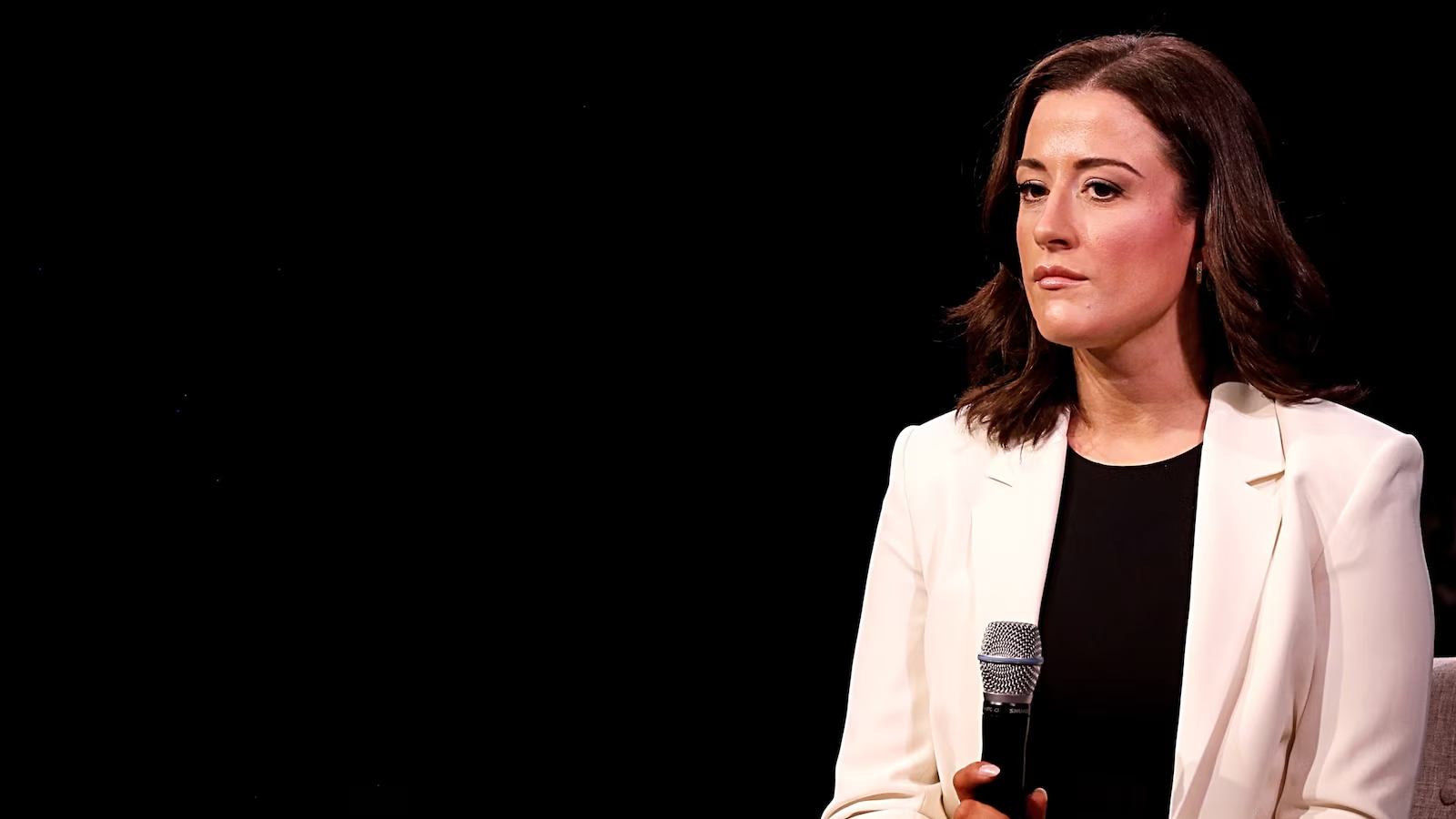
Former Trump White House aide Cassidy Hutchinson's attorney responded to impeachment witness Tony Bobulinski's claims by providing a photo of an alleged encounter between Bobulinski and former White House chief of Staff Mark Meadows, refuting Bobulinski's denial of wearing a ski mask during the encounter. Hutchinson's attorney pushed back against Bobulinski's defamatory comments and provided the photo as evidence. Bobulinski's attorney responded, stating that Hutchinson will have her day in court. This comes after House Democrats questioned Bobulinski's testimony, while House Republicans emphasized his claims about President Biden's involvement in his family's business dealings.
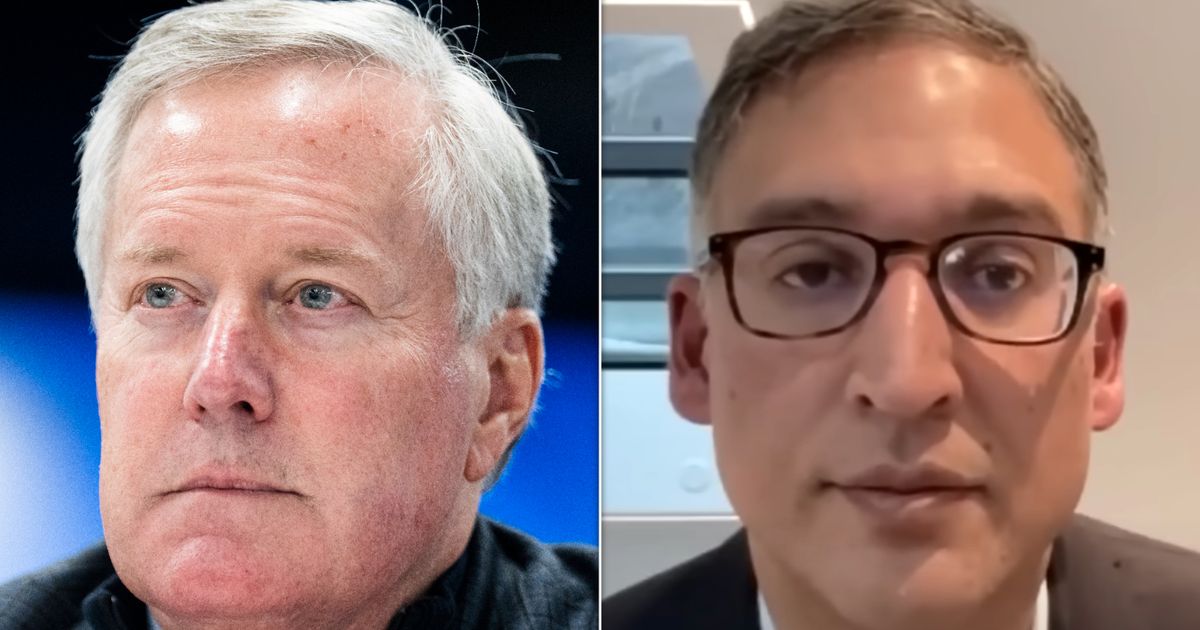
Former acting Solicitor General Neal Katyal describes a federal appeals court's rejection of Mark Meadows' bid to move his Georgia election interference case to federal court as a "total body slam." The ruling affirms a federal judge's decision and complicates the Georgia racketeering case against Donald Trump and other defendants. Meadows, Trump's former chief of staff, argued that the charges against him relate to his work as a federal official, but the judge ruled that he does not qualify for a transfer because he is no longer a federal official. Katyal believes that an appeal to the Supreme Court is unlikely to succeed, and suggests that Meadows may need to cut a deal with the prosecutor overseeing the case.
A federal appeals court has rejected former White House Chief of Staff Mark Meadows' attempt to move the Fulton County racketeering case against him to federal court. The court ruled unanimously that Meadows, as a former federal official, has no right to do so, as the alleged events were not related to his official duties. The court upheld a ruling from U.S. District Judge Steve Jones, stating that Meadows was not acting in his federal capacity when he took action in Georgia following the 2020 election. Meadows is expected to appeal the ruling.
Former White House chief of staff Mark Meadows' attempt to move an election interference case against him from Georgia to federal court has been rejected by a federal appeals court. The court ruled unanimously that Meadows had not shown that his alleged criminal conduct was related to his duties as chief of staff. The decision marks the end of Meadows' bid to have his case transferred, unless he appeals to the Supreme Court and it agrees to hear the case. Meadows was indicted in August on charges of illegally conspiring to overturn the 2020 presidential election results in Georgia.
Judge William Pryor, an ally of Supreme Court Justice Clarence Thomas, has denied former White House chief of staff Mark Meadows' request to move his criminal charges related to the 2020 election results in Georgia into federal court. The ruling suggests conservative opposition to immunity defenses put forth by Donald Trump. The 11th Circuit Court of Appeals ruled that Meadows must face the charges in state court, stating that transfers are only allowed for current government officials and that the charges against Meadows are about actions outside his official duties, making him ineligible for immunity. The decision is seen as a blow to Trump's defense strategy in similar cases.