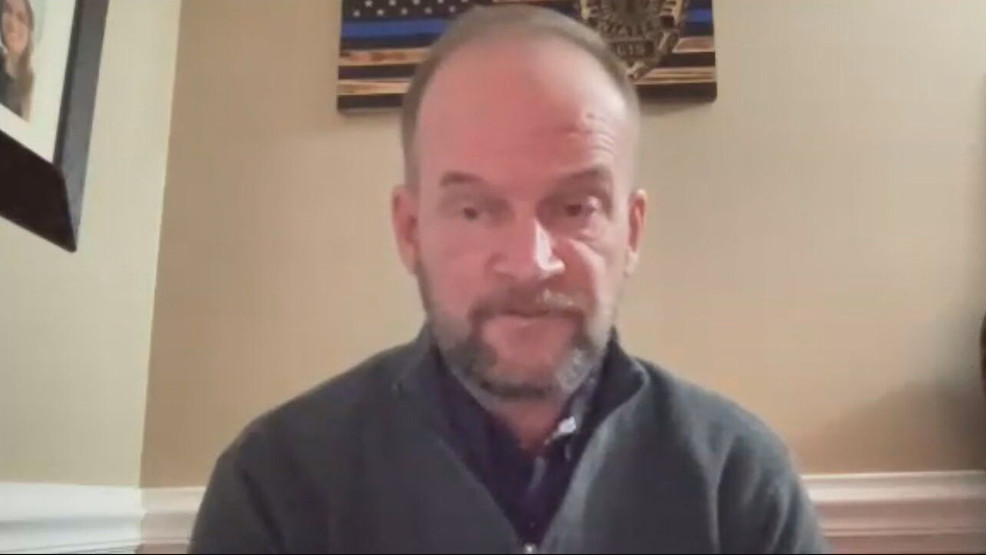
Geoffrey Wiater has been elected as the incoming president of the Rochester Locust Club, beating out current president Michael Mazzeo. Wiater, who has been on the force for 30 years, aims to ensure that union members feel supported and recognized in the community. He will be joined by a slate of new executives who will take office on January 1, 2024.

Roosevelt Poplar, a longtime vice president at the Fraternal Order of Police Lodge 5 (FOP), has been unanimously elected as the new president, succeeding John McNesby. Poplar, the first Black president in decades, brings extensive experience and a reserved demeanor to the role. McNesby will become the director of local public safety outreach at the Pennsylvania Emergency Management Agency. Poplar faces challenges ahead, including building relationships with a new mayoral administration, negotiating a new contract, addressing staffing shortages, and potential changes within the Police Department. The FOP represents over 13,000 active and retired officers and has sought to expand its influence through political endorsements.
The Seattle Police Department is investigating two union leaders after body-camera footage captured an officer joking about the death of a young woman who was struck by a police cruiser earlier this year. The officer, who is also the vice president of the Seattle Police Officers Guild, was heard laughing and making insensitive remarks about the victim. The incident is being investigated by the Seattle Office of Police Accountability and the King County Prosecuting Attorney's Office. The case comes after the end of federal oversight of the Seattle Police Department, and has drawn criticism from police oversight organizations for its dismissiveness towards accountability systems.
The family of Jadarrius Rose, an unarmed Black man who was attacked by a police K9 during a traffic stop in Circleville, Ohio, has retained civil rights attorney Ben Crump. The officer who released the dog, Ryan Speakman, has been fired by the Circleville Police Department, but the Ohio Patrolmen's Benevolent Association plans to fight his termination. Crump criticized the officer's actions and highlighted the ingrained mistrust that Black people have for law enforcement. No civil lawsuit has been filed yet, but Rose is currently facing a felony charge related to the traffic stop.
Boston's first woman and person of color mayor, Michelle Wu, is facing pushback from old-school power brokers as she strives to implement her campaign promises focused on racial, economic, and climate justice. The Greater Boston Real Estate Board is prepared to spend $400,000 to squash Wu's rent control plan, while the Boston Police Patrolmen's Association has deflected her proposals to make it easier to fire officers for misconduct. Despite the resistance, Wu remains focused on her agenda, which includes innovative approaches to climate change, affordable housing, and checks and balances for the Police Department.
The Los Angeles Police Department (LAPD) mistakenly exposed the identities of dozens of officers working undercover to investigate national security breaches, drug cartels, and other dangerous criminal enterprises. The mistake arose when the city responded to a public records request by releasing the names, photographs, and badge numbers of more than 9,000 officers. None of the officers - undercover or otherwise - were given advance warning or offered an opportunity to raise objections to their information becoming public. The police union has lodged a formal complaint to demand accountability from the LAPD chief and his top legal adviser.
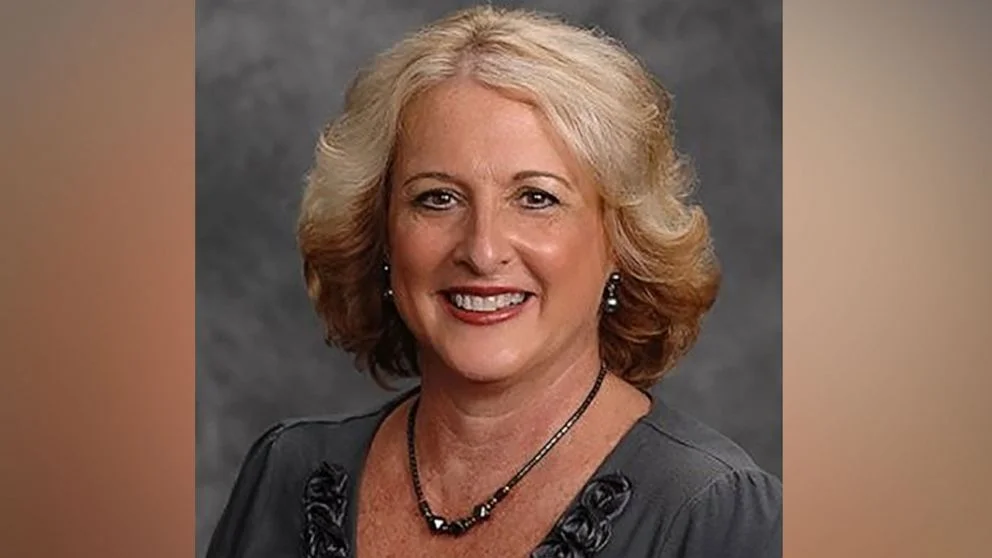
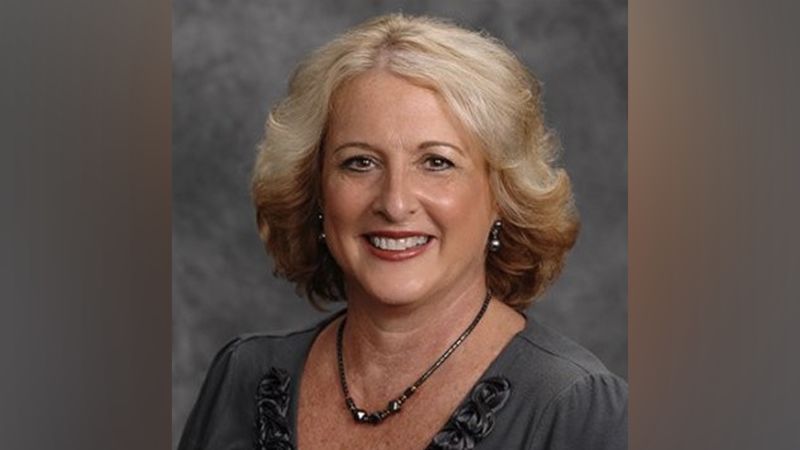
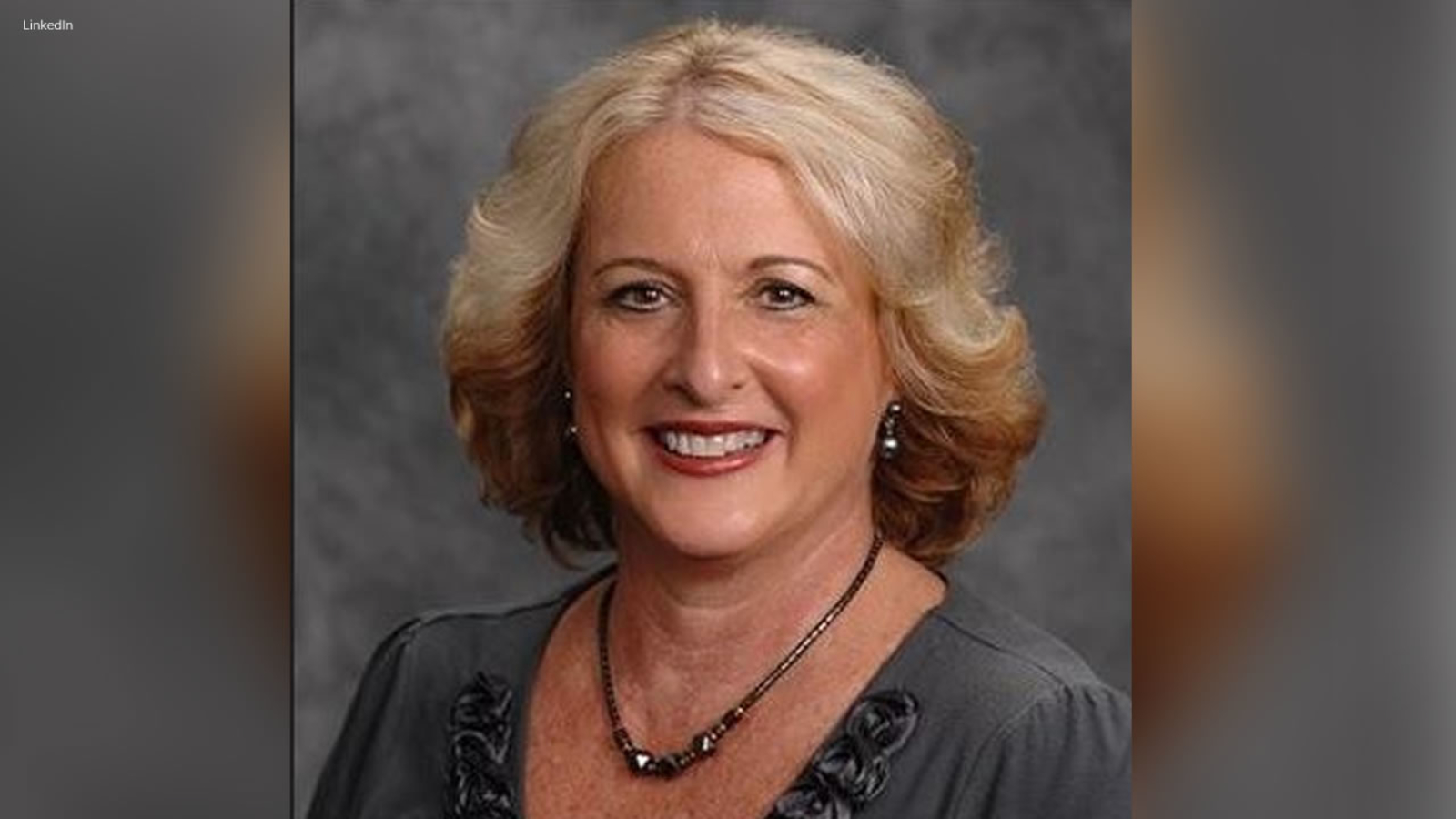
The San Jose Police Officers' Association has fired its executive director, Joanne Segovia, after she was charged with attempting to illegally import synthetic opioids. Segovia allegedly used her home and office computer to order shipments of thousands of illicit pills from vendors in India and China. The association is hiring an independent outside investigator to scrutinize to what extent Segovia used association resources and to determine if current internal controls could have identified the alleged behavior.
The executive director of the San Jose Police Officers' Association, Joanne Marian Segovia, has been fired from her job after being charged with attempting to illegally import synthetic opioids from India and other countries. Segovia allegedly used her personal and office computers to order thousands of opioid and other pills to her home address and agreed to distribute the drugs in the United States. If convicted, she faces up to 20 years in prison.
Mayor Eric Adams and the NYPD's largest police union have reached a tentative agreement that would increase the starting salaries of rookie cops by over $12,000. The eight-year agreement, which must be approved by the Police Benevolent Association's 23,000 members, would also give officers a 3.5% raise this August and a 4% raise next August, on top of back pay for the six years they worked without a contract. The deal could help the department attract and retain cops amid dwindling recruitment numbers and departures on the force.
The head of the San Jose Police Officers Association, Joanne Marian Segovia, has been charged with attempting to smuggle thousands of synthetic opioids into the US from multiple countries with the intent to distribute them. Segovia allegedly used her personal and office computers to order thousands of opioids and other pills to her home and used her office at the San Jose Police Officers' Association to distribute controlled substances, including using the union's UPS account. If convicted, she faces up to 20 years in prison.
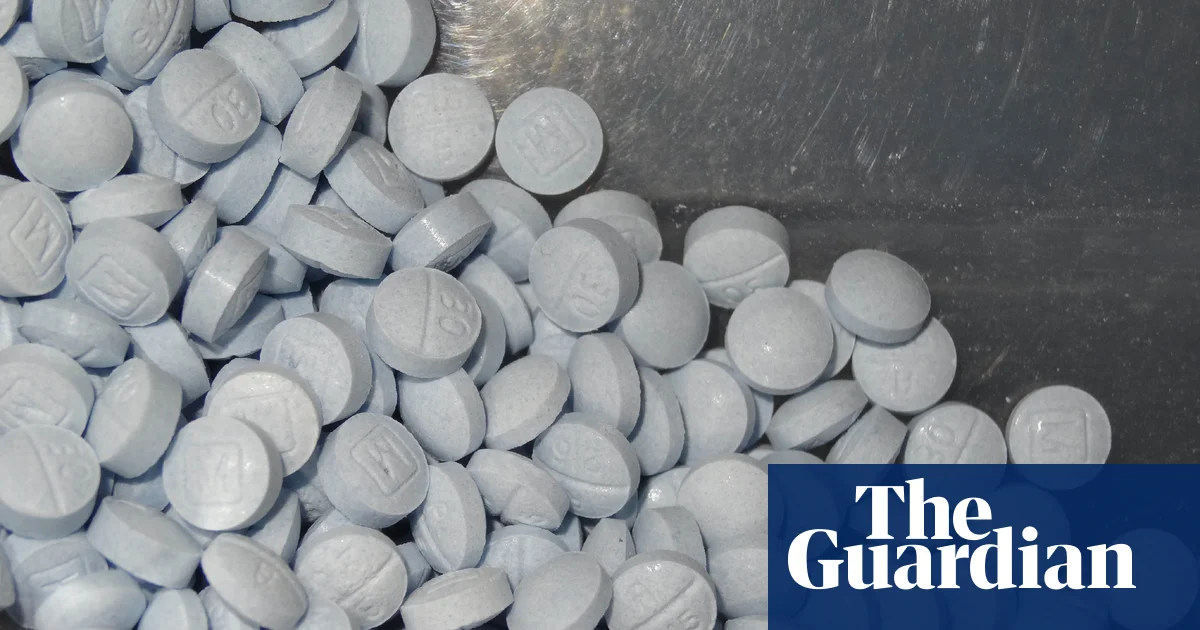
Joanne Marian Segovia, the executive director of the San Jose Police Officers’ Association, has been charged with importing opioids, including fentanyl, disguised as chocolates, wedding favors, and makeup. Segovia allegedly used her personal and office computers to order the opioids and made shipments using the union’s UPS account. She faces up to a maximum sentence of 20 years for attempting to unlawfully import valeryl fentanyl. The San Jose Police Officers Association has placed Segovia on leave and cut off all access to the association.
Joanne Segovia, the executive director of the San Jose Police Officers Association in California, has been charged with attempting to illegally import a fentanyl analogue and using the police union’s office to communicate with her suppliers and mail the drugs. Segovia allegedly used her personal and office computers to order thousands of opioid and other pills to her home and agreed to distribute the drugs elsewhere in the United States. The packages of controlled drugs were allegedly labeled “Wedding Party Favors”, “Gift Makeup” or “Chocolate and Sweets”.
Joanne Marian Segovia, the executive director of the San Jose police union, has been charged with attempting to import illegal synthetic opioid drugs from overseas and distribute them in the US. Segovia is suspected of using her home and office computers, as well as the union's UPS account, to order and distribute thousands of opioids and other pills. She is charged with attempting to unlawfully import valeryl fentanyl, a fentanyl analogue, and faces a maximum prison sentence of 20 years if convicted.
Joanne Marian Segovia, executive director of the San Jose Police Officers’ Association, has been charged with attempting to import controlled substances, including valeryl fentanyl, from China into the US. Segovia was identified after the Department of Homeland Security investigated a network sending Indian-made controlled substances to the San Francisco Bay Area. The San Jose Police Officers’ Association did not respond to a request for comment.
Joanne Marian Segovia, the Executive Director of the San Jose Police Officers’ Association, has been charged with attempting to illegally import a controlled substance and distribute synthetic opioids throughout the United States. Segovia allegedly used her personal and office computers to order thousands of opioid and other pills to her home and agreed to distribute the drugs elsewhere in the United States. She was apprehended as part of an ongoing Homeland Security investigation into a network that was shipping controlled substances into the San Francisco Bay Area from abroad. If convicted, Segovia faces a maximum statutory sentence of 20 years.