Tag

Relaxation Techniques

All articles tagged with #relaxation techniques

"Exploring Sound Baths and Alternative Healing for Anxiety Relief"
health-and-wellness1 year ago

"Exploring Sound Baths and Alternative Healing for Anxiety Relief"

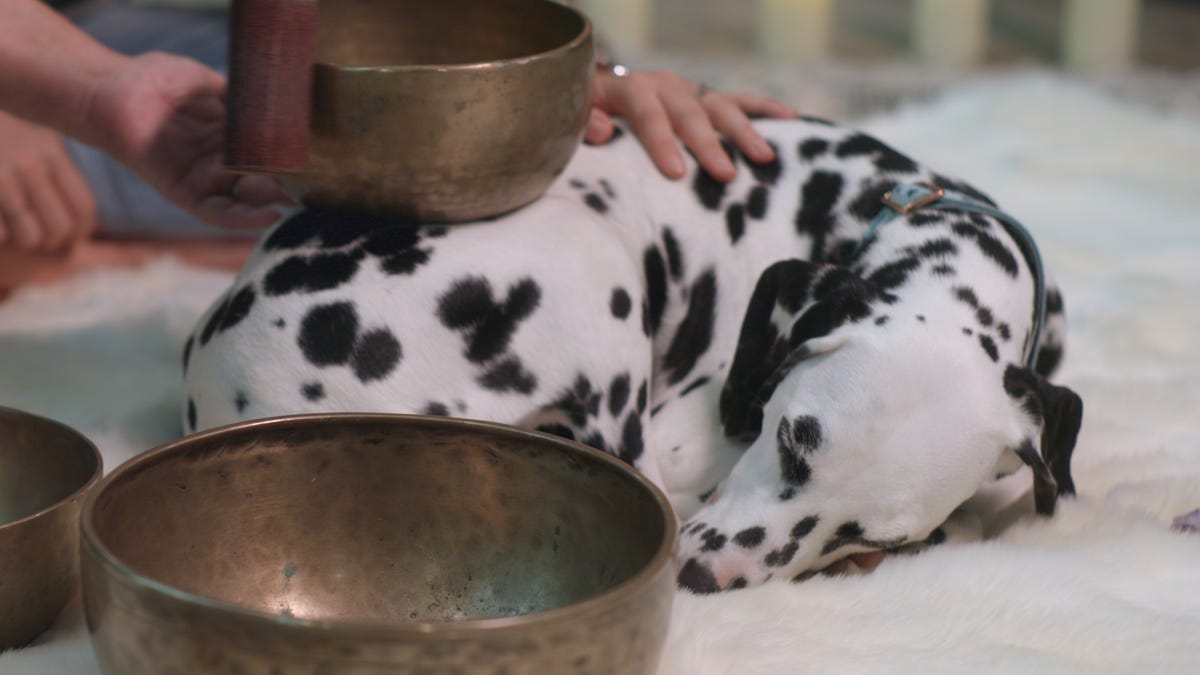
Sound baths, a popular relaxation technique, utilize music and sound to induce feelings of relaxation and reduce stress. Participants lay down and listen to instruments such as singing bowls, gongs, and bells, focusing on feeling the vibrations throughout the body. While not a medical therapy, studies have shown that sound baths can reduce tension, anxiety, depression, and anger, as well as potentially decrease physical pain and cortisol levels. However, they may not be suitable for individuals with extreme sensitivity to sound.
"The Unrecognized Nighttime Sound: Your Body's Built-in Stress Response"
health-and-wellness1 year ago

"The Unrecognized Nighttime Sound: Your Body's Built-in Stress Response"

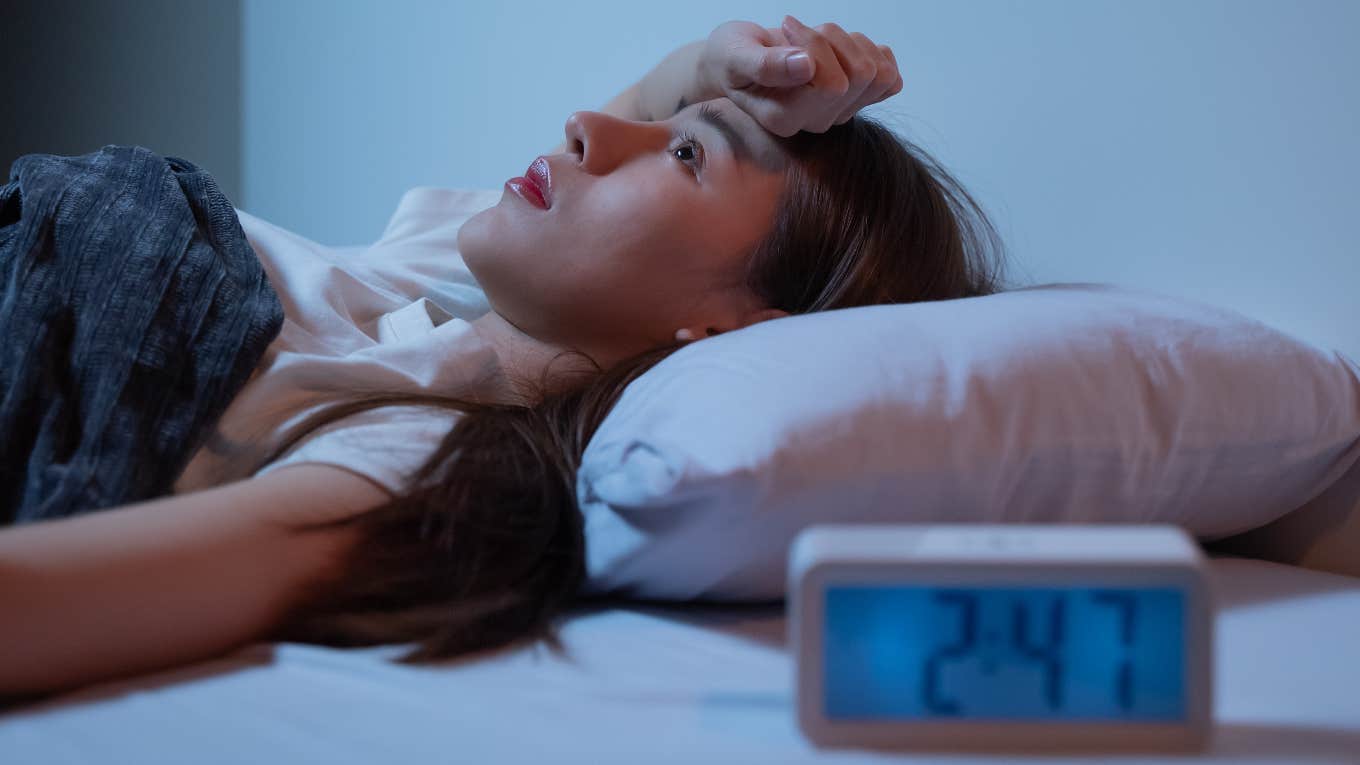
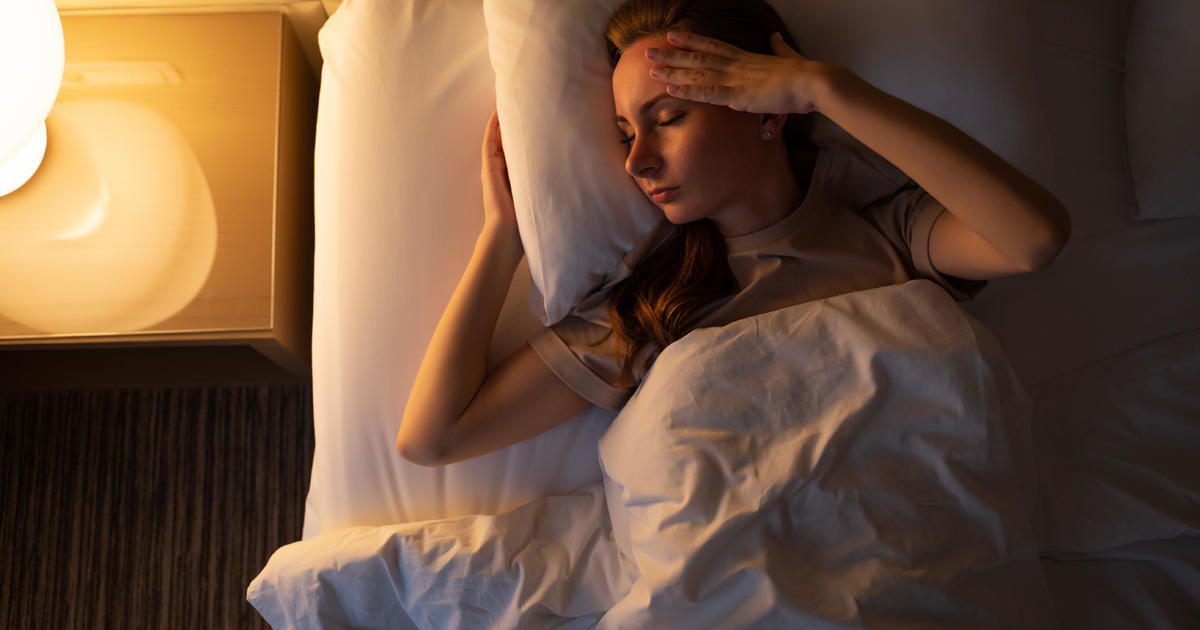
Many people experience a strange sound, known as pulsatile tinnitus, before falling asleep, which is a sign that the body is stuck in a stress response. This phenomenon, exacerbated by stress, can make it difficult to concentrate or sleep. While relaxation techniques, therapy, sound generators, dietary changes, and seeking professional help can alleviate this issue, it's important to address the underlying stress and anxiety causing these manifestations.

"Maximizing Sleep Quality for Improved Health and Productivity"
health-and-wellness2 years ago

"Maximizing Sleep Quality for Improved Health and Productivity"

To improve sleep quality and fall asleep faster, consider relaxation techniques such as progressive muscle relaxation, the four-seven-eight breathing method, and the military technique. Additionally, committing to a consistent sleep schedule and balancing nights with healthy daytime habits, including exercise and limiting caffeine intake, can help improve sleep duration and quality.

"7 Strategies to Stay Calm and Stress-Free in 2024"
health-and-wellness2 years ago

"7 Strategies to Stay Calm and Stress-Free in 2024"

CNN's "Life, But Better" series suggests five unconventional stress-reduction techniques: incorporating play into your routine, engaging in leisurely activities like watching TV (but not before bed), practicing cyclic sighing, trying progressive muscle relaxation, and cultivating gratitude through journals or photo albums. These methods offer alternatives to traditional stress management practices and aim to improve overall well-being by helping individuals manage stress more effectively.

Expert Tips for Falling Back to Sleep and Staying Asleep All Night
health2 years ago

Expert Tips for Falling Back to Sleep and Staying Asleep All Night

Sleep expert Dr. Biquan Luo has provided tips for those who struggle to fall back asleep after waking up at night. She suggests staying in bed and trying relaxation techniques like progressive relaxation, breathing exercises, and white noise machines. If unable to fall back asleep after 10-15 minutes, it's recommended to get out of bed and engage in a quiet, low-stimulation activity until feeling sleepy again. Dr. Luo advises against checking the time on your phone, as it can increase stress and prevent relaxation. Adjusting your body's internal clock and sleep schedule can also help reduce waking up during the night, through practices such as waking up at the same time every day, timed exposure to bright light, and modifying meal times and exercise routines.

"Science-backed Strategies for Stress Relief: 5 Ways to Relax"
health-and-wellness2 years ago

"Science-backed Strategies for Stress Relief: 5 Ways to Relax"

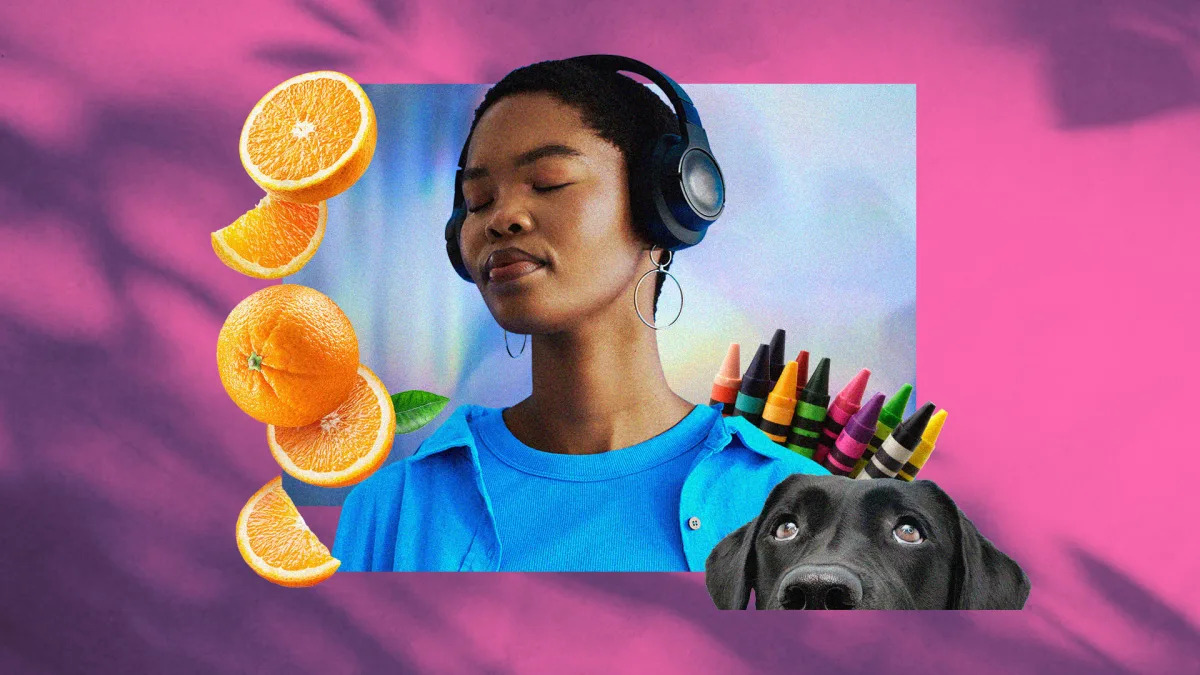
Stress can take a toll on our mental and physical health, but there are science-backed strategies to help us relax. Breathing exercises, such as cyclic sighing, can interrupt the snowball effect of stress by triggering the self-soothing component of the autonomic nervous system. Listening to music releases dopamine in the body, reducing cortisol levels and promoting relaxation. Interacting with dogs can decrease cortisol levels and increase executive function, benefiting academic success. Coloring can relax the mind and body, ease depression and anxiety, and improve focus and motor skills. Peeling an orange or using sweet orange essential oils can reduce stress and promote relaxation through the uplifting and stimulating effects of limonene.

health-and-wellness2 years ago

"Master the Art of Deep Sleep with Expert-Backed Techniques"

Experts recommend implementing cortisol-lowering habits, tracking sleep with devices like the Oura ring, considering sleep supplements like magnesium, setting boundaries on nighttime work, and staying consistent with bedtime and wake-up times to improve sleep quality. While high-tech sleep gadgets can be helpful, experts emphasize the importance of sticking to the basics for better sleep.

health2 years ago

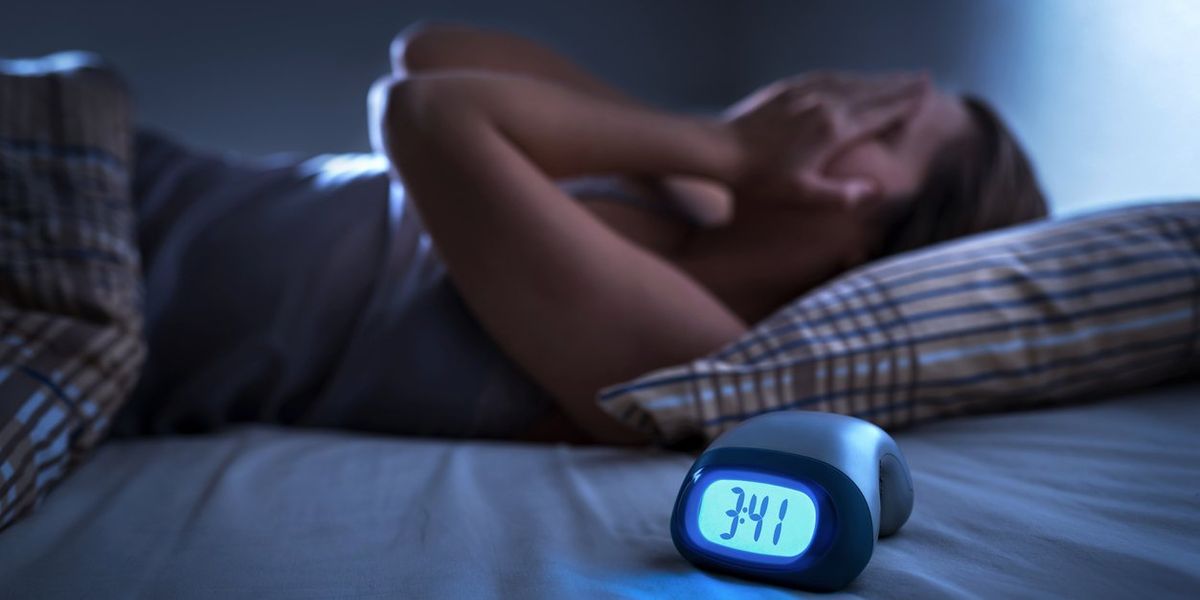
The Science Behind Waking Up at 4 a.m. and How to Quickly Fall Back Asleep

Waking up in the middle of the night is a common occurrence, but frequent awakenings could be a sign of insomnia. Various factors can contribute to waking up, including noise, alcohol consumption, eating close to bedtime, stress, and aging. To fall back asleep quickly, experts recommend avoiding checking the time, avoiding bright light, trying relaxation techniques like deep breathing or progressive muscle relaxation, and leaving the bedroom if sleep doesn't come within 20 minutes. Tips to prevent waking up in the middle of the night include maintaining a regular sleep schedule, getting sunlight exposure in the morning, avoiding caffeine and large meals close to bedtime, and creating a sleep-friendly bedroom environment. If sleep disturbances persist, it is advisable to consult a healthcare provider to rule out any underlying sleep disorders.

Mastering Calm: Strategies and Habits for Reducing Stress.
health-and-wellness2 years ago

Mastering Calm: Strategies and Habits for Reducing Stress.

Physical activity, mindfulness, and relaxation techniques such as progressive muscle relaxation can significantly reduce anxiety and stress levels. Regular jogging, swimming, or dancing can improve mood, enhance mental resilience, and develop coping abilities. Mindfulness allows us to be focused on the present moment, while relaxation techniques help us release stress and become more attuned to tension in our bodies. Emotional support is also highly effective in reducing anxiety, and physical activity with a close companion can increase the calming effect and provide more motivation for training over time.