Communities across the U.S. are increasingly opposing the expansion of large data centers due to concerns over environmental impact, increased energy costs, and quality of life, leading to delays, cancellations, and legal battles for tech giants and developers.

The US options market is experiencing record volumes with a small group of banks, including Bank of America, Goldman Sachs, and ABN Amro, dominating clearing activities and contributing nearly half of the OCC's default fund, raising concerns about concentration risk and the need for increased competition and regulatory adjustments to mitigate potential systemic failures.
In San Bruno, police encountered a driverless Waymo vehicle making an illegal U-turn, highlighting legal and regulatory gaps in managing autonomous cars, as legislation is being discussed to address enforcement issues. The incident underscores the need for updated laws and protocols as autonomous vehicles become more common on roads.
Cannabis and THC-infused drinks, once hyped as the next big thing, have largely failed to gain widespread consumer acceptance due to legal hurdles, regulatory complexities, taste issues, and cultural barriers, despite a growing market and industry optimism about their potential to replace or complement alcohol.
European companies including ASML, Airbus, and Mistral AI have urged the EU to delay the implementation of its AI regulation by two years, citing concerns that the current rules could hinder innovation and competitiveness. The companies criticize the delayed guidelines and the voluntary code of practice, which they find unworkable, and warn that delays could push back the regulation's enforcement, affecting the development and deployment of advanced AI models like ChatGPT.
The article discusses the complexities and risks of auditing bitcoin treasury companies, highlighting the lack of transparency, potential for fraud, and the challenges auditors face in verifying crypto assets, which contrasts with the relative simplicity of auditing traditional cash reserves. It emphasizes the need for clearer standards and transparency in crypto reserves to prevent deception and protect investors.
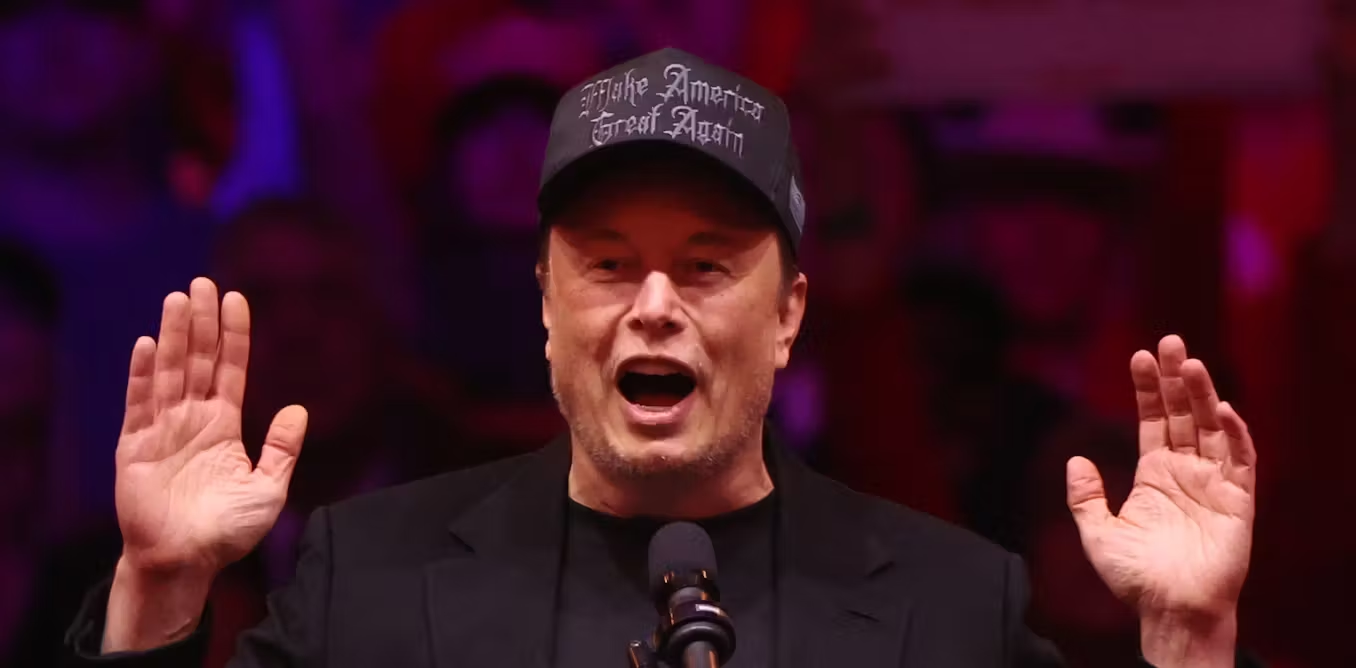
Elon Musk has thrown his support behind Donald Trump in the upcoming US presidential election, investing millions in a pro-Trump PAC and appearing at rallies. Musk's backing is driven by his opposition to federal regulations, which he views as a threat to his businesses and humanity's future. A second Trump administration could potentially dismantle regulatory agencies, aligning with Musk's interests. However, Musk's support for Trump, who promotes an "America First" agenda, may conflict with his global ambitions. Allegations of Musk's communications with Vladimir Putin have also raised concerns.
PDD Holdings, the owner of Temu and Pinduoduo, reported a significant surge in profit and revenue, driven by increased consumer demand in both the US and China. The company's net profit soared 246% to $3.9 billion, and revenue jumped 131% to $12 billion in Q1 2024, surpassing market expectations. This growth has made PDD China's most valuable e-commerce company, surpassing Alibaba. However, PDD faces growing competition and regulatory scrutiny in international markets.
The potential for AI to revolutionize healthcare is immense, with the ability to improve diagnoses, personalize patient support, and expedite drug discovery. However, integration has been slow due to challenges such as fragmented health data, regulatory hurdles, and resistance to cost-cutting incentives. Overcoming these obstacles will require addressing data privacy concerns, enhancing regulatory capacity, and reshaping healthcare incentives. Governments, regulators, and companies all have roles to play in ensuring the safe, reliable, and accountable use of AI in healthcare, with the potential benefits far outweighing the challenges.
Meta, the parent company of Facebook, is planning to shut down its news tab in the U.S. and Australia by April 2024, citing a significant drop in user engagement and a need to focus on products and services that users value the most. The decision comes as Meta aims to distance itself from news-related regulations and payment complexities, following similar moves in the UK, Germany, and France. The company emphasized that existing deals with publishers will not be affected, and users will still be able to share news on their feeds, but it has no plans to invest in new news-related products in these countries.
Alibaba's stock has plummeted due to regulatory challenges and market volatility, but co-founders Jack Ma and Joe Tsai's $200 million share purchase signals confidence in the company's future. The company's substantial buyback program and potential IPOs of its subsidiaries, along with favorable monetary policies, indicate a path to recovery and long-term success despite historic stock price decline.
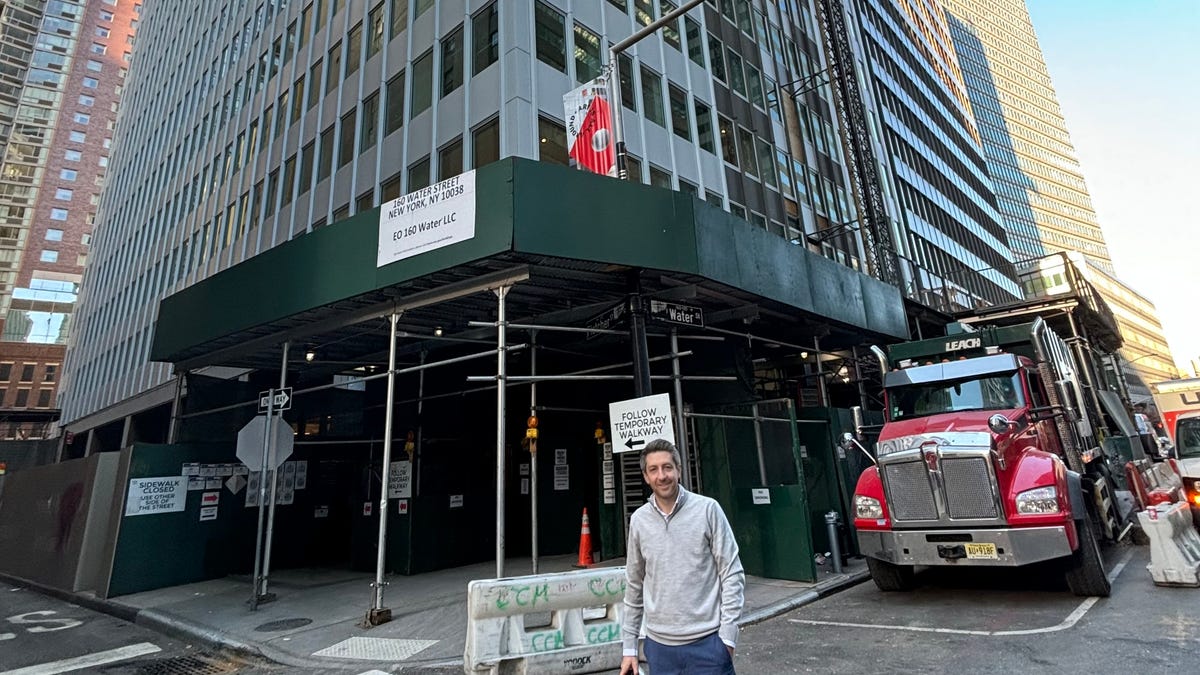
The pandemic has led to a surge in office vacancies in big cities, prompting a growing trend of office-to-residential conversions. Proponents argue that these conversions can address the housing shortage, reduce greenhouse gas emissions, and revitalize cities. However, there are challenges such as architectural complications, regulatory hurdles, and the need for a strong rental market. The U.S. government is supporting these conversions through federal programs, and cities are exploring zoning changes and tax incentives. Developers are finding conversions financially feasible in markets with high apartment rents. The conversion process is faster and more cost-effective compared to ground-up developments.
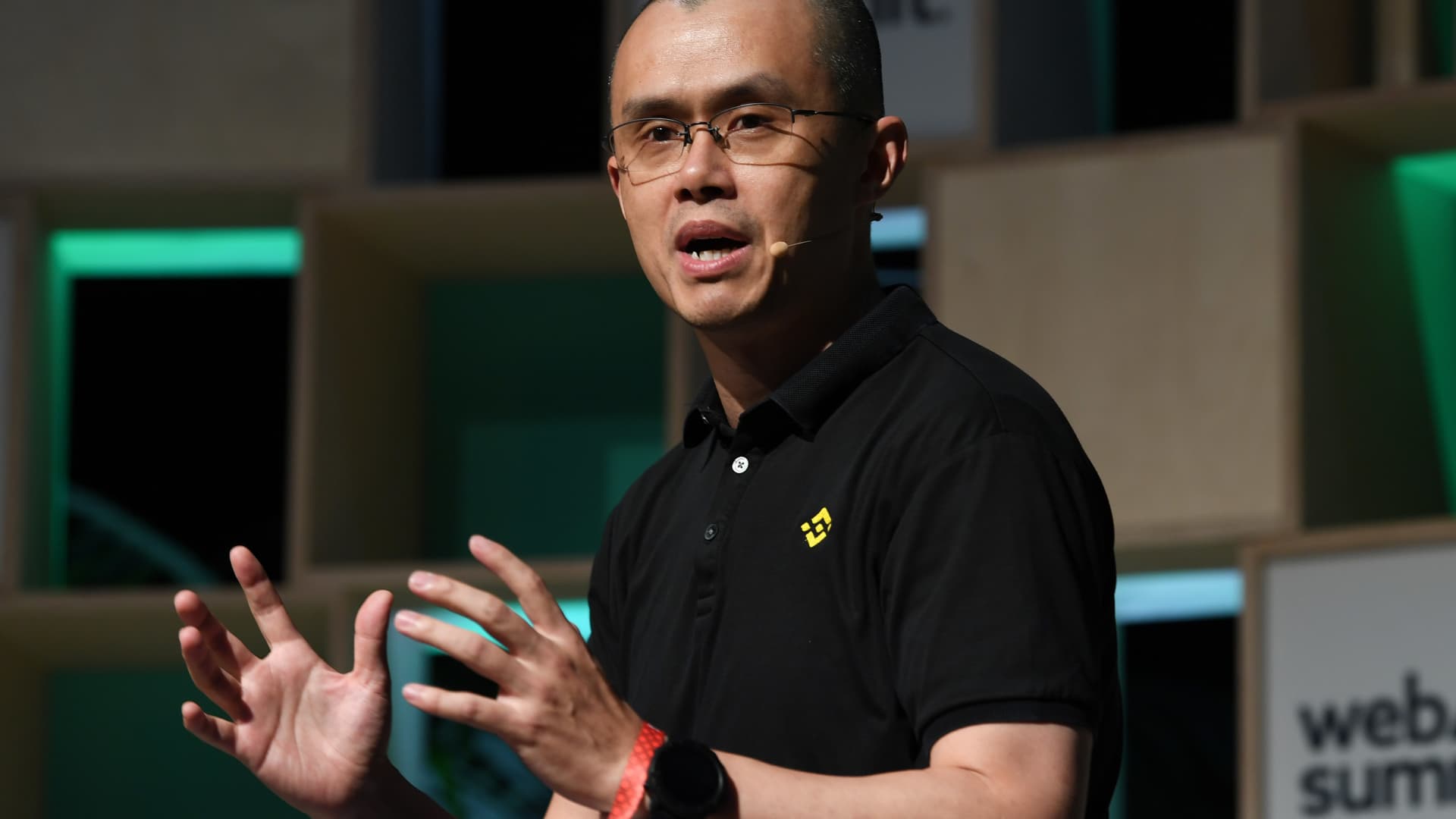
Mastercard and Binance will be ending their partnership for crypto card programs in Argentina, Brazil, Colombia, and Bahrain as of September 22. The Binance cards allow users to make payments in traditional currencies using their cryptocurrency holdings. This decision comes as Binance faces legal and regulatory challenges, with U.S. regulators suing the exchange and its CEO in June. Mastercard's spokesperson did not comment on the reason for ending the partnership or who made the decision.
Crypto exchange Binance is reportedly planning to lay off 1,500 to 3,000 employees in response to an ongoing Justice Department probe, which may result in a consent decree or settlement. The probe, focusing on anti-money laundering violations and sanctions evasion charges, could fundamentally reshape the company and potentially lead to a multi-billion dollar payment. Binance has been facing regulatory challenges, including lawsuits from the SEC and CFTC, and has experienced significant outflows and executive departures. The company's spokesperson disputed the higher number of layoffs, stating that they are re-evaluating talent density and expertise in critical roles.
Binance, the cryptocurrency exchange, has reportedly laid off over 1,000 employees globally in recent weeks due to ongoing legal investigations by the SEC and other regulatory challenges. The layoffs, which could eventually affect more than a third of Binance's staff, are aimed at increasing talent density and ensuring the company's agility in preparation for the next major bull cycle in the cryptocurrency market.