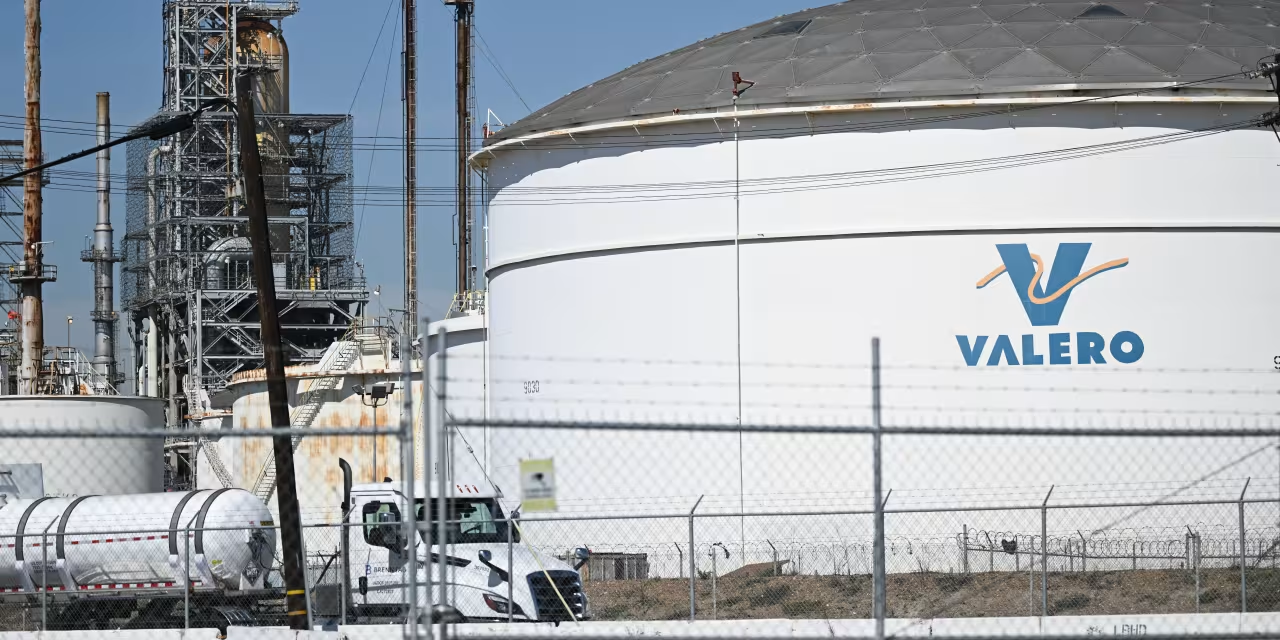
Michael Burry has been holding Valero Energy since 2020, betting on a potential revival of Venezuelan oil exports and infrastructure, which could benefit U.S. refiners and oilfield service companies as Venezuela's oil industry potentially recovers with increased U.S. involvement.
The potential normalization of Venezuelan oil exports under U.S. influence could benefit U.S. Gulf Coast refiners by providing more heavy sour crude, while posing long-term competition to Canadian heavy crude producers, potentially impacting their market share and margins. Immediate effects are limited, but the geopolitical shift could reshape global heavy crude markets over time.
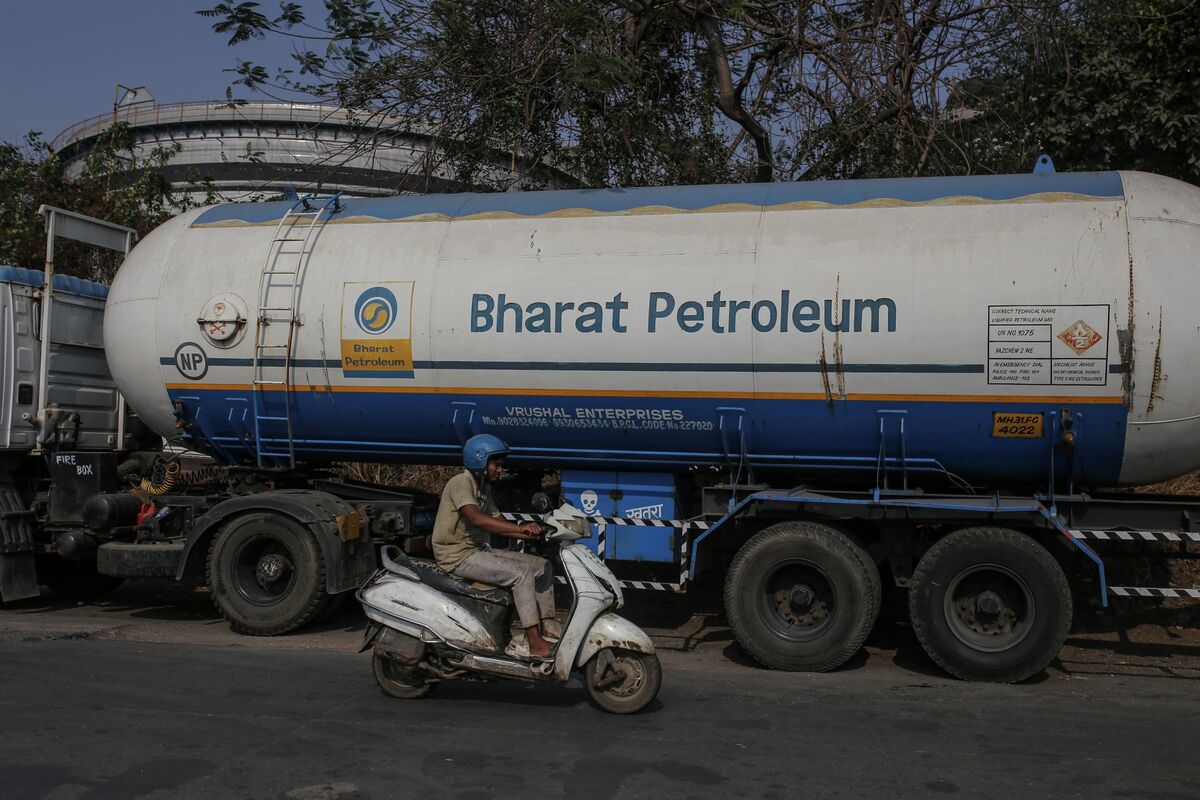
India's state-owned oil refiners are temporarily halting Russian crude purchases due to increased US pressure and tariffs, with plans to await government guidance, potentially shifting to Middle Eastern and other sources to meet demand, amid geopolitical tensions and market adjustments.
Graphite, a versatile and valuable mineral, is used in various industrial processes and is increasingly important in the decarbonization of transportation. It is commonly found in flake or amorphous form and has unique properties such as lubricity and high melting point. Graphite mining involves open-cast mines and flotation processes to separate the graphite from the surrounding rock. Natural graphite production is dominated by China, while synthetic graphite is produced through high-temperature processes using petroleum coke. However, synthetic graphite is more expensive than natural graphite. As the demand for graphite continues to grow, there is a need for more sustainable extraction and refining methods.
Exxon Mobil Corp. and Chevron Corp. reported disappointing profits due to weak performances in their oil-refining and chemical businesses. Exxon fell just short of third-quarter expectations, while Chevron missed by a larger margin. Both companies attributed their underperformance to factors such as an oversupply of chemicals and losses from overseas refining. Despite the earnings miss, Exxon increased its quarterly investor payouts and reported strong free cash flow. Chevron's overseas refining division delivered lower-than-expected net income, and its Permian Basin crude-production business lagged. Both companies are pursuing major deals to expand their oil-production capabilities.
Exxon Mobil reported a record Q1 profit of $11.43 billion, more than double from a year ago, due to strong oil and gas production growth that offset a pullback in energy prices. The company's oil and gas production rose to the most since 2019, driven by new volumes of crude oil and fuels from the startup of new offshore developments and refining facilities. Exxon also finished the startup of a new crude processing unit at its Beaumont, Texas, plant that added 250,000 bpd of oil refining capacity. The company has no urge to tap its $32.7 billion cash for mergers or acquisitions, but would be open to deals that could offer synergies and drive good returns for shareholders.
Tesla CEO Elon Musk has called on entrepreneurs to refine more lithium, a mineral used in EV batteries, as the US faces a choke point in securing refined lithium for EV batteries. The Biden Administration's push towards greener technologies is about to create massive demand for lithium in the US. Currently, much of the world's lithium refining happens in China and is directed at the country's own growing EV market.
Saudi Aramco plans to build a $10 billion refining and petrochemical complex in China with a capacity of 300,000 barrels of crude per day, with Saudi Aramco supplying 201,000 barrels per day. The project is part of a larger Saudi Aramco strategy to secure long-term demand for its oil and is scheduled for completion in 2026. The International Energy Agency has projected that petrochemicals will account for more than a third in oil demand growth by 2030, rising to 50% of demand by 2050 as transport electrifies.
The oil price collapse continued on Friday after a brief respite, with prices on course to post a more than 10% loss for the week. Australian authorities may compel LNG exporters to divert excess gas supply towards domestic consumers amidst decreasing natural gas production. The last large-scale refining project to be commissioned in the US, the 250,000 b/d capacity Blade project at ExxonMobil’s refinery in Beaumont, TX, is set to start up in the upcoming weeks. Inspectors of the UN’s nuclear agency discovered that some 2.5 tonnes of uranium have gone missing from a Libyan site controlled by the rival Benghazi government. Venezuela and Colombia are seeking to reactivate the 224-km Antonio Ricaurte gas pipeline and export some 25 MMCf/day of Venezuelan gas to its western neighbor.