The Justice Department has accused First National Bank of Pennsylvania of discriminating against Black and Latino homebuyers in North Carolina for at least four years, resulting in a $13.5 million settlement to subsidize loans for affected borrowers. This marks the 13th redlining settlement under the Biden Administration, reflecting a heightened focus on racial discrimination in financial services. The DOJ's Redlining Taskforce has brought in $122 million in settlements and aims to address modern-day redlining as a barrier to equal economic opportunity and racial justice. FNB, while disagreeing with the findings, settled the case to move forward.

Bank regulators have introduced a new rule to combat lending discrimination, requiring banks to increase lending to low- and moderate-income communities. The rule, which marks the most significant revision to the Community Reinvestment Act in nearly three decades, has drawn criticism from lenders and a Federal Reserve Board member. The new framework, effective from January 2026, assesses banks' retail lending and community development financing using benchmarks based on peer and demographic data. Banks oppose the new loan-threshold test, arguing it could lead to closures or restrictions in sparsely populated areas. Fed Chair Jerome Powell defended the rule, stating it will expand access to credit and banking services in low- and moderate-income communities.
Washington Trust Company, the oldest community bank in the US, has agreed to pay $9 million to settle allegations of redlining in Rhode Island. The Justice Department accused the bank of engaging in lending discrimination by avoiding providing credit services to majority-Black and Hispanic neighborhoods. The settlement aims to provide relief to impacted communities and promote equal access to home loan opportunities. As part of the agreement, Washington Trust will invest in a loan subsidy fund, establish community partnerships, open branches in minority neighborhoods, and employ a Director of Community Lending. The Justice Department's Combating Redlining Initiative has now secured $98 million in relief for communities affected by lending discrimination.
Black adults living in historically redlined neighborhoods have an 8% higher risk of developing heart failure compared to Black adults in non-redlined areas, according to a study published in the American Heart Association's journal Circulation. The discriminatory lending practice of redlining, which denied loans and insurance to people of color seeking homes outside undesirable areas, has had long-term effects on the health of these communities. The study also found that higher levels of socioeconomic distress explained approximately half of the excess risk of heart failure. Previous research has shown that hypertension and Type 2 diabetes also disproportionately affect Black residents in these neighborhoods.
Redlining, a historical housing discrimination practice, continues to have lasting effects on the cardiovascular health of U.S. veterans. Research using data from the Home Owners' Loan Corporation (HOLC) found that veterans living in formerly redlined neighborhoods had higher rates of cardiovascular risk factors and were more likely to be diagnosed with chronic diseases. These neighborhoods also had worse air quality and higher noise levels, which have been linked to adverse health outcomes. The study highlights the importance of considering neighborhood environments when assessing cardiovascular risk and calls for further research to inform policies addressing health disparities in historically marginalized communities.
A study conducted by researchers at Case Western Reserve University, University Hospitals, and the Cleveland VA Medical Center found that U.S. military veterans who lived in "redlined" areas, which were historically disadvantaged neighborhoods due to discriminatory housing practices, had a higher risk for cardiovascular issues. The study analyzed data from 80,000 veterans with pre-existing cardiovascular disease and found that those living in redlined neighborhoods were 14% more likely to experience adverse cardiac events like heart attacks or strokes, even after adjusting for known risk factors. The findings highlight the long-lasting impact of historical residential policies on community health and the need for targeted interventions to address health disparities.
People who live in historically redlined areas are less likely to be screened for breast, colorectal, and cervical cancer than people who live in areas not associated with redlining practices, according to a study published in the Journal of the American College of Surgeons. Redlining is a discriminatory practice in which financial institutions refuse to provide loans or insurance to people who live in an area deemed to be a poor financial risk. The practice predominately impacted Black home buyers, contributing to segregation and inequality. The study underscores the responsibility of healthcare systems to proactively tackle social determinants of health, such as redlining, to achieve equitable access to cancer screening and ultimately save lives.
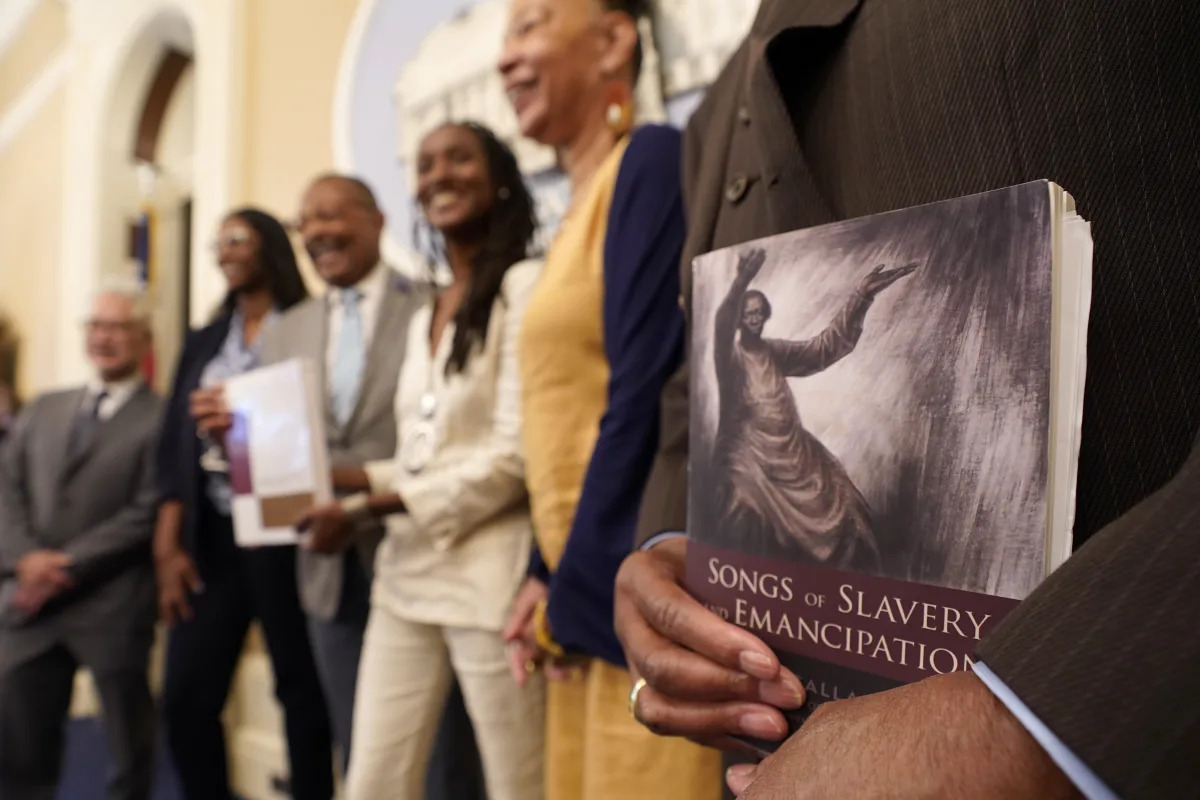
The California Reparations Task Force has approved a set of recommendations for how the state can make amends to its Black residents for slavery and the decades of racial discrimination that followed. However, the recommendations may never come to fruition due to legal issues. The task force's final report includes a set of mathematical formulas used to figure out how much is owed to residents based on certain factors, including their age, how long they've lived in California, and the specific type of harm they've suffered. Legal experts have raised concerns about the legal viability of reparations, particularly the ancestry requirement, which would apply to about 80% of all Black residents in California.
Economists have estimated that it could cost California over $800 billion to compensate Black residents for generations of over-policing, disproportionate incarceration, and housing discrimination. The figure does not include compensation for health disparities, property unjustly taken by the government, or devaluing Black businesses. The reparations task force is scheduled to discuss the numbers and can vote to adopt the suggestions or come up with its own figures. The proposed number comes from a consulting team of five economists and policy experts.