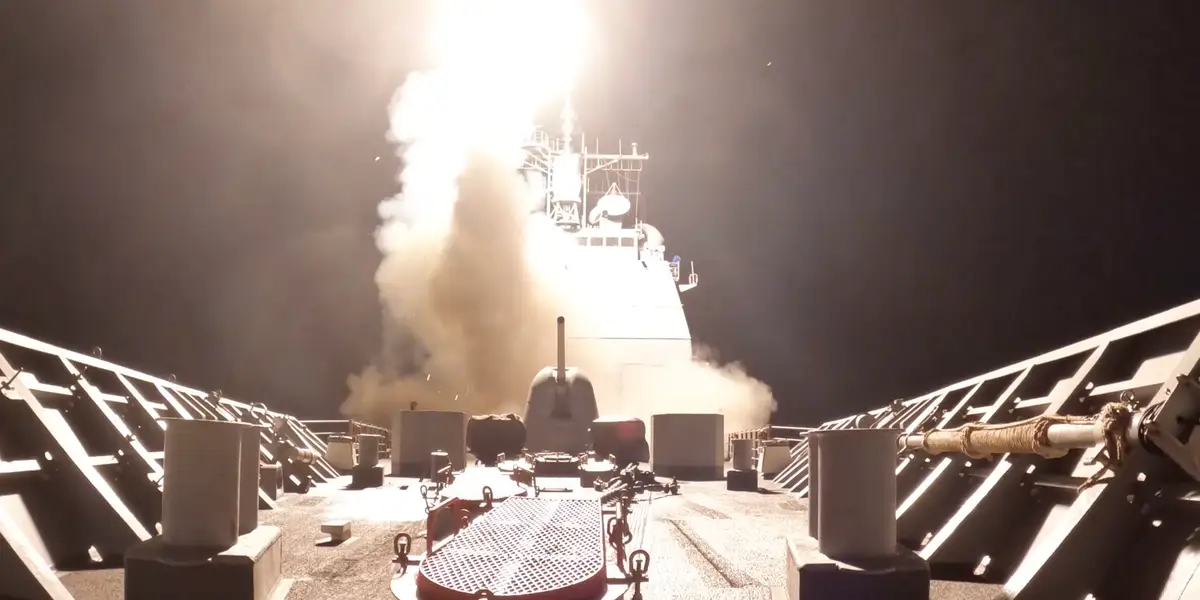
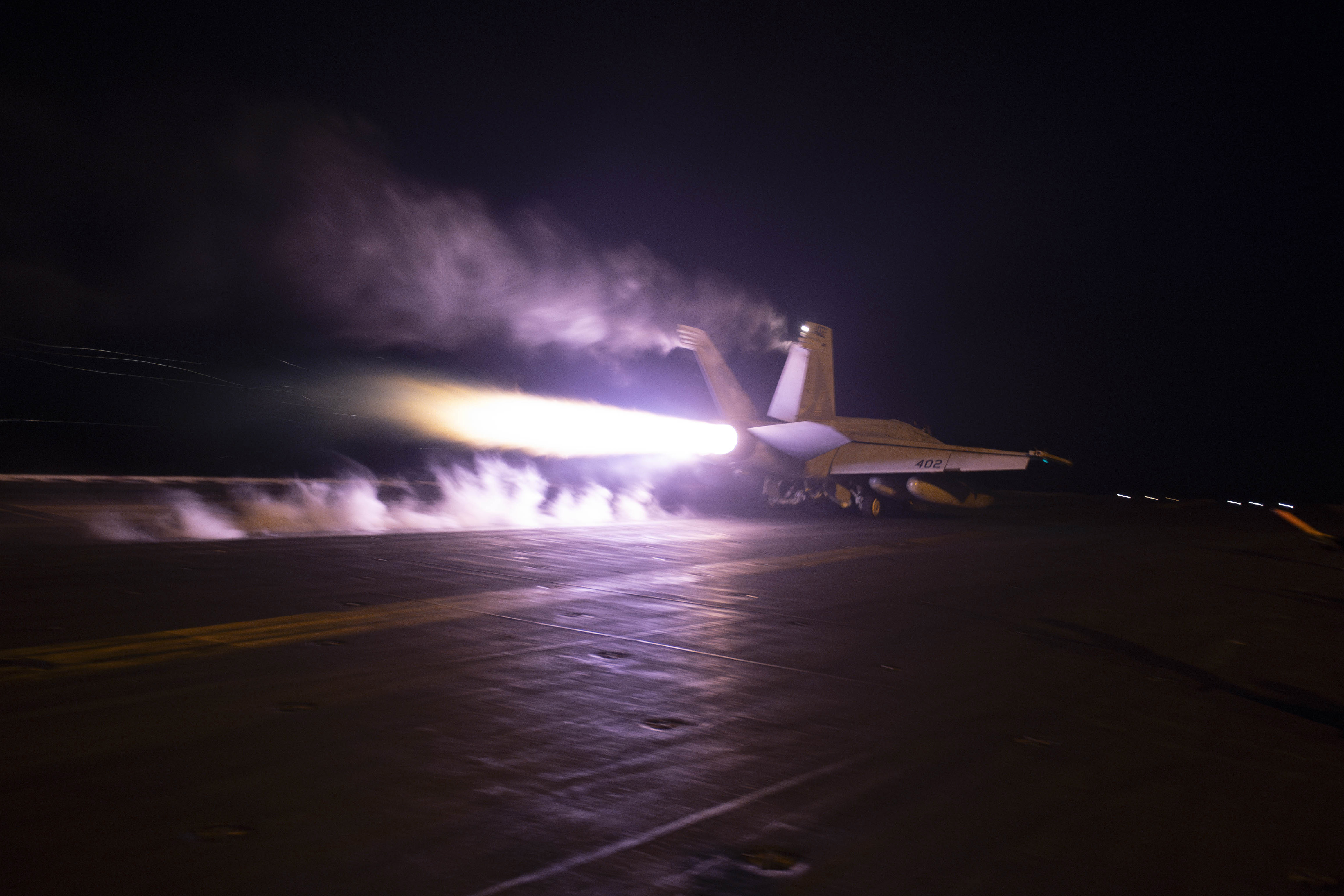
The US Navy's recent conflict with the Houthis in the Red Sea has provided valuable lessons in high-tempo air defense operations, highlighting the challenges of modern maritime warfare and the significantly greater complexities a future conflict with China would entail, including longer-range engagements, advanced missile technology, and the need for improved reloading and cost-effective defense strategies.
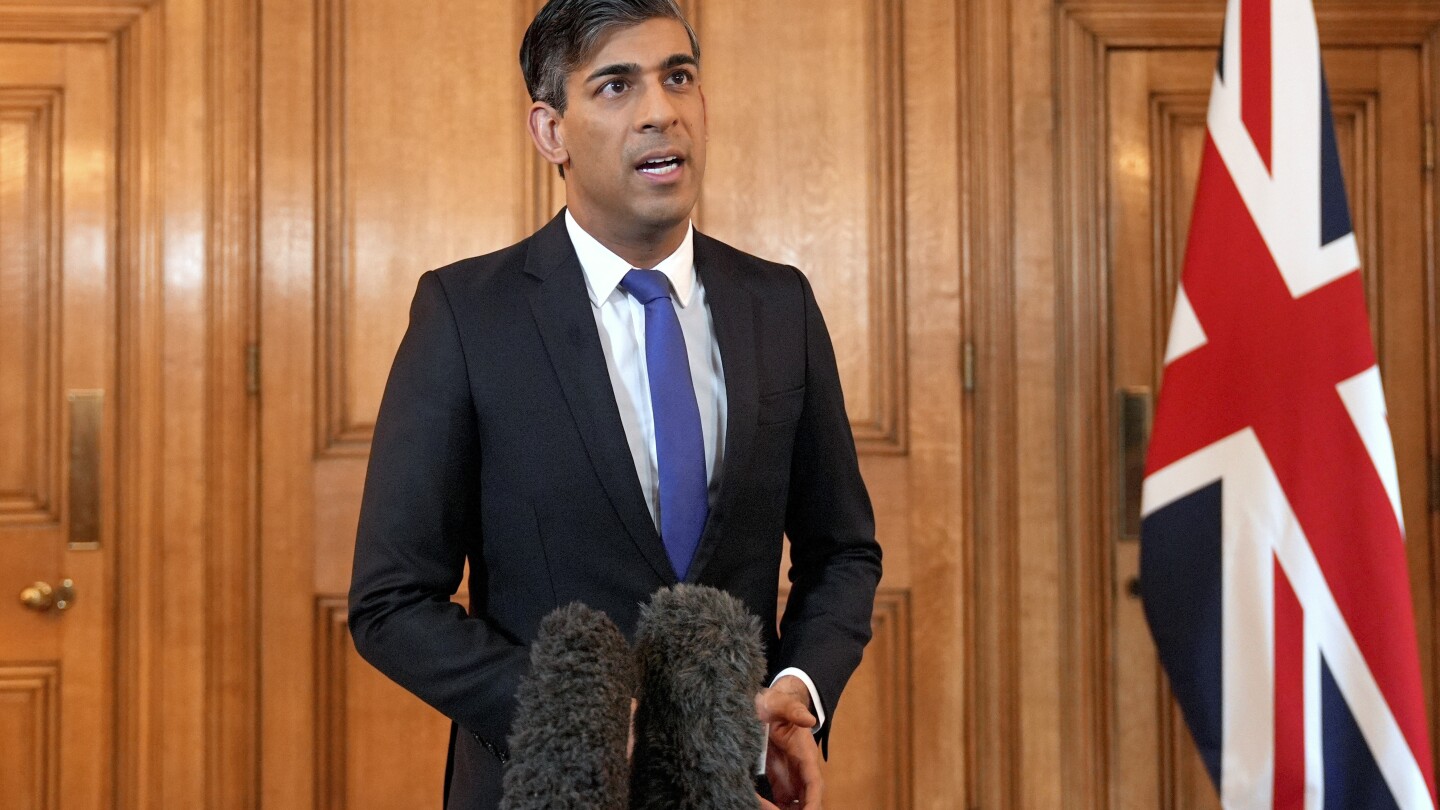
Joint US-British airstrikes targeting Yemen's Houthi rebels killed at least 16 people and wounded 42, with the Houthis claiming most casualties were civilians in Hodeida. The strikes were in response to increased Houthi attacks on shipping in the Red Sea and Gulf of Aden amid the Israel-Hamas conflict. The US and UK described the targets as military facilities, while the Houthis threatened further retaliation.
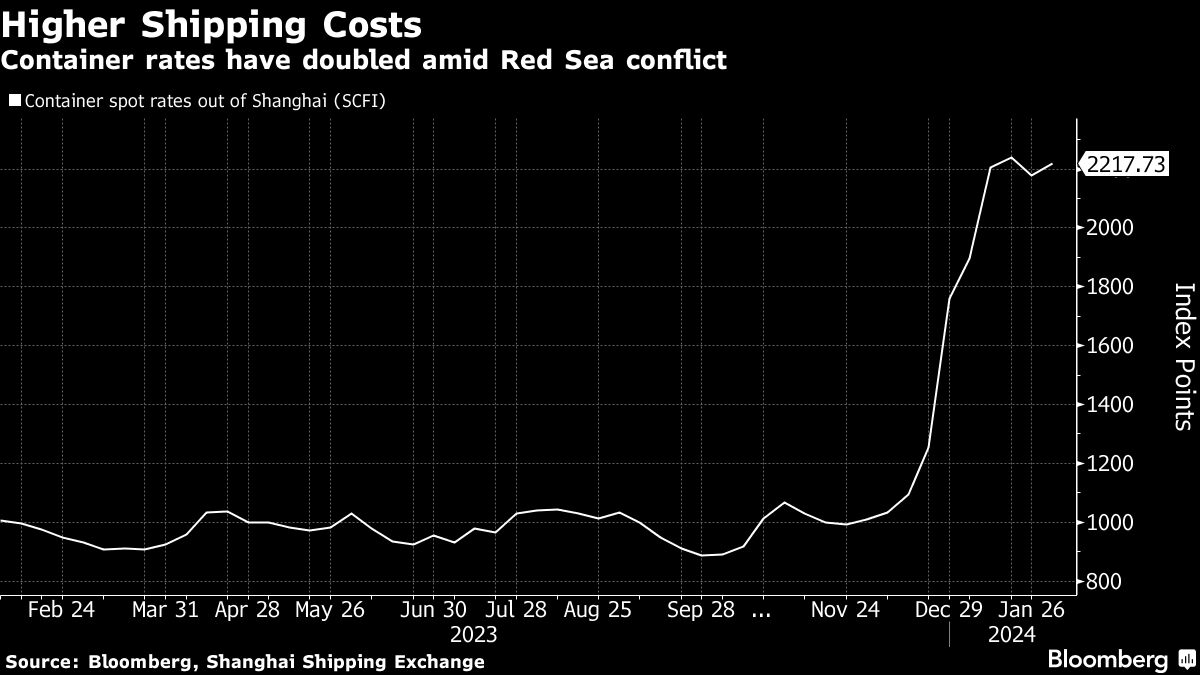
A.P. Moller-Maersk A/S shares plummeted after the company warned of an impending industry slowdown once the current boost to freight rates from the Red Sea conflict fades, with global container trade growth expected to be at 2.5% to 4.5% for the full year. About a third of Maersk’s fleet is affected by the Red Sea turmoil, and the company estimates that the global container fleet will grow 12% to 13% this year as new ships are launched, exacerbating the industry's overcapacity problem. Maersk's 2024 financial outlook missed most analyst estimates, and the company suspended its stock buyback program due to market uncertainty.
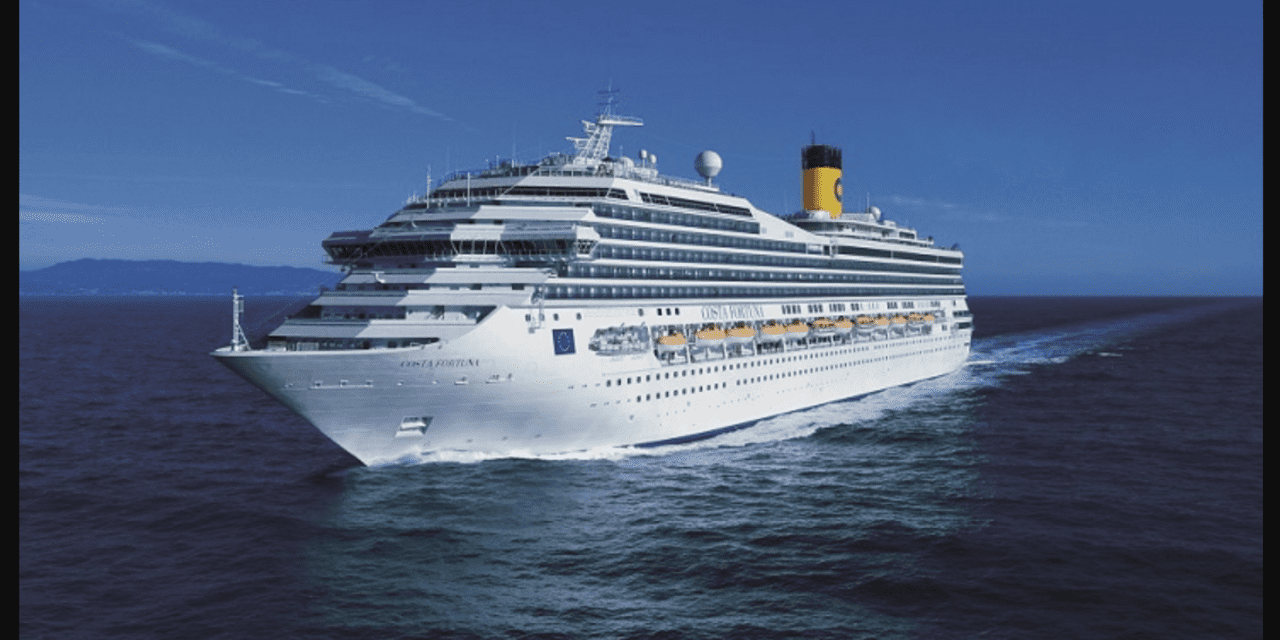
Carnival Corp reports record bookings for the first half of 2024, but anticipates a profit hit due to re-routing vessels to avoid attacks in the Red Sea conflict involving Iranian-backed Houthi Rebels. The company expects an impact of 7 to 8 cents a share in adjusted 2024 earnings, with most of the impact in the second quarter, but overall, it has not seen an impact on booking trends. Despite the conflict, Carnival remains optimistic about its strong booking momentum and expects to outperform during the year.
The ongoing attacks by Iranian-backed Houthi militants on commercial ships in the Red Sea are disrupting global trade, posing significant risks for the U.S. economy and potentially driving up consumer goods prices, which could impact Democrats and President Joe Biden's reelection prospects. The conflict's economic fallout, including shipping disruptions and volatility in oil prices, has raised concerns about inflation and consumer sentiment, prompting the White House to justify recent U.S. military strikes against Houthi sites in Yemen. While the direct economic impacts on the U.S. are currently limited, the potential for a wider conflict and disruptions in global trade could have lasting effects on the American economy.
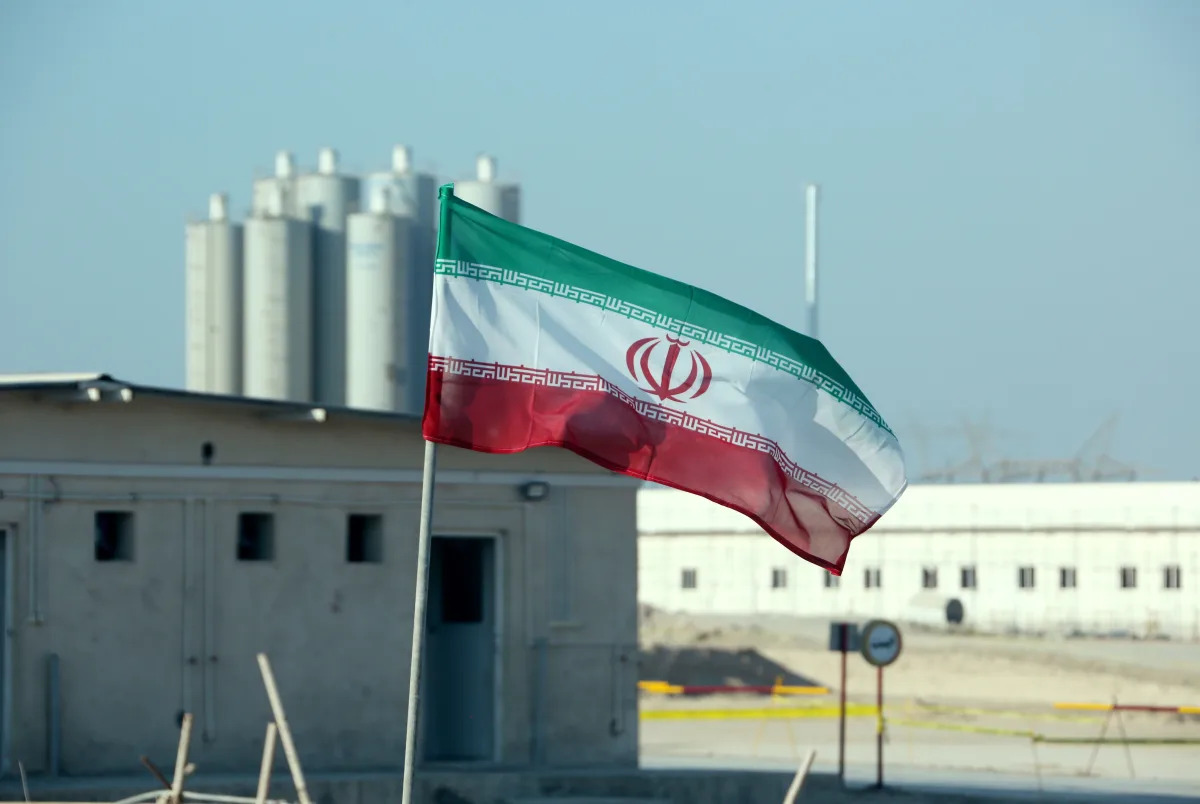
The U.S. and Israel are facing a newly aggressive Iran as proxy groups launch attacks and Iran accelerates its nuclear program. The conflict has widened to the Red Sea, where Houthi forces in Yemen, backed by Iran, are targeting ships. The U.S. is reluctant to attack the Houthis but is refining plans for a military response. Meanwhile, Iran's alliance with Russia and China has altered the power dynamic, leaving the U.S. with limited options to address Iran's nuclear ambitions.