The Houthis in Yemen have threatened to escalate their naval blockade against Israel by targeting any ships dealing with Israeli ports, regardless of their flag, as part of their ongoing conflict related to Gaza, marking a significant escalation in their attacks in the Red Sea which have already impacted global maritime trade.

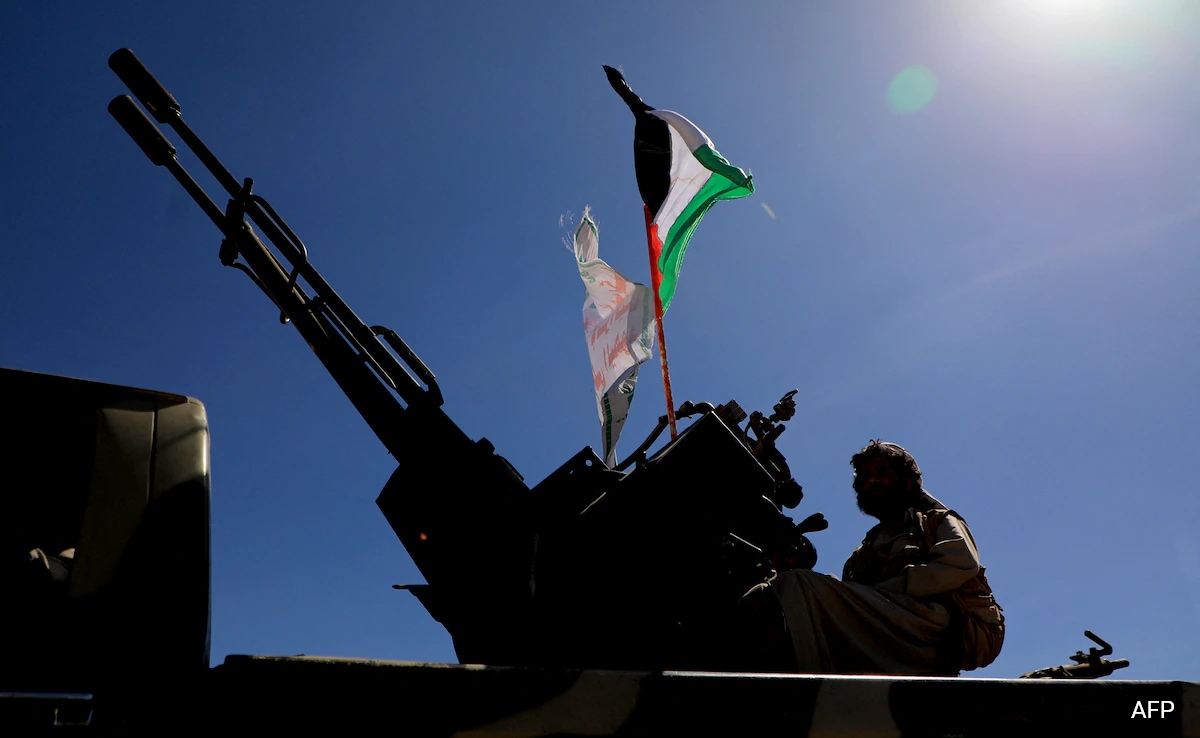
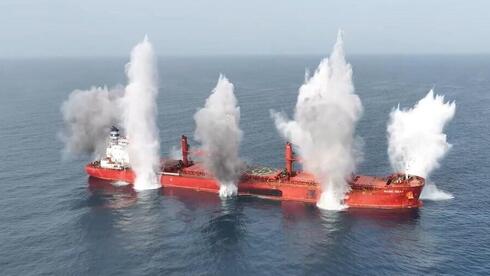
The Yemeni army has conducted military operations against six ships in the Gulf of Aden and the Red Sea, including two US destroyers, using ballistic missiles and drones, targeting vessels associated with the US and Britain. These attacks have disrupted major shipping and oil routes, leading to longer transit routes and prompting airstrikes by the US and its allies on Yemen. The Yemeni armed forces have declared US and British vessels as legitimate targets in response to the Israeli regime's hostilities and siege against Gaza, vowing to continue pro-Palestinian operations.
Three undersea data cables in the Red Sea have been cut, disrupting global internet and telecommunications, as Yemen's Houthi rebels continue to target the vital waterway. The rebels deny responsibility, blaming disruptions on British and U.S. military operations. Meanwhile, a Houthi missile attack set a ship ablaze in the Gulf of Aden, but caused no injuries. The attacks have raised concerns about the impact on global shipping and telecommunications, with efforts underway to reroute traffic and repair the damaged cables.
Yemen's Houthi rebels claim to have targeted an Israeli cargo ship in the Gulf of Aden and US warships in the Red Sea and Arabian Sea using missiles and drones. Despite US-UK strikes on Houthi military sites, the rebels have vowed to continue targeting ships linked to Israel in solidarity with Palestinians. Additionally, the rebels have shot down a US military drone near Yemen, escalating tensions in the region.
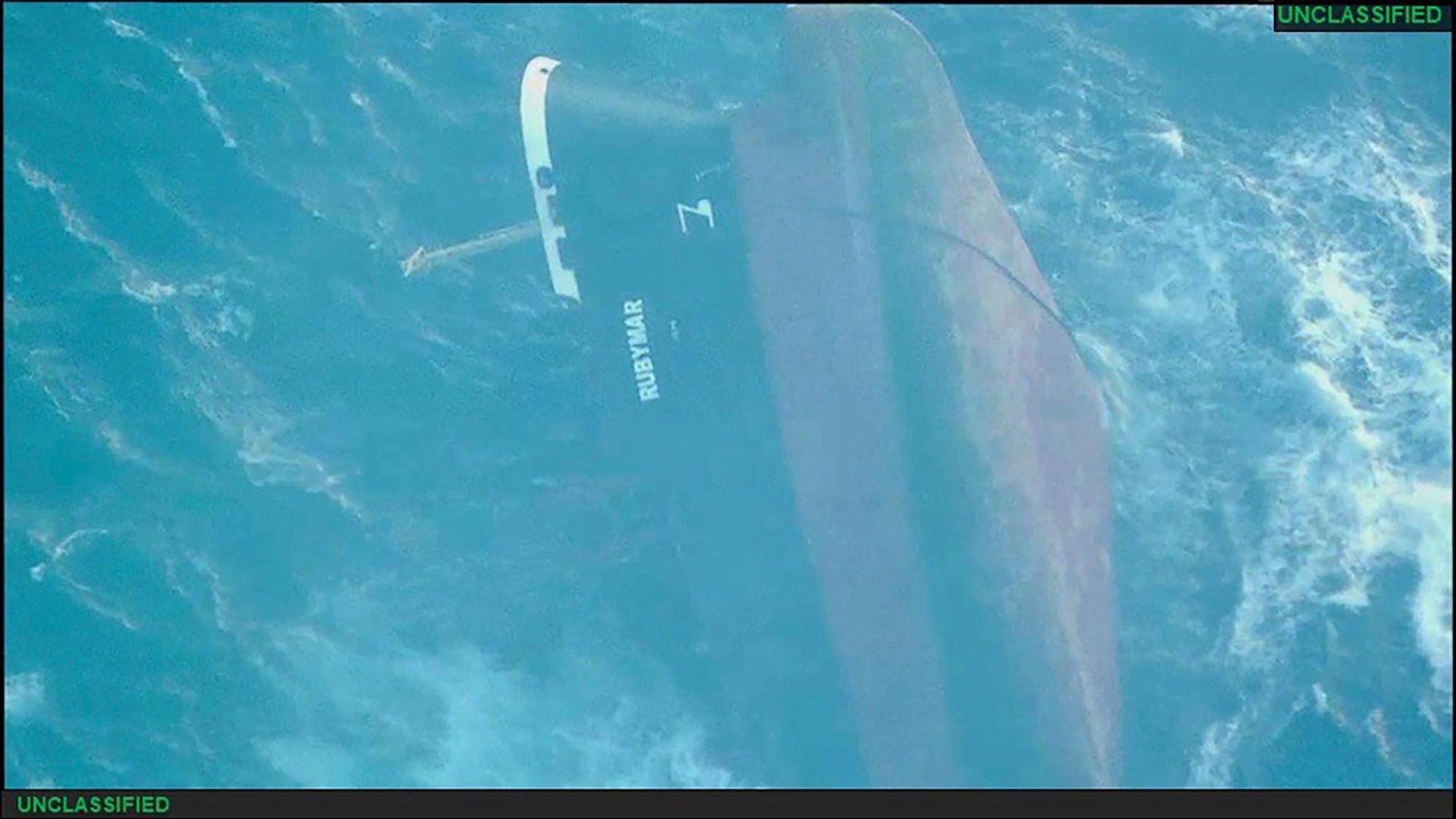
The crew of a commercial ship in the Red Sea abandoned the vessel after a Houthi missile attack, marking the first such evacuation since the group began targeting trade in the area. The Iran-backed group claims to be targeting ships with ties to Israel, the US, and UK in response to conflicts in Gaza and western airstrikes. The attacks have led to disruptions in global trade, with ships now navigating longer routes to avoid the area. The European Union has launched a defensive naval operation to protect commercial vessels, while the US has conducted self-defense strikes against the Houthis.
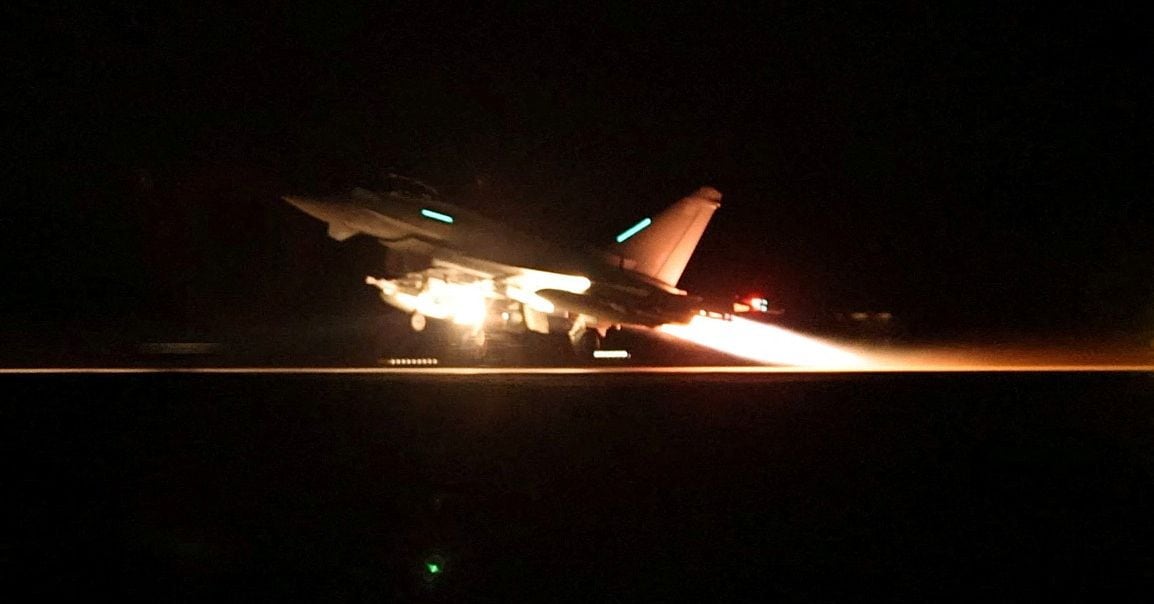
The US launched retaliatory strikes against Houthi targets in Yemen following continued attacks on international ships, targeting 14 Iranian-made Houthi missiles loaded to be fired in Houthi-controlled areas, with Secretary of State Antony Blinken announcing the reclassification of the Yemeni rebel group as a terrorist organization to restrict their access to financial support, while emphasizing that the decision could be reversed if the attacks on maritime traffic cease.
Following US and UK air strikes on Yemen in response to Houthi militia attacks on ships in the Red Sea, an increasing number of tanker owners are avoiding the region, with multiple tankers changing course. The Combined Maritime Forces warned ships to avoid the Bab al-Mandab Strait, and Iran's seizure of a tanker added to the escalation. Oil prices rose amid fears of supply disruptions, and several shipping companies have opted to avoid the Red Sea region due to heightened risks. Major container shipping companies are considering measures to secure the region, while some oil tanker firms have decided to pause transits through the southern Red Sea.
The Houthi group's recent attacks on commercial vessels in the Red Sea have boosted their domestic recruitment and support in Yemen, particularly through rallying for the Palestinian cause. However, these actions threaten the fragile peace process and ceasefire talks in Yemen's decade-long war. The U.S.-led coalition's military efforts to stop the maritime attacks have not deterred the Houthis, who remain defiant. Analysts fear that the Houthis' aggressive stance could provoke a stronger U.S. military response and derail the progress towards a ceasefire, potentially reigniting conflict within Yemen.
Yemen's Houthi rebels launched two attacks on container ships in the Red Sea near the Bab el-Mandeb Strait, a vital corridor for cargo and energy shipments. The attacks, which targeted the MSC Palatium III and the Al Jasrah, escalate the rebels' maritime campaign and pose a threat to shipping in the region. The Houthis claim the attacks are in response to the Israeli offensive on Gaza, but the connection to the targeted ships is unclear. Separately, a Bulgarian ship was hijacked by suspected Somali pirates in the Arabian Sea.
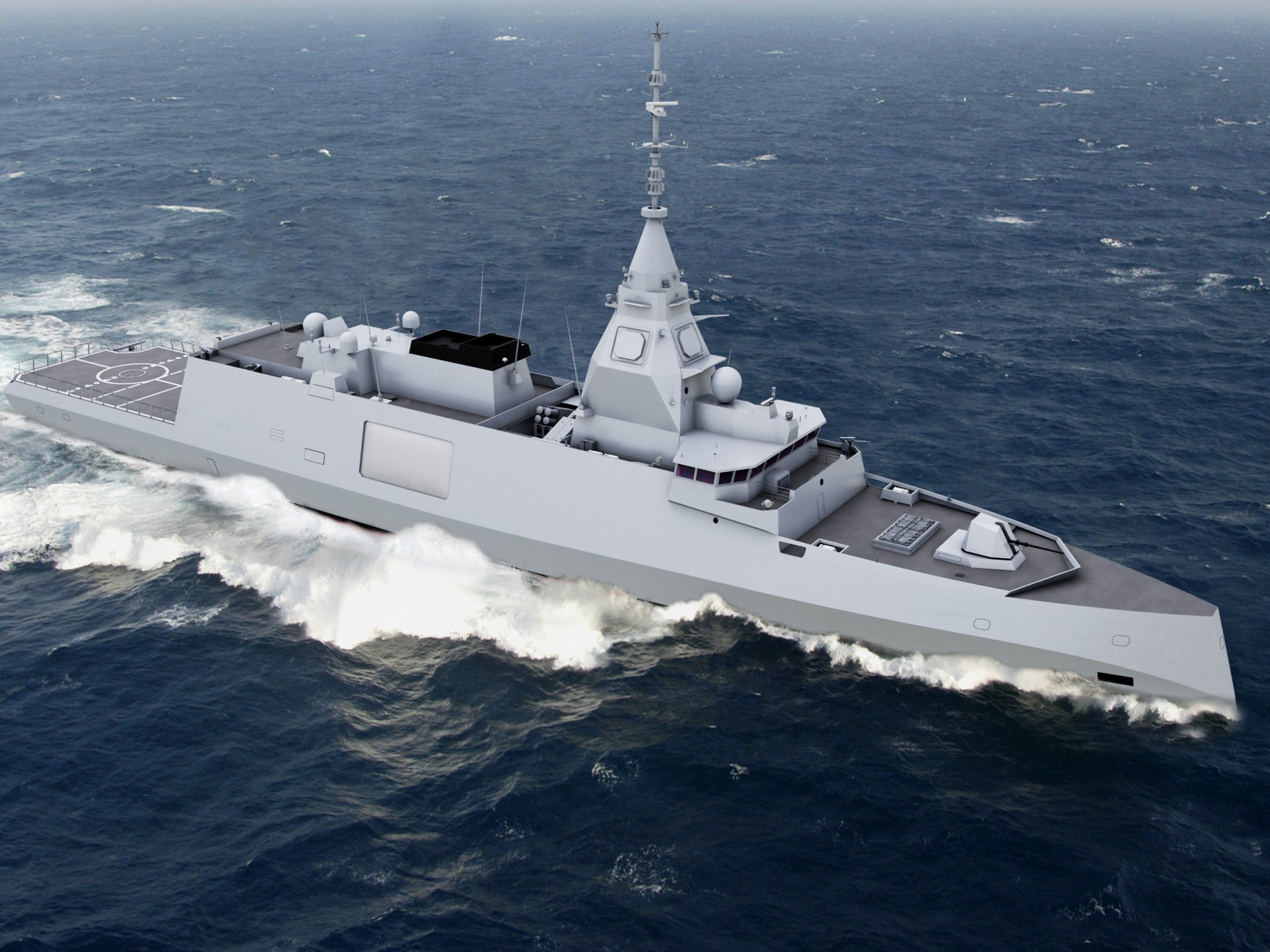
A French frigate, the Languedoc, shot down two drones over the Red Sea that were approaching from the coast of Yemen. The interceptions occurred after Houthi rebels threatened to attack ships heading to Israeli ports unless aid was allowed into Gaza. The Red Sea has seen heightened tensions and maritime attacks by the rebels since the start of the Israeli war on Gaza. The United Nations World Food Programme reports that severe hunger affects 36% of Gaza households. Israel's national security adviser has called for international action to address the situation, while Iran-linked groups in the region have targeted US installations in response to the Israeli bombing.
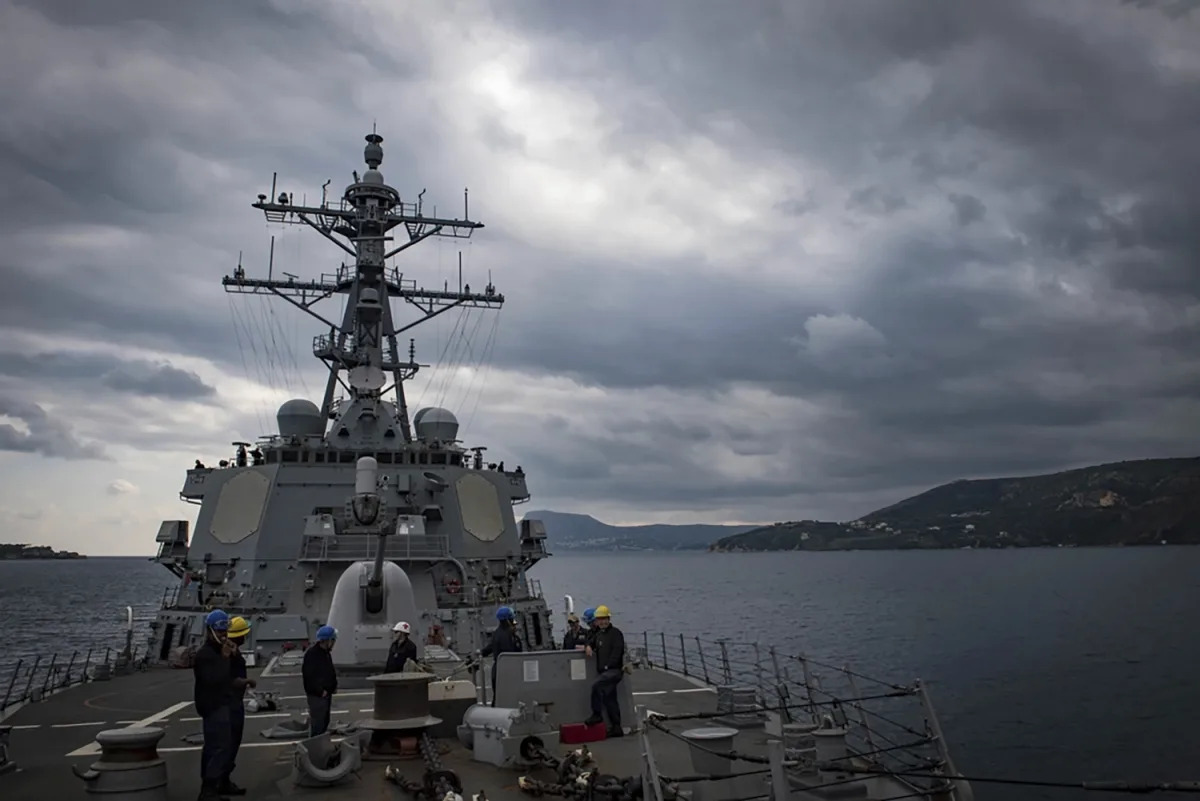
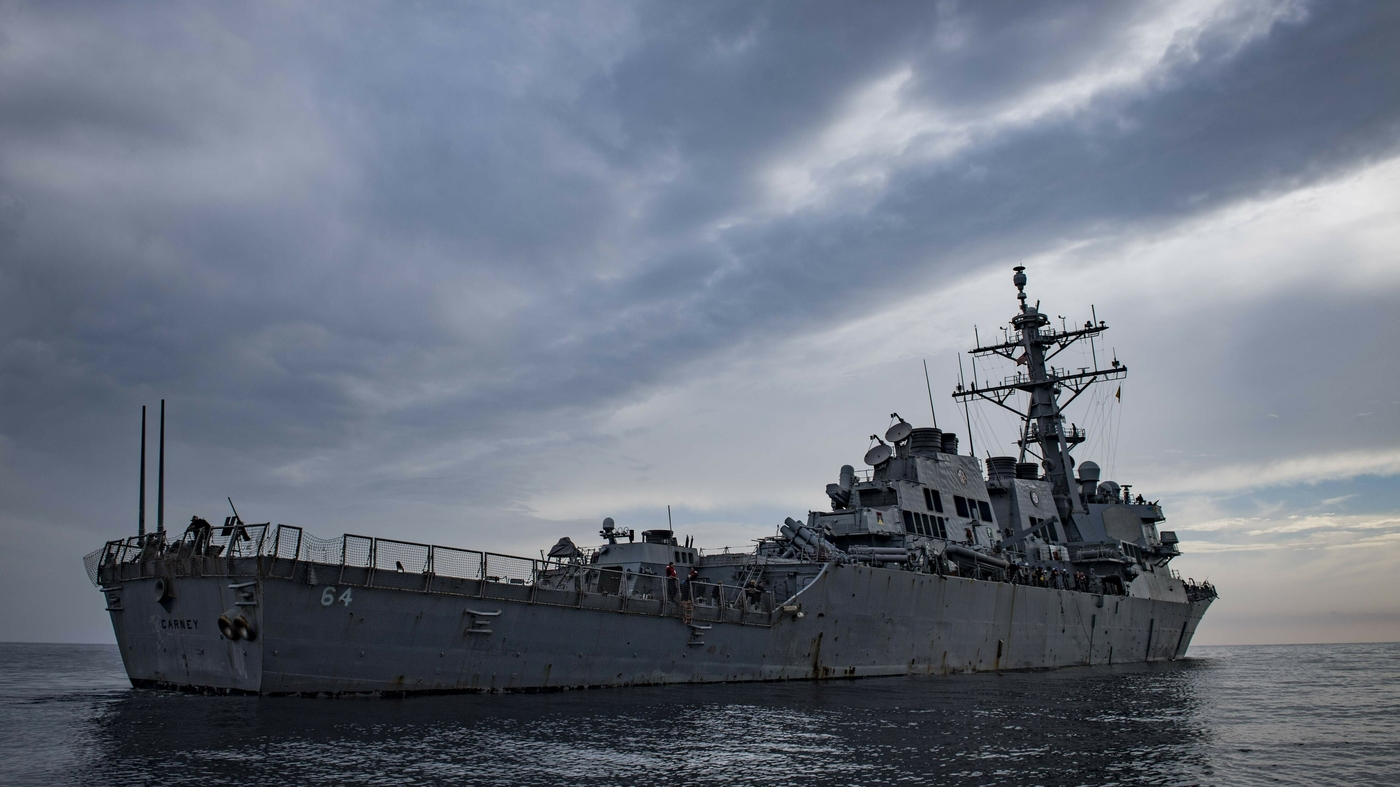
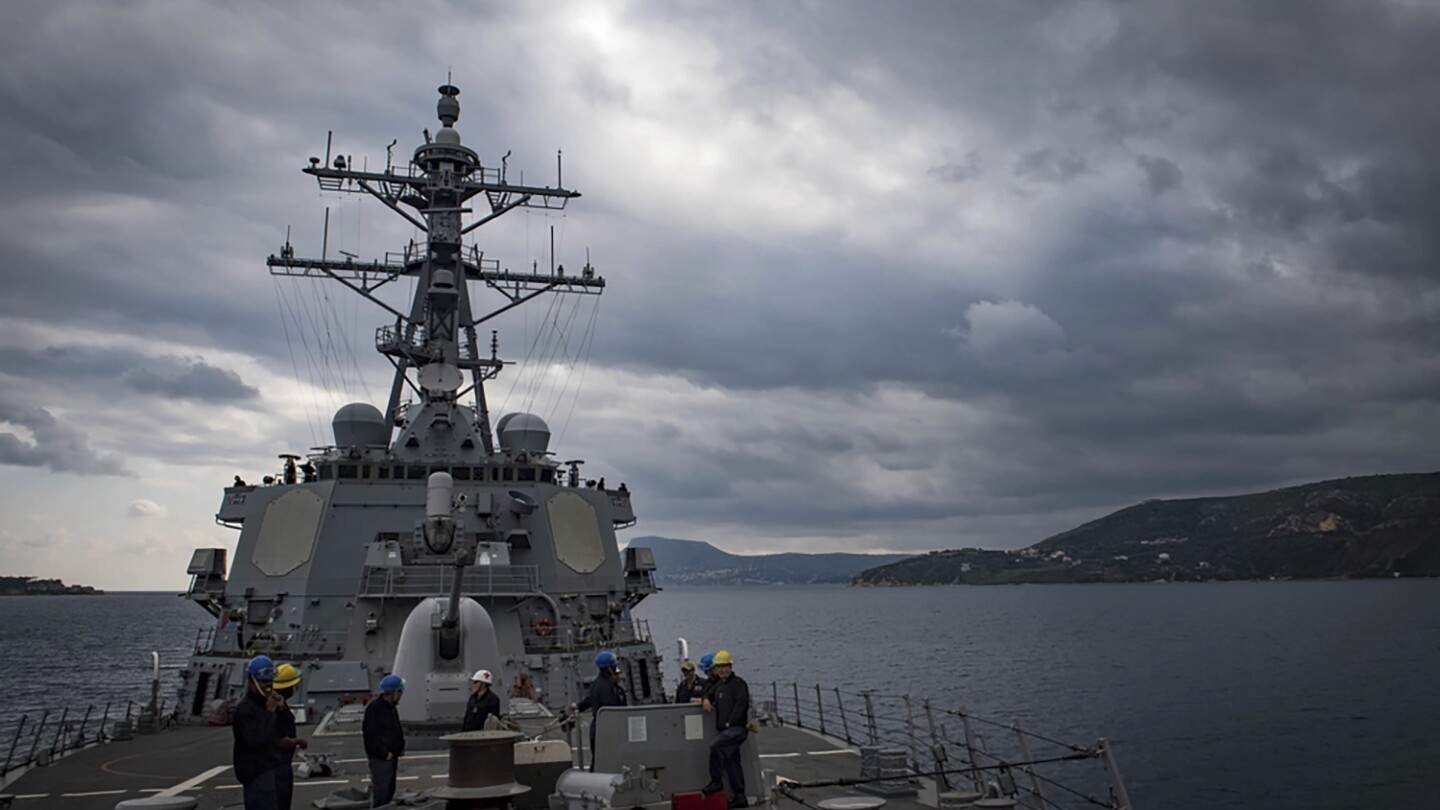
Three commercial ships were hit by ballistic missiles fired by Yemen's Houthi rebels in the Red Sea, while a US warship shot down three drones in self-defense during the attack. The US military condemned the strikes, calling them a direct threat to international commerce and maritime security, and accused Iran of enabling the attacks. This marks an escalation in maritime attacks in the region, linked to the Israel-Hamas conflict. The US has vowed to consider appropriate responses, while tensions remain high over Iran's nuclear program.
An American warship, the USS Carney, and multiple commercial ships have come under attack in the Red Sea, according to the Pentagon. The source of the attack has not been identified, but Yemen's Iran-backed Houthi rebels have been launching a series of attacks on vessels in the Red Sea. This marks a potential escalation in the maritime conflict linked to the ongoing Israel-Hamas war.
An American warship and multiple commercial ships came under attack in the Red Sea, potentially marking a major escalation in a series of maritime attacks in the Middle East linked to the Israel-Hamas war. Yemen's Houthi rebels claimed responsibility for the attacks on two ships they described as being linked to Israel, but did not acknowledge targeting a U.S. Navy vessel. The Pentagon confirmed the attacks and stated that it will provide more information as it becomes available.
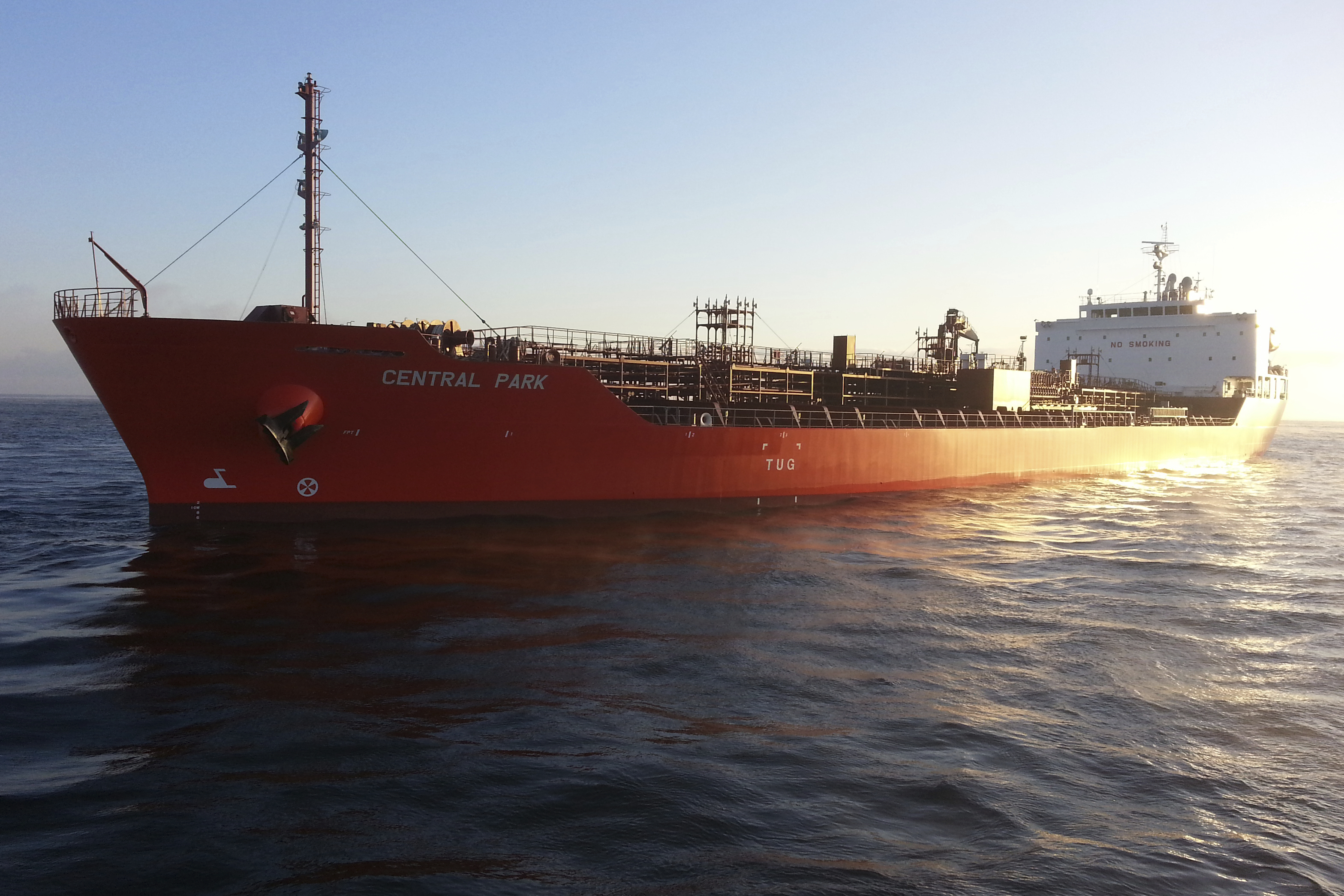
Attackers have seized the Liberian-flagged tanker Central Park, linked to Israel, off the coast of Aden, Yemen. The vessel is managed by Zodiac Maritime, part of Israeli billionaire Eyal Ofer's Zodiac Group. While no group has claimed responsibility, this incident follows two other maritime attacks in recent days that have been linked to the Israel-Hamas conflict. The safety of the multinational crew onboard is the top priority, and U.S. and coalition forces are closely monitoring the situation. The seizure comes amid a wider shadow war between Iran and Israel, with previous attacks targeting Zodiac Maritime. The attacks on shipping vessels highlight the escalating threat to global shipping in the ongoing conflict.