The article outlines common smart TV problems such as internet connectivity issues, display and aspect ratio problems, lagging, color and vertical line issues, audio delays, and no display, providing simple troubleshooting solutions like resetting network settings, adjusting aspect ratio, clearing cache, replugging cables, changing audio formats, and power cycling to resolve these issues.
Microsoft reported that multiple undersea cables cut in the Red Sea caused increased latency and connectivity issues for Azure cloud clients, affecting traffic in the Middle East, Asia, and Europe. The company is monitoring and optimizing routing while repairs are underway, and other regions like India and Pakistan also experienced degraded internet connectivity due to the outages.
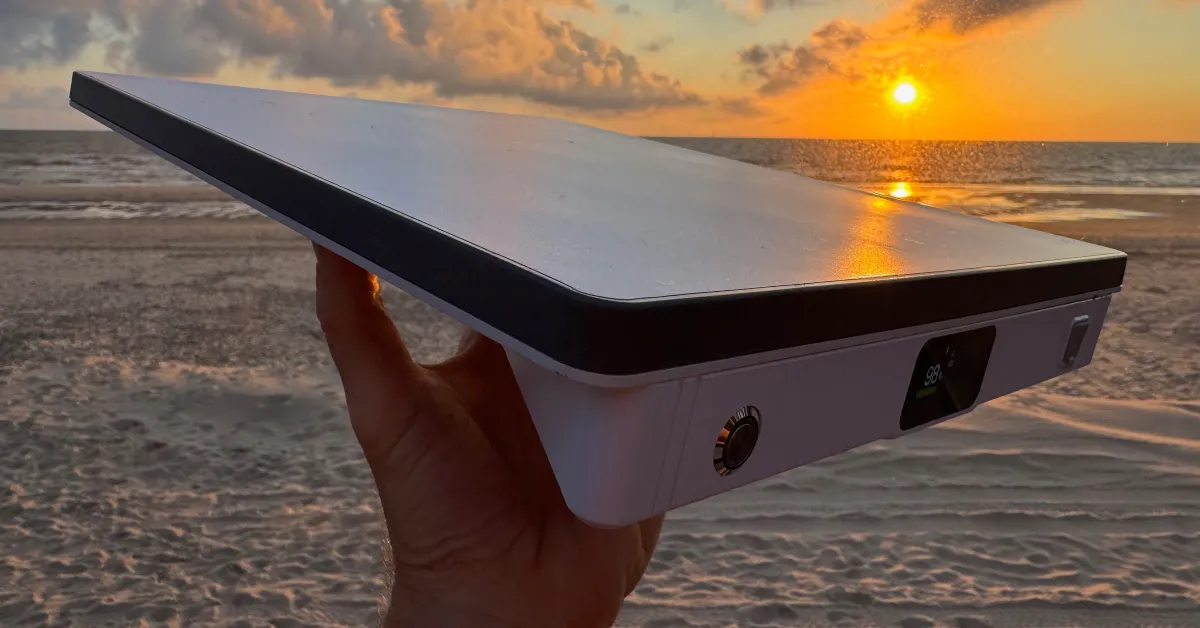
The Starlink Mini satellite dish now features the $119 PeakDo LinkPower 1 power bank, which provides over 4.5 hours of untethered internet and can be recharged via USB-C, making it ideal for remote and mobile use. The setup is portable, easy to use, and enhances the Starlink Mini's utility for digital nomads, though it has some durability and software issues.
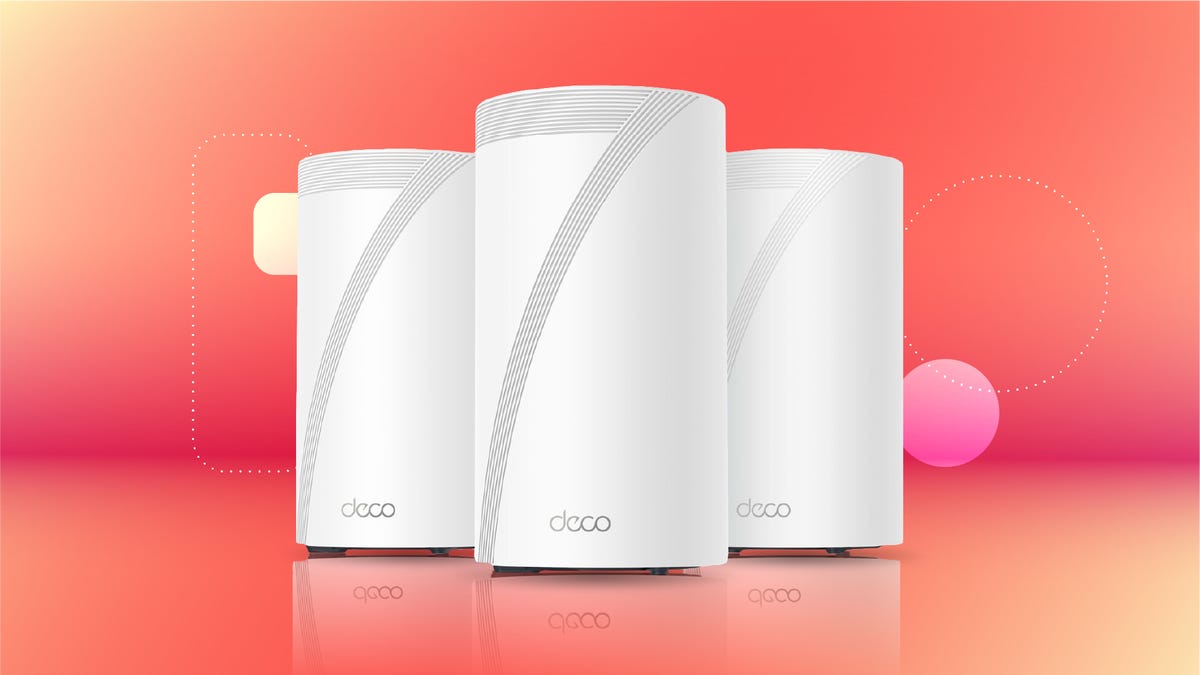
TP-Link's Wi-Fi 7 mesh systems, including the Deco BE85 range, are currently on sale on Amazon, offering significant discounts on multi-device setups that promise reliable and fast internet connectivity with tri-band technology and speeds of up to 11,520Mbps. These systems support over 200 devices and can cover large homes, making them suitable for smart homes. The easy setup and management via smartphone add to their appeal, but for those with different needs, there are alternative Wi-Fi router deals available.
Multiple subsea cable breaks in South Africa have disrupted internet connectivity for various service providers, including Vodacom and Microsoft Azure. The cable outages have impacted both the West and East coasts of Africa, affecting cloud services and public internet access. The cause of the cable breaks has not been disclosed, and repair efforts are pending permits in the Red Sea.
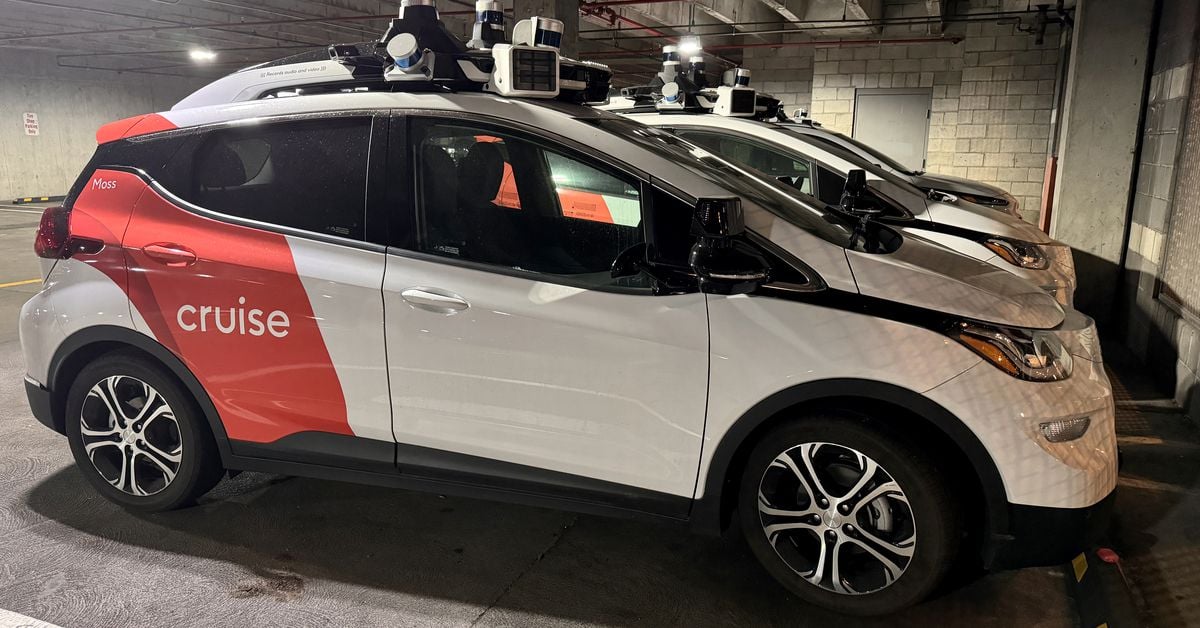
Cruise, the self-driving car subsidiary of General Motors, faced internet connectivity issues while trying to send a video of an incident in which one of its driverless cars dragged a pedestrian to regulators. A law firm's report concluded that Cruise failed to disclose all details to regulators and government officials, contributing to a culture of antagonism toward regulators. The incident led to the suspension of Cruise's license to operate in California, the resignation of several executives, and a pause in its driverless operations nationwide.
John Deere has partnered with SpaceX's Starlink business to utilize satellite connectivity in order to enhance its digital farming initiatives, enabling the automation of planting and harvesting in remote areas with limited internet access. This collaboration aims to link various agricultural equipment, such as tractors and seed planters, to Deere's digital products, furthering the integration of technology in the agriculture industry.
SpaceX is furious after the Federal Communications Commission (FCC) rejected its appeal to reinstate an $886 million grant for its Starlink satellite broadband service, aimed at providing high-speed internet to rural areas. The FCC's decision, which aligns with partisan lines, cited capacity constraints and inability to meet service requirements. SpaceX argues that the decision undermines the goal of connecting unserved and underserved Americans. The US has struggled to provide broadband access to rural areas, with local internet providers failing to address the issue effectively. The situation is unlikely to change without incentivizing these providers or alternative solutions.
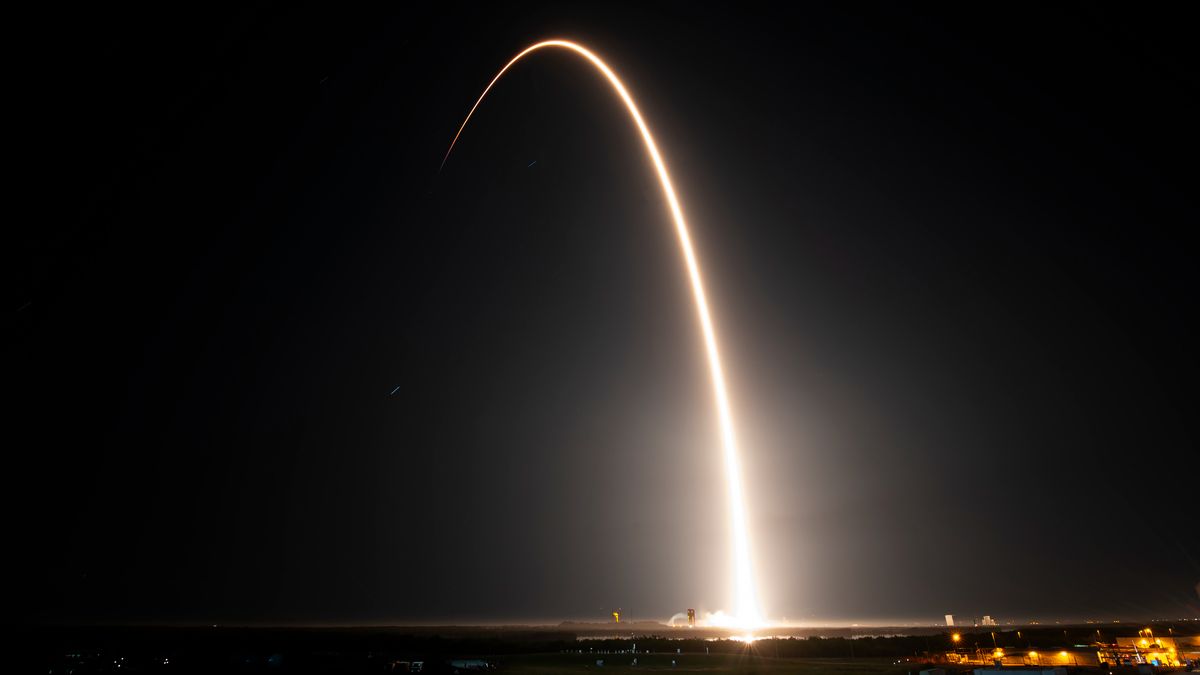
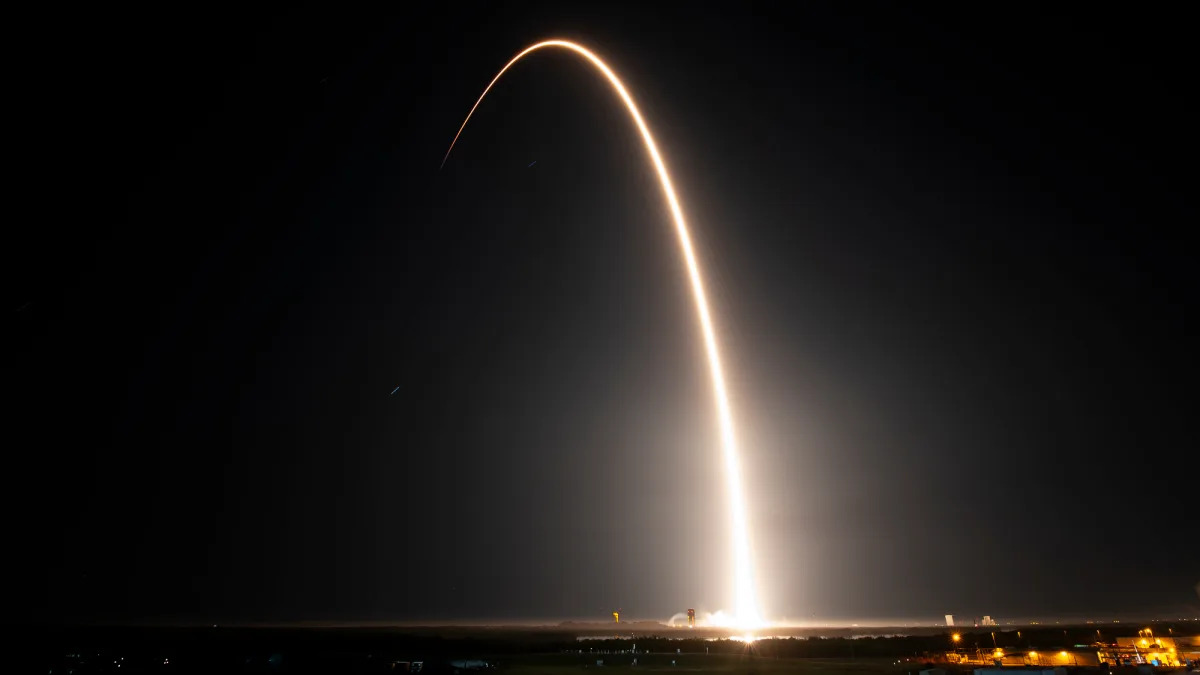
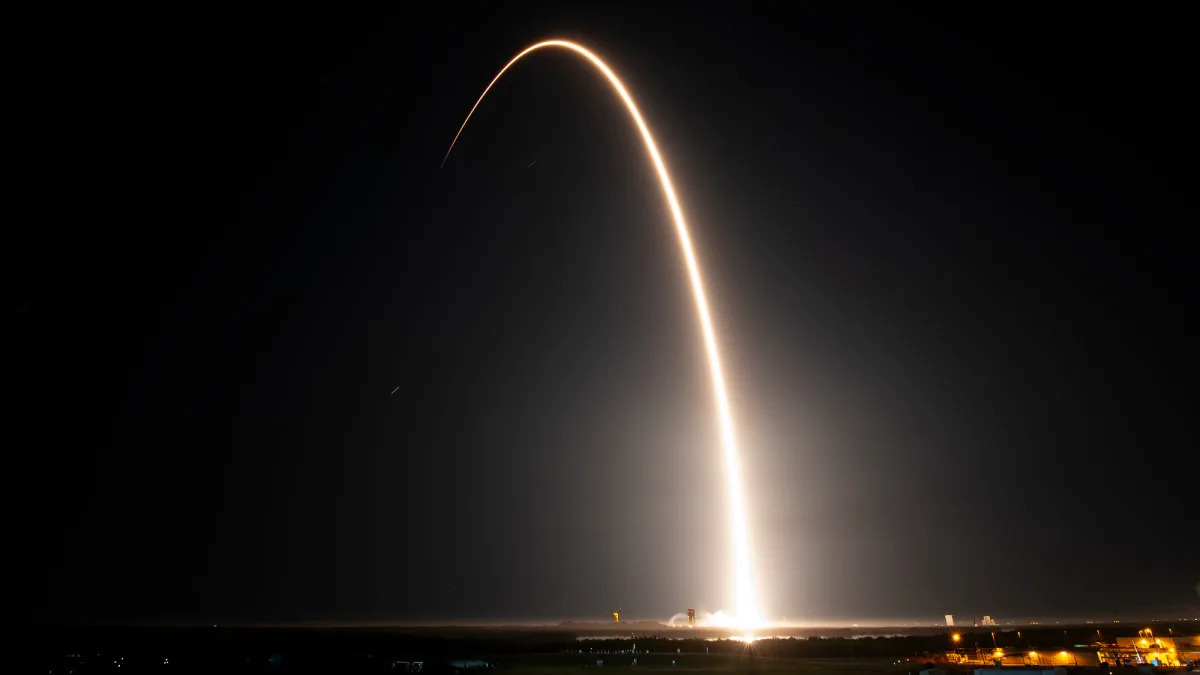
SpaceX is set to launch another batch of Starlink internet satellites, including the first six with "Direct to Cell" capabilities, which will enable mobile network operators to provide seamless global access to texting, calling, and browsing. The launch is scheduled for early Friday morning from California's Vandenberg Space Force Base. If successful, the Falcon 9 rocket's first stage will return for a vertical landing on a droneship in the Pacific Ocean. SpaceX has already launched over 90 missions in 2023, with a focus on expanding its broadband megaconstellation, Starlink.
SpaceX is set to launch another batch of Starlink internet satellites, including the first six with "Direct to Cell" capabilities, which will enable mobile network operators to provide global access to texting, calling, and browsing. The launch is scheduled for early December 16 from California's Vandenberg Space Force Base. The Falcon 9 rocket's first stage will attempt a vertical landing on a droneship in the Pacific Ocean. With over 5,100 active satellites, SpaceX's Starlink network continues to expand.
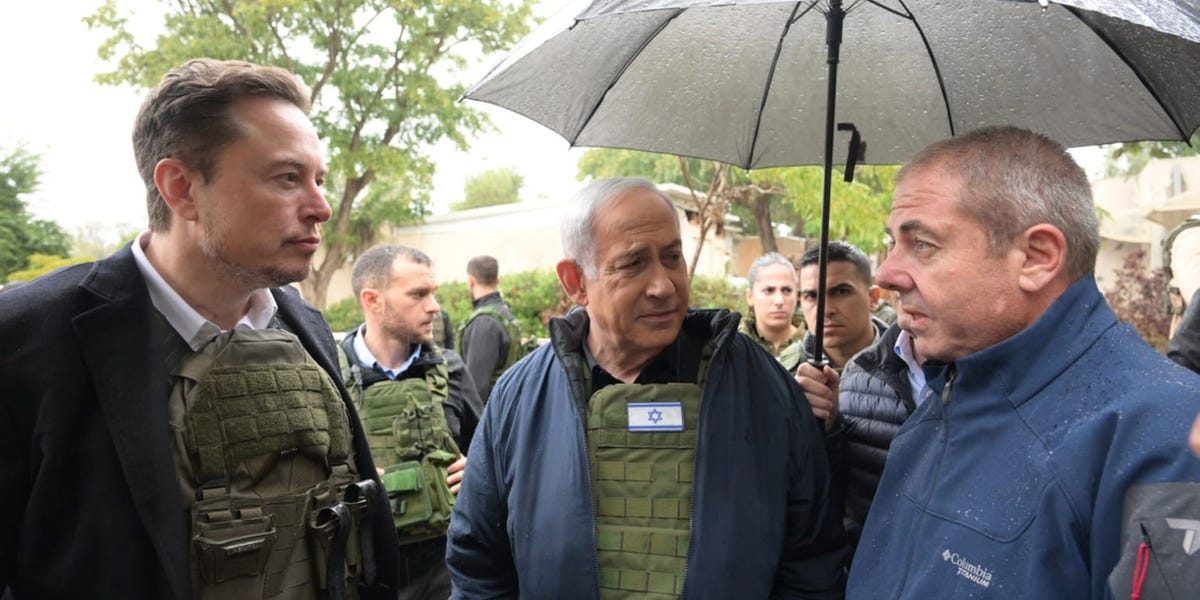
Israeli officials have announced that Starlink, Elon Musk's satellite internet service, can operate over Gaza, but only with the approval of Israel. The deal, which has not been confirmed by Musk or Starlink, follows his offer to provide internet connectivity to internationally recognized aid organizations in Gaza after Israel cut off communications during the recent conflict with Hamas. The announcement comes after Musk faced criticism for his offer and accusations of antisemitism. It remains unclear when Starlink services may become available in the region.
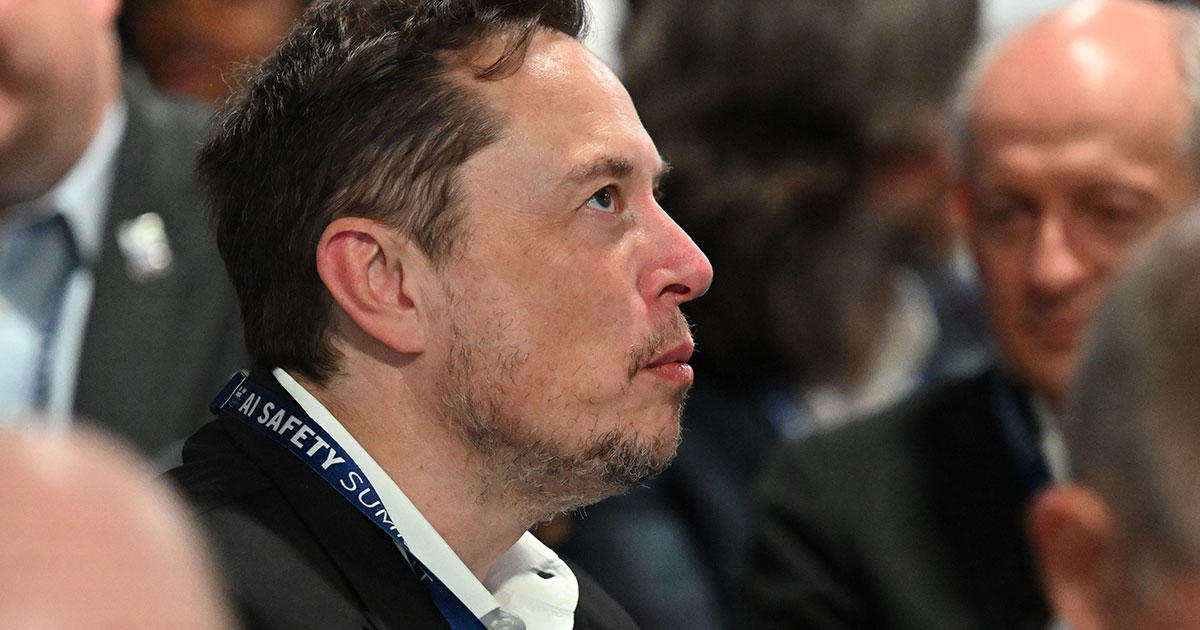
Elon Musk announced on Twitter that SpaceX's satellite internet constellation, Starlink, will provide connectivity to internationally recognized aid organizations in Gaza. This comes after reports of internet connectivity collapse in the Hamas-controlled enclave. Musk's statement was in response to US Congresswoman Alexandria Ocasio-Cortez's criticism of cutting off communication to the population. Earlier, Musk also hinted at his belief that Iran is a victim of American aggression. Previously asked about operating Starlink in Gaza, Musk stated that if requests from the area arrive, the company would allow connections to aid organizations.
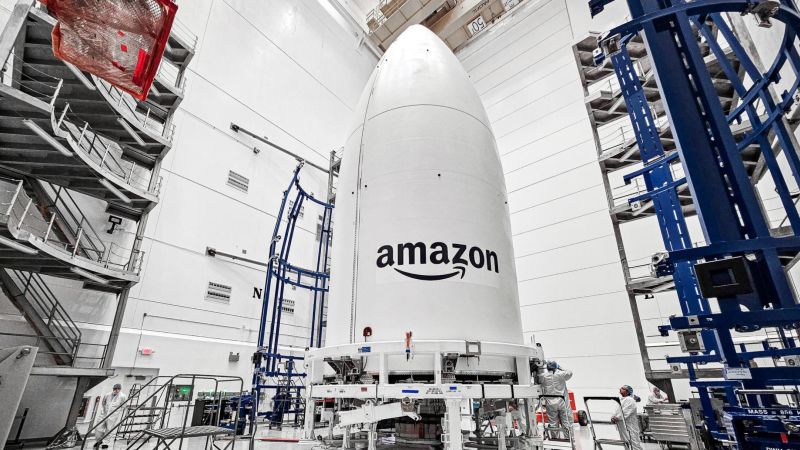
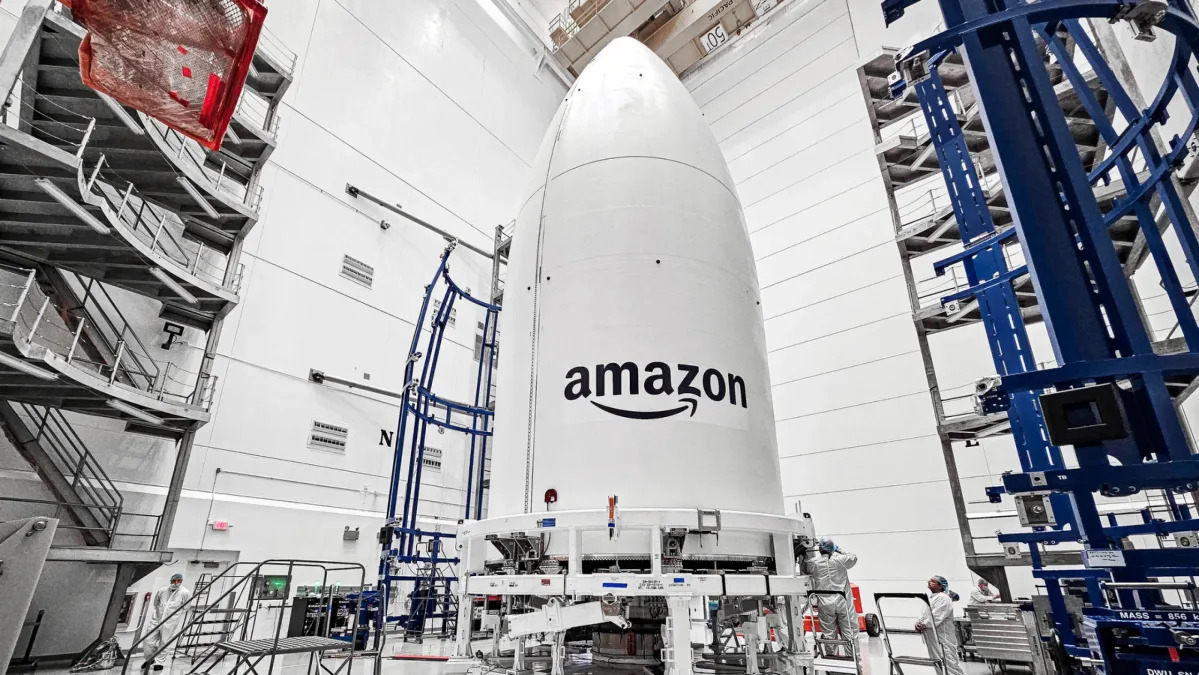
Amazon has launched its first two prototype satellites for Project Kuiper, a network aimed at providing global internet connectivity. The move puts Amazon in direct competition with SpaceX and its Starlink system. If successful, Amazon plans to deploy over 3,200 satellites to create a megaconstellation that will beam internet connectivity to the ground. The mission aims to address the lack of basic internet access for nearly 3 billion people worldwide. However, the proliferation of satellite megaconstellations raises concerns about space debris and interference with astronomical observations. Amazon has pledged to address these concerns and plans to launch its first production satellites in early 2023.
Amazon is set to launch its first two Kuiper satellites, KuiperSat-1 and KuiperSat-2, on October 6 as part of its Protoflight mission. The satellites are part of Amazon's Project Kuiper, which aims to provide internet connectivity to remote areas using a constellation of 3,200 satellites. The launch will allow Amazon to gather real-world data and test the satellites' connection to the ground-based network and customer terminals. The company plans to deploy its first production satellites in 2024 and start beta testing with commercial consumers later that year.