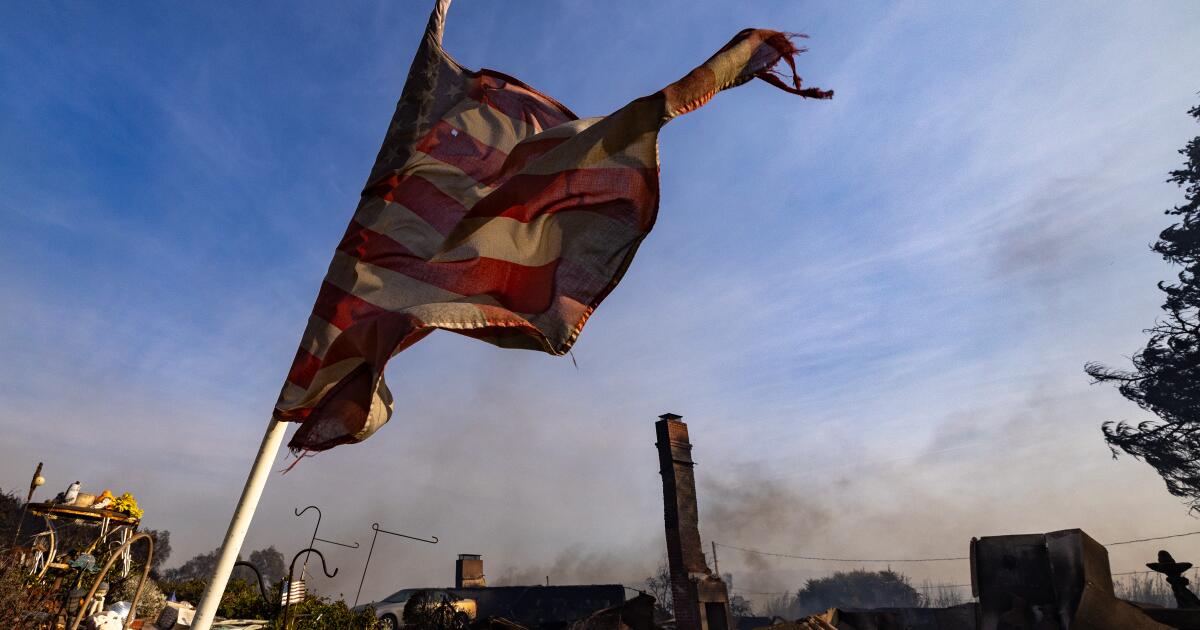
Red flag warnings are set to take effect across Southern California from Los Angeles to San Diego due to strong Santa Ana winds, which could reach up to 80 mph. The National Weather Service warns of increased wildfire risk in areas like the San Gabriel and Santa Monica mountains, San Fernando Valley, and Ventura County. Residents near wildland interfaces are advised to prepare for potential evacuations. The warnings will remain in effect until early Wednesday, with conditions typical for this time of year.
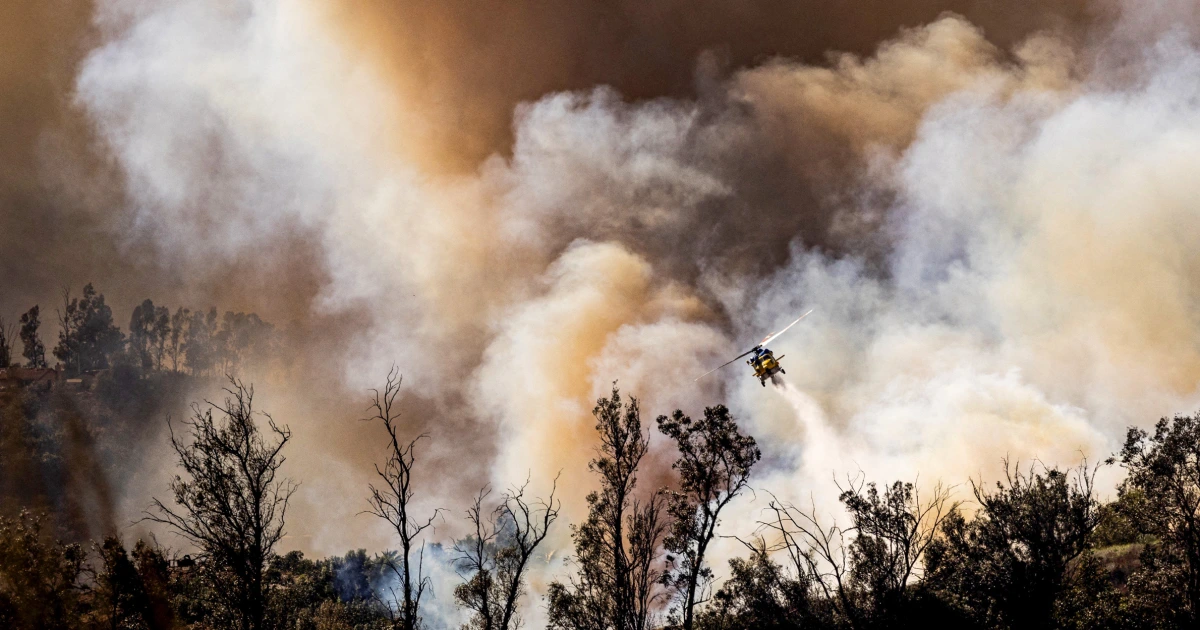
Red flag warnings have been issued across the Northeast U.S. due to dry and windy conditions, exacerbating wildfire risks in New York, New Jersey, and Connecticut. The Jennings Creek Wildfire in New Jersey has burned 3,500 acres and is 20% contained, while Massachusetts is dealing with multiple brush fires. The region is experiencing severe drought, heightening fire dangers. Meanwhile, California's Mountain Fire has burned over 20,000 acres, with significant damage and injuries reported.
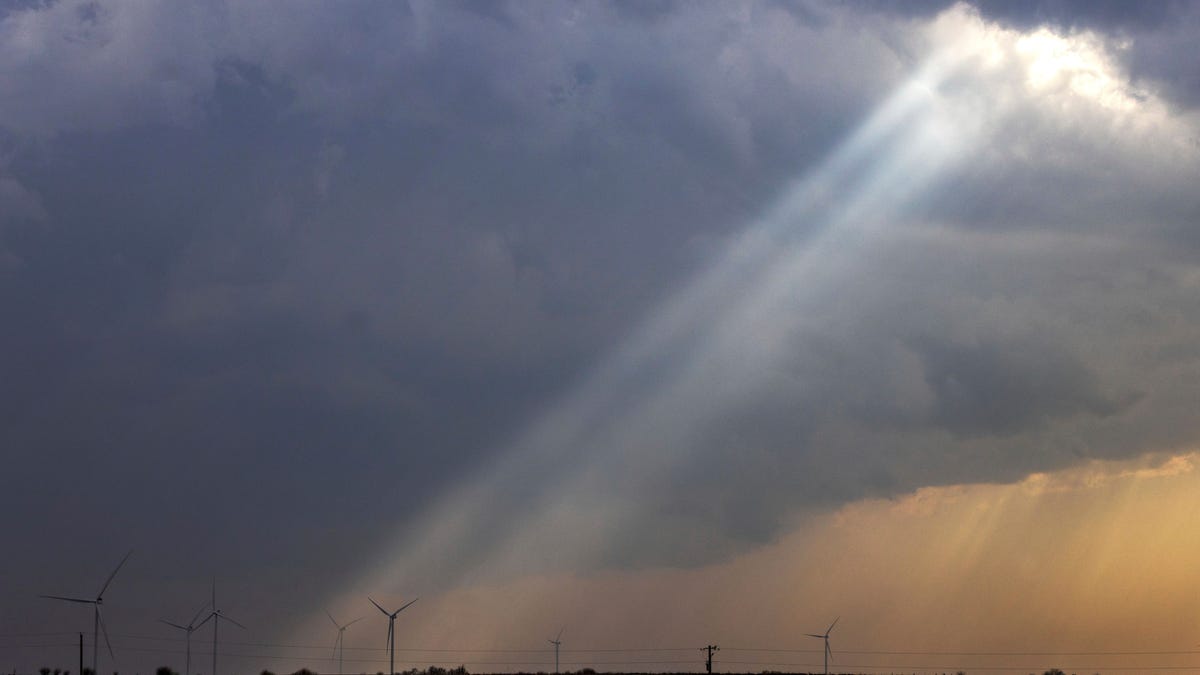
Hurricane-force winds and dry conditions are creating critical fire danger across the Central United States, leading to power outages, tree damage, travel disruptions, and blowing dust. Over 10 million people are under red flag warnings, with firefighters battling wildfires in Oklahoma amid winds as strong as 60 mph. The National Weather Service warns of an extreme fire weather threat driven by gusty, dry air and ongoing drought, while emergency responses have been activated in Kansas, Texas, and Oklahoma to address the wildfire risk.
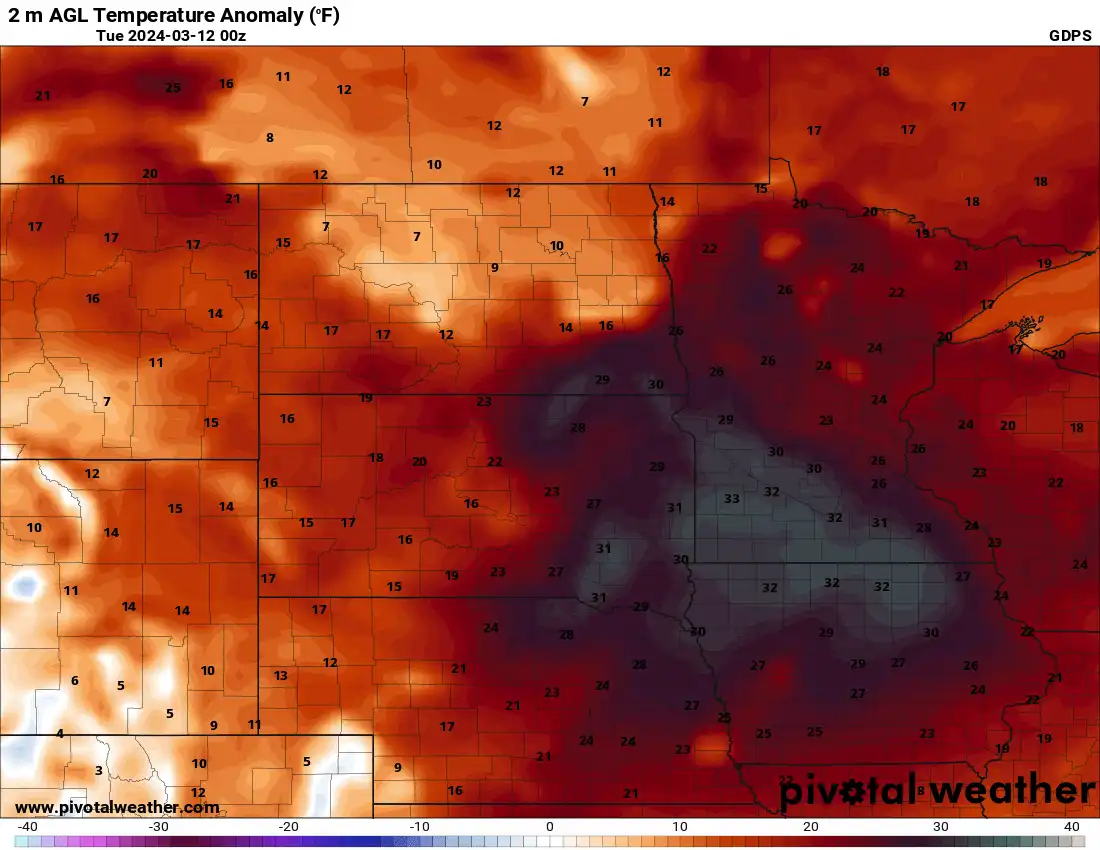
Record-breaking warmth is expected on Monday with temperatures soaring 25 to 35 degrees above normal in Minnesota, leading to red flag warnings and an elevated fire risk in the southwest due to dry conditions and strong winds. Late-week moisture is possible with rain showers likely on Wednesday night and potential rain and snow showers on Friday into the weekend as temperatures gradually cool off to normal or below-normal readings.
The Lookout Fire in Lane County, Oregon, is rapidly growing due to dry and windy conditions. Evacuation notices have been issued, and Governor Tina Kotek has declared the Emergency Conflagration Act to mobilize additional firefighters and equipment. The fire, currently at 195 acres, exceeds the capabilities of local firefighters, prompting a coordinated response from the state fire marshal's office.
Over 4 million people in Texas are at risk of severe weather, including hail and tornadoes. The Upper Midwest and northern Plains are experiencing historic river flooding, with flood warnings in several states along the Mississippi River. Colorado is under a winter storm warning, with heavy snowfall expected in some areas. Red flag warnings are in effect in the Southwest due to high fire danger caused by low humidity and gusty winds.
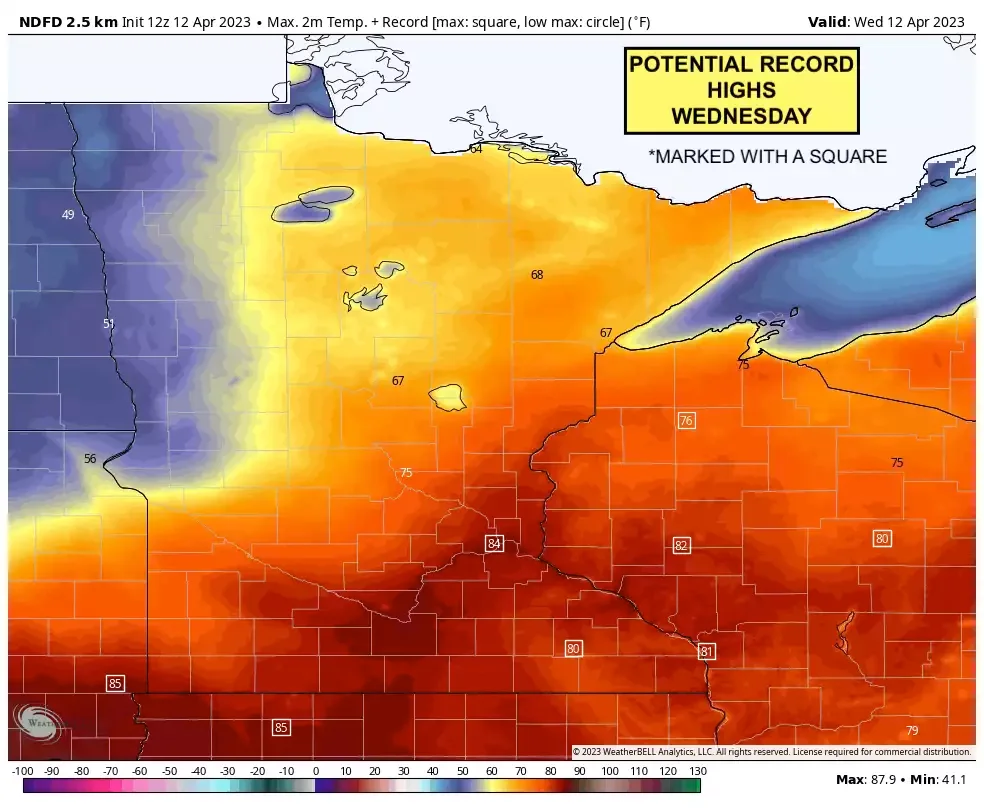
Record warmth and gusty winds on Wednesday will create potentially critical fire conditions in southern Minnesota, while showers will develop on Thursday in the northwest and spread east by Friday night. The early April heat wave prompts the question of whether this is climate change, but the answer is complicated. While most months are rapidly warming, February and April are affected by a potential increase in polar vortex disruptions that may be an unintended consequence of human-caused climate change.