After an unusually mild October, models suggest a shift towards a wintry pattern in mid-November, with the potential for snow and rain in the central U.S. due to disrupted jet stream patterns and cold air systems from Siberia.
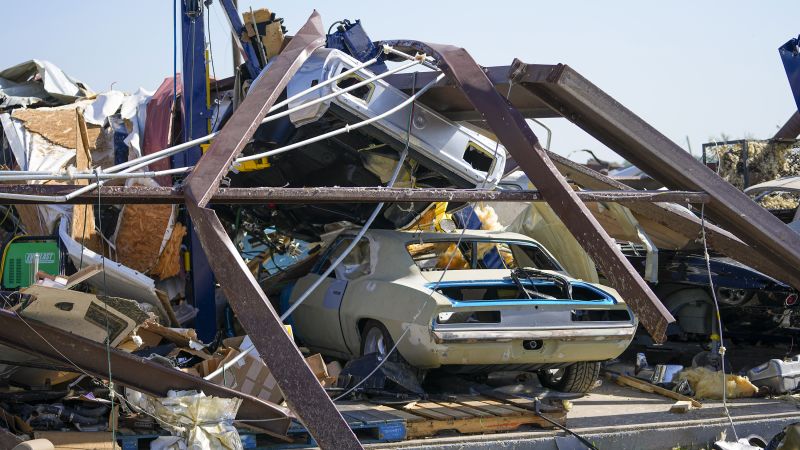
At least 19 people have died and over 100 have been injured as tornadoes and severe storms ravaged central U.S. states, including Arkansas, Texas, and Kentucky. The storms caused extensive damage, destroying homes and infrastructure, and prompted multiple states to declare emergencies. The National Weather Service confirmed several tornadoes, and severe weather is expected to continue affecting the Midwest and East Coast.
At least 18 people have died across four states due to severe tornadoes and storms in the central US, with the Storm Prediction Center warning of more violent weather. The hazardous conditions led to the cancellation of Jack Harlow's inaugural Gazebo Festival in Kentucky, with refunds being issued to ticket holders.
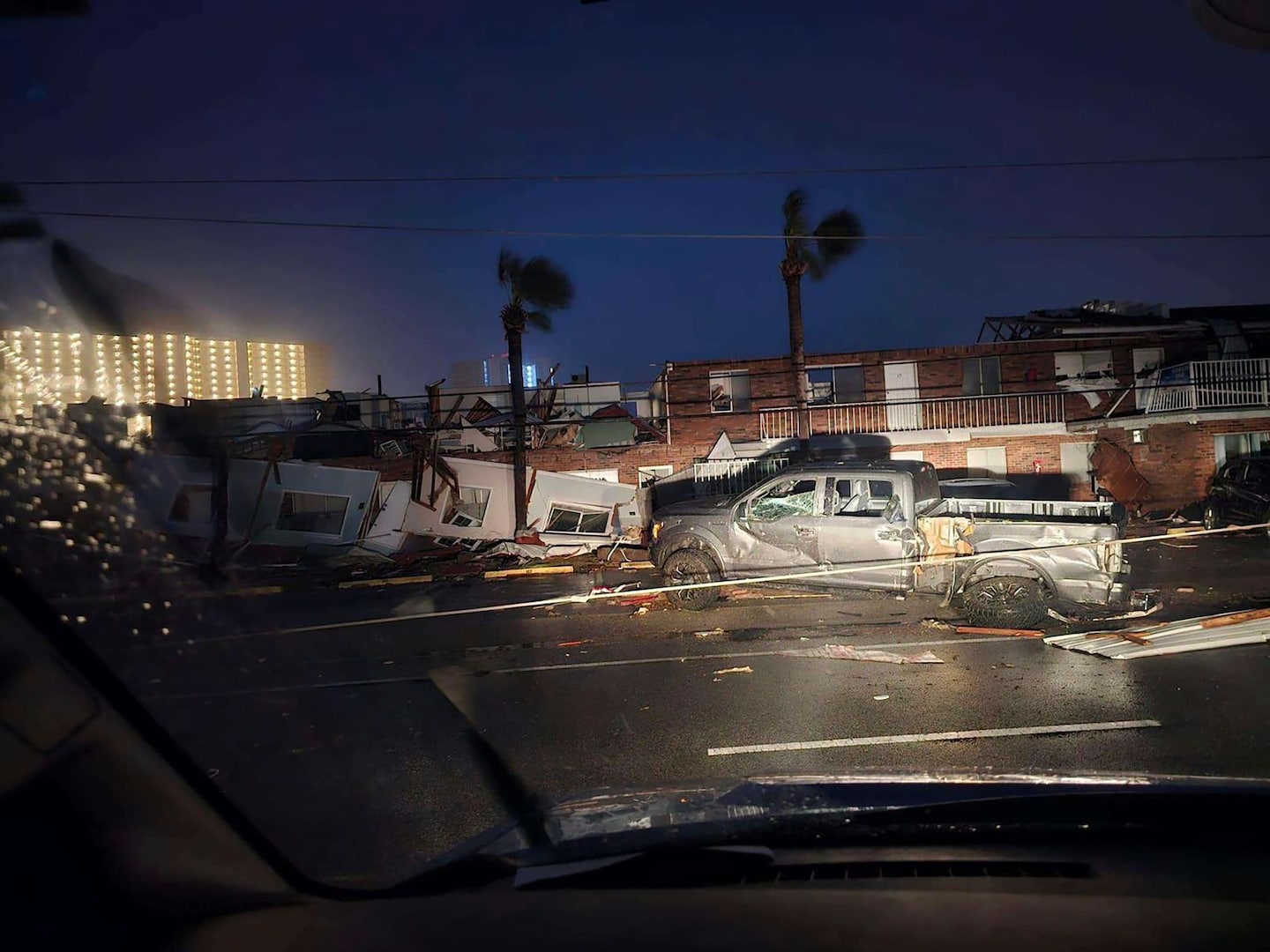
At least 18 people, including four children, have died across four states due to tornadoes and severe storms that struck the central US over Memorial Day weekend. Millions remain under threat from large hail, damaging winds, and more tornadoes, with significant damage reported in Texas, Arkansas, Kentucky, and Oklahoma. President Biden has been briefed, and several states have declared emergencies. The storms are expected to continue moving east, bringing further severe weather and potential disruptions.
A large storm system is expected to bring severe thunderstorms and possible tornadoes to the central U.S. from Monday night through Wednesday, with Kansas and Nebraska facing the highest risk on Monday evening. The storm could then move into the Mississippi Valley, Great Lakes, and Ohio Valley areas, posing a threat of significant hail and tornado potential. Tornado scientist Harold Brooks noted that late April to mid-May is when the strongest tornadoes typically occur, and there is uncertainty in predicting tornado seasons. Some scientists believe that tornadoes in the U.S. have been shifting towards states along the Mississippi River and farther east, possibly due to climate change causing drier conditions in the western Great Plains.
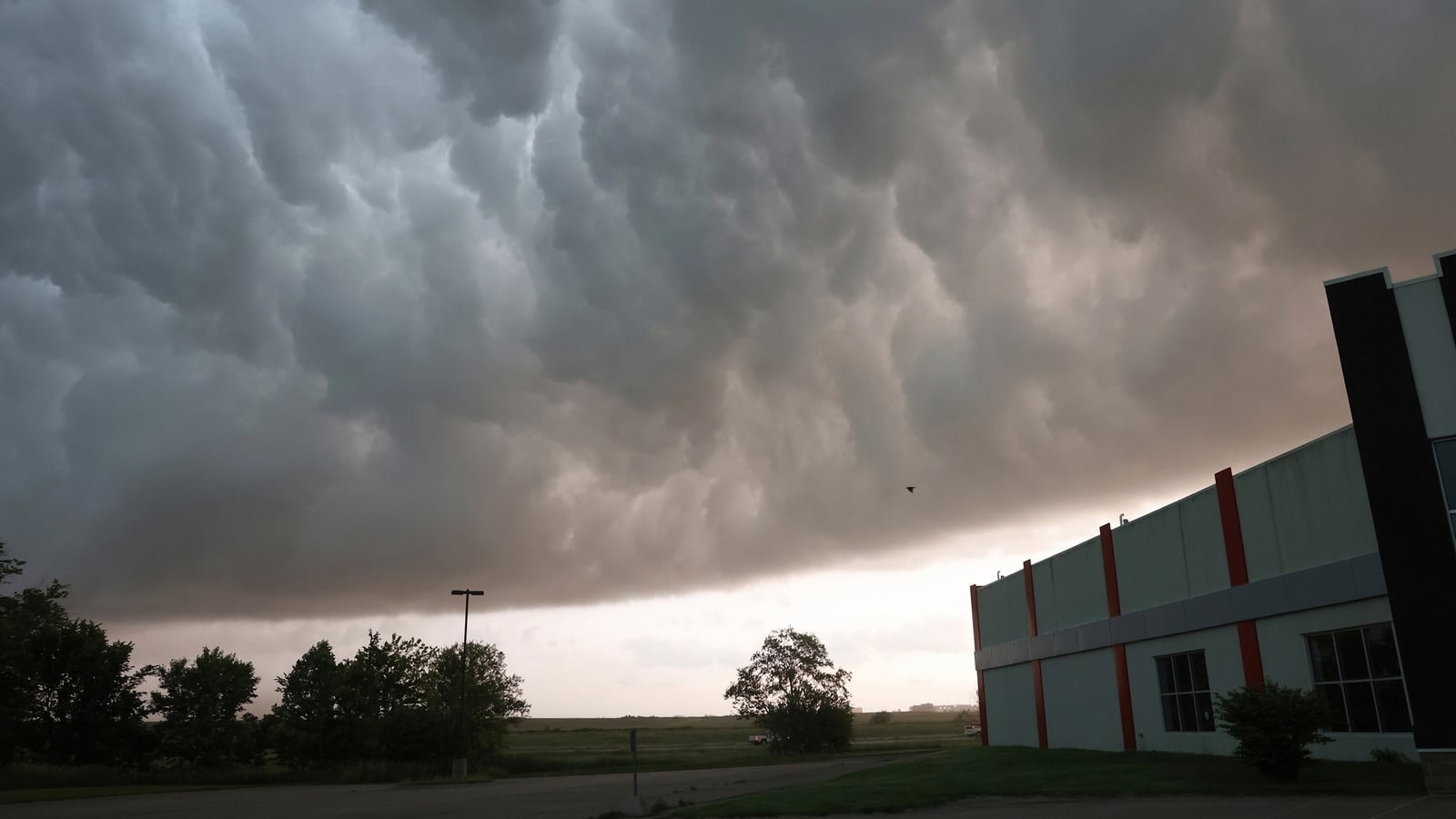
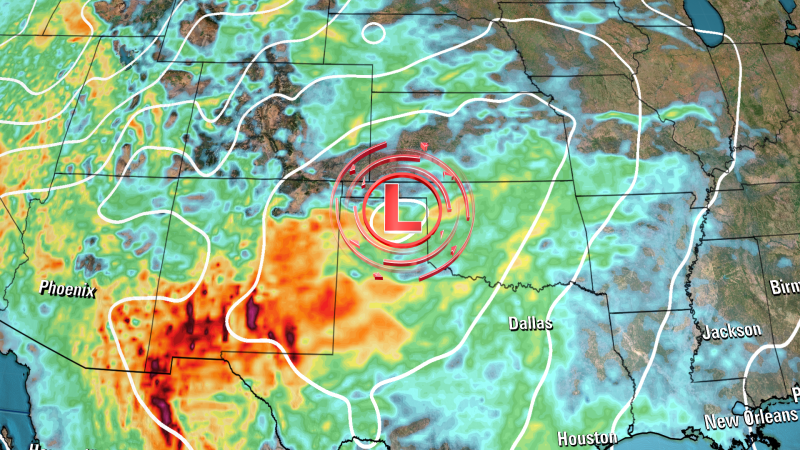
A significant severe weather threat is expected to impact the central US early next week, with millions at risk of destructive wind gusts, hail, and tornadoes. The severe thunderstorm threat is forecast to develop from Texas to Iowa on Monday, with a Level 3 of 5 risk in place. The greatest threat for tornadoes may center around Oklahoma, and storms are expected to expand in scope and strength into Monday night, reaching parts of Nebraska, Iowa, Missouri, and Arkansas. The severe setup may also produce heavy rainfall and gusty winds, with potential flooding issues and an increased risk of wildfire spread in certain areas.
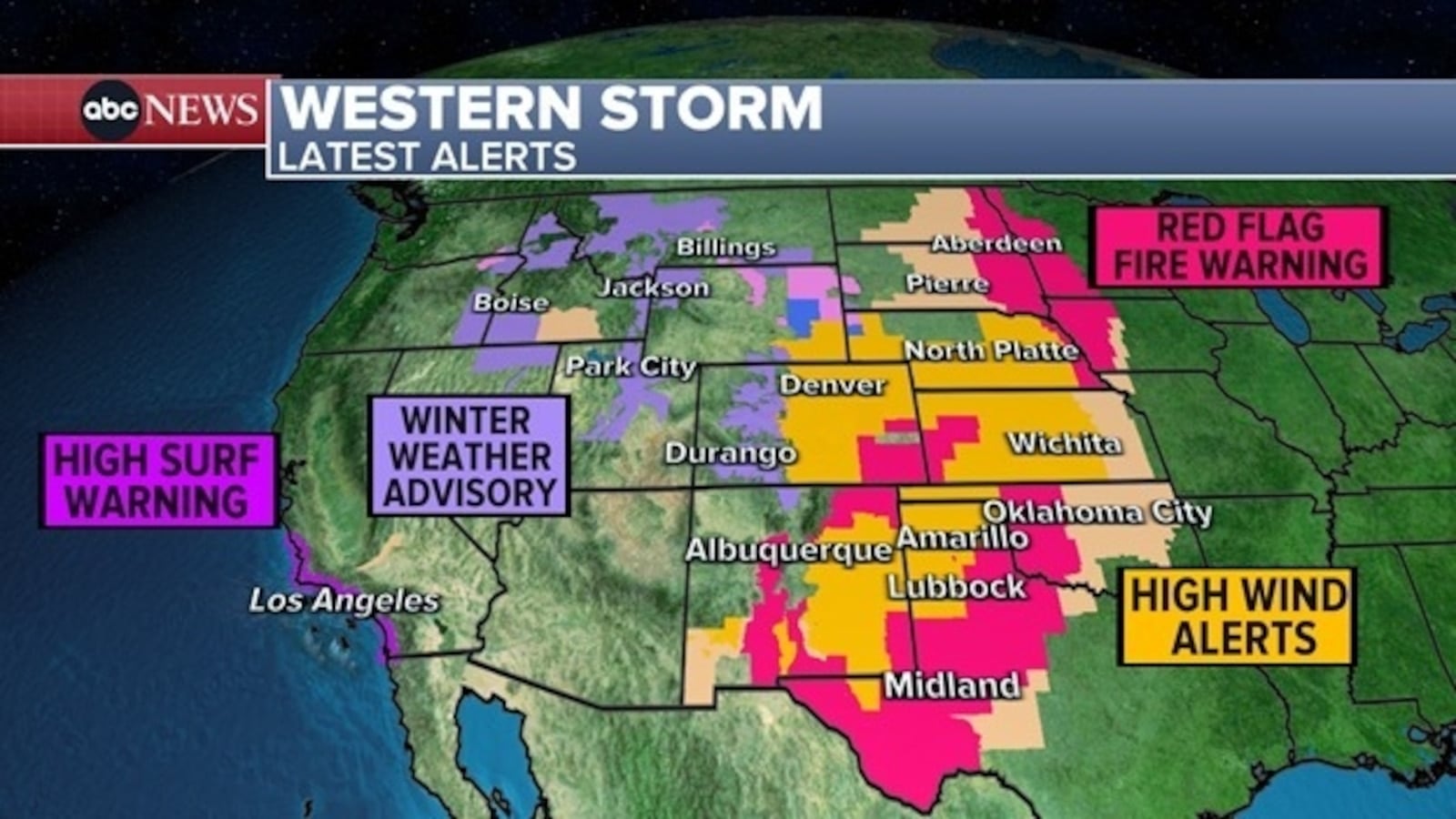
Hurricane-force winds and dry conditions are creating critical fire danger across the Central United States, leading to power outages, tree damage, travel disruptions, and blowing dust. Over 10 million people are under red flag warnings, with firefighters battling wildfires in Oklahoma amid winds as strong as 60 mph. The National Weather Service warns of an extreme fire weather threat driven by gusty, dry air and ongoing drought, while emergency responses have been activated in Kansas, Texas, and Oklahoma to address the wildfire risk.
A large storm system is set to bring high winds, fire threats, and severe weather to the central United States this weekend, affecting nearly 30 million people across 12 states. Wind alerts are in effect from North Dakota to Texas, with gusts expected to exceed 40 mph and reach up to 80 mph in some areas. Over 3 million people in five states are facing critical fire weather conditions, prompting power shutdowns and event cancellations in Colorado. Severe thunderstorms, including damaging winds, large hail, and tornadoes, are forecast for the Heartland on Saturday, with the potential for severe weather in Texas, Oklahoma, Arkansas, and Louisiana on Monday.
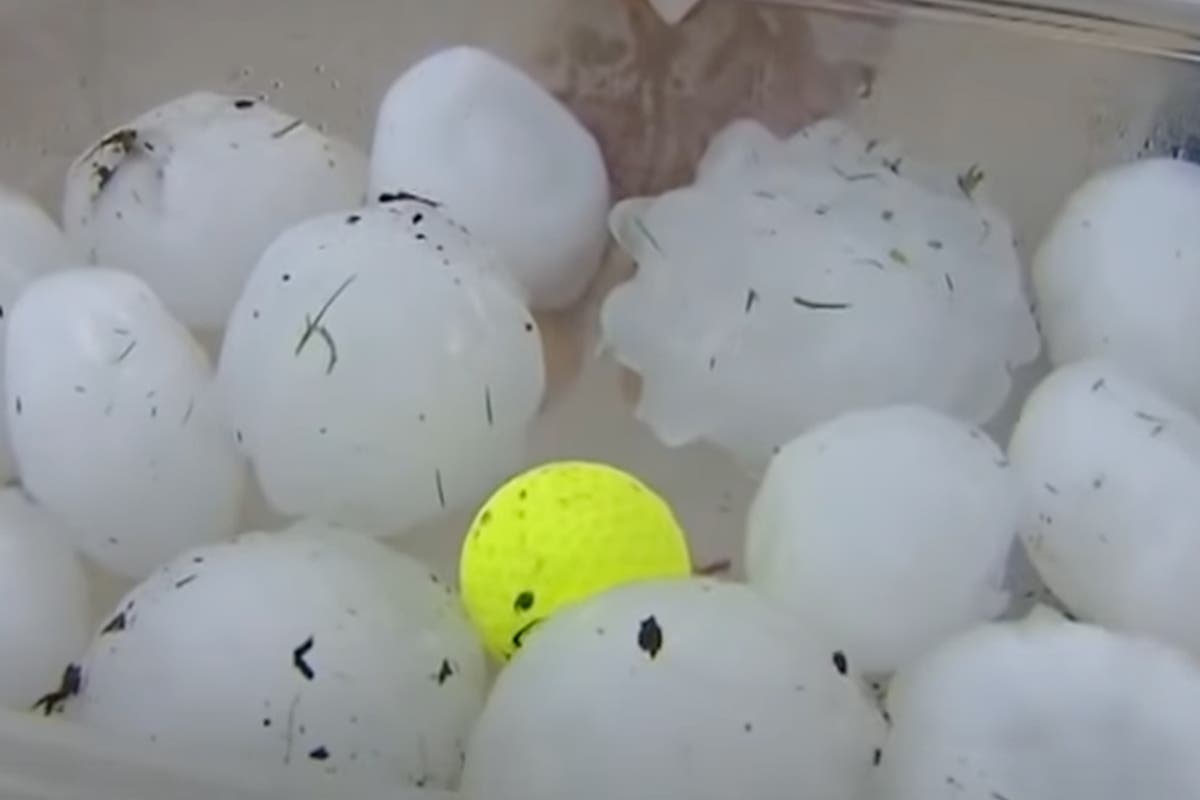
A powerful storm system brought tornadoes, heavy rainfall, and tennis ball-sized hail to the central United States, with more than 8 million Americans under warnings for severe weather. Damage to houses, trees, and power lines has been reported from Texas to Kentucky, with residents sharing videos of cracked windshields and hail the size of a person's palm. The severe storms are expected to continue, with more than 50 million Americans facing the threat of severe weather this week, including risks of tornadoes, flooding, and snowstorms sweeping across the central and eastern US.
A widespread multiday severe weather threat is expected to impact tens of millions of Americans in the central and eastern US between Monday and Tuesday, with potential for large hail, wind damage, and tornadoes. The storm system, originating in the central Plains, is set to track eastward, affecting areas from Texas to the Ohio Valley on Monday and then stretching into the mid-Atlantic and Gulf Coast states on Tuesday. Nighttime tornadoes are particularly dangerous, and additional severe thunderstorms could occur on Wednesday as the system moves toward the East Coast.
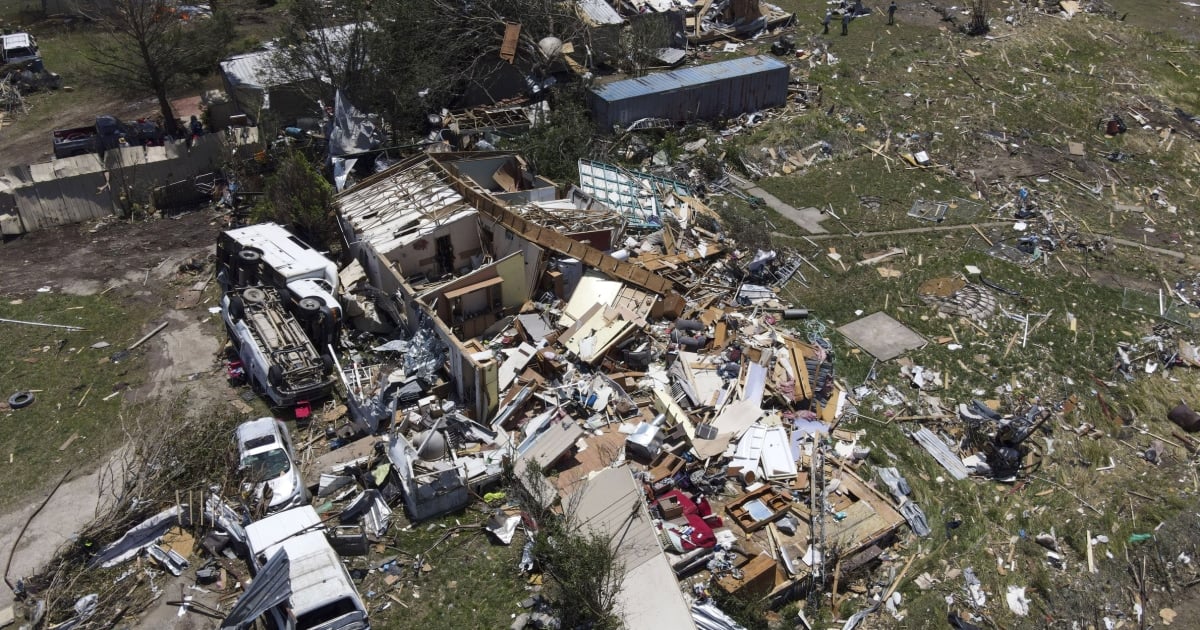
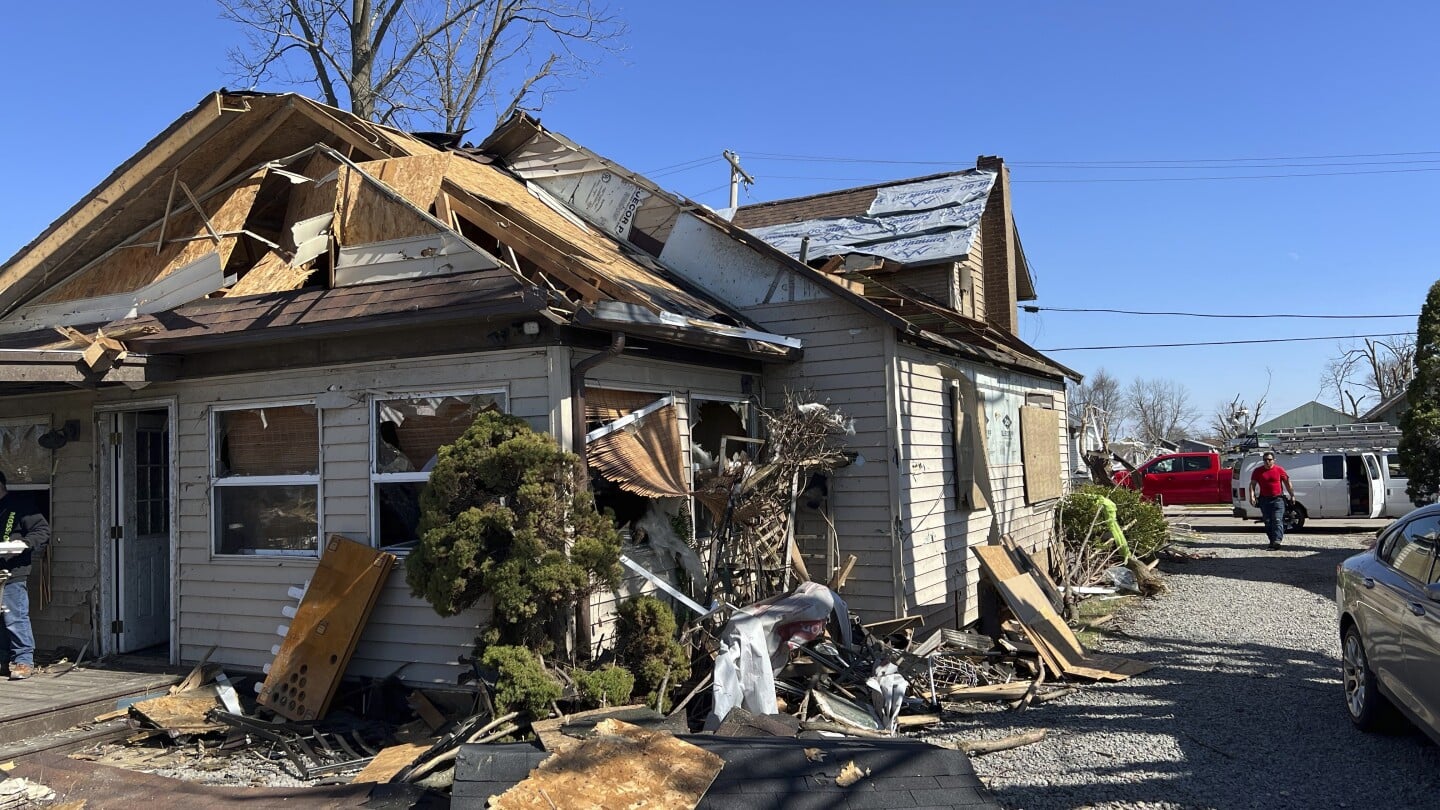
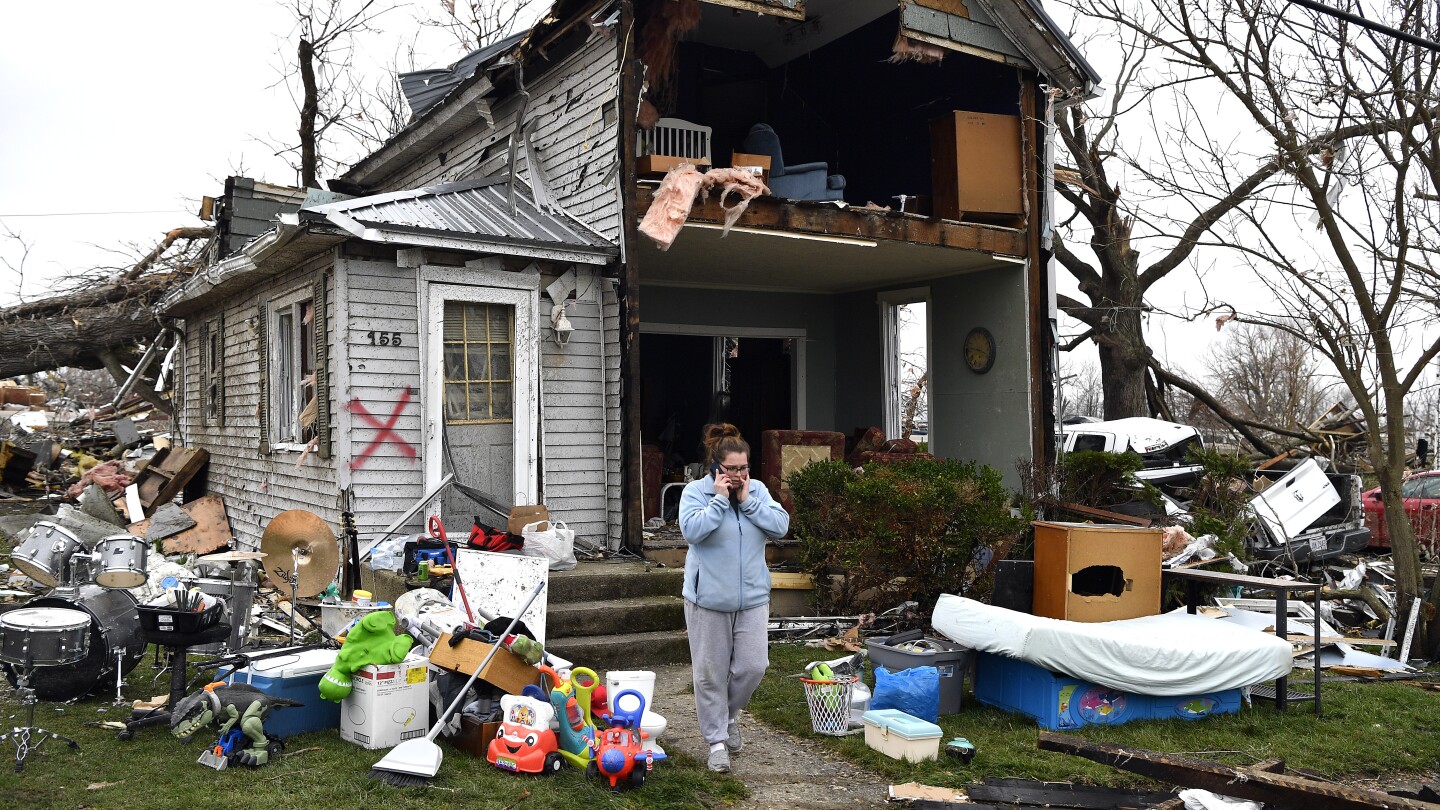
Residents in the central U.S. are facing a long recovery after deadly tornadoes tore through parts of Ohio, Kentucky, Indiana, and Arkansas, claiming three lives in Ohio's Logan County and causing injuries and extensive damage in Indiana. One resident described the scene as resembling a movie, with her father's garage leveled and the back of his house destroyed. Despite the devastation, the community has come together to support each other, with neighbors helping shut off gas and the school superintendent providing essential supplies.
Tornadoes tore through the central US, killing three people and injuring dozens more in Ohio, Kentucky, Indiana, and Arkansas. The storms left trails of destruction, with significant damage in Ohio's Logan County and Indiana's Winchester. Residents took shelter as tornado sirens sounded, and search crews and cadaver dogs worked to clear blocked areas. Governor Mike DeWine assessed the damage in Ohio, while Indiana's Governor Eric Holcomb praised first responders. Despite the widespread damage, there were no reports of fatalities in Arkansas.
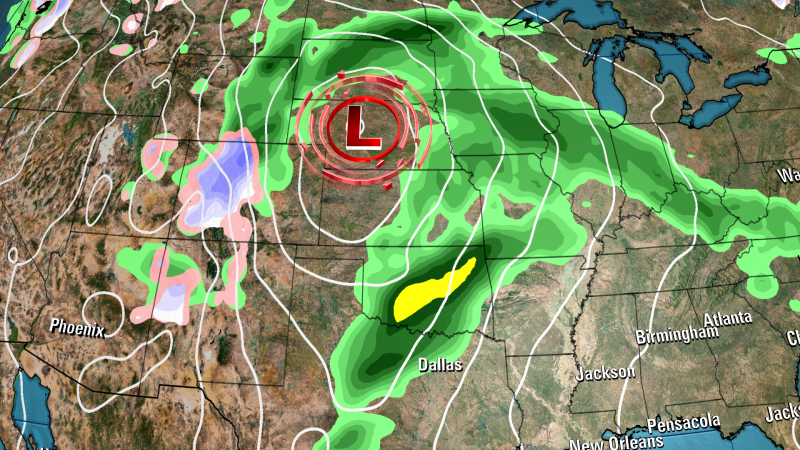
A powerful storm is set to bring extreme weather to the central US, including an extreme wildfire risk in parts of Texas and Oklahoma, feet of snow in the Rockies, and severe thunderstorms with the potential for tornadoes. Gusty winds and dry conditions raise the fire risk, while heavy snow is expected in Colorado. Severe thunderstorms with damaging winds, hail, and tornadoes are forecast for the Plains and Midwest, with the threat extending into the Great Lakes region on Thursday.
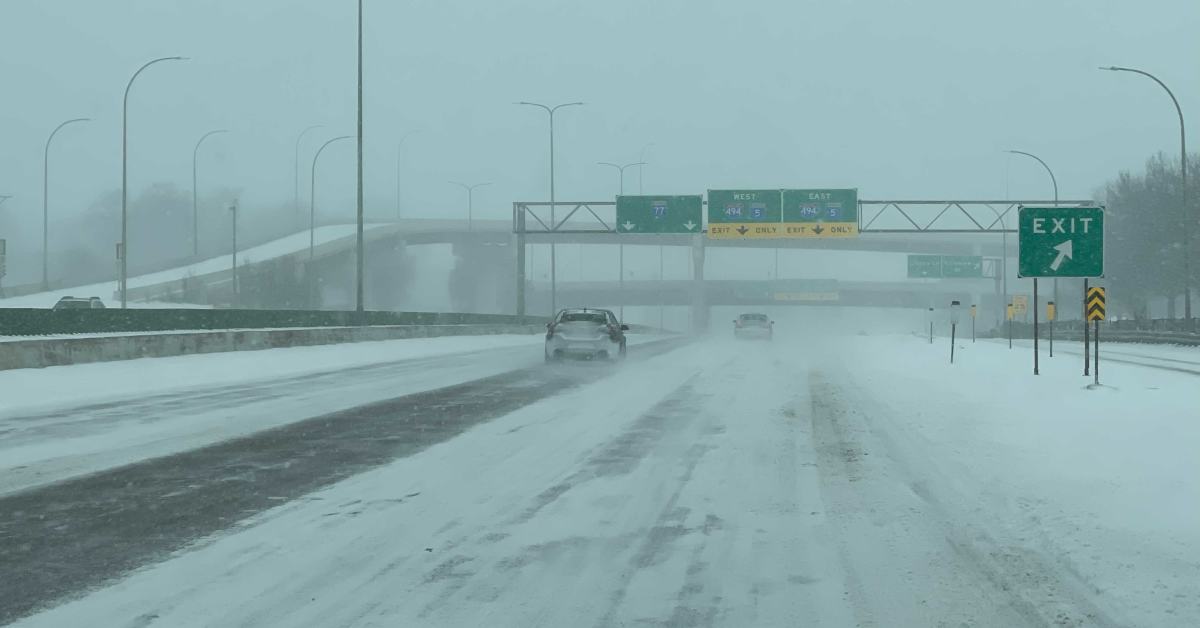
A massive storm brought blizzard conditions and over half a foot of snow to the central U.S., leading to the closure of highways, schools, and government offices in several states. Interstate 80 in Nebraska and Interstate 70 in Kansas were closed due to whiteout conditions, while parts of Iowa, Missouri, and Illinois braced for up to a foot of snow. The weather also disrupted political campaigning in Iowa and extended as far south as the Oklahoma panhandle, with another storm expected to impact the Pacific Northwest and northern Rockies.