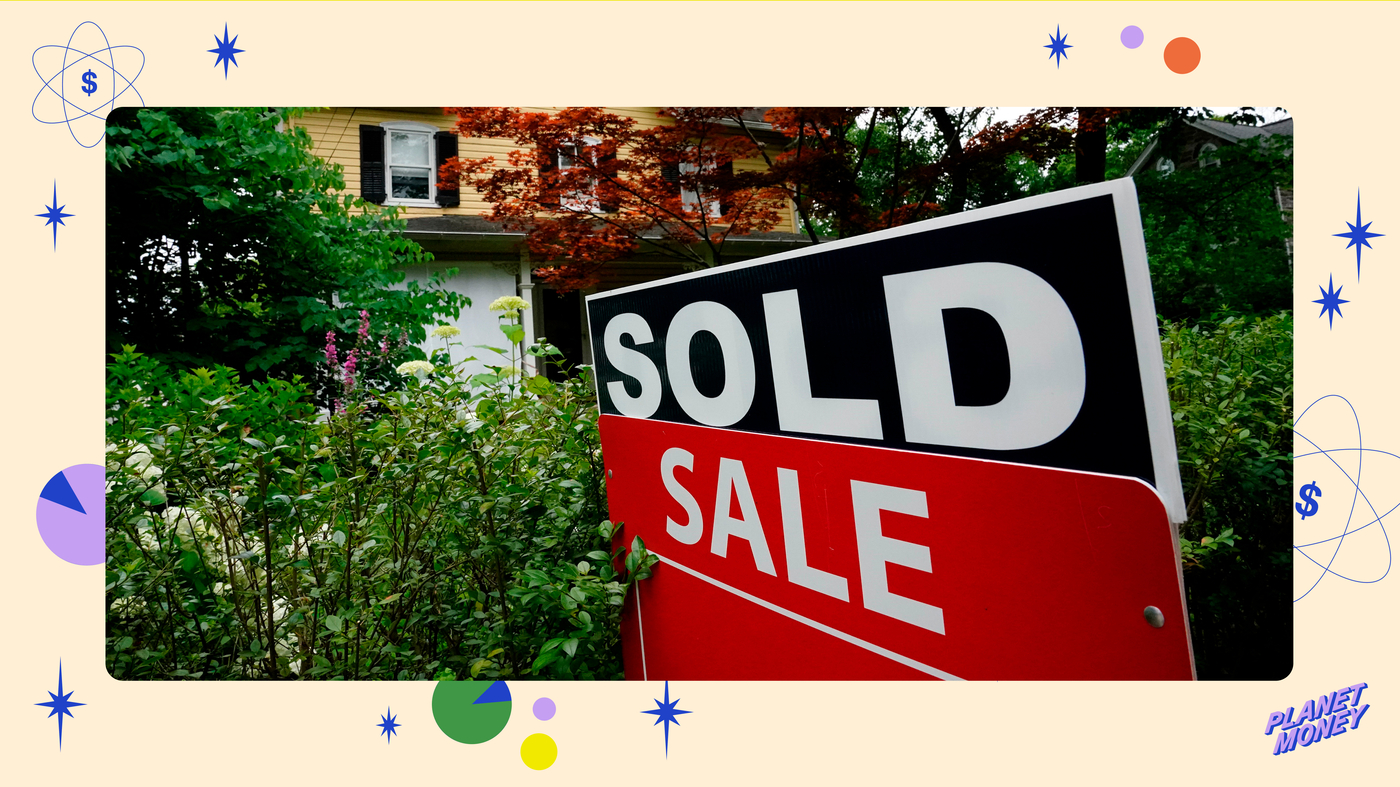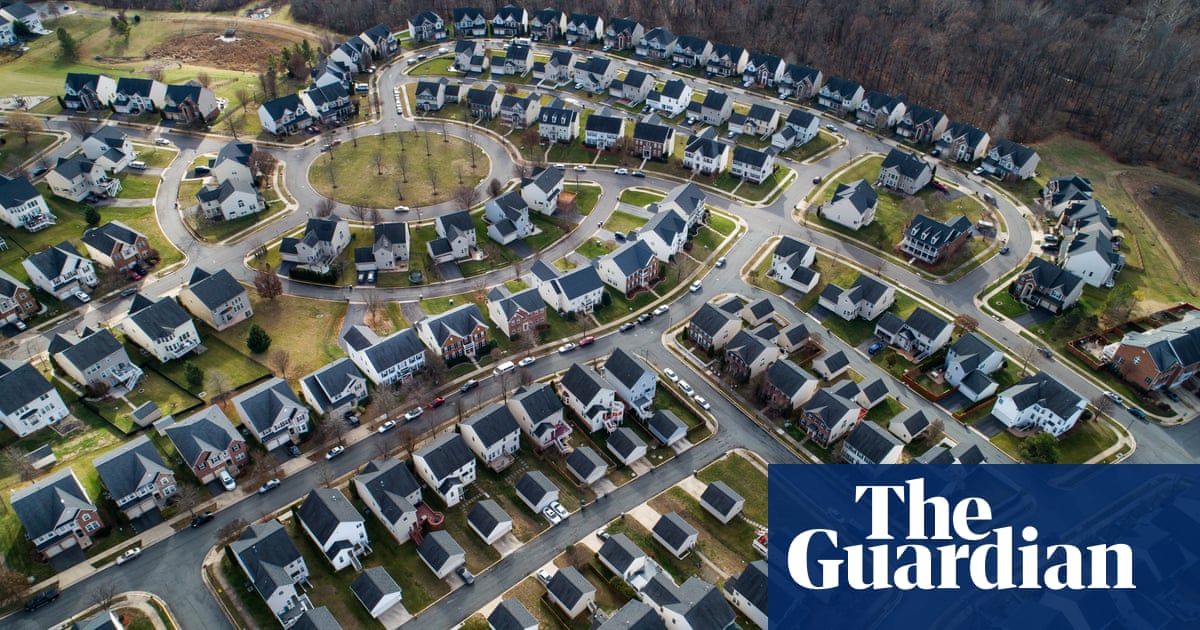
President Trump proposed banning Wall Street from buying single-family homes, but industry insiders and analysts believe the impact on the market will be minimal as the business model has shifted away from competing directly with individual buyers, with major investors now focusing on new developments and partnerships with homebuilders. The market reaction was initially negative, but experts suggest the actual effect on the industry will be limited, especially if exemptions are made for new construction and existing portfolios.

Compass CEO Robert Reffkin is engaged in a legal and strategic battle with Zillow and industry rules, aiming to reshape home search practices by promoting exclusive listings and challenging industry norms, which could significantly alter how Americans buy homes.
Zillow is implementing a new policy to ban publicly marketed home listings that are not shared in local databases within one business day, as part of a broader industry conflict over 'exclusive inventory' and 'hidden homes.' This move aims to increase market transparency but has sparked legal disputes and industry resistance, affecting how buyers and sellers access and market properties.
The Justice Department will reopen an antitrust investigation into the National Association of Realtors, focusing on whether the group's rules inflate the cost of selling a home. This comes after a U.S. Court of Appeals ruling overturned a lower-court decision and follows a recent settlement over real estate agent commissions. The investigation presents another challenge for N.A.R., which is already facing legal action over alleged antitrust violations.
A lawyer in Kansas City, Missouri, took on a case involving a couple who paid a high commission fee when selling their home, sparking a legal battle that challenges the traditional practices of real estate agents in the U.S. The case questions the way homes are bought and sold and could potentially change the way real estate agents have conducted business for over a century.
The potential settlement by the National Association of Realtors has already prompted some Americans to change their behavior in buying and selling homes, with prospective buyers hoping for lower prices and sellers adjusting their commission offers. The $418 million settlement, if approved, will bring new rules for Realtors, potentially uncoupling commissions from home prices and leading to a more competitive housing market. Many believe this could result in lower home prices, providing relief for buyers facing surging median sales prices. However, the impact of the settlement will depend on consumers advocating for themselves and actively negotiating in the real estate market.
Compass has agreed to settle commission lawsuits for $57.5 million, following NAR's $418 million settlement. This makes Compass the fourth major entity to settle, bringing the industry's total settlements to about $684 million. The settlement covers the Umpa v. NAR and Gibson v. NAR cases and includes minor business practice changes. The industry is facing potential impacts on commission structures and client relationships, with a new trade organization in the works in response to dissatisfaction with NAR's handling of the lawsuits.
Economists from the Richmond Federal Reserve Bank propose a new "à la carte" compensation model for real estate agents in the U.S. that could potentially slash roughly $30 billion from buyer-agent commissions annually. They argue that the current U.S. model for real estate commissions is "puzzling" and propose a shift to a cost-based commission model to increase homebuyers' welfare. The proposed model would require both homebuyers and sellers to pay their own agents separately and independently of the final home price, aiming to prevent steering and overuse of agent services. Despite potential negative impacts on the real estate industry, the economists believe their proposed model would be beneficial for the economy as a whole.
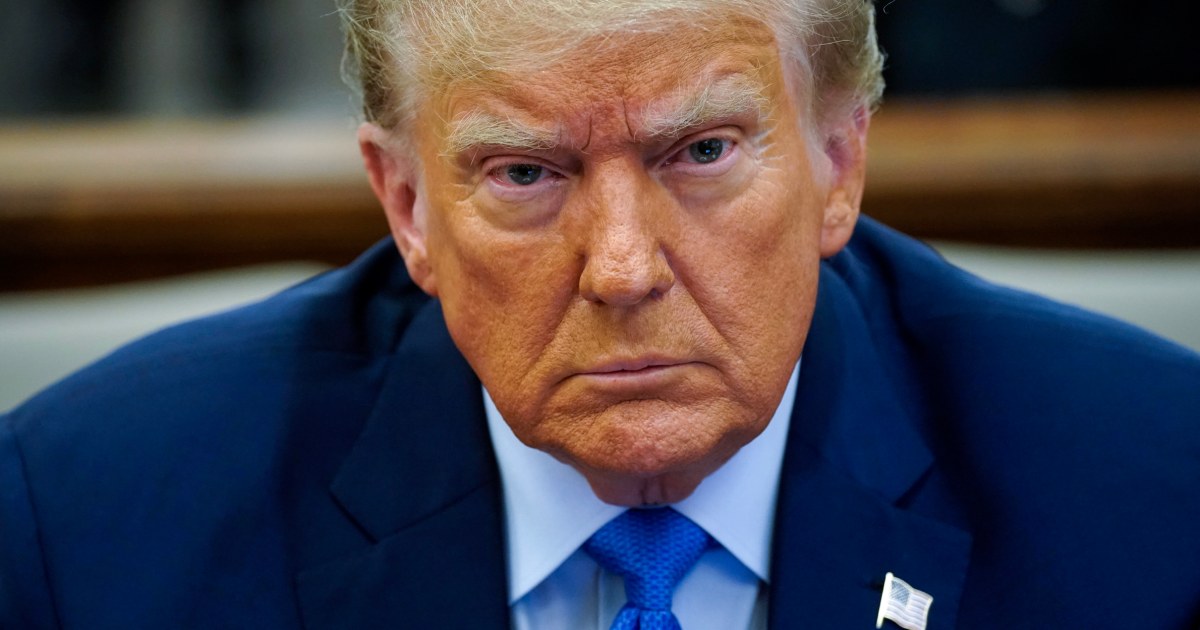
New York Attorney General Letitia James' office has requested that Donald Trump be banned for life from the real estate industry following a court ruling that he committed fraud by inflating his property values. The request cites a similar lifetime ban imposed on Martin Shkreli in the pharmaceutical industry. Trump and his lawyers deny any wrongdoing, claiming the litigation is politically motivated. The judge is expected to rule on the case by January 31.
New York Attorney General Letitia James cited Martin Shkreli's lifetime ban from the pharmaceutical industry to support her case against former President Donald Trump, seeking to block him from the real estate industry for fraudulently inflating his assets. The Second Circuit upheld Shkreli's ban due to his monopolistic behavior, and James wants a similar ban for Trump and his associates, along with disgorgement of ill-gotten gains. The attorney general's office invoked a federal judge's ruling against Shkreli, citing the same statute used against Trump, and the judge is expected to issue a ruling before the end of the month.
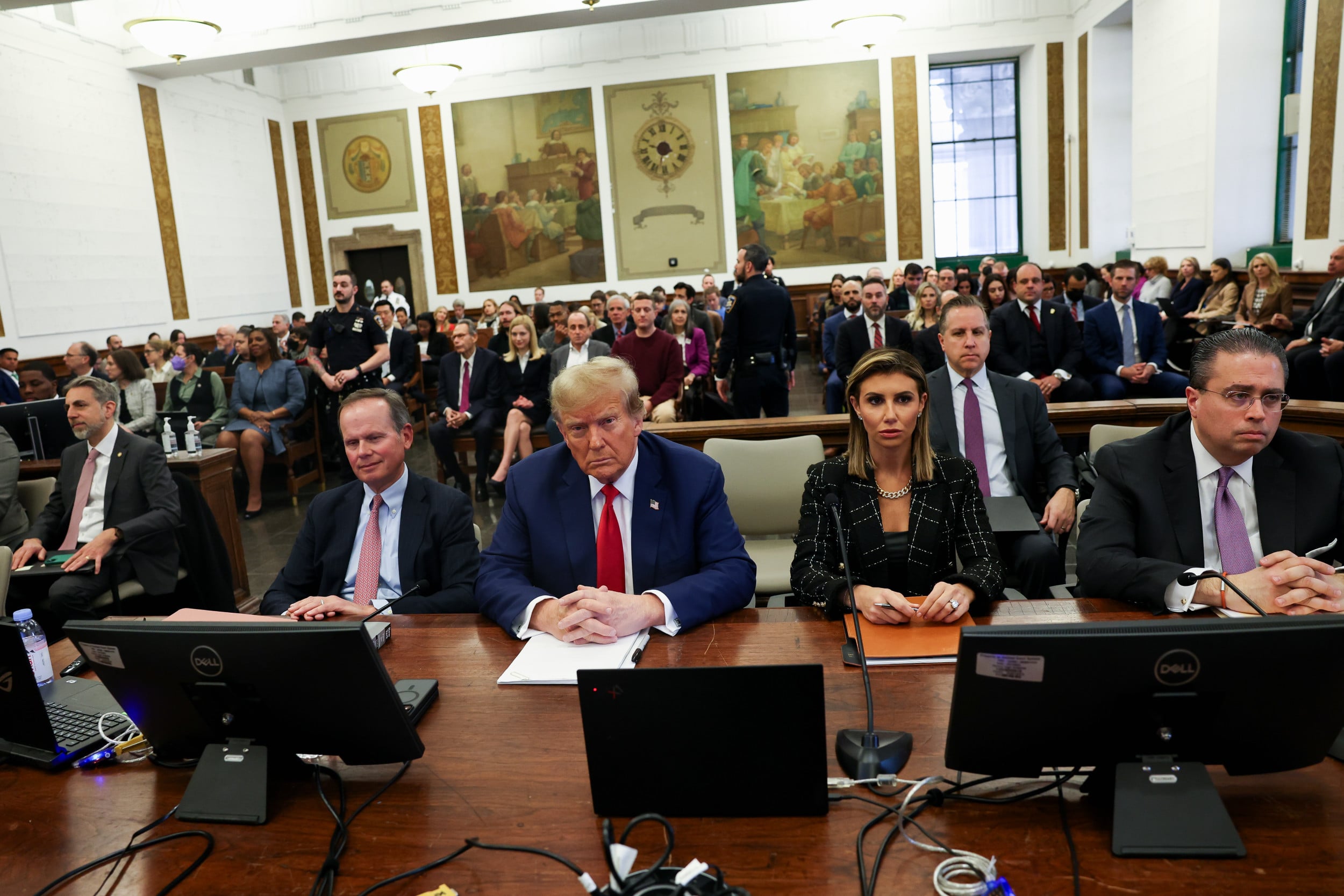
Closing arguments are set to begin in the civil fraud case against Donald Trump and his company, with the former president facing potential financial penalties of up to $370 million and a possible ban from New York's real estate industry. Trump is expected to be in attendance but has been barred from delivering some remarks himself due to a refusal to refrain from personal attacks. The case alleges that Trump and his company overstated the value of assets and properties in financial documents over a decade, with the New York Attorney General seeking significant damages and lifetime bans from the real estate business for Trump and his top executives.
Former President Donald Trump's $370 million civil fraud trial, which could potentially bar him from the New York real estate industry, is nearing its end. The New York Attorney General alleges that Trump and his associates inflated assets in financial statements, leading to favorable interest rates and fraudulent gains of $370 million. Trump's defense argues lack of intent and relevance to lenders, while Trump himself criticizes the case as politically motivated. The judge has expressed skepticism towards Trump's defense and has set rules for Trump's potential closing statement.
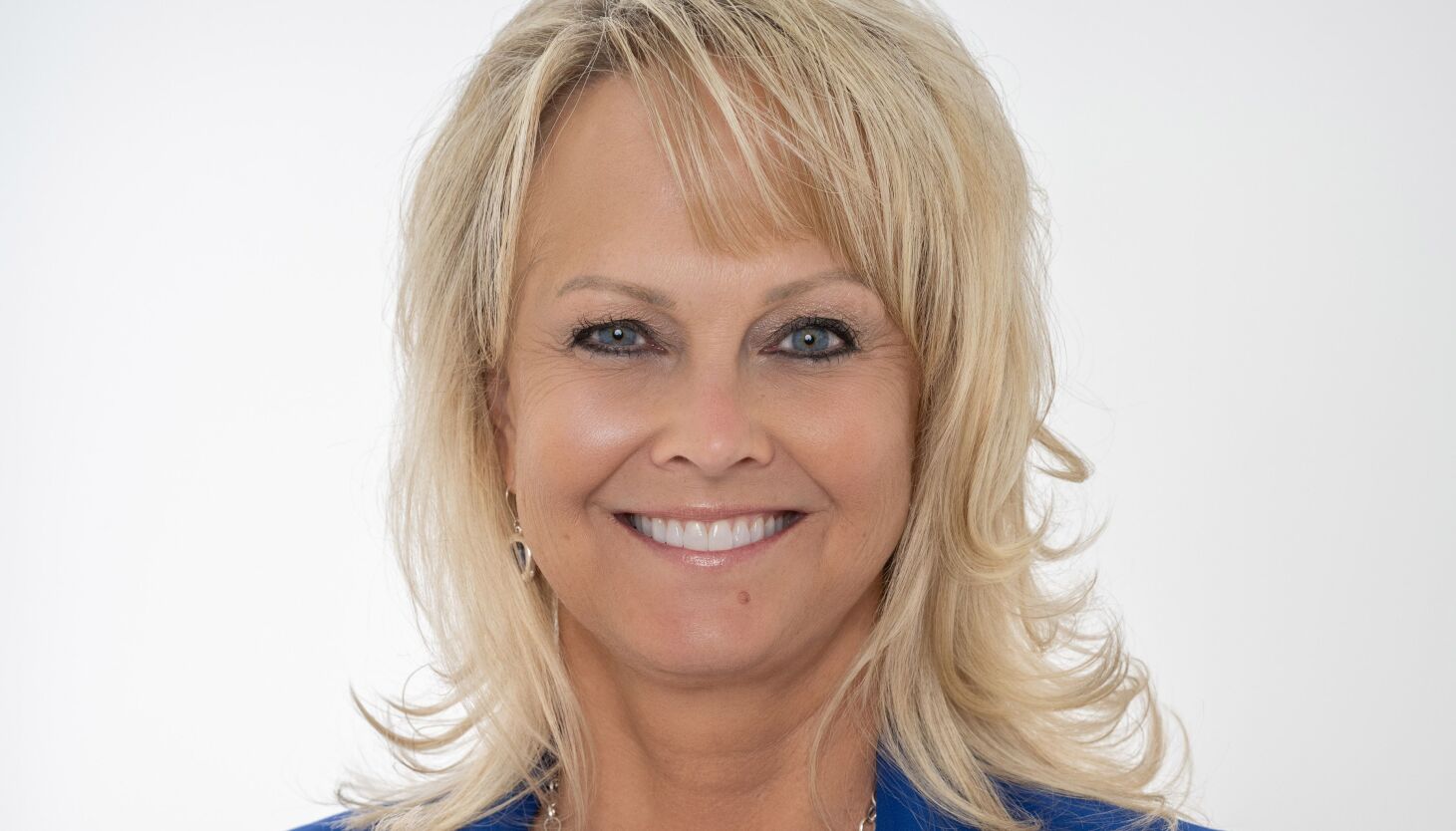
The president of the US National Association of Realtors, Tracy Kasper, has resigned after receiving a blackmail threat related to a past personal matter. This comes amid a turbulent period for the organization, including the previous president stepping down due to sexual harassment claims. Kasper reported the threat to law enforcement and chose to resign, with Kevin Sears named as her successor. The association has faced challenges, including a recent $1.8bn damages verdict and a decline in home sales due to high mortgage rates.
Tracy Kasper has resigned as president of the National Association of Realtors after receiving a blackmail threat related to a personal matter, prompting her to step down to protect the organization's interests. President-elect Kevin Sears will assume the role immediately. This follows a series of leadership changes, including the resignation of her predecessor, Kenny Parcell, and CEO Bob Goldberg, amid controversies. The organization is taking steps to safeguard its governance and integrity.
The president of the National Association of Realtors, Tracy Kasper, resigned from her post after receiving a blackmail threat to disclose a personal matter unless she compromised her position. Kasper reported the threat to law enforcement and stepped down to protect the organization's integrity. This follows the resignation of her predecessor, Kenny Parcell, amid sexual harassment allegations. President-elect Kevin Sears will assume the role immediately. The NAR has faced previous scandals, including allegations against Parcell and a federal court ruling for conspiring to inflate home sales commissions.