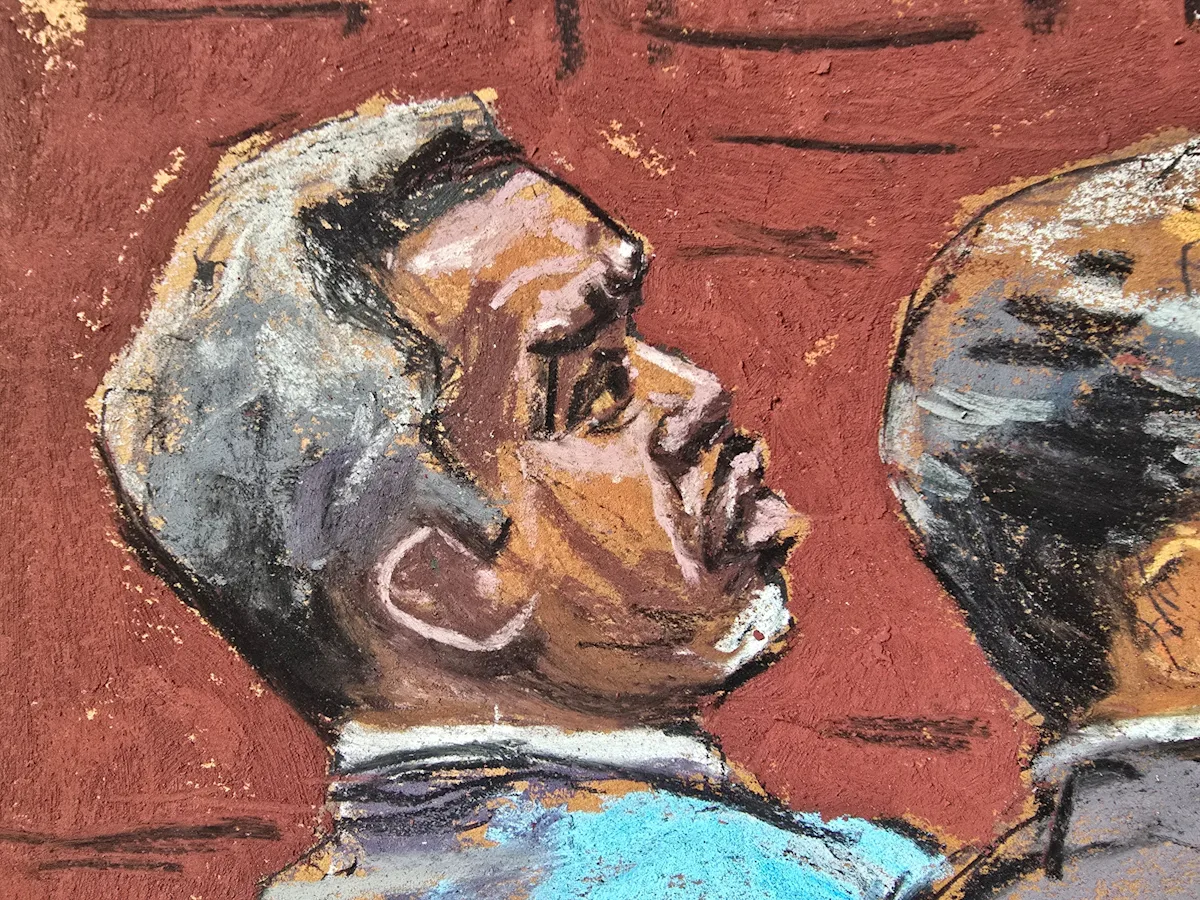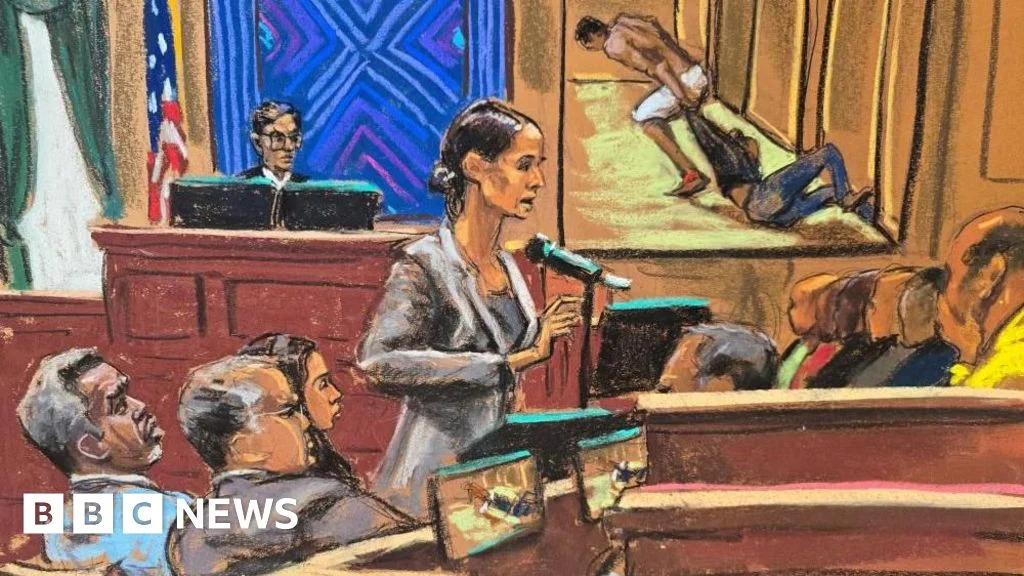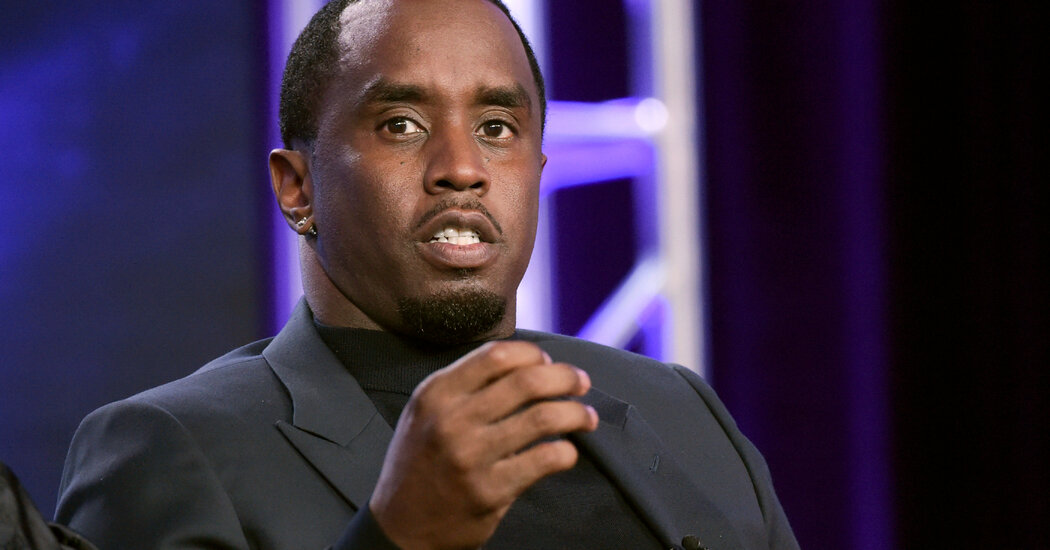
Sean 'Diddy' Combs's trial concluded with closing arguments, where he pleaded not guilty to charges of sex trafficking and racketeering, amid testimonies from ex-girlfriends alleging pressured sexual encounters; jurors are set to begin deliberation.
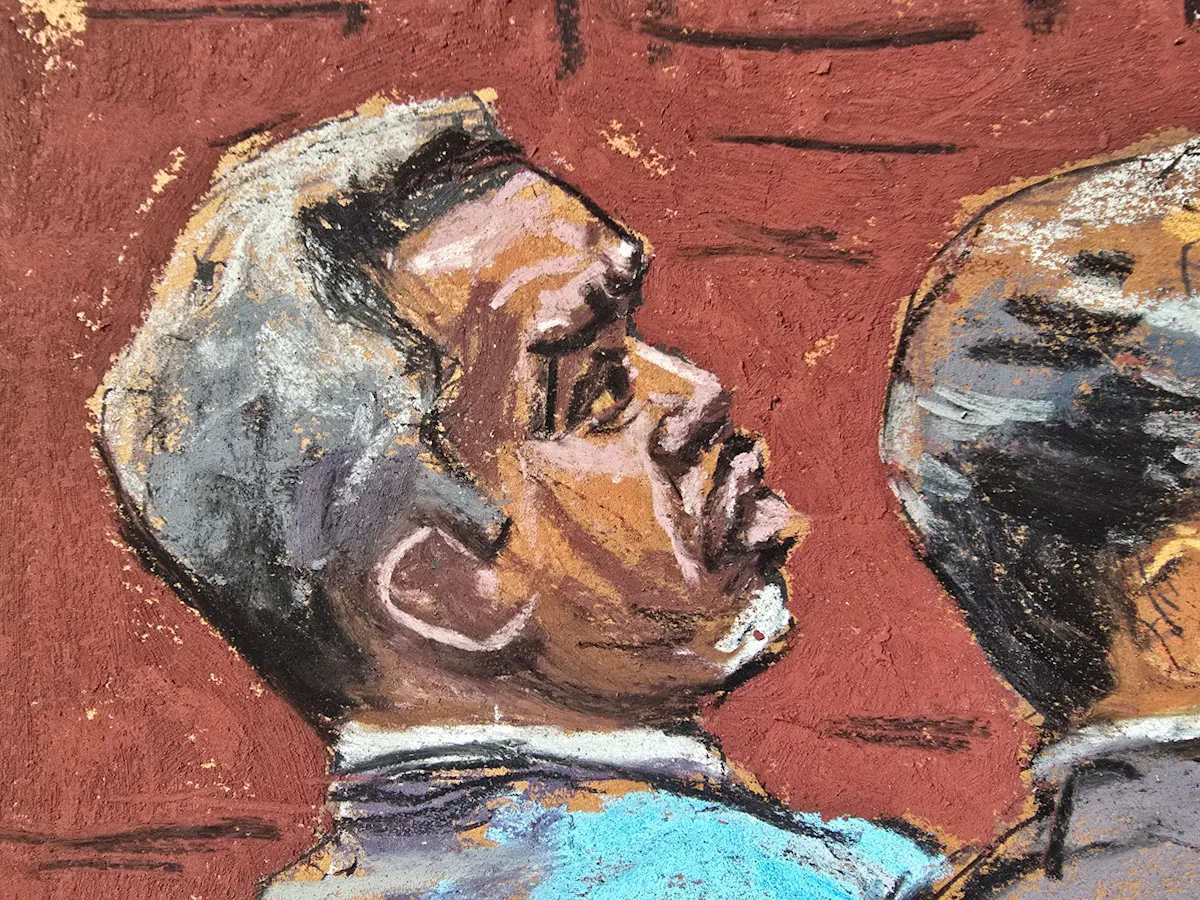
Sean 'Diddy' Combs is on trial for sex trafficking and related charges, with prosecutors portraying him as the leader of a criminal enterprise that coerced women into drug-fueled sexual encounters and used violence to hide his crimes. The defense is now delivering its closing arguments, and the case could result in life imprisonment if he is convicted.
The defense is set to deliver closing arguments in the sex trafficking trial of Sean 'Diddy' Combs, who faces multiple charges including racketeering and sex trafficking, with prosecutors portraying him as the leader of a criminal enterprise abusing women and using violence to conceal his crimes.
Prosecutors in Sean 'Diddy' Combs's trial presented their closing arguments, accusing him of leading a criminal enterprise involved in sex trafficking, violence, and fraud, with harrowing testimonies and evidence, while his defense argued he participated in a lifestyle and did not commit the crimes.
Sean 'Diddy' Combs is on trial in New York, facing serious charges including racketeering and sex trafficking, with prosecutors alleging he used violence and coercion to force women into unwanted sex acts. The trial has featured extensive witness testimony, including from his ex-girlfriend Cassie Ventura, and is nearing its conclusion with closing arguments underway. If convicted, Combs faces the possibility of life in prison.
Harvey Weinstein's defense has rested in his NYC rape retrial, with closing arguments underway before a jury deliberates on charges that could result in a life sentence if convicted. The case involves allegations from multiple women, with Weinstein denying all charges, and the trial is influenced by his health issues and previous convictions.
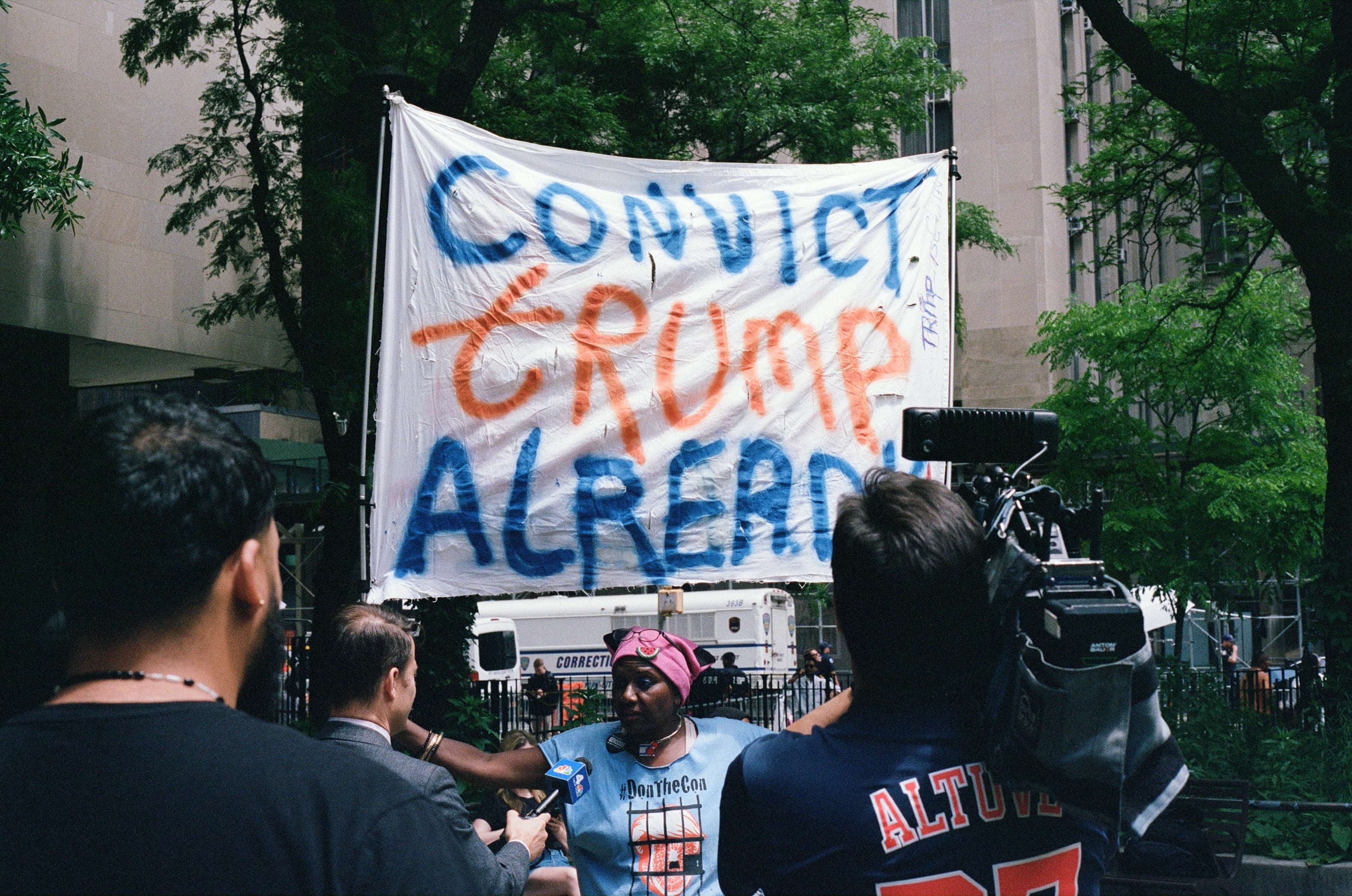
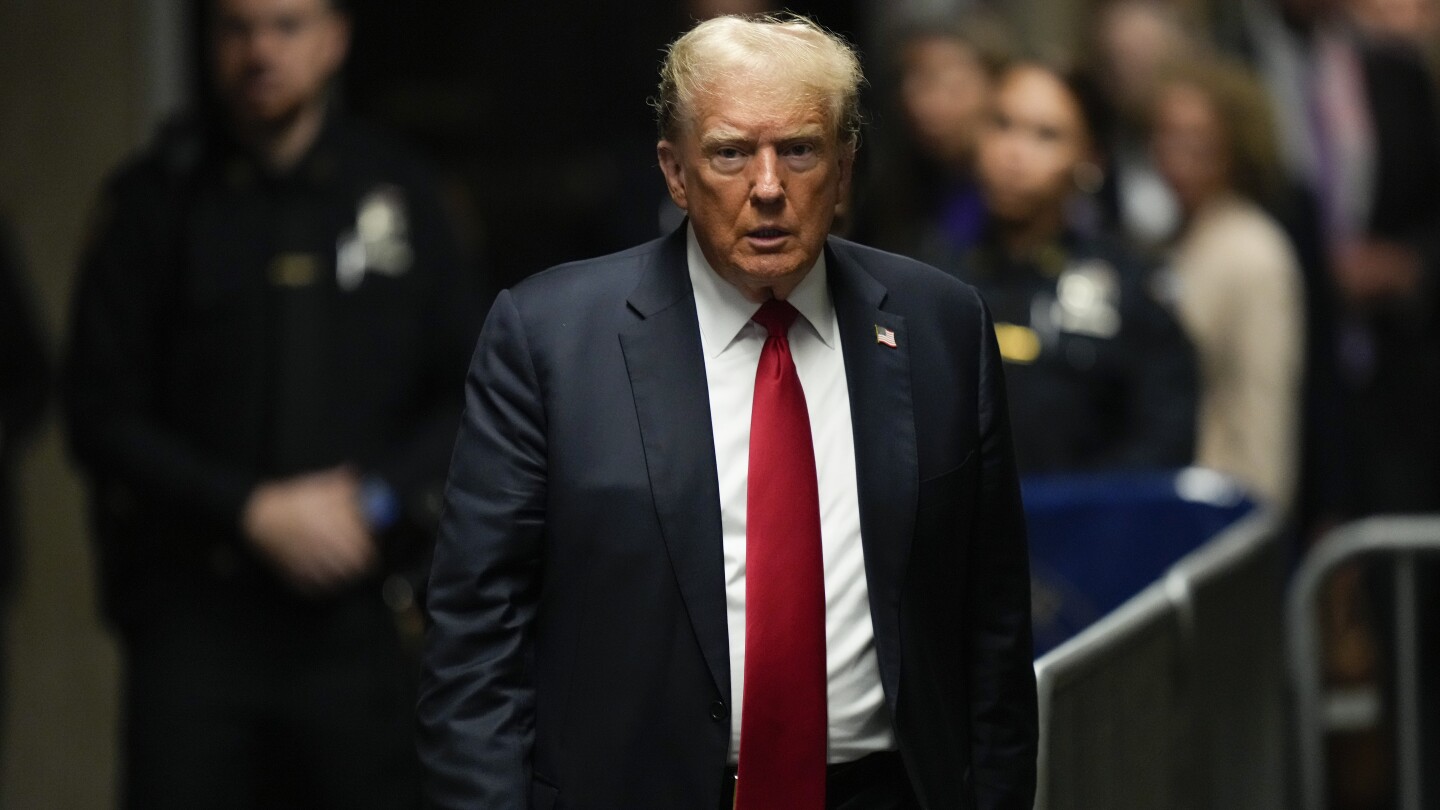
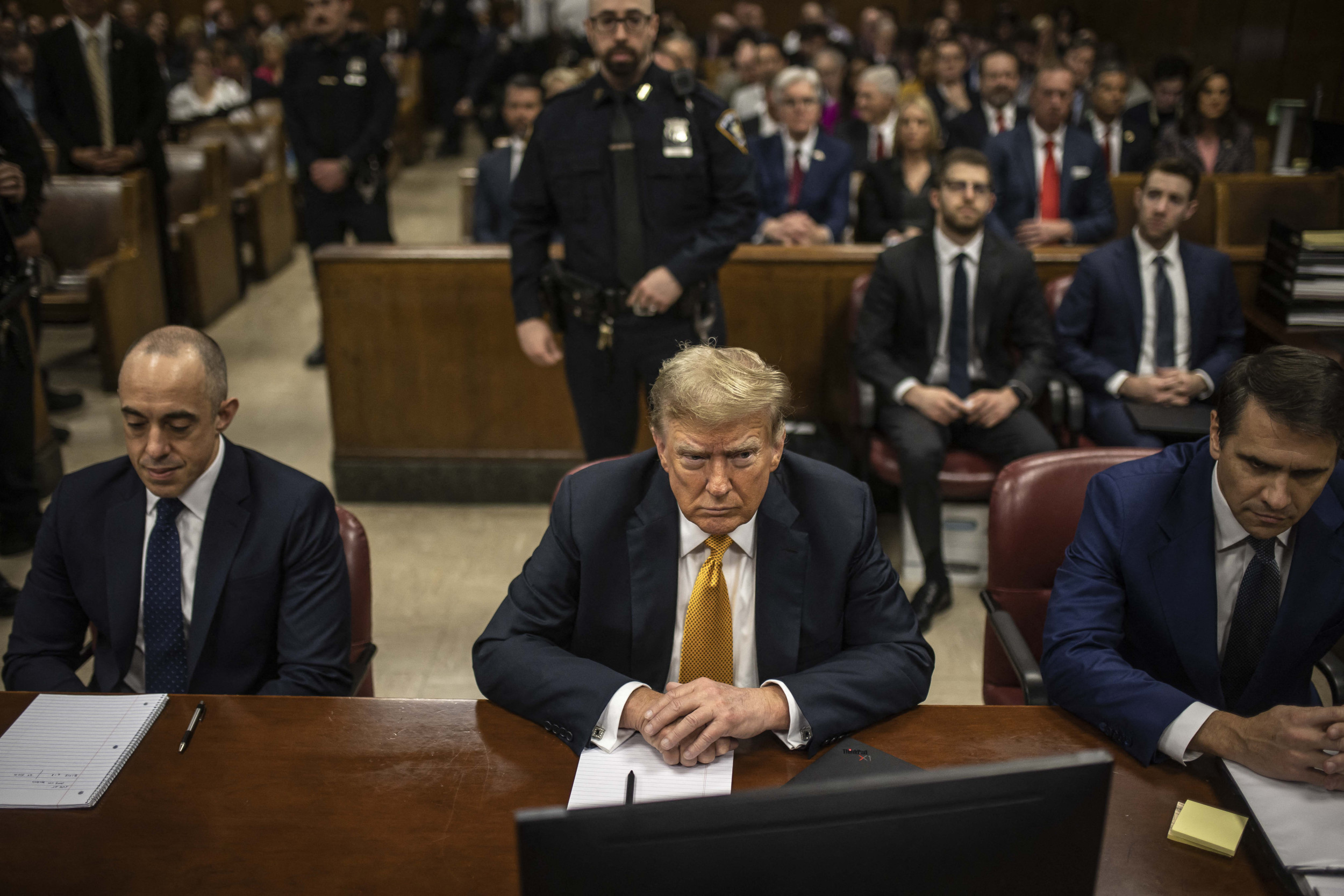
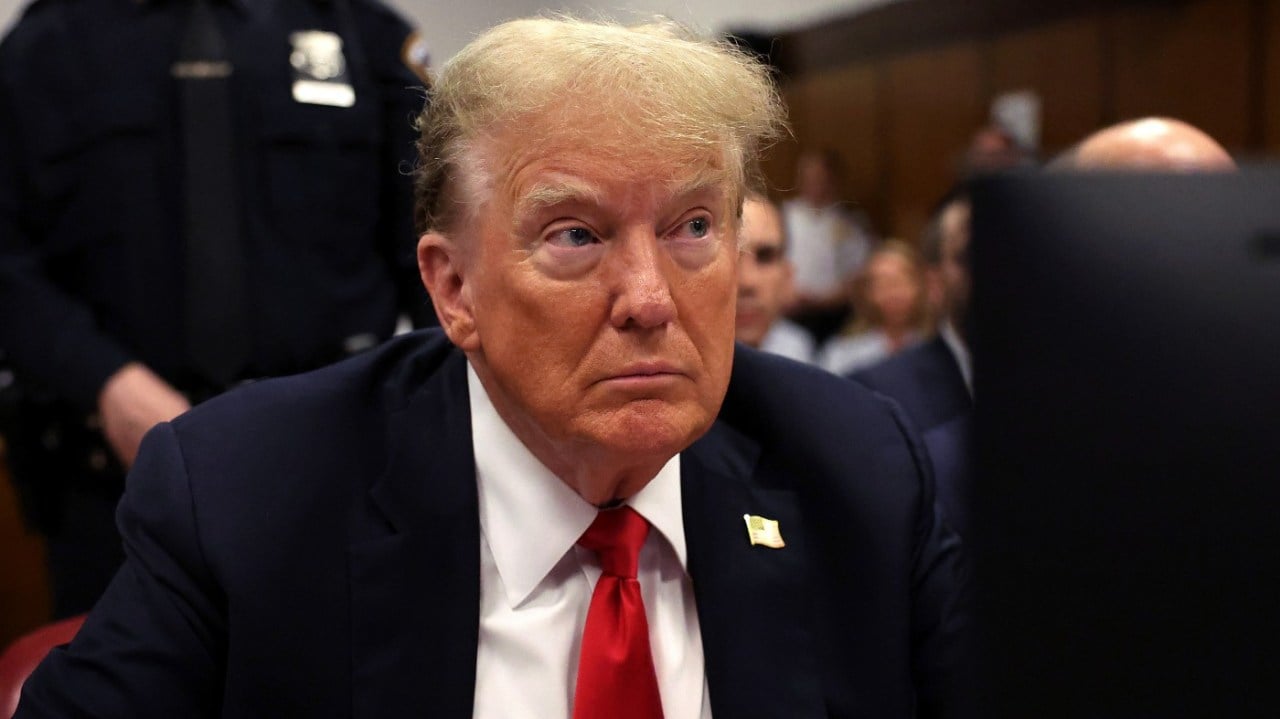
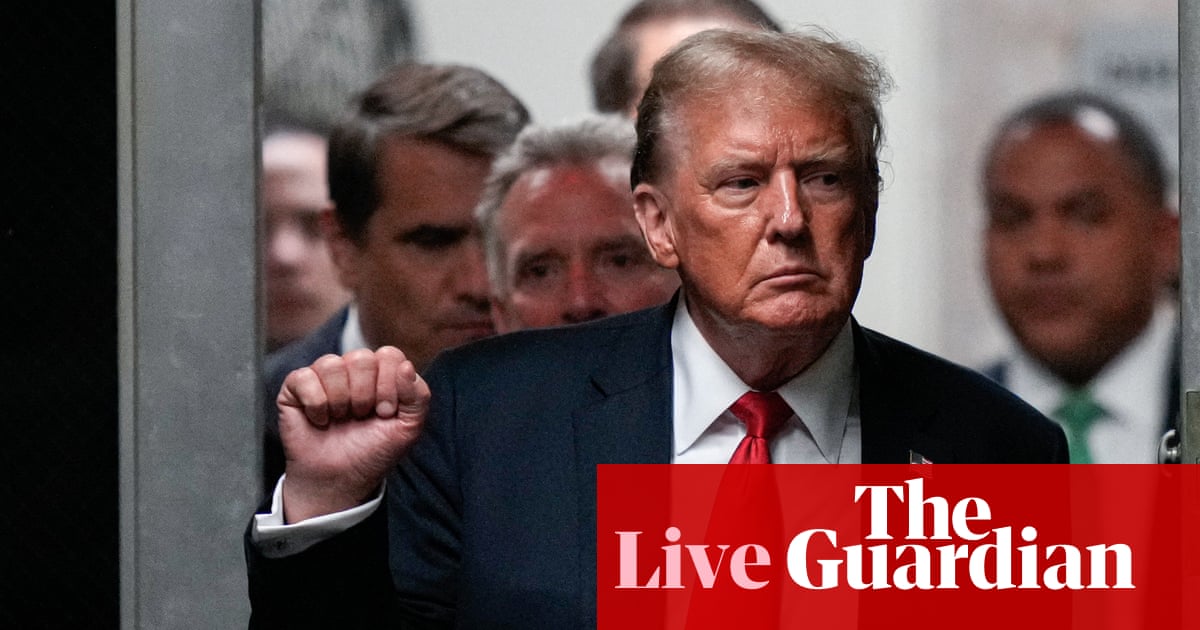
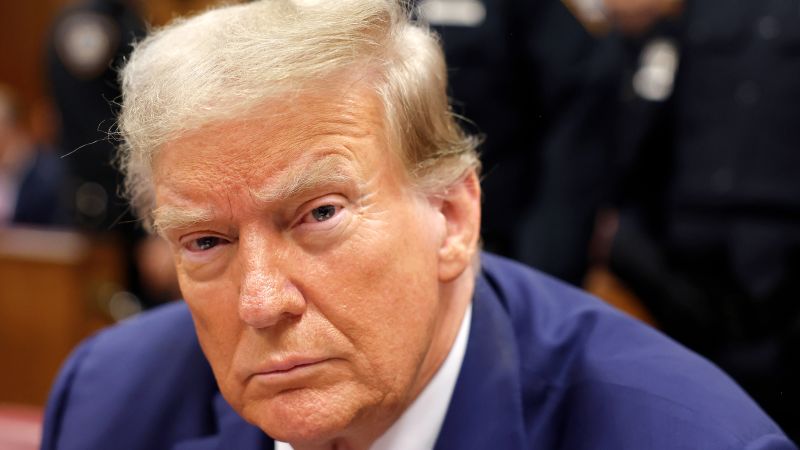
In the New York trial against Donald Trump, closing arguments were presented with the defense focusing on discrediting key witness Michael Cohen and arguing that Trump had no intent to defraud or influence the 2016 election. The prosecution countered by emphasizing the corroborative evidence and the testimonies of other witnesses, asserting that Trump falsified business records to cover up election law violations. The jury will now deliberate based on the evidence and arguments presented.
On the 21st day of Donald Trump's New York hush money trial, both the defense and prosecution delivered their closing arguments. The defense attacked the credibility of key witness Michael Cohen, labeling him the "Greatest Liar of All Time," while the prosecution argued that there is ample evidence beyond Cohen's testimony to prove Trump falsified business records to cover up a payment to Stormy Daniels. The jury is set to begin deliberations after receiving instructions from the judge.
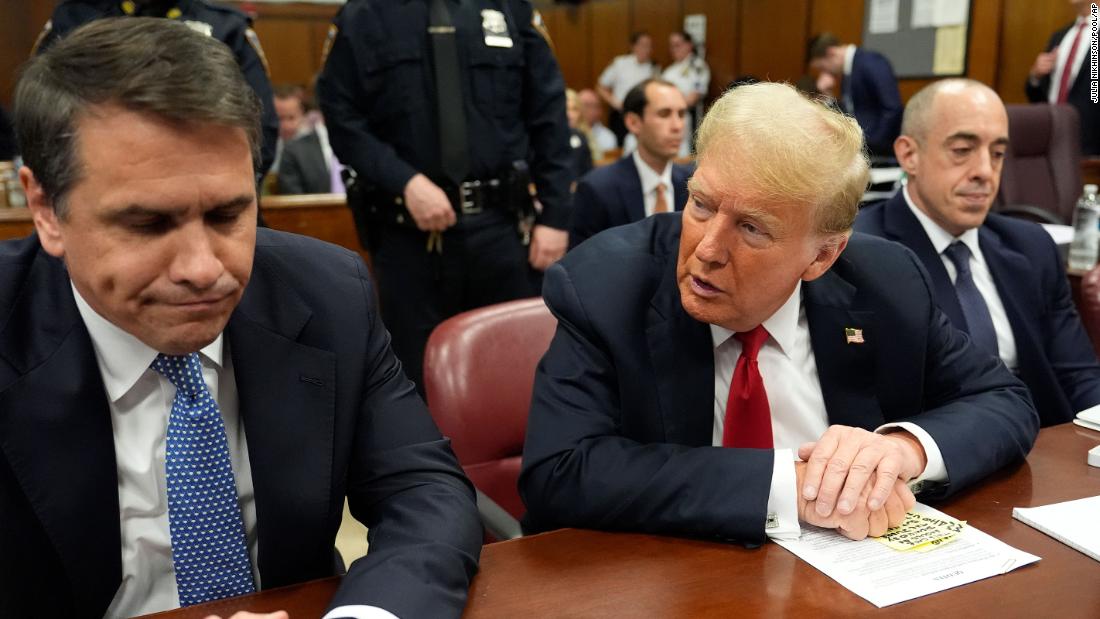
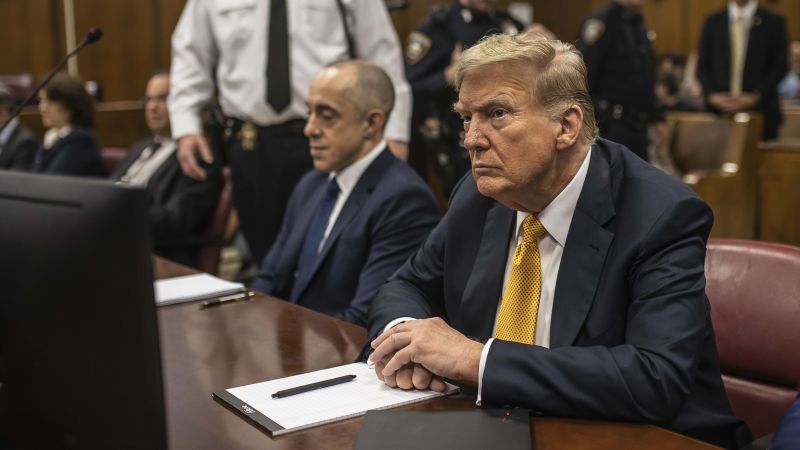
In the closing arguments of Donald Trump's hush money trial, Manhattan prosecutors and Trump's defense team presented their final pitches to the jury. Prosecutor Joshua Steinglass argued that Trump orchestrated an elaborate scheme to conceal hush money payments to Stormy Daniels during the 2016 presidential campaign, emphasizing the timing and Trump's involvement. The defense countered that the payments were for legitimate legal services. The jury is set to begin deliberations soon, with the potential to make Trump the first former U.S. president convicted of a crime.
Closing arguments concluded in the criminal hush money trial against former President Donald Trump, with the jury set to receive instructions and begin deliberations tomorrow. Prosecutor Joshua Steinglass argued that Trump orchestrated a scheme to falsify business records to cover up payments to Stormy Daniels and Karen McDougal, while Trump's attorney Todd Blanche attacked the credibility of key witness Michael Cohen, labeling him a liar and thief. The trial has been marked by intense arguments and political overtones, with Trump's sons and the Biden campaign making public statements.
Attorneys delivered marathon closing arguments in former President Trump's hush money trial, with Trump's lawyer speaking for three hours and the prosecutor for nearly five hours. The case, which included nearly two dozen witnesses, is now set to be handed to the jury for deliberation.
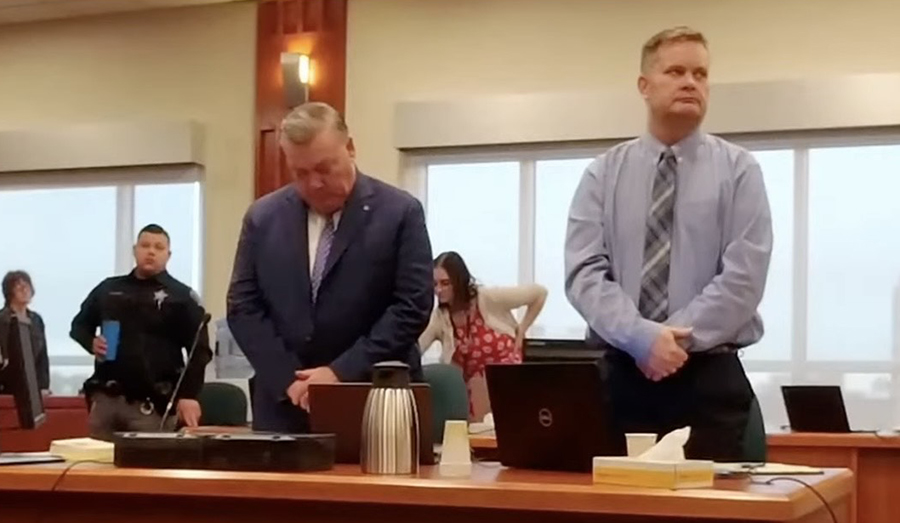
The Chad Daybell trial is nearing its conclusion with rebuttal witnesses finishing their testimonies. Jury instructions will be finalized and read to the jurors, followed by closing arguments scheduled for Wednesday. Key discussions included the use of old versus new jury instructions on reasonable doubt and the admissibility of certain witness testimonies.
Prosecutor Joshua Steinglass concluded his closing arguments in Donald Trump's hush-money trial, urging the jury to find Trump guilty of falsifying business records to conceal hush money repayments to Michael Cohen. Steinglass argued that Trump was deeply involved in the cover-up to prevent his catch-and-kill scheme from going public, especially with his intent to run for office again. The defense countered by questioning Cohen's credibility and the integrity of evidence. Jury deliberations are set to begin after Judge Merchan's instructions.
CNN legal analyst Ryan Goodman discusses the potential defense strategy that may be used during the closing arguments in former President Donald Trump's hush money trial.
Closing arguments in Donald Trump's hush money trial begin Tuesday, with prosecutors aiming to convince jurors of Trump's guilt on 34 felony counts of falsifying business records to aid his 2016 campaign. The prosecution will summarize weeks of testimony and evidence, while Trump's defense will challenge the credibility of key witness Michael Cohen and argue no crime was committed. The jury will begin deliberations after closing arguments and instructions from the judge.