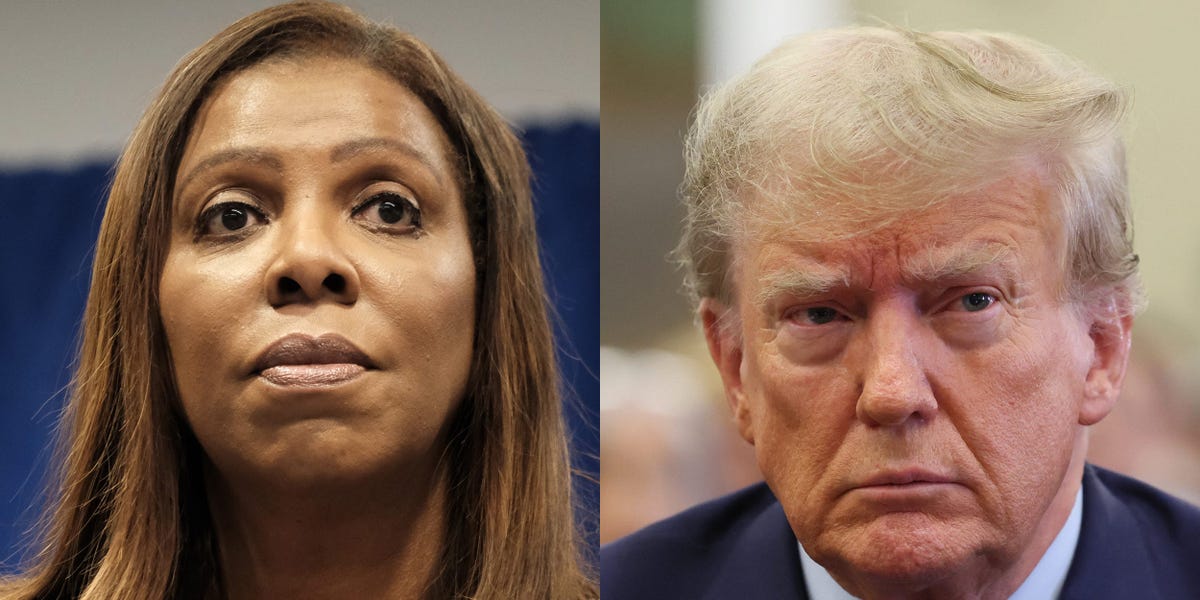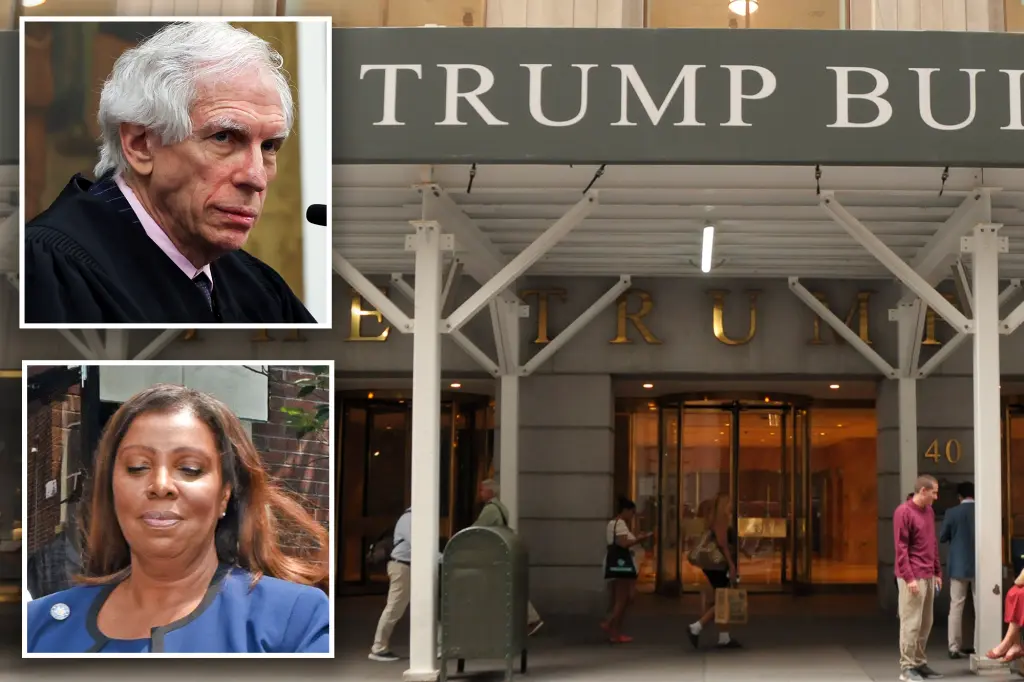
The New York Appellate Division ruled that the $500 million fine against Trump for overvaluing properties was unconstitutional, challenging the case brought by Attorney General Letitia James. Although this decision may not be the final word, it marks a setback for the case, which is likely to be reviewed by the state's highest court, the Court of Appeals. The case and Judge Engoron's rulings have been controversial, with previous decisions being reversed.
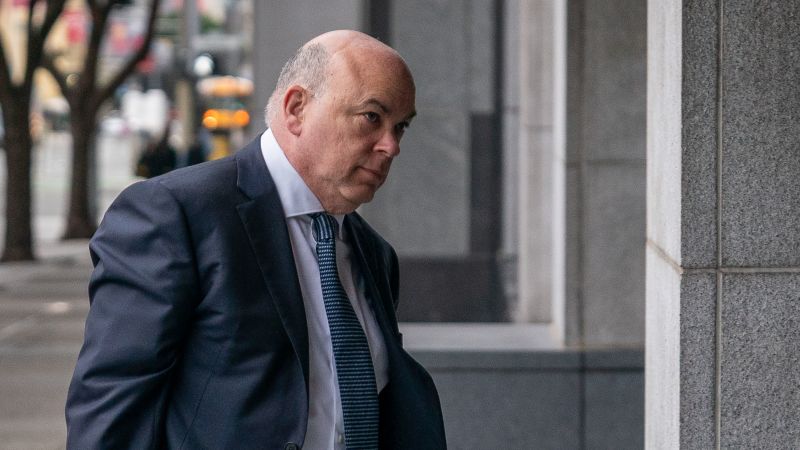
The UK High Court ruled that the estate of Mike Lynch owes Hewlett Packard Enterprise over $940 million due to a fraud case related to Lynch's company Autonomy, with Lynch's yacht sinking and his death occurring shortly after the ruling. The case involves allegations of misrepresentation and fraud in the sale of Autonomy, which HP acquired for $11 billion, and the court's decision reflects significant financial damages awarded to HPE. A further hearing is scheduled to determine final damages and other legal considerations.
According to William J. Brennan, who represented the Trump Organization in a fraud case, selecting a jury pool in Manhattan for Trump's case is particularly challenging due to the high-profile nature of the defendant and the potential impact of the jury's composition on the outcome of the trial.
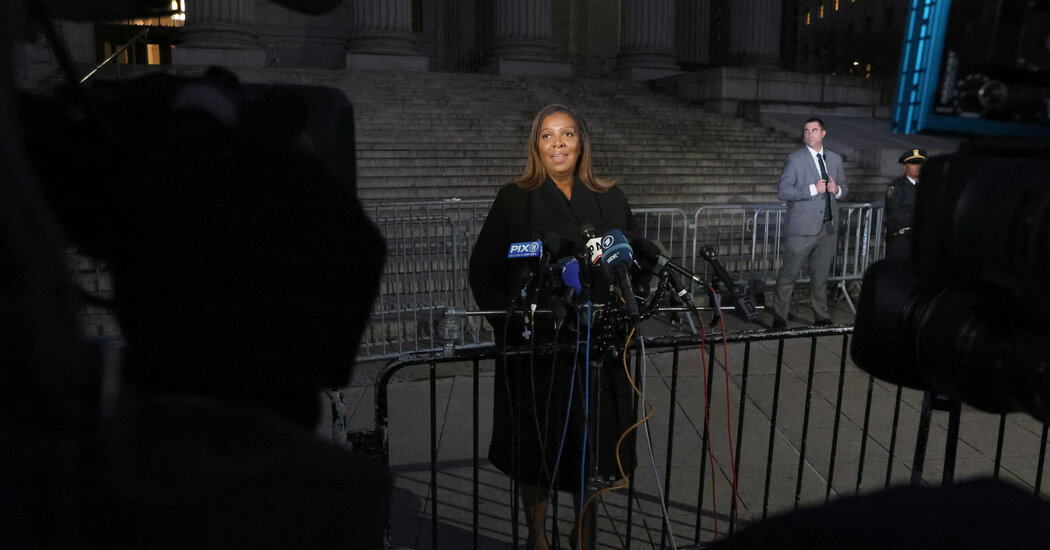
New York Attorney General Letitia James, after winning a $454 million judgment against Donald Trump for fraud, is now pursuing claims that Trump withheld evidence from her fraud probe. She is seeking additional fines under NY law if evidence subpoenaed was lost or destroyed. The focus is on three internal Trump Organization email chains from 2016 that were not turned over to her office, which were used as evidence in sending former Trump CFO Allen Weisselberg to jail for perjury. The AG's office is pushing for a forensic review to determine if the emails were in the possession of the Trump Organization and why they were never turned over, potentially seeking sanctions for spoliation.
California billionaire Don Hankey, known for offering high-interest auto loans, provided a $175 million bond in Donald Trump's New York civil fraud case, helping him avoid financial disaster. Hankey's companies are known for offering risky and lucrative loans and aggressively repossessing vehicles from delinquent borrowers. Trump's appeal of the $454 million judgment against him led to the need for the bond, and Hankey's assistance could potentially influence federal regulation of his high-interest loan industry if Trump is elected again.
Former President Donald Trump secured a bond deal to prevent New York's attorney general from pursuing his assets and bank accounts while he appeals a $454 million judgment in his civil fraud case. The bond, set at $175 million, was obtained from a California company and will cover a portion of the judgment if Trump loses his appeal. This deal averts a financial crisis for Trump, who was originally required to cover the entire penalty, and gives him more time to resolve the case.
Former President Donald Trump and co-defendants in his New York civil fraud case have posted a $175 million bond, ending a six-week ordeal to fend off possible seizure of property or assets following a $464 million judgment. The bond was lowered from the original amount by an appellate court, and Trump's attorney stated that the payment was made as promised. The case stems from a yearslong fraud scheme targeting banks and insurers, and a date has been set for the "hush money" criminal trial.
Former President Donald Trump faces a deadline to block the New York attorney general from collecting a $454 million judgment in a civil fraud case accusing him of inflating his net worth. If no one posts a bond guaranteeing his financial obligation, the attorney general can start seizing his accounts and properties, potentially starving his family business of cash and ending his New York mogul status. Trump must find a company willing to post a half-billion dollar bond on his behalf to avoid a humiliating outcome.
Former President Donald Trump vows to take his New York civil fraud trial judgment to the U.S. Supreme Court if necessary, claiming he has nearly $500 million in cash and properties but refusing to give money to a "rogue and incompetent judge." He has until Monday to post security or a bond for the $464 million award, or New York Attorney General Letitia James can start seizing his assets. Trump has appealed the ruling and is seeking to reduce the security amount or stay the award while he appeals through the state court process.
The New York attorney general's office has urged judges not to believe Donald Trump's claims that it was "impossible" for him to secure an appeal bond in his $464 million business fraud case, stating that he should have pledged his real estate to the courts if he was truly unable to do so. The office argued that Trump provided no concrete evidence of his efforts to obtain the bond or why potential insurers were unwilling to accept his assets, as it asked the court to reject his request to delay the massive fraud judgment.
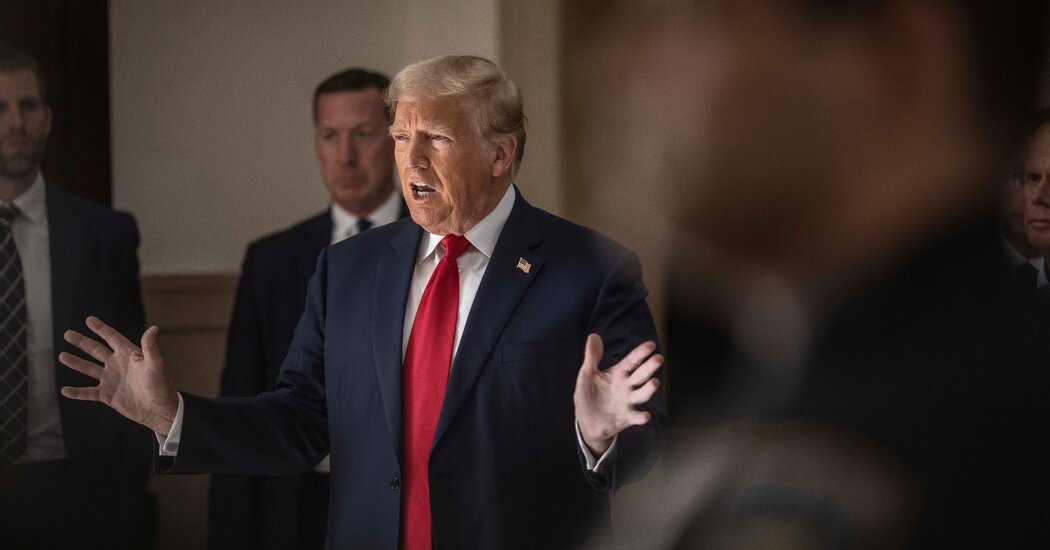
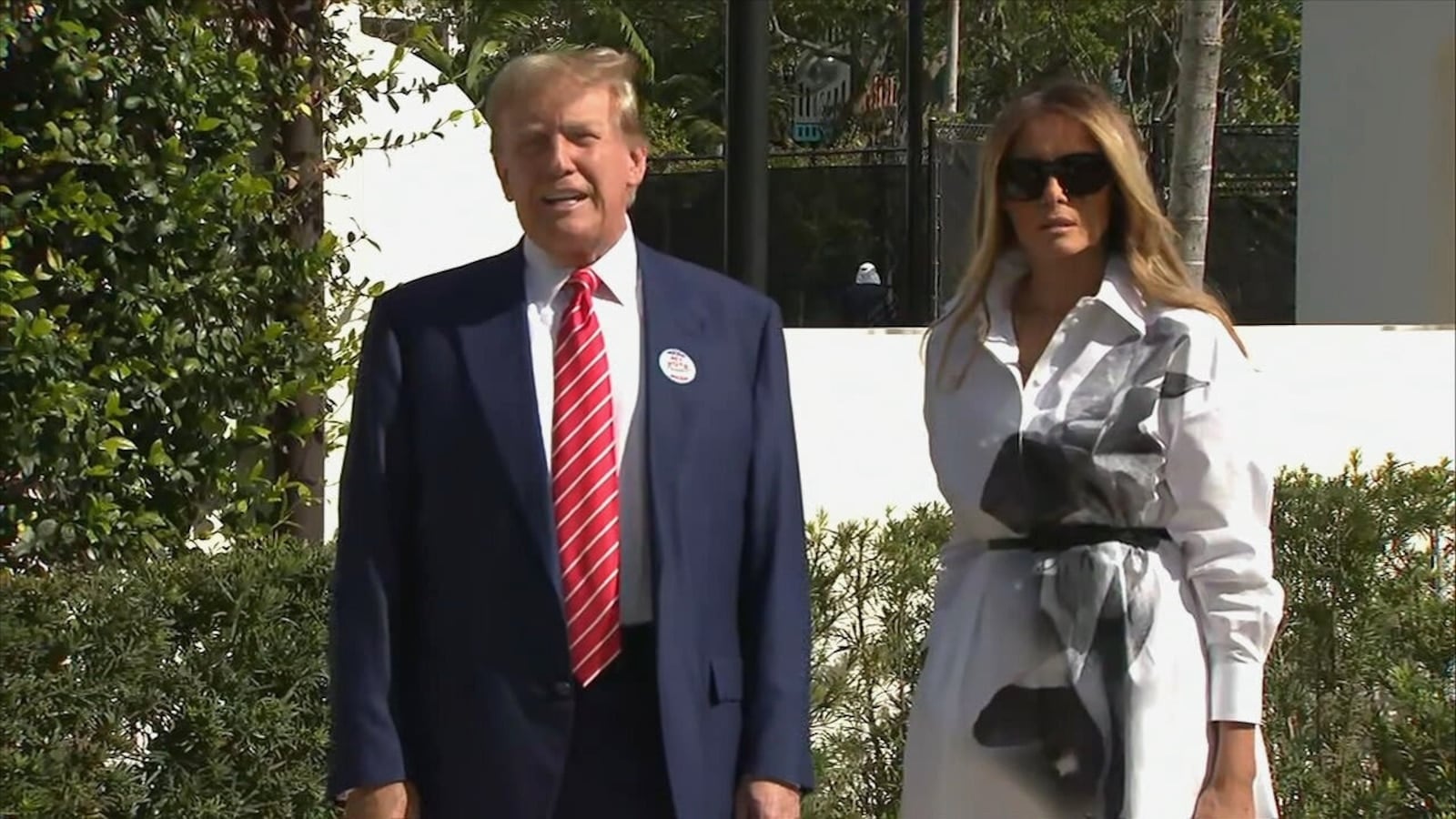
Donald Trump, accompanied by Melania, criticized the jail sentence of Peter Navarro, dismissed the importance of Mike Pence's endorsement, and reiterated his belief that Jewish Americans should not vote for Democrats. He also denounced his New York civil fraud case, made comments about a possible national abortion ban, and reiterated his stance on deporting immigrants in the country illegally. Additionally, in a British TV interview, Trump discussed the controversy surrounding Kate Middleton and expressed admiration for the royal family.
Insurance giant Chubb ended talks with Donald Trump and his co-defendants for a $464 million appeal bond in a civil fraud case, days after providing Trump with a bond in a separate case. Trump's lawyers asked a New York appeals court to pause the judgment before New York Attorney General Letitia James can start to collect on it. Chubb faced scrutiny for underwriting Trump's bond in the separate case and faced backlash for considering real estate as collateral. Trump criticized the requirement to post a large appeal bond, claiming it would force him to sell assets at "fire sale prices."
Donald Trump's lawyers have informed a judge that he is unable to secure a half-billion-dollar appeal bond to stave off efforts to collect a $454 million judgment in his civil fraud case in New York. If he fails to produce the bond by March 25, his properties could be at risk of seizure by the state, and he could face financial disaster and humiliation. This comes amid increased pressure for fundraising as he is the presumptive Republican nominee for president, lagging behind President Biden in campaign funding.
Donald Trump's attorneys claim it's "impossible" to secure a $454 million appeal bond in the New York fraud case against him, as it would require "cash reserves approaching $1 billion." They have approached numerous surety companies but have been unsuccessful in obtaining the bond. The case, brought by New York Attorney General Letitia James, accused Trump and his company of inflating asset values to boost his net worth. The defendants were previously ordered to pay a total of $464 million in damages and interest, with Trump responsible for $454 million.
An appellate court judge in New York has denied Donald Trump’s request to pause a $454m judgment against him as he appeals a fraud case ruling, but he can still direct his real estate empire and apply for loans. Trump must pay the full amount or post bond to halt the ruling, and his attorneys argued that the case falls outside the statute of limitations and represents an unconstitutional violation of his rights. The ruling aligns with what the attorney general sought, and a response brief is due on 11 March.