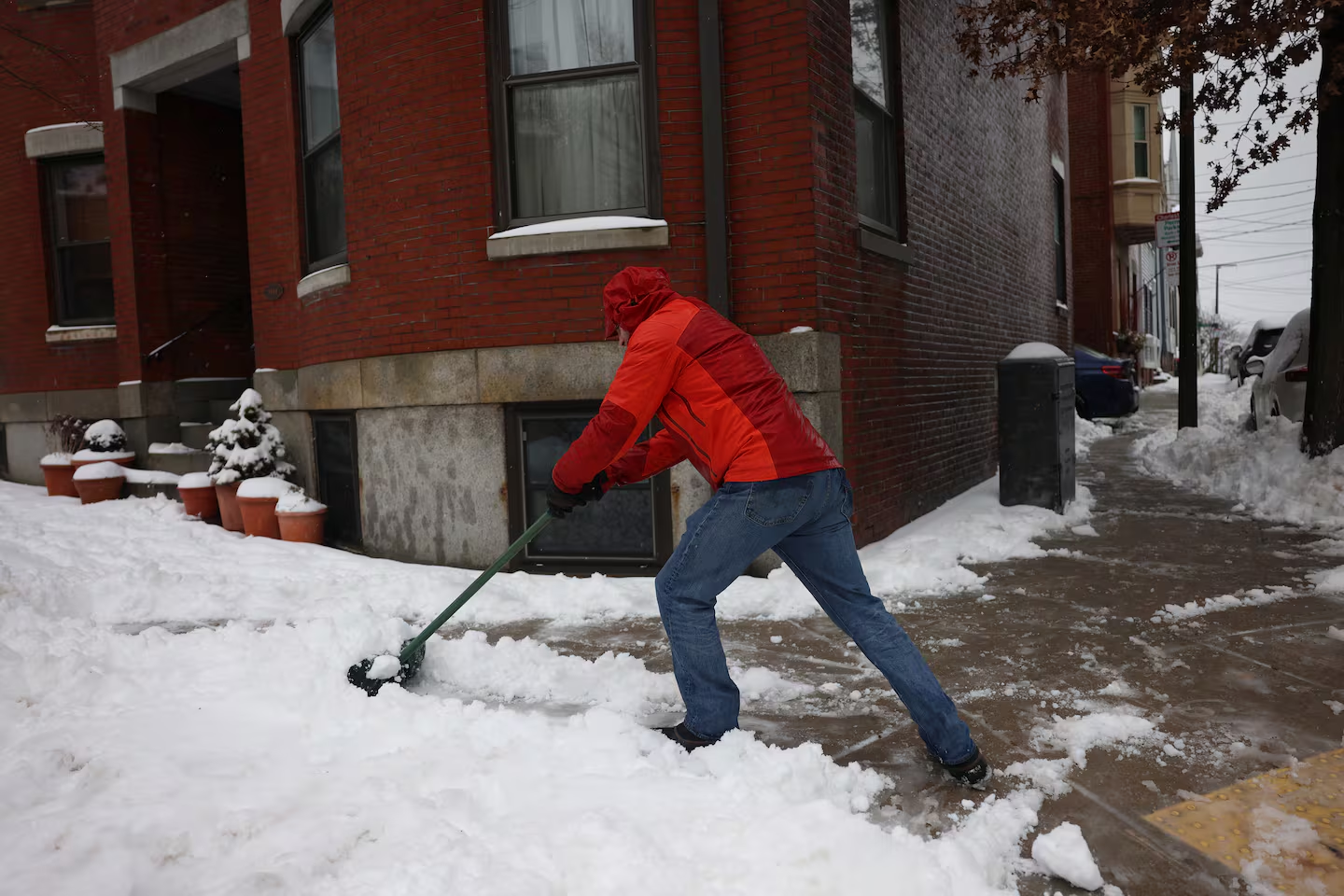
Eversource gas customers in Massachusetts will face a 13% rate increase this winter, starting November 1, which will raise the average monthly bill by about $41.24 for typical usage, pending approval by the Department of Public Utilities.
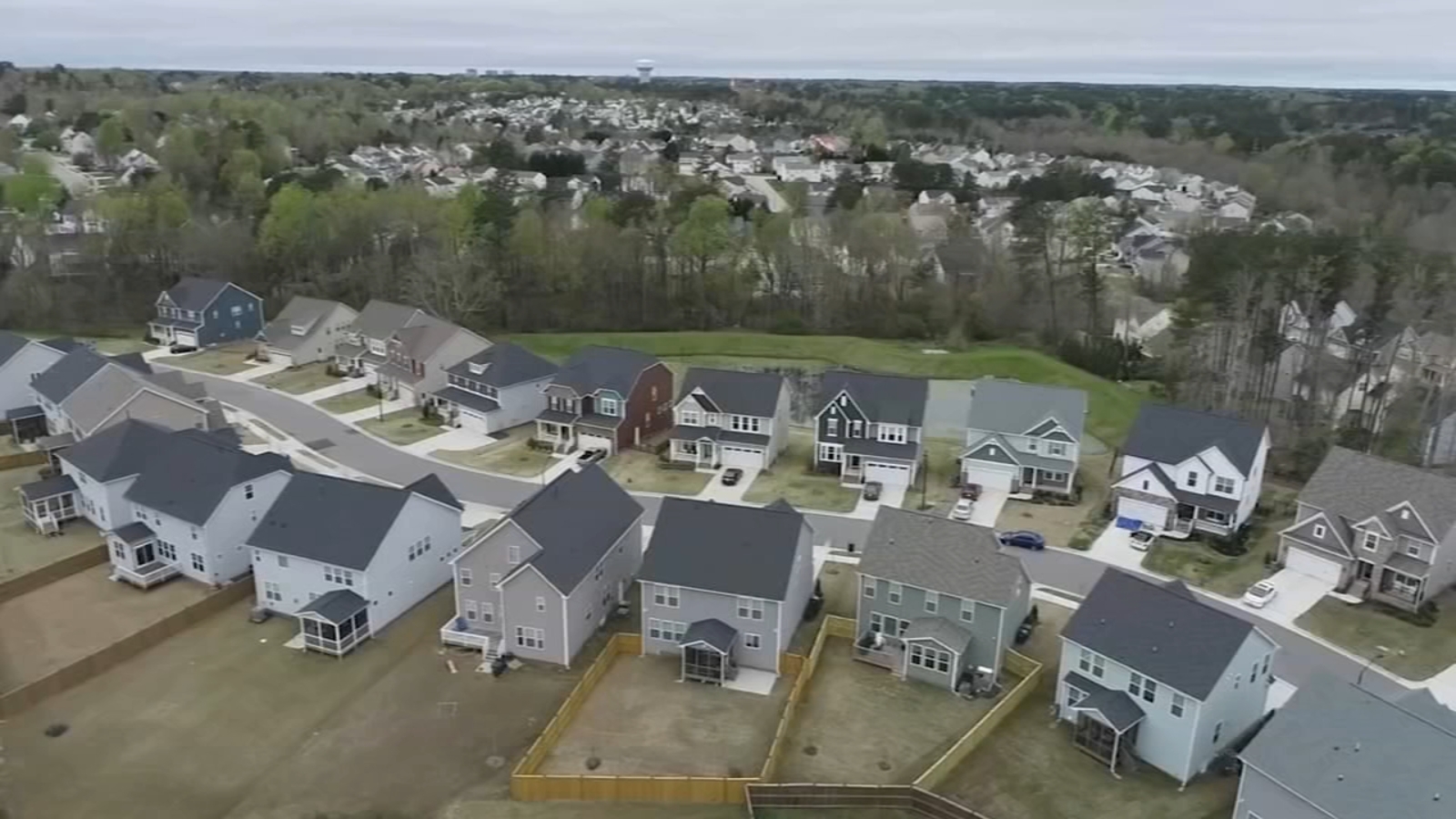
North Carolina Insurance Commissioner Mike Causey announced an average statewide 8% increase in dwelling insurance rates, significantly lower than the 50.6% hike requested by the NC Rate Bureau. The new rate, effective Nov. 1, will vary by territory and applies to non-owner-occupied residences with four or fewer units. Causey emphasized the savings for consumers and the avoidance of a costly hearing, while urging insurance companies to cut expenses and address high executive salaries.
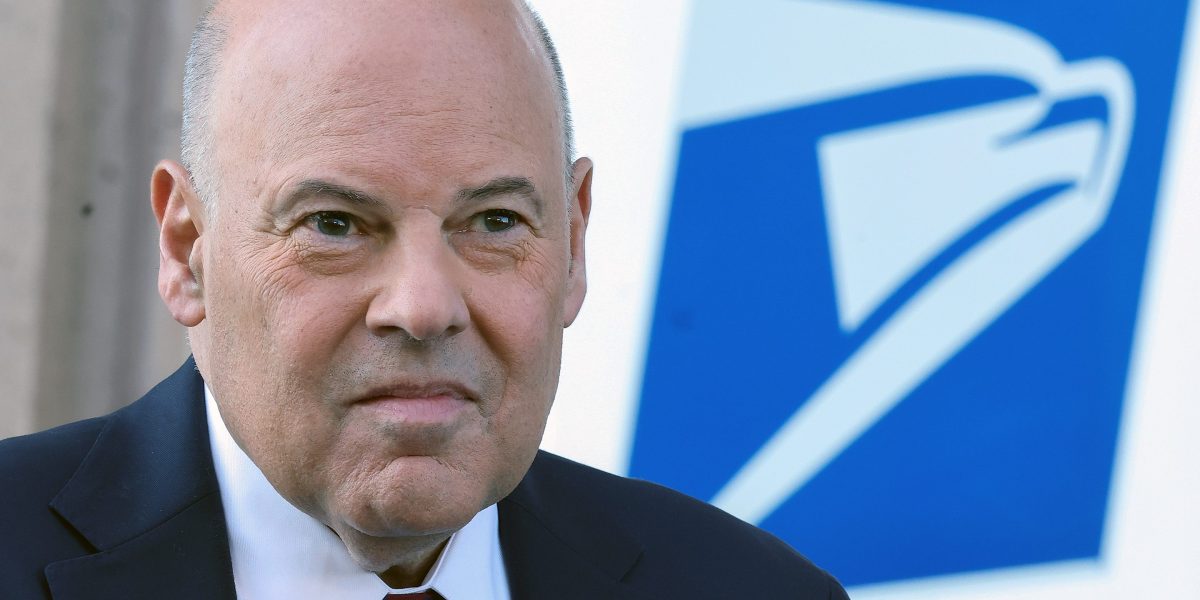
The U.S. Postal Service is planning a 7.8% rate increase, including raising the cost of a first-class stamp from 68 cents to 73 cents, in an effort to achieve financial stability and address what it calls a "defective pricing model." The proposed increase, if approved by the Postal Regulatory Commission, would take effect on July 14 and also includes adjustments to special services such as money order fees and certified mail, while keeping post office box rental prices unchanged and reducing postal insurance fees by 10%.
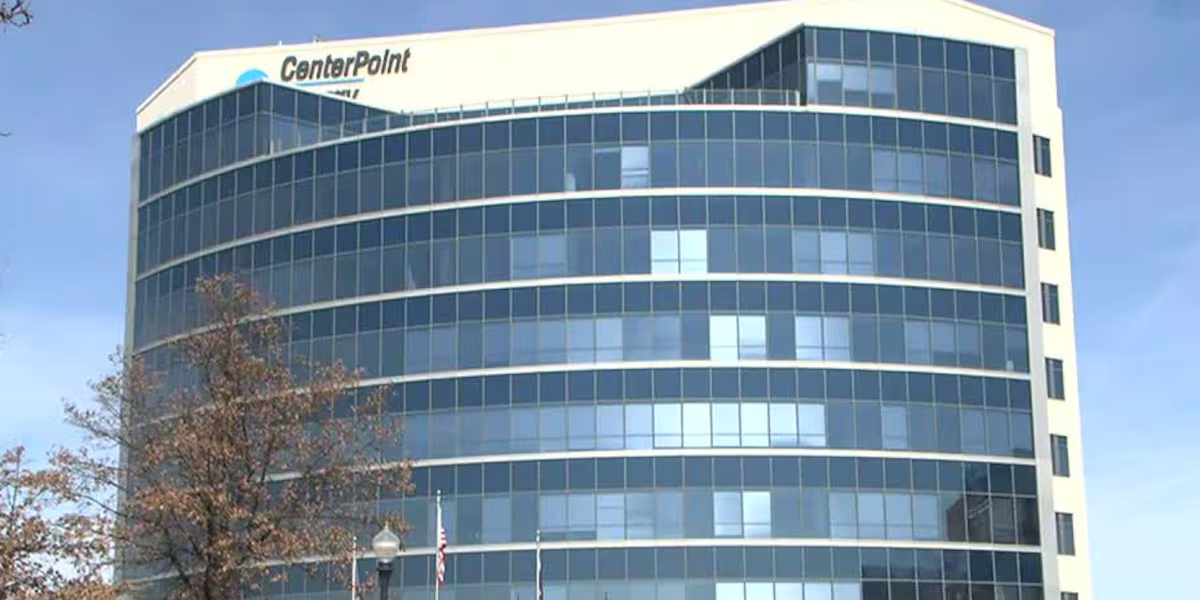
The Indiana Office of Utility Consumer Counselor (OUCC) is recommending a significant reduction to CenterPoint Energy Indiana’s proposed $118.8 million (16%) base rate increase, suggesting an increase of $33.1 million (4.5%) instead. The recommendation follows testimonies from thirteen OUCC witnesses and extensive community engagement, with specific proposals to maintain customer service charges, decrease the utility’s authorized return on equity, and implement consumer protections. CenterPoint Energy's rebuttal testimony is due on Apr. 9, 2024, with a final order from the Indiana Utility Regulatory Commission expected in the fall.
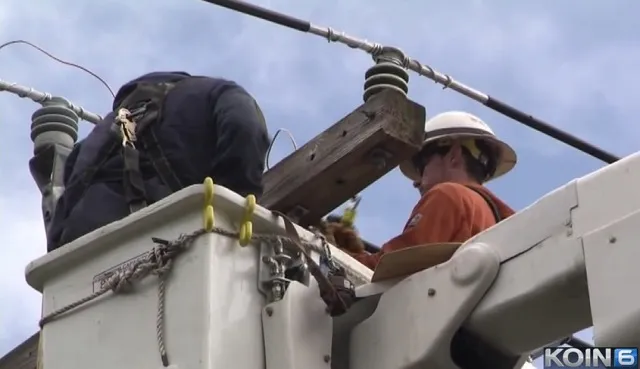
Portland General Electric has filed a request for a 7.4% rate increase in 2025 to support investments in local battery energy storage systems, following a 17% rate increase approved for this year. The request is now under review by the Oregon Public Utility Commission, which will conduct a 10-month review process. PGE has also expanded its income-based discount program, offering up to 60% discounts to eligible customers, and has seen a 65% growth in program enrollment since 2022. The rate hike request comes after PGE suffered a $30 million loss from a January 2024 ice storm, prompting concerns from consumer advocates about the impact of multiple rate increases on customers.
Portland General Electric has requested a rate review with the Oregon Public Utility Commission, seeking a 7.4% rate increase in 2025 to fund investments in battery storage and infrastructure improvements. This comes after recent rate hikes, totaling over 42% since 2021. Customers are feeling the financial strain, with rising utility costs adding to existing financial pressures. The utility company serves over 930,000 customers in Oregon, and while it offers rebates and incentives for energy efficiency, the proposed rate increase has sparked concerns about affordability.
Eversource, Connecticut's largest electrical utility, has filed for a rate increase that could raise the average household bill by $38 a month, attributing the spike to a 2019 state deal with Dominion Energy and initiatives adopted during the COVID pandemic. The company has proposed solutions to shield customers from "rate shock," including phasing in the potential rate increase over time and changing the ratemaking methodology to forecast costs and avoid future issues.
Two private insurance companies in Florida, Castle Key Insurance and Amica Mutual Insurance Company, are seeking approval for average rate increases of over 53% for specific types of policies, such as condo owner and dwelling fire policies. The companies attribute the proposed hikes to severe storm losses, increased rebuilding costs, and inflation. Despite recent property insurance reforms, Florida continues to have the highest home insurance rates in the US. Public hearings will be held to review the rate increase requests.
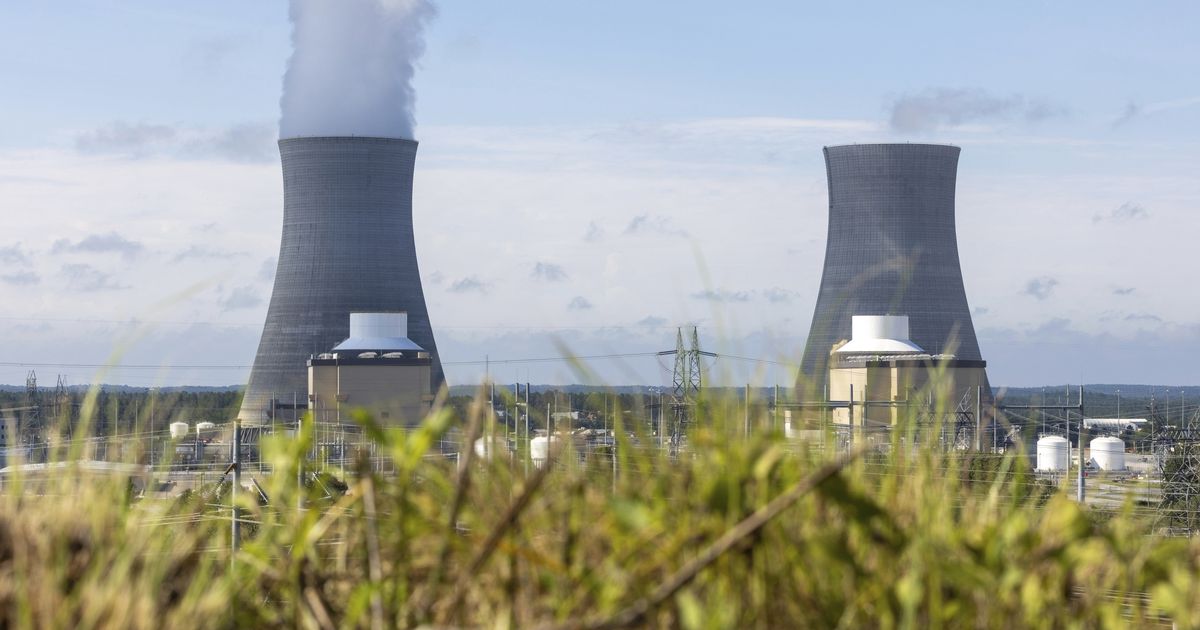
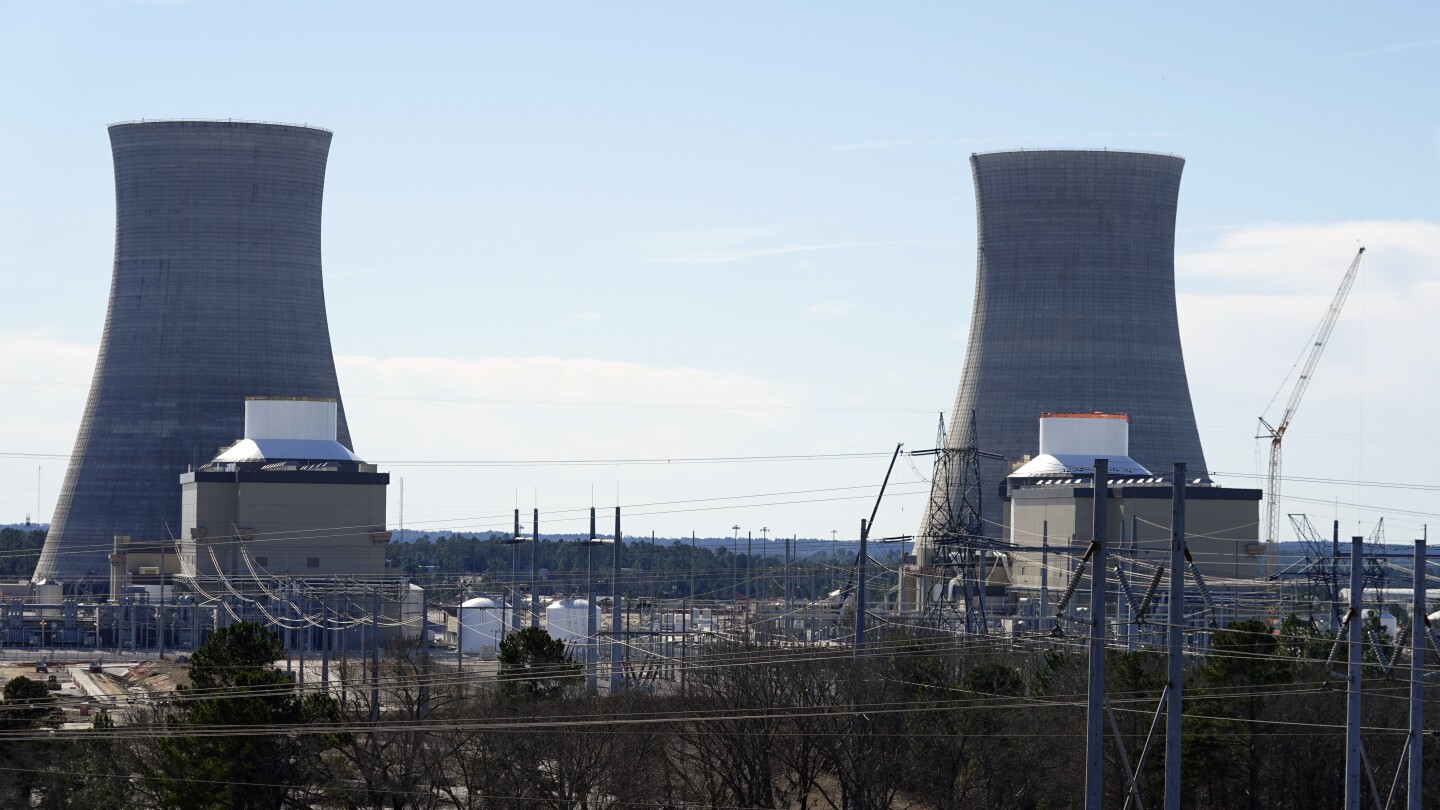
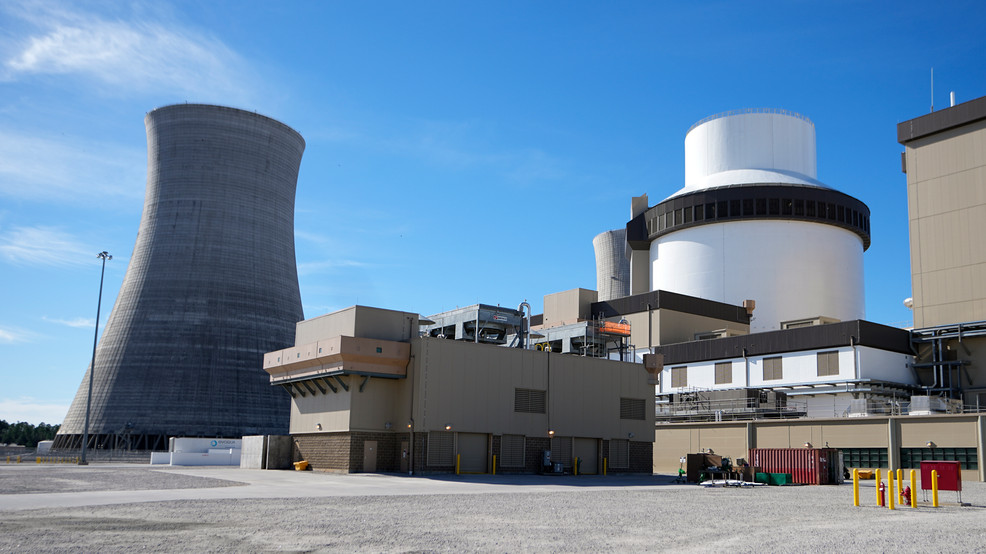
The Georgia Public Service Commission (PSC) has approved a plan that will pass most of the costs for the completion of Plant Vogtle's two new nuclear reactors onto Georgia Power customers. The decision allows Georgia Power to charge ratepayers for $7.56 billion of the $10.2 billion expected to be spent on the project, resulting in another rate increase of about 6% for residential customers. The approval comes after years of budget overruns and delays, with the total cost of the project now estimated at $35 billion. Critics argue that ratepayers would have been better served by investing in natural gas plants instead.
The Georgia Public Service Commission has unanimously approved a 6% rate increase to cover the remaining costs of Georgia Power Co.'s Plant Vogtle nuclear reactors, amounting to $7.56 billion. The rate increase is expected to add $8.95 per month to a typical residential customer's bill and will take effect once Unit 4 begins commercial operation, projected for March. The total cost of the project, including previous cost overruns and payments from the original contractor, is estimated to be around $35 billion. The approval comes after years of debate and could potentially discourage utilities from pursuing nuclear power due to the high costs involved.
The Georgia Public Service Commission has unanimously approved a 6% rate increase to cover the remaining $7.56 billion in costs for Georgia Power Co.'s Plant Vogtle, which includes the construction of two new nuclear reactors. The rate increase is expected to add $8.95 per month to a typical residential customer's bill. The approval marks the final accounting for Georgia Power's portion of the project, which is projected to cost a total of $31 billion. The reactors, Units 3 and 4, are the first new American reactors built in decades and are expected to begin commercial operation in March. Critics argue that the high cost of the project may discourage utilities from pursuing nuclear power.
The Illinois Commerce Commission has rejected ComEd's four-year grid improvement plan and slashed its proposed $1.47 billion rate increase, while also turning down an emergency motion by Peoples Gas to restore $134 million of disallowed pipeline infrastructure funding for 2024. The decisions will hold down rate increases for Chicago-area gas and electric customers entering 2024, while putting more pressure on the utilities to justify infrastructure improvements going forward. The rulings reflect a shift towards a more consumer-friendly approach and a focus on accountability, as the state aims to accelerate its transition to clean energy.
The California Public Utilities Commission has unanimously approved PG&E's request to increase its rates, with the majority of the funding going towards safety improvements such as underground power lines to reduce the risk of wildfires. Many PG&E customers are unhappy with the increase, citing the additional financial burden. The average electric bill for a non-CARE residential customer on the Central Coast will increase by $22 next year, with additional increases in subsequent years. Despite the frustration, some customers understand the need for the rate increase to fund necessary improvements. The rate increase will take effect on January 1.
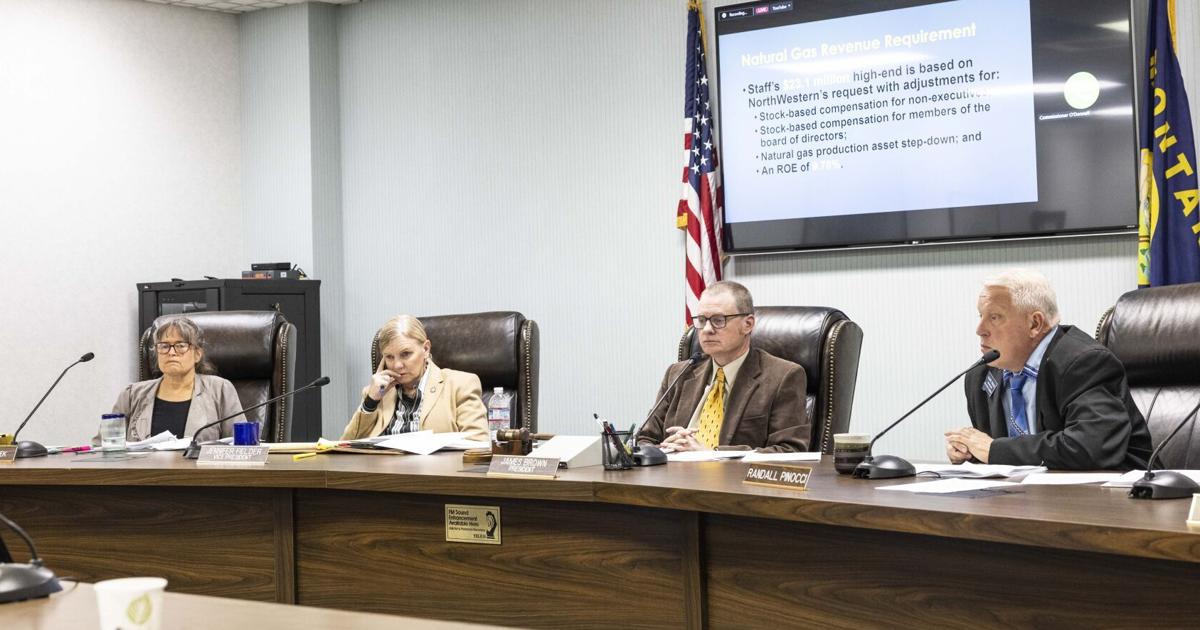
Montana regulators have approved a rate increase of up to 28% for residential and small business customers of NorthWestern Energy, the state's largest monopoly utility. The increase, which has been incrementally rising since August 2022, is attributed to infrastructure investments and taxes. The approval has sparked criticism from customers who argue that residential and small business customers are facing higher rate hikes compared to large businesses. The rate increase does not include the cost of NorthWestern's newly constructed gas-fired power plant, which will be billed separately next year. Other Montana utilities, such as Montana Dakota Utilities, have also recently increased rates.
Evergy has reached an agreement with the Kansas Corporation Commission (KCC) on a rate increase proposal, resulting in a 4.05% increase for Evergy Kansas Central customers and a 4.75% decrease for Evergy Kansas Metro customers. The settlement represents a net increase of $74 million for the former and a net decrease of $32.9 million for the latter. Evergy initially requested a higher rate hike, but the KCC staff determined that a lower increase and a decrease were more appropriate. The agreement allows Evergy to recover investments in improving the electric grid while maintaining regional rate competitiveness.