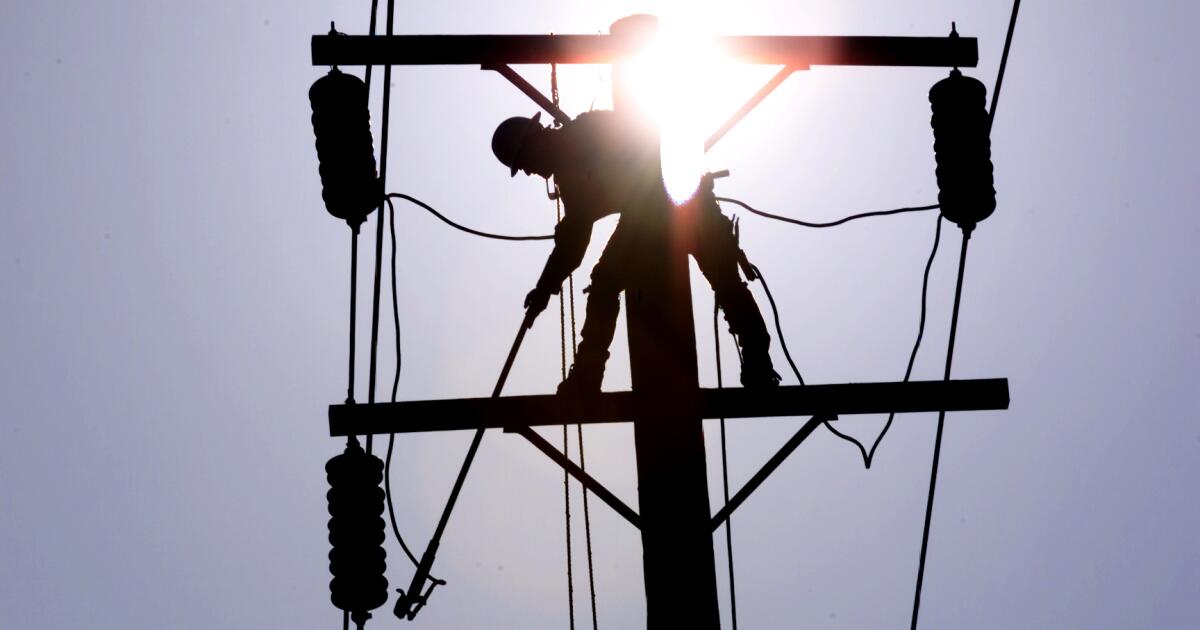
The California Public Utilities Commission voted to maintain high profit margins for utilities like Southern California Edison, despite consumer protests over rising electric bills and claims that these profits are inflated. The decision slightly reduces the utilities' return on equity, but customers will see little immediate impact as infrastructure costs continue to rise. Consumer groups argue that the profits are excessive and advocate for lower returns to reduce energy costs for Californians.
The California Public Utilities Commission is proposing a monthly fixed fee of $24.15 for around 11 million customers of the state’s major utility companies, aiming to shift from energy-based to income-based rates. While lower-income households may see lower overall costs, higher-income customers in cooler regions could pay more. The proposal, which could be approved in May, aims to incentivize energy-efficient technology adoption but faces opposition from some lawmakers and members of Congress.
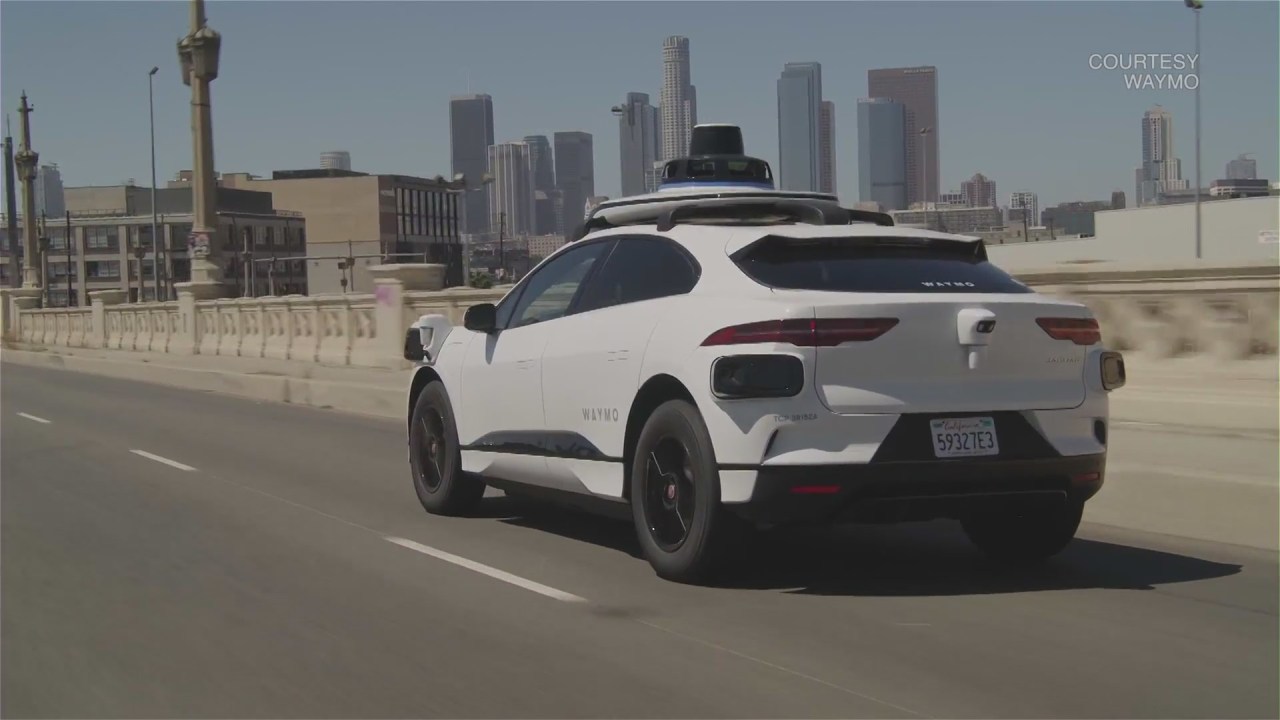
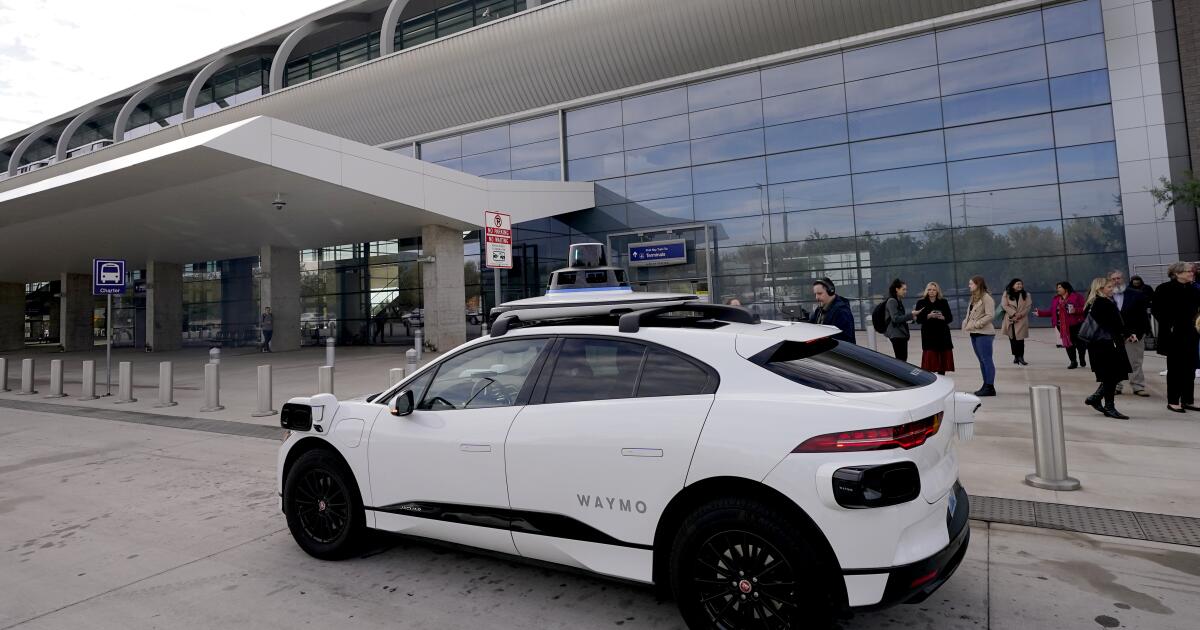
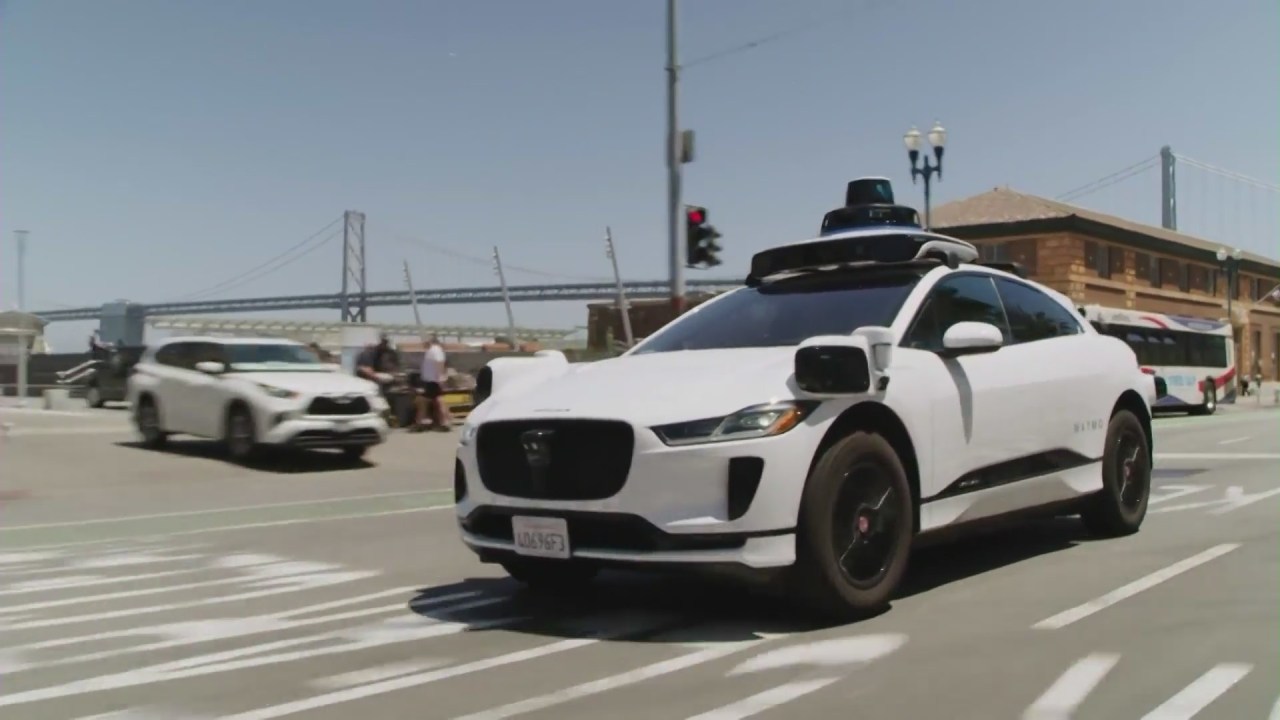
Waymo has received approval from the California Public Utilities Commission to launch its robotaxi service in Los Angeles and San Mateo counties in the coming months, allowing the company to operate autonomous vehicles to carry passengers. While Waymo plans to take a careful and incremental approach to expansion, some local officials, including L.A. Mayor Karen Bass and L.A. County Supervisor Janice Hahn, have expressed opposition to the decision, citing concerns about the safety and impact of the driverless vehicles on the city.
Waymo has been cleared by the California Public Utilities Commission to launch its driverless taxi service in Los Angeles and San Mateo counties, despite opposition from local officials and concerns about safety and regulation. The decision allows Waymo, owned by Alphabet, to expand its autonomous vehicle operations, although the company has faced skepticism and vandalism. Some officials and organizations have expressed worries about the deployment of untested autonomous vehicles, while others have supported the expansion. The approval comes amid ongoing debates about the regulation and oversight of self-driving cars in California.
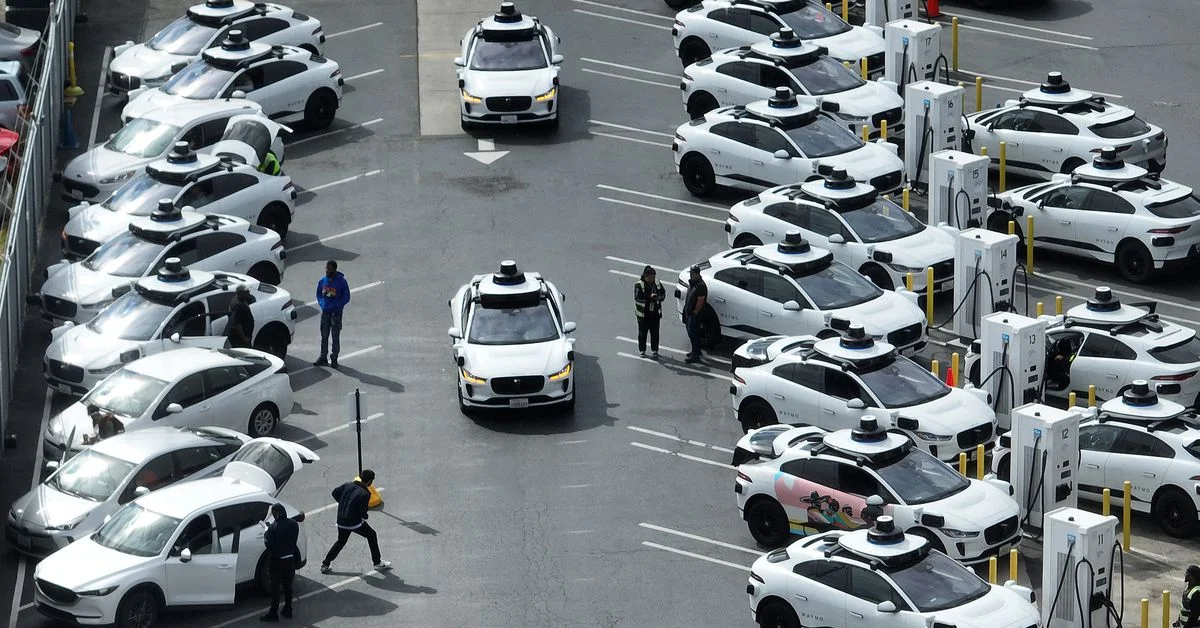
Waymo has received approval from the California Public Utilities Commission to operate a commercial robotaxi service in Los Angeles, the San Francisco Peninsula, and on San Francisco freeways, allowing the company to charge for rides in these expanded areas. The approval opens up new territory for Waymo in one of the country’s largest cities and unlocks a route to San Francisco International Airport. Waymo has already been operating a commercial service in San Francisco and providing free driverless rides in parts of Los Angeles. The company's co-CEO mentioned that more than 15,000 people have used the service in Los Angeles, with 50,000 people on the waitlist, and suggested that they would expand the service before starting to charge for rides.
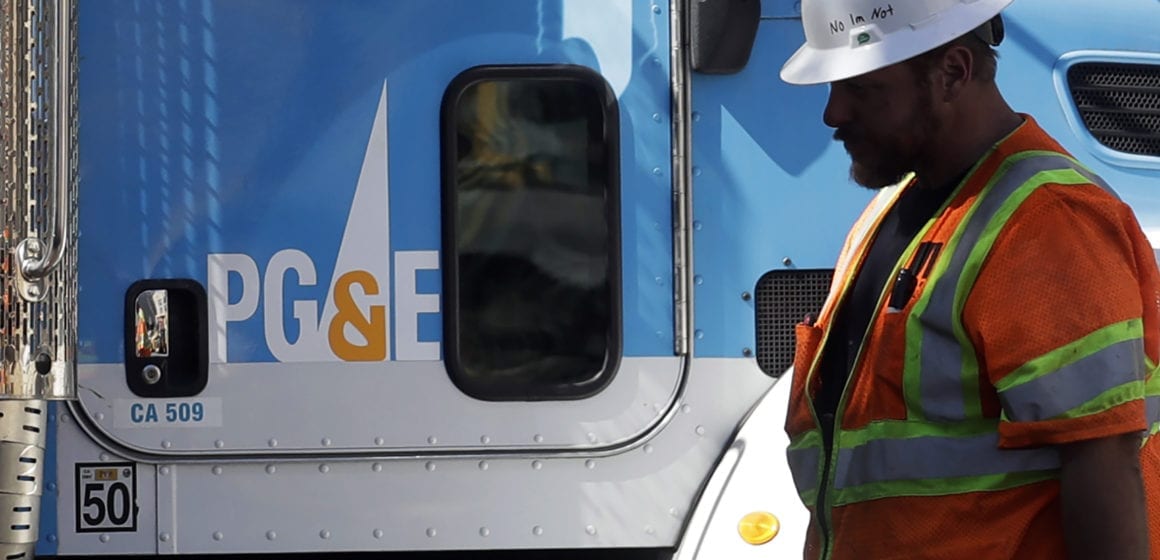
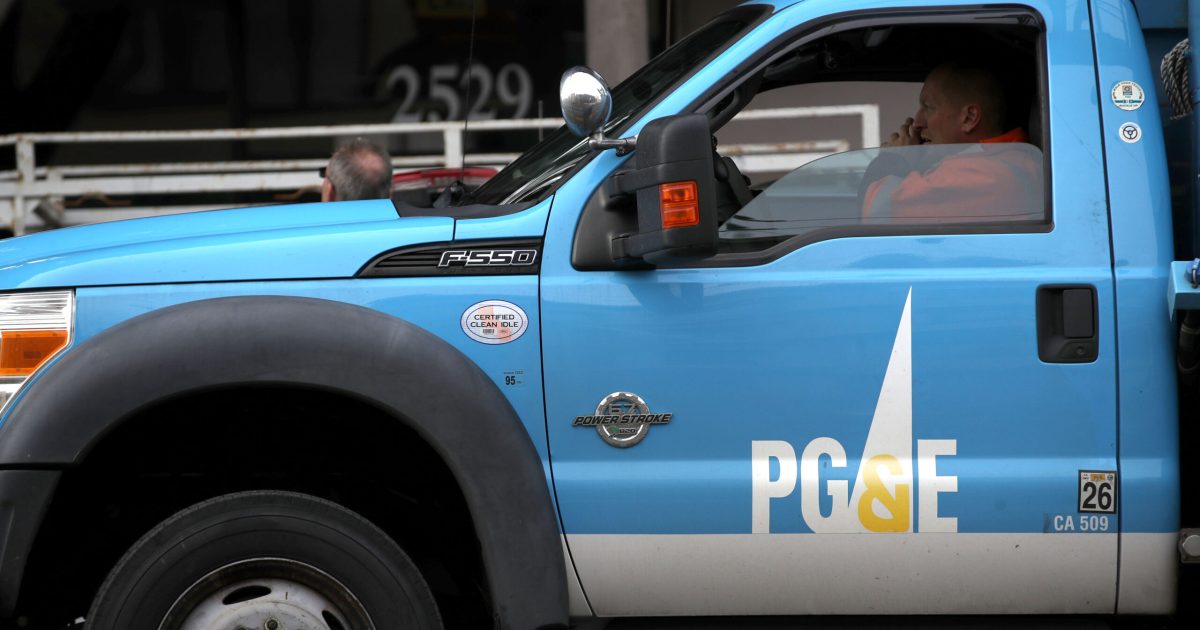
PG&E's reported profit of $2.24 billion for 2023 has sparked frustration among customers who have experienced significant rate hikes, with some considering leaving California due to the financial strain. Critics are calling for the California Public Utilities Commission to intervene and cap annual rate increases, emphasizing the disparity between record profits for shareholders and high bills for ratepaying customers as "outrageous and unacceptable."
The California Public Utilities Commission has suspended Waymo's plans to expand its self-driving taxi services in Los Angeles County and Silicon Valley for up to 120 days, citing public safety concerns and the need for a staff review. Local officials have raised issues such as Waymo vehicles blocking firehouse driveways and failing to stop for traffic officers. Waymo had begun offering rides in parts of L.A. County last year and had sought authorization for local regulation of self-driving vehicles. The company claims to have reached out to various stakeholders before expanding its service area.
AT&T has applied to end its landline phone obligations in California, drawing protest from residents and state officials. The California Public Utilities Commission is considering AT&T's request, with over 2,100 comments opposing the plan. Residents stress the importance of landlines for emergency services, especially in areas with no cell service. AT&T disputes claims that low-income households could see their bills double and that it intends to shut down its telephone network, stating that it will continue to offer basic telephone service unless it obtains necessary permission to stop.
Pacific Gas & Electric (PG&E) has filed an application with the California Public Utilities Commission requesting an additional $2 billion from rate payers, citing safety reasons and the need for wildfire risk mitigation. This comes just after the approval of a rate hike that will add $30 to monthly bills. Critics argue that this is another example of PG&E gouging Californians, as the company is asking for more money before any incidents have occurred. Watchdog agency The Utility Reform Network is working with legislators to impose limits on PG&E's price hikes.
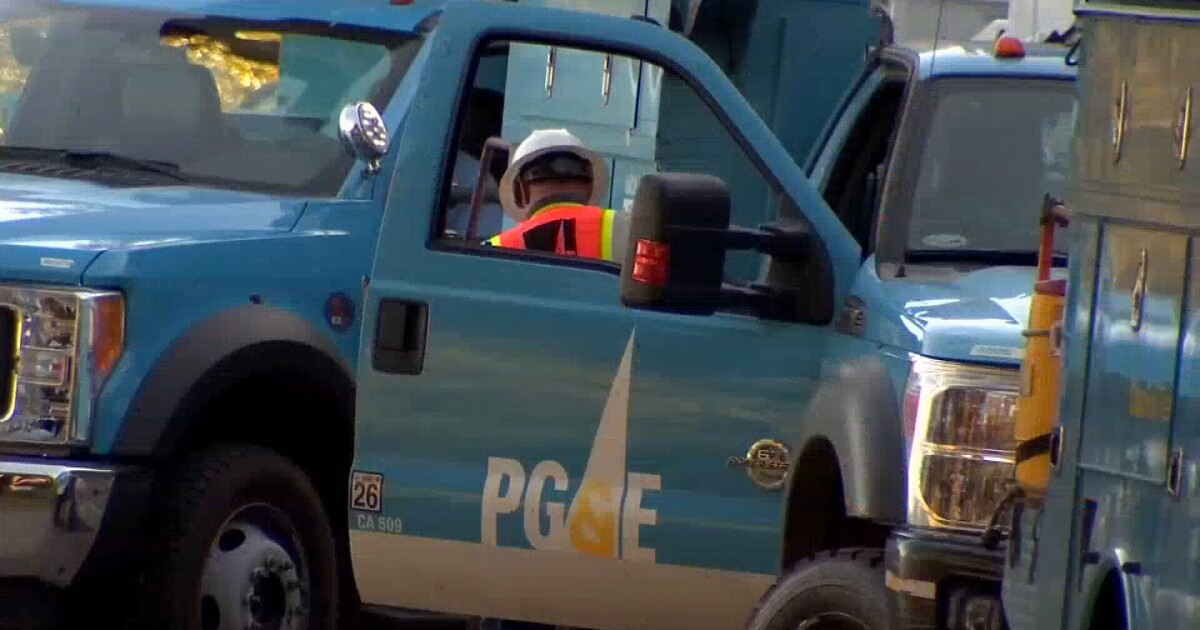
PG&E is seeking another rate hike of $2 billion from its customers to cover costs related to wildfires and other disasters, just weeks after receiving an 11% increase approved by the California Public Utilities Commission. This could result in an additional $12 to $20 on monthly bills as early as March. The Utility Reform Network is advocating for a cap on utility rate increases, as PG&E's rates will have increased by 59% in a four-year period. Fresno Mayor Jerry Dyer expressed concern about the impact on struggling families and called for discussions on how to address the issue. PG&E wants to start collecting the additional funds in March, even before the PUC decides on the request.
The California Public Utilities Commission has unanimously approved PG&E's request to increase its rates, with the majority of the funding going towards safety improvements such as underground power lines to reduce the risk of wildfires. Many PG&E customers are unhappy with the increase, citing the additional financial burden. The average electric bill for a non-CARE residential customer on the Central Coast will increase by $22 next year, with additional increases in subsequent years. Despite the frustration, some customers understand the need for the rate increase to fund necessary improvements. The rate increase will take effect on January 1.
Power bills for about 16 million people in Northern California are likely to increase as the California Public Utilities Commission released two rate proposals for Pacific Gas & Electric (PG&E). The proposals would increase PG&E's revenue by a maximum of 13%, far less than the 26% initially requested by the company. PG&E had sought the rate increases to fund burying power lines and reduce the risk of wildfires. However, the commission's proposals suggest insulating power lines as a faster and cheaper alternative. The Utility Reform Network argues that the proposed rate increases go beyond the cost of inflation and should be capped. The commission is set to consider the proposals on November 2nd.
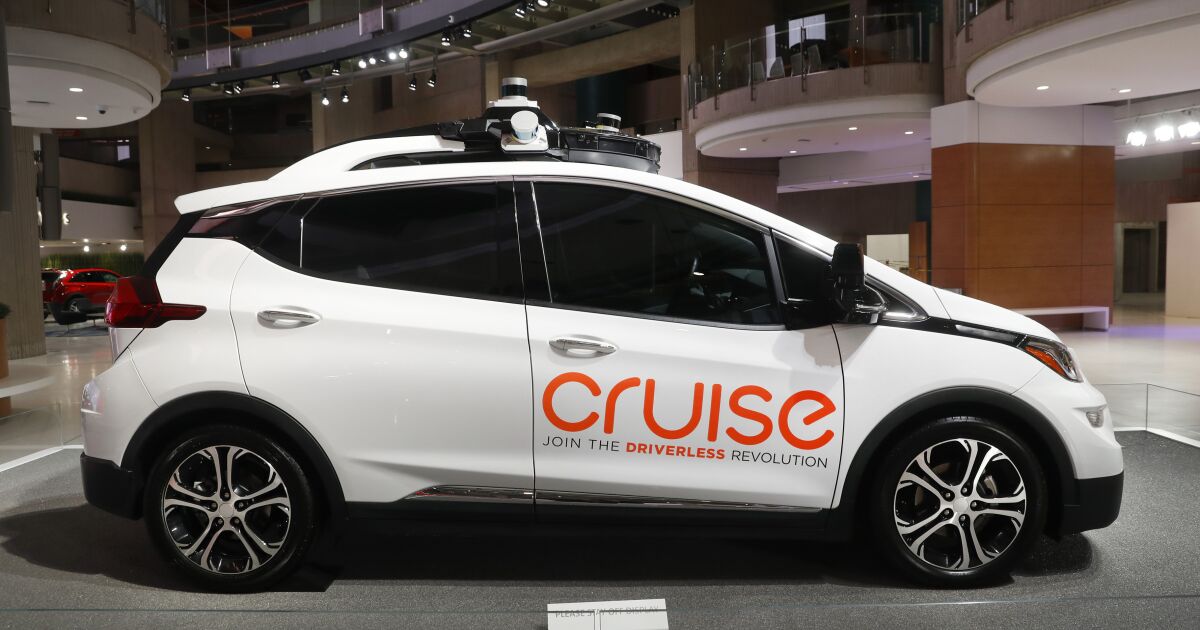
A long line of Cruise driverless taxis caused traffic chaos in San Francisco's North Beach district, blocking streets and leaving human-driven cars stranded. The incident occurred just a day after California approved a major expansion of driverless robotaxis in the city. Cruise blamed cell phone carriers for the problem, while city officials, including San Francisco's fire department, have expressed concerns about the safety of robotaxis interfering with emergency responders. Despite opposition, the California Public Utilities Commission voted to allow the expansion, prompting city officials to explore options to reverse the decision.
The California Public Utilities Commission (CPUC) is set to vote on whether to allow Cruise and Waymo, the main autonomous vehicle companies in San Francisco, to expand their paid ride-hailing services to operate 24/7. City officials have been urging the state to delay the vote, citing incidents where autonomous vehicles have caused traffic disruptions and obstructed emergency vehicles. The companies have defended themselves, stating that they are working with city officials to address concerns. However, some residents have expressed safety and privacy concerns, with an activist group calling for disabling robotaxis by placing traffic cones on their hoods. The vote represents a significant regulatory moment for autonomous vehicles in the US.