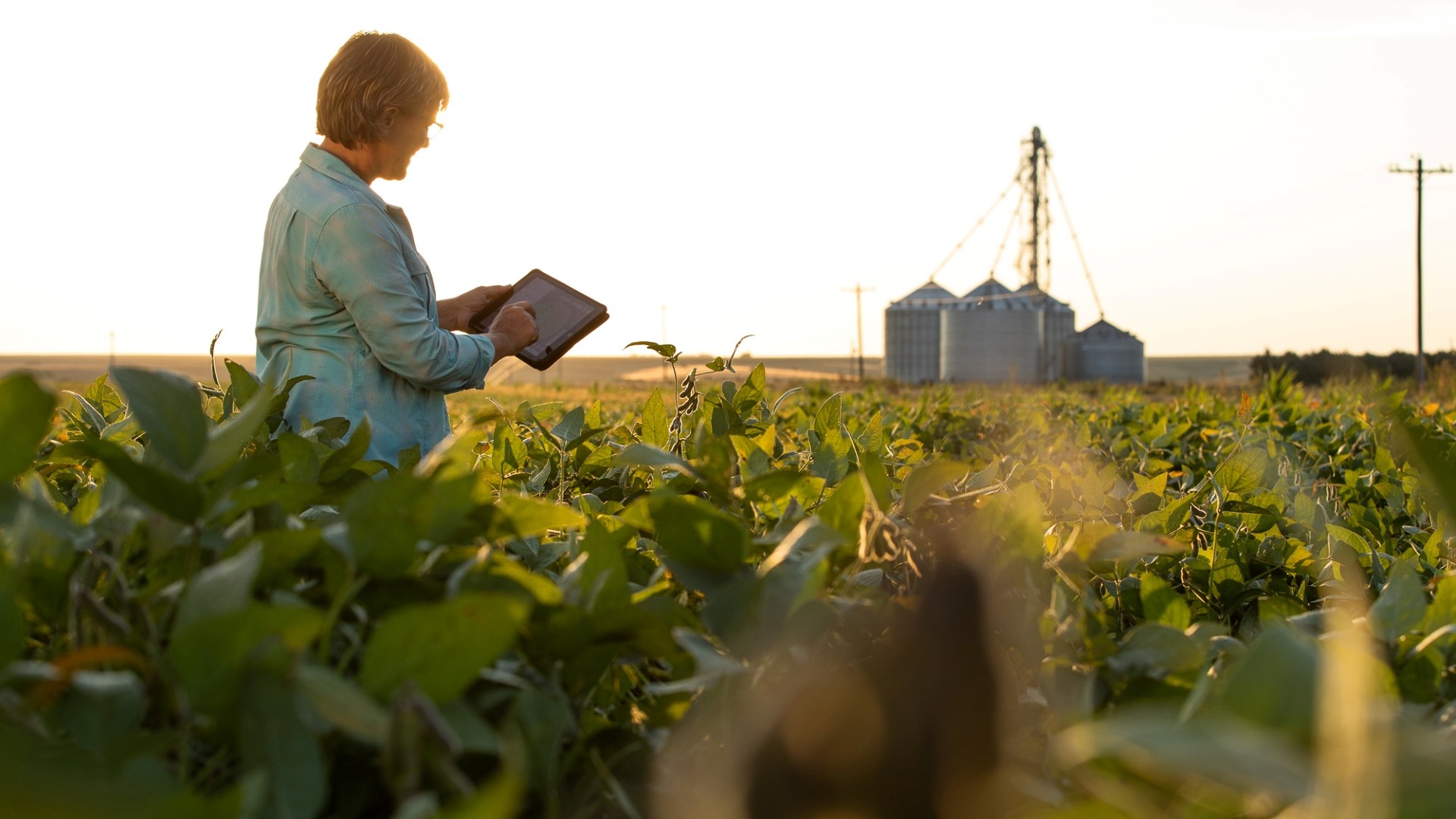
The USDA announced a $12 billion aid package for U.S. farmers, primarily distributing $11 billion in one-time payments based on crop type and acreage, with rice and cotton farmers receiving the highest per-acre payments. While intended to support farmers amid low crop prices and trade disruptions, soybean farmers argue the aid is insufficient to cover their losses, highlighting ongoing challenges in the agricultural sector.
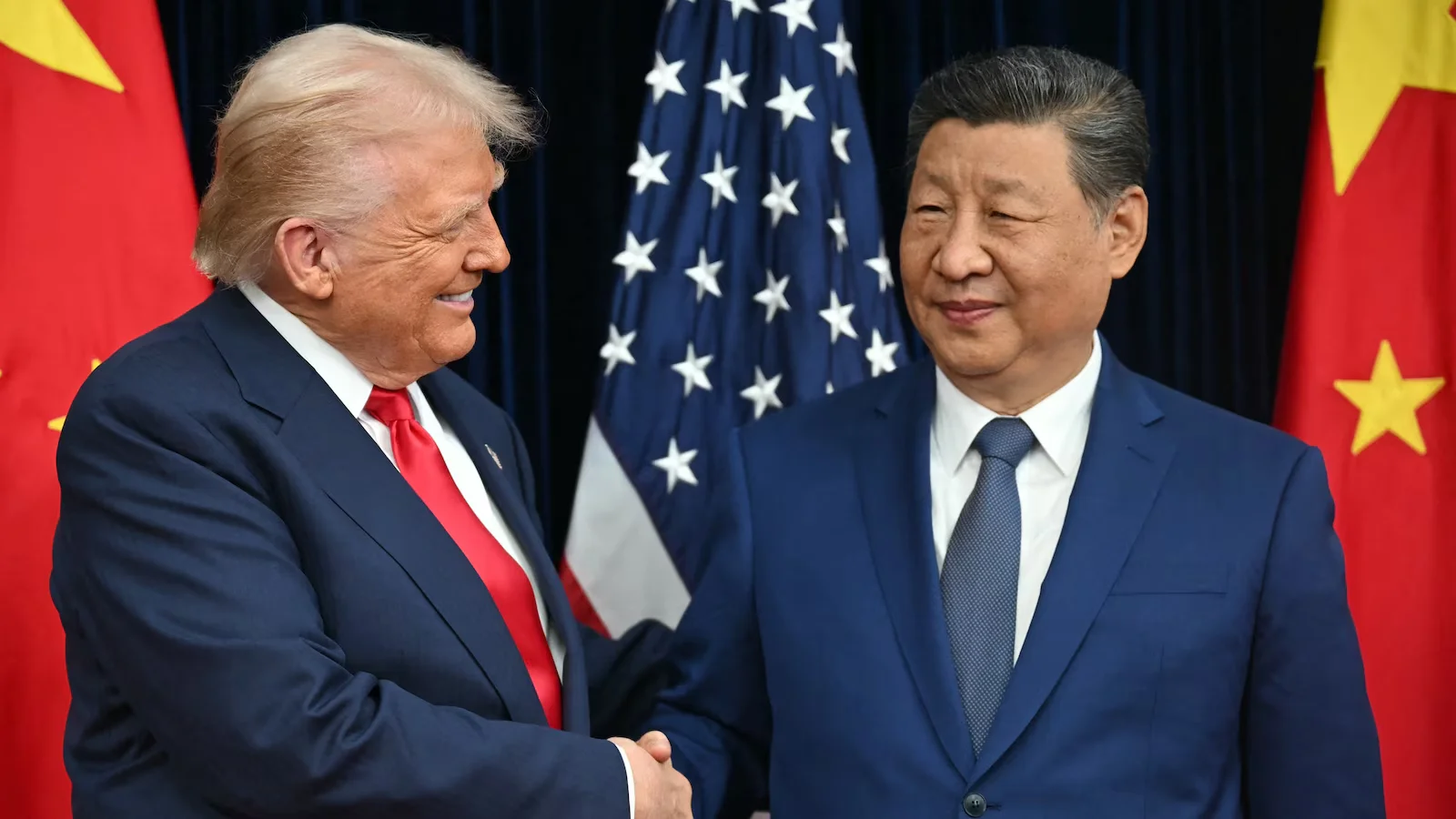
A short-term US-China trade agreement has been reached, easing tensions by reducing tariffs, delaying restrictions on rare earth minerals, and promising increased Chinese purchases of US soybeans, with potential implications for TikTok's future ownership and broader economic sectors.
Originally Published 2 months ago — by Rolling Stone
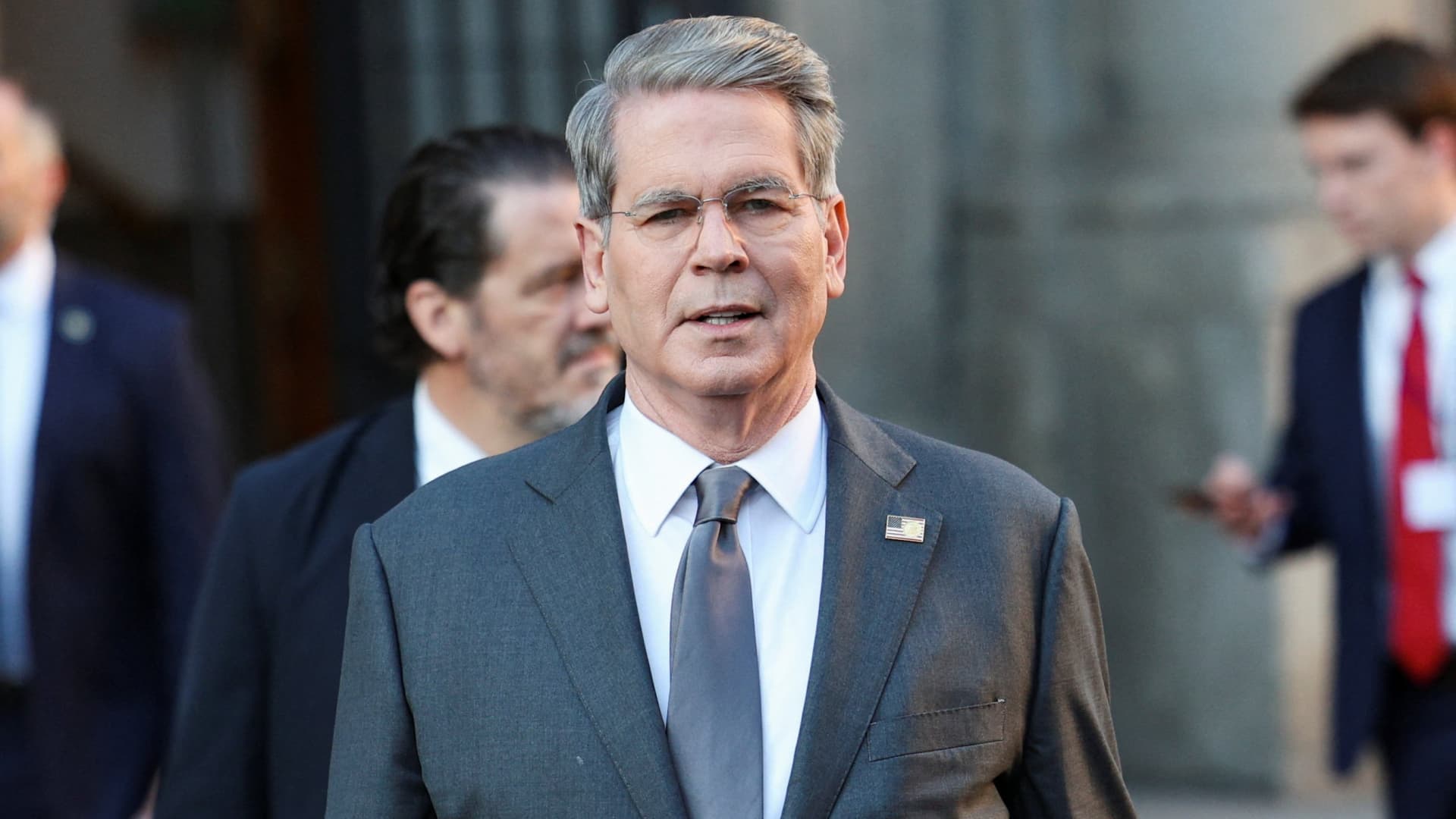
Scott Bessent, a wealthy former hedge fund manager and landlord, claims to understand soybean farmers' pain due to tariffs that have hurt U.S. soybean exports to China, despite not being a farmer himself. His holdings and partial failure to divest from assets raise ethical concerns amid ongoing trade negotiations and political scrutiny.
Treasury Secretary Scott Bessent, who owns soybean farmland, expressed personal pain over China's refusal to buy US soybeans during trade conflicts, but recent negotiations with China have led to a framework that may alleviate farmers' concerns, signaling potential positive developments for US soybean farmers.
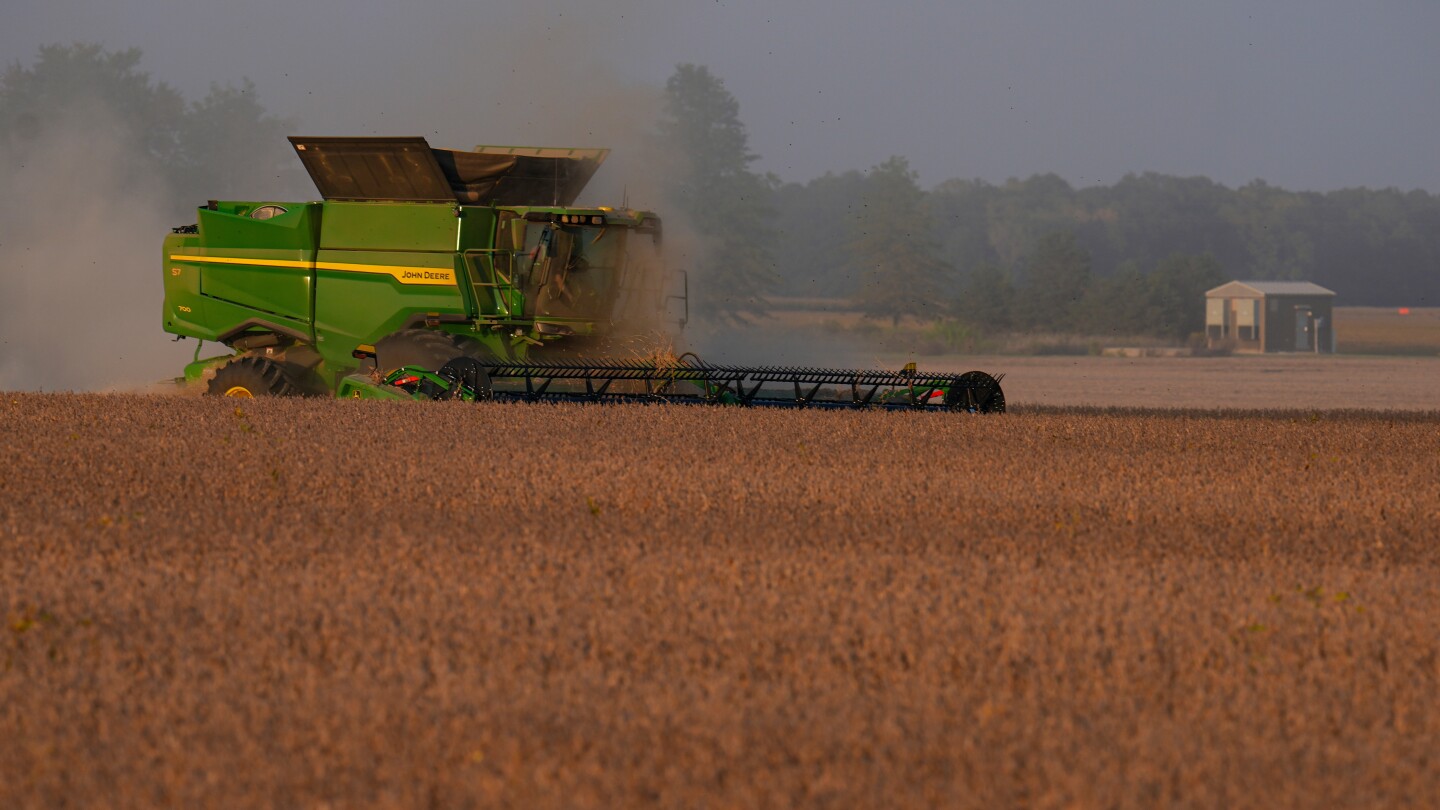
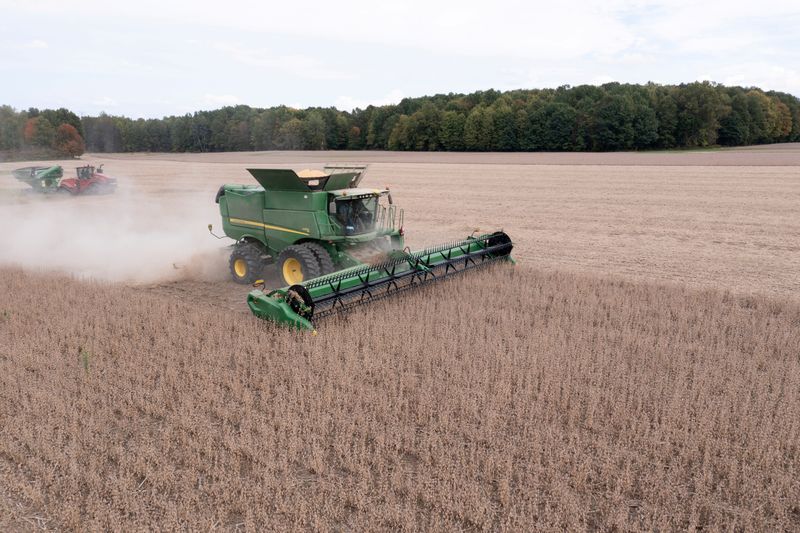
Maryland soybean farmers are facing significant challenges due to the US-China trade war, which has led to canceled orders, lower prices, and a surplus of soybeans, threatening their livelihoods and highlighting the broader impact of tariffs and trade disputes on American agriculture.
President Trump plans a significant aid package for U.S. soybean farmers affected by China's boycott of American soybeans amid ongoing trade tensions, while still seeking a trade deal with China, which is crucial for U.S. agriculture and exports.
The article criticizes Trump's trade policies, highlighting how his actions have devastated American soybean exports to China, leading to economic hardship for U.S. farmers, while Argentina and Brazil benefit from increased market share and government support, effectively betraying American agricultural interests.
U.S. soybean farmers are frustrated as Argentina receives economic support from the U.S. and China, leading to a drop in U.S. soybean exports and market share, especially to China, due to Argentina's export tax suspension and strengthened trade ties with China, which undermines U.S. farmers during their harvest season.
U.S. soybean farmers are frustrated as Argentina receives economic support from the U.S. government and strengthens trade with China, leading to a decline in U.S. soybean exports and prices, with long-term impacts on rural communities and market share.