Tag

Radioactive Water

All articles tagged with #radioactive water

international-relations1 year ago

Japan and China Experts Meet to Address Fukushima Treated Water Concerns

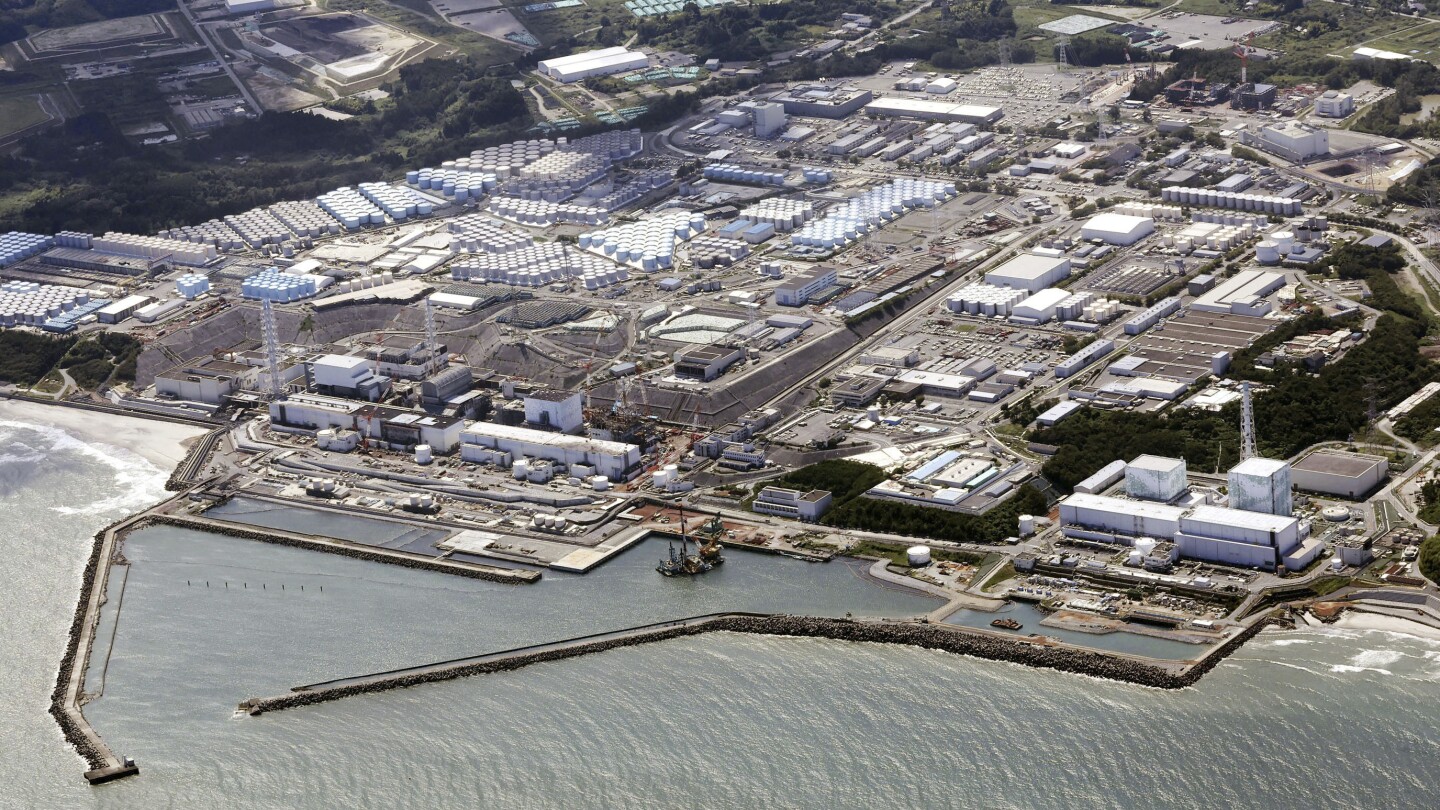
Japan's experts met with Chinese counterparts to address concerns over the discharge of treated radioactive water from the Fukushima Daiichi nuclear power plant into the sea, which has led to opposition from fishing groups and a ban on Japanese seafood imports by China. The talks aimed to provide a science-based explanation of the safe implementation of the discharges, following a decade of wastewater storage. This meeting follows a summit agreement between Japanese Prime Minister Fumio Kishida and Chinese President Xi Jinping, and comes after the International Atomic Energy Agency confirmed the safe execution of the discharges during a visit to the plant.
environment2 years ago

Massive Fish Die-Off in Japan Linked to Fukushima Release

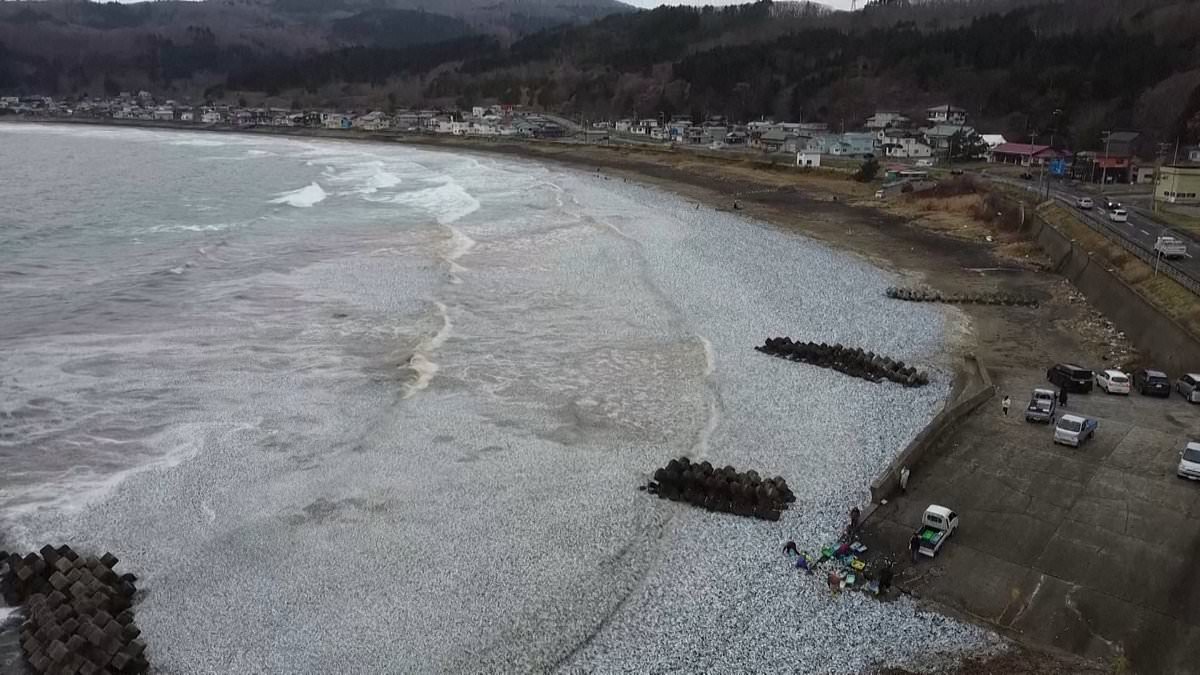
Thousands of tons of dead fish, including sardines and mackerel, have washed ashore in Hakodate, Japan, prompting concerns about the release of treated radioactive water from the Fukushima nuclear plant. The cause of the mass fish deaths is still unknown, but theories include oxygen depletion and shock from sudden temperature changes. This phenomenon occurred just three months after Japan began releasing treated radioactive water into the sea, causing backlash from neighboring countries such as China and South Korea. Local residents have been warned not to consume the decomposing fish, as it could affect the marine environment. Critics argue that the long-term effects of the treated water, particularly the presence of tritium, have not been fully assessed.

nuclear-energy2 years ago

Workers at Fukushima nuclear plant hospitalized due to radioactive liquid exposure

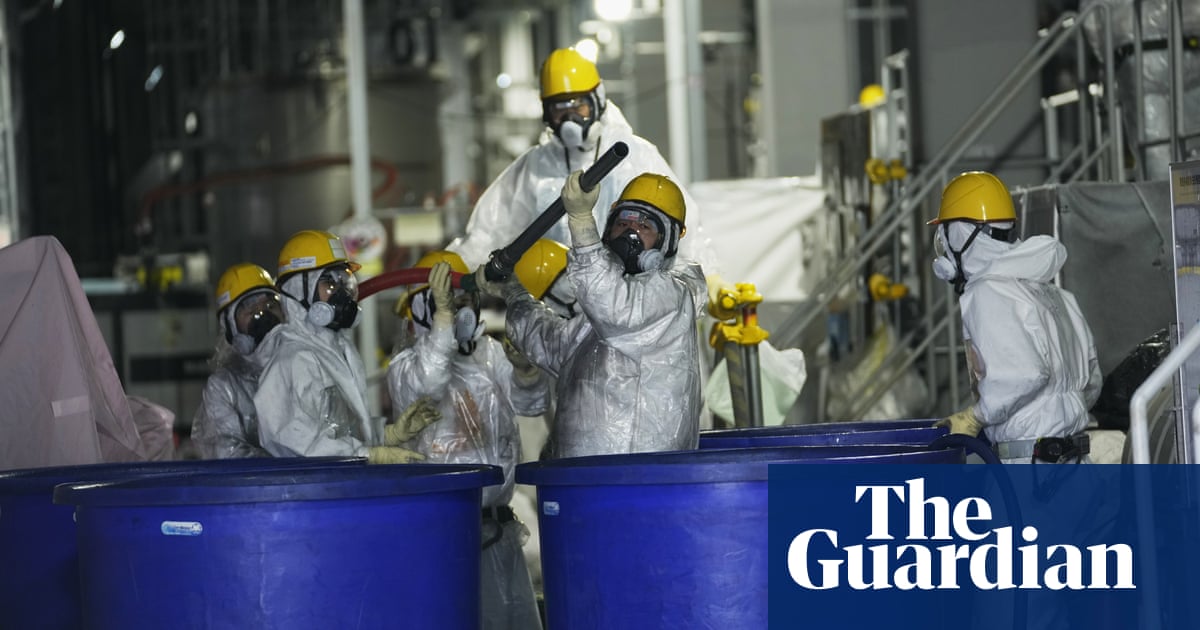
Four workers at the Fukushima nuclear plant were splashed with water containing radioactive materials, with two of them taken to the hospital as a precaution. The incident highlights the ongoing dangers Japan faces in decommissioning the plant, which was severely damaged by a tsunami in 2011. The workers were cleaning pipes when a hose came off accidentally, resulting in the contamination. The radiation levels in the hospitalized workers were at or above the safe threshold. The incident occurred shortly after the plant operator, Tepco, completed releasing a second batch of wastewater into the sea, drawing criticism from China and local fishing communities. The water is treated to remove most radioactive substances but contains tritium, an isotope of hydrogen that cannot be easily separated from water.

environment2 years ago

"Japan Utility Initiates Second Release of Treated Radioactive Water"

Tokyo Electric Power Company (Tepco) has begun releasing a second batch of treated radioactive water from the Fukushima Daiichi nuclear power plant into the Pacific Ocean, as part of its decommissioning plan. The release, which will last for approximately 17 days, involves discharging around 7,800 cubic meters of water. While nuclear authorities have stated that the plan will have minimal impact on humans and the environment, it has caused tension with neighboring China, leading to a ban on Japanese seafood products and harassment calls to Japanese businesses. Tepco has received over 6,000 calls from abroad regarding the discharge plan.

environment2 years ago

Japan Releases Second Batch of Treated Radioactive Water from Fukushima Plant

Tokyo Electric Power Company (Tepco) has begun releasing a second batch of treated radioactive water from the Fukushima Daiichi nuclear power plant into the Pacific Ocean, as part of its decommissioning plan. The release, which will last for about 17 days, involves discharging approximately 7,800 cubic meters of water. While nuclear authorities have stated that the plan will have minimal impact on humans and the environment, it has caused tension with neighboring China, leading to a ban on Japanese seafood products and harassment calls to Japanese businesses. Tepco has reported that tritium levels in surrounding waters have met safety standards, but protests demanding an immediate halt to the discharge plan continue.

environment2 years ago

Fukushima Nuclear Plant Completes Initial Wastewater Release

The operator of the Fukushima nuclear power plant has completed the first release of treated radioactive water into the sea, marking a milestone in the plant's decommissioning. The discharge, which is expected to continue for decades, has faced opposition from fishing groups and neighboring countries, with China banning imports of Japanese seafood in response. The Japanese government has compiled an emergency relief fund, and Prime Minister Fumio Kishida has sought international support for the release. The International Atomic Energy Agency has reviewed the safety of the project and concluded that it would have a negligible impact on the environment and human health. The plant's operator plans to release a total of 31,200 tons of treated water through March 2024.

international-relations2 years ago

China's Harassment Calls to Japan over Fukushima Water Release Spark Diplomatic Tensions

Japan's Chief Cabinet Secretary, Hirokazu Matsuno, expressed deep regret over the numerous instances of harassment phone calls believed to be originating from China regarding the release of treated radioactive water from the Fukushima nuclear power plant into the Pacific Ocean. The water discharge, which began last week, is a crucial step in decommissioning the plant that suffered triple meltdowns in 2011. China's foreign ministry has not yet responded to the remarks.

environment2 years ago

Concerned Volunteer Moms Distressed by Fukushima Nuclear Plant's Water Discharge

Volunteer moms in Japan are expressing distress over the decision to release treated radioactive water from the Fukushima nuclear plant into the Pacific Ocean. The discharge, which began on Thursday, is estimated to be around 1.3 million metric tons of wastewater and is expected to continue for the next 30 to 40 years. While the Japanese government and the International Atomic Energy Agency (IAEA) assure that the water is safe, concerns remain about the potential negative impact on the ecosystem and the long-term contamination legacy for future generations. Neighboring countries, including China, have voiced objections and implemented bans on imports of Japanese aquatic products.

environment2 years ago

Controversy and Caution: Japan's Fukushima Wastewater Release Sparks Global Concern

Japan has started releasing treated radioactive water from the damaged Fukushima power plant into the Pacific Ocean, despite protests and a ban on Japanese seafood by China. The UN's atomic regulator, the International Atomic Energy Agency (IAEA), claims that the water will have a negligible radiological impact. The water, stored in over 1,000 tanks, contains tritium, a radioactive element of hydrogen that cannot be removed. While experts argue that the release is safe, critics call for further studies on its impact on the ocean bed, marine life, and humans. The US National Association of Marine Laboratories and environmental groups like Greenpeace have expressed concerns, while fishermen fear the damage to their reputation and jobs.

environment2 years ago

"Japan's Controversial Decision: Releasing Treated Fukushima Radioactive Water into Pacific Ocean"

The operator of the Fukushima Daiichi nuclear power plant in Japan has begun releasing its first batch of treated radioactive water into the Pacific Ocean, marking a milestone in Japan's battle with the growing radioactive water stockpile. The release has faced opposition from fisher groups in Japan, as well as concerns from China and South Korea. The Japanese government and Tokyo Electric Power Company (TEPCO) argue that the water must be released to make room for the plant's decommissioning and to prevent accidental leaks. They claim that the treated water will meet international safety standards and have a negligible environmental impact, but some scientists raise concerns about the long-term effects of low-dose radioactivity. The release is expected to continue for several years.

environment2 years ago

Controversy looms as Japan plans to release treated Fukushima water into sea

Japan has begun releasing treated radioactive wastewater from the Fukushima nuclear plant into the ocean, sparking criticism from China. The release is part of a plan to free up space at the crippled nuclear power plant, but it has faced objections from consumers and some regional countries. Japan insists that the discharged water is safe and heavily diluted, with third-party monitoring by organizations like the International Atomic Energy Agency. China has condemned the move as "selfish and irresponsible," and has banned food imports from Fukushima and other regions.

environment2 years ago

Controversy and Concerns Surround Japan's Release of Fukushima Water

Japan announced that it will begin releasing over 1 million metric tonnes of treated radioactive water from the damaged Fukushima nuclear power plant into the ocean starting on August 24. The plan, approved by the Japanese government, has faced criticism from China and local fishing groups who fear reputational damage and livelihood threats. The water will be filtered to remove most radioactive elements except for tritium, diluted to below internationally approved levels, and released into the Pacific. Japan maintains that the water release is safe, supported by the International Atomic Energy Agency (IAEA), but neighboring countries remain skeptical.

environment2 years ago

Controversial Fukushima Water Release Raises Concerns and Tests Japan-South Korea Unity

Japan plans to release over 1 million metric tonnes of treated radioactive water from the Fukushima nuclear plant into the Pacific Ocean by the end of August, despite ongoing fears from the local population and neighboring countries. The International Atomic Energy Agency (IAEA) has given its endorsement to the plan, stating that the discharges of the treated water meet safety standards with negligible radiological impact. However, concerns remain among some members of the scientific community and local fishermen, who fear consumer backlash. The release is necessary due to storage capacities nearing their limit and the risk of tanks leaking in the earthquake-prone region. The water will be treated to remove most radioactive materials, but tritium, a relatively harmless substance, will remain. The validity and safety of the planned water release are widely debated within the scientific community.

environment2 years ago

"Controversy Surrounds Japan's Decision on Fukushima Water Release"

Japanese Prime Minister Fumio Kishida will meet with his ministers on August 22 to discuss the release of treated radioactive water from the Fukushima nuclear plant into the sea. The water, stored in tanks, has reached 98 percent of capacity and contains trace amounts of tritium. The release, planned for late August or early September, aims to minimize the impact on fisheries, but faces opposition from local fishermen and neighboring countries like China. Kishida will visit Fukushima to inspect the facilities and address concerns from fisheries associations. The International Atomic Energy Agency has stated that the planned discharge complies with global safety standards.

environment2 years ago

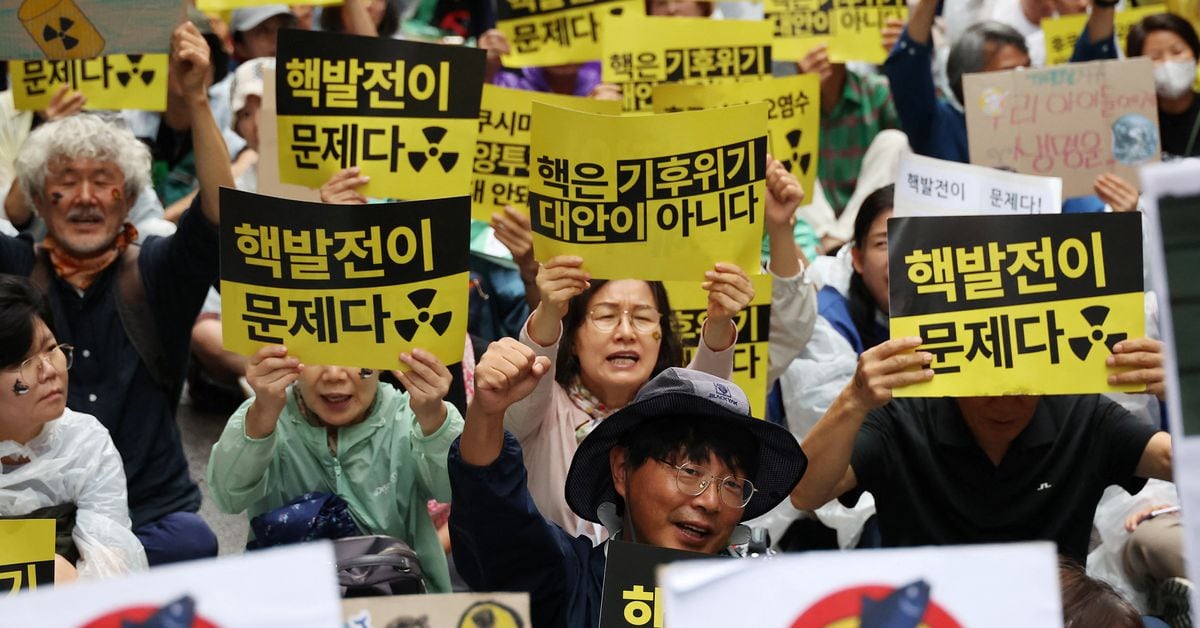
South Korean Activists Rally Against Fukushima's Wastewater Discharge

South Korean activists gathered in central Seoul to protest against Japan's plan to release treated radioactive water from the Fukushima nuclear power plant into the ocean. The activists expressed concerns about the potential destruction of the marine ecosystem and called for the water to be kept inland. Nearby countries fear that the water may contaminate food. The issue is expected to be discussed at a trilateral summit between the leaders of the United States, Japan, and South Korea.