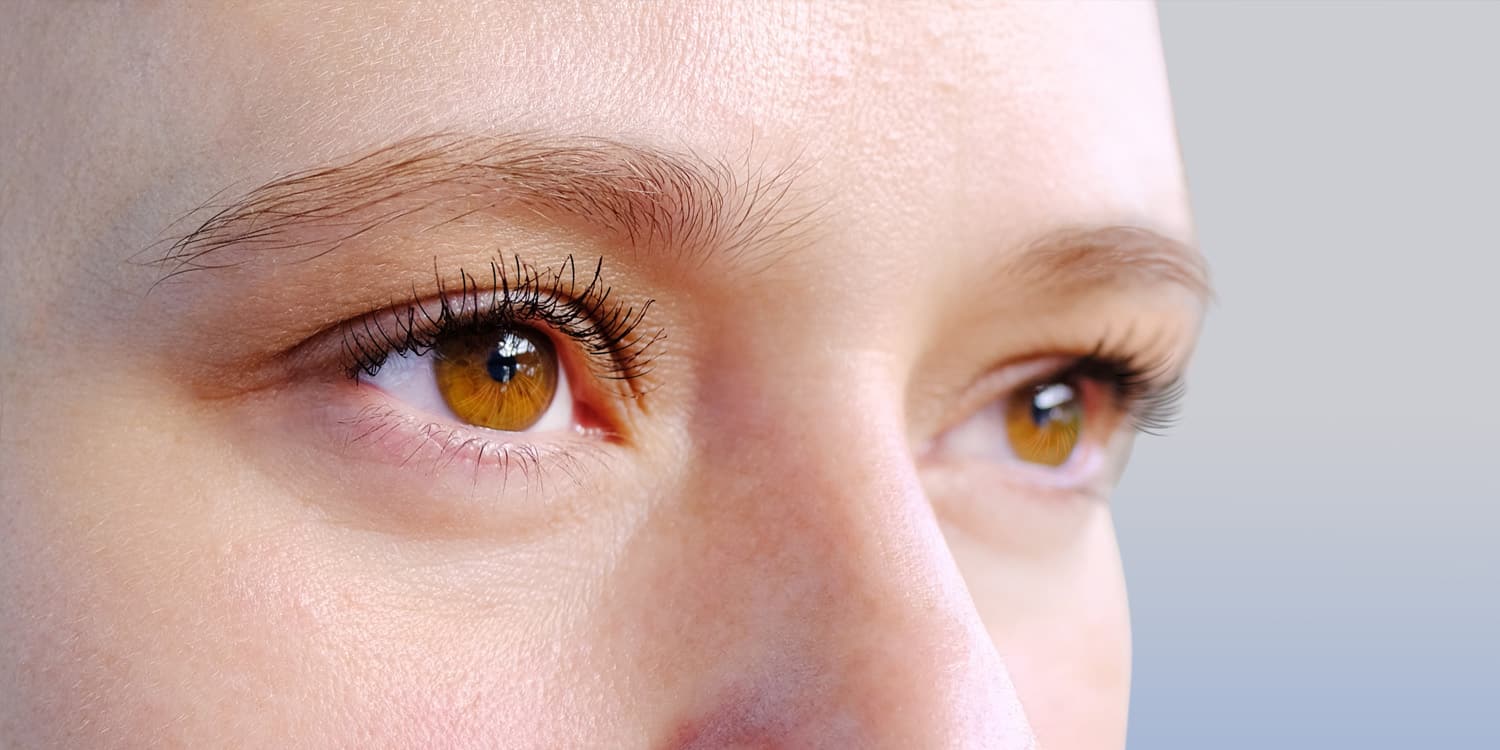
A recent study by scientists from the Max Planck Institute of Psychiatry suggests that pupillometry, the measurement of pupil size and reactivity, can differentiate between individuals suffering from depression and healthy individuals. The reduced pupil dilation observed in depressed patients during reward anticipation tasks could pave the way for new diagnostic tools and more personalized treatment approaches. The study's findings indicate a potential correlation between the severity of depressive symptoms and the extent of diminished pupil response, offering a window into the brain's noradrenergic system. While the study's design focused on unmedicated participants, further research is needed to generalize the results across different populations and stages of depression.
A study led by UCL researchers found that healthy older adults perceive colors differently compared to younger individuals, with older people's pupils constricting less in response to color chroma, particularly for green and magenta hues. The findings challenge the belief that color perception remains constant throughout life and suggest age-related shifts in color preferences. This decline in color sensitivity with age may have implications for understanding aging and dementia, as well as for adapting fashion, décor, and other color spaces for older individuals.
A study by the Max Planck Institute of Psychiatry found that depressed individuals show reduced pupillary response to rewards, indicating lower activation in the locus coeruleus, a key brain structure. This finding suggests that pupillometry could aid in developing personalized treatment strategies for depression, including the selection and dosing of antidepressants. Understanding the physiological mechanisms behind depression is crucial for improving treatment outcomes, especially for the 30% of patients unresponsive to current medications.
Mild forms of exercise, such as walking, have been found to improve mood and enhance executive function, which involves the brain's prefrontal cortex and the ability to control behavior to achieve goals. Researchers have discovered that pupil dilation during light exercise is linked to an improvement in executive function. Pupillometry, a non-invasive technique that measures pupil size, could serve as a biomarker for the brain's response to exercise and predict its effects on cognitive function.