The Treasury Department announced that Frank Bisignano, currently the Social Security Administration Commissioner, will serve as the new CEO of the IRS, overseeing daily operations and bringing his extensive experience in financial institutions and technology to improve IRS services.
SAP and OpenAI are partnering to launch 'OpenAI for Germany' in 2026, aiming to provide AI solutions for Germany's public sector that prioritize data sovereignty, security, and compliance, supported by SAP's Delos Cloud on Microsoft Azure, to enhance government efficiency and align with Germany's national AI ambitions.
A Roland Berger study reveals that AI could significantly impact 36% of jobs worldwide, including 7.5% of public sector roles, with potential for both displacement and augmentation. The study emphasizes the need for policymakers, businesses, and educational institutions to collaborate on reskilling and adapting to AI-driven changes, especially to support young workers and ensure equitable benefits across society.
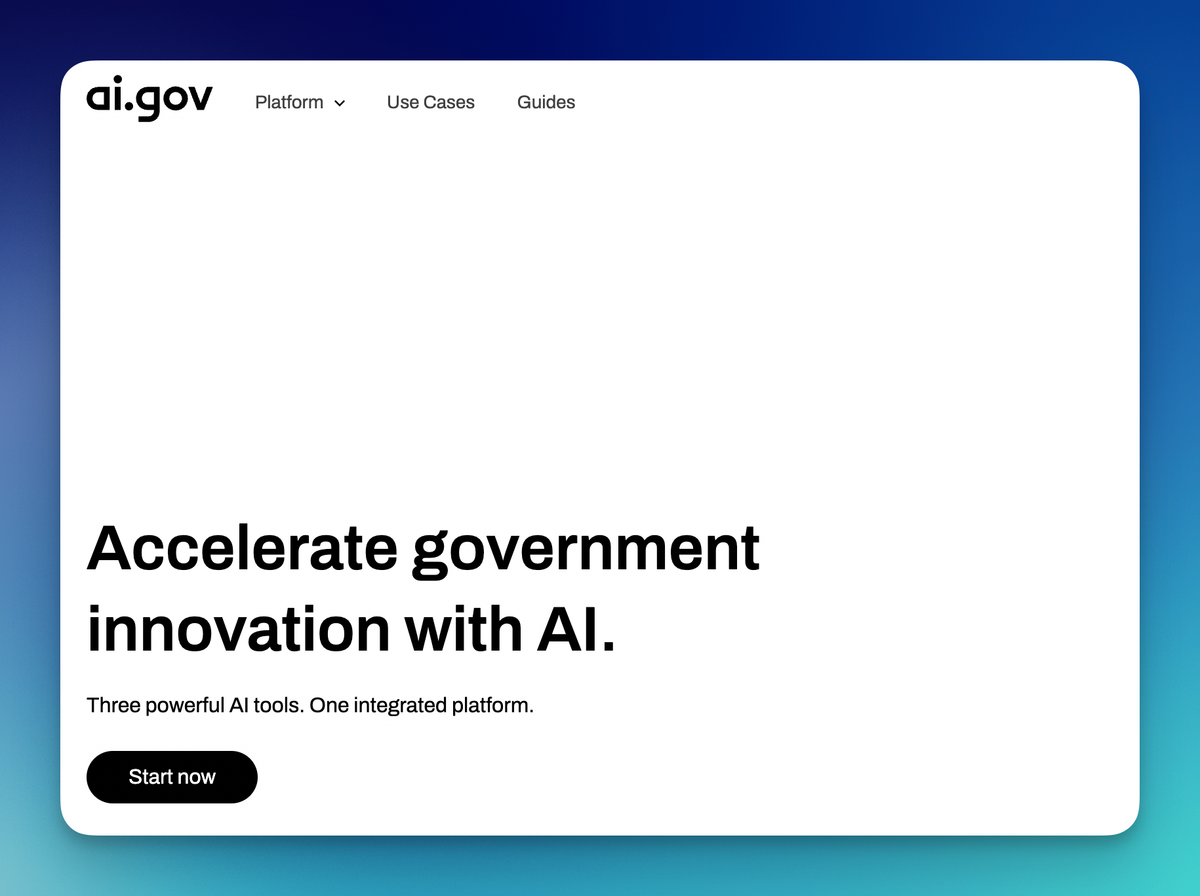
The U.S. government is developing a website and API called 'ai.gov' to promote AI integration across federal agencies, with plans to launch on July 4. The project, led by GSA's Technology Transformation Services, aims to incorporate AI tools from OpenAI, Google, Anthropic, AWS, and Meta, including an AI-powered chatbot. Leaked code and early website versions reveal ambitious plans to use AI for government innovation, but internal reactions have been largely negative due to concerns over security, bugs, and contract analysis.
President-elect Donald Trump's new Department of Government Efficiency, led by Elon Musk and Vivek Ramaswamy, aims to streamline federal bureaucracy. However, the article argues that efficiency, a hallmark of capitalism, may not suit the public sector. Successful business leaders transitioning to government focus on open engagement, incremental innovation, and creating value for the public rather than capturing it for themselves. These approaches are essential for effective governance, which must serve all citizens and cannot afford to fail.
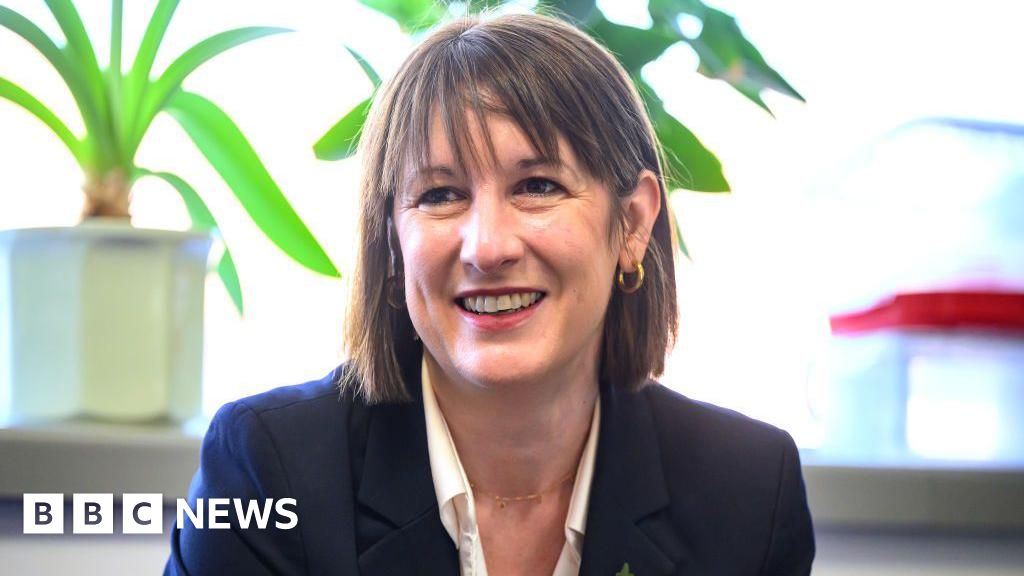
Chancellor Rachel Reeves is proposing a major reform of the UK's pension system by consolidating 86 council pension schemes into a few large 'megafunds' to boost economic growth. The plan aims to increase investment in UK infrastructure and services, similar to pension models in Canada and Australia. While some experts support the potential for higher returns and economic benefits, critics warn of risks to savers' money and the potential neglect of smaller companies. The reform also includes setting a minimum size for private sector pension schemes to encourage consolidation.
The U.S. House of Representatives has passed the Social Security Fairness Act, which aims to eliminate the Windfall Elimination Provision (WEP) and Government Pension Offset (GPO) that reduce Social Security benefits for certain public sector employees and their spouses. The bill, which received strong bipartisan support, now moves to the Senate, where it faces challenges due to other legislative priorities. Advocates argue that repealing these provisions is crucial for ensuring fair retirement benefits for public servants, though some lawmakers express concerns about the potential impact on Social Security's solvency.
A survey by the Chartered Institute of Personnel and Development (CIPD) revealed that strong pay growth in the UK's private sector will be matched in the public sector, with both sectors planning 5% pay rises. This indicates the largest pay rise for public workers since 2012. The survey also showed that 51% of public-sector employers reported hard-to-fill vacancies, compared to 38% in the private sector. Additionally, a quarter of organizations with hard-to-fill vacancies plan to introduce or increase automation. The Bank of England expects wage growth of 4.25% next year, despite falling headline inflation and signs of economic stagnation.
Thousands of Greek public sector workers, including teachers, doctors, and transport staff, rallied in Athens during a strike against planned labor law changes by the conservative government. The government claims the reforms will combat undeclared work and boost employment, but labor unions and the opposition argue that it undermines workers' rights and creates harsh conditions. The strike, organized by Greece's largest public sector union, ADEDY, is the first since the government's re-election. Trains, buses, and schools were affected, and hospitals operated with emergency staffing. The proposed changes, including allowing full-time employees to have a part-time second job and implementing a six-day working week, are expected to be passed this week.
Canada has reached a deal with 120,000 striking federal workers, ending one of the largest public-sector work stoppages in the country's history. However, 35,000 employees at the Canada Revenue Agency remain on strike, demanding better pay and telework flexibility. The Public Service Alliance of Canada union said it had secured a 12.6% wage increase over the four-year contract period and new protections for teleworking. The remaining striking workers are seeking language in their collective agreement to allow for telework arrangements, pay that addresses cost of living and inflationary pressures, and more job safety provisions.
The German government, local authorities, and trade unions have agreed on a wage deal for the country's 2.5 million public-sector workers, avoiding the possibility of indefinite strikes. The deal includes tax-free one-time payments and a 5.5 percent salary increase, with a minimum increase of €340. The agreement runs for 24 months and is largely based on a proposal by arbitrators. Municipalities fear the deal may pose new financial challenges for them. Ver.di had initially asked for a 10.5 percent raise and at least €500 more pay over a twelve-month period.
The Royal College of Nursing's rejection of a pay deal has led to further strikes, with staff being withdrawn from emergency departments for the first time. The government's handling of industrial action has been called into question, and their approach has evolved. The ongoing spat between the government and junior doctors has not helped the atmosphere either. Allowing industrial action to continue makes it harder for the prime minister to achieve his targets, dampening Conservative hopes of some kind of political recovery.
A British nursing union has rejected a pay offer from the government, with members set to walk out again later this month. However, another major health union voted to accept the deal. A wave of strikes has disrupted Britons’ lives for months, as workers demand pay raises to keep pace with soaring inflation. Unions say wages, especially in the public sector, have fallen in real terms over the past decade, and a cost-of-living crisis fueled by sharply rising food and energy prices has left many struggling to pay their bills.
Tens of thousands of doctors at the state-funded National Health Service (NHS) in the UK are set to go on a four-day strike, which could postpone up to 350,000 appointments. The strike comes amid walkouts by public workers across many sectors demanding pay hikes during a cost-of-living crisis. The British Medical Association has asked for a 35% pay rise to bring junior doctor pay back to 2008 levels. The strikes would risk patient safety, and the government and the union should call in outside negotiators to help break the impasse, said Matthew Taylor, chief executive of the NHS Confederation.
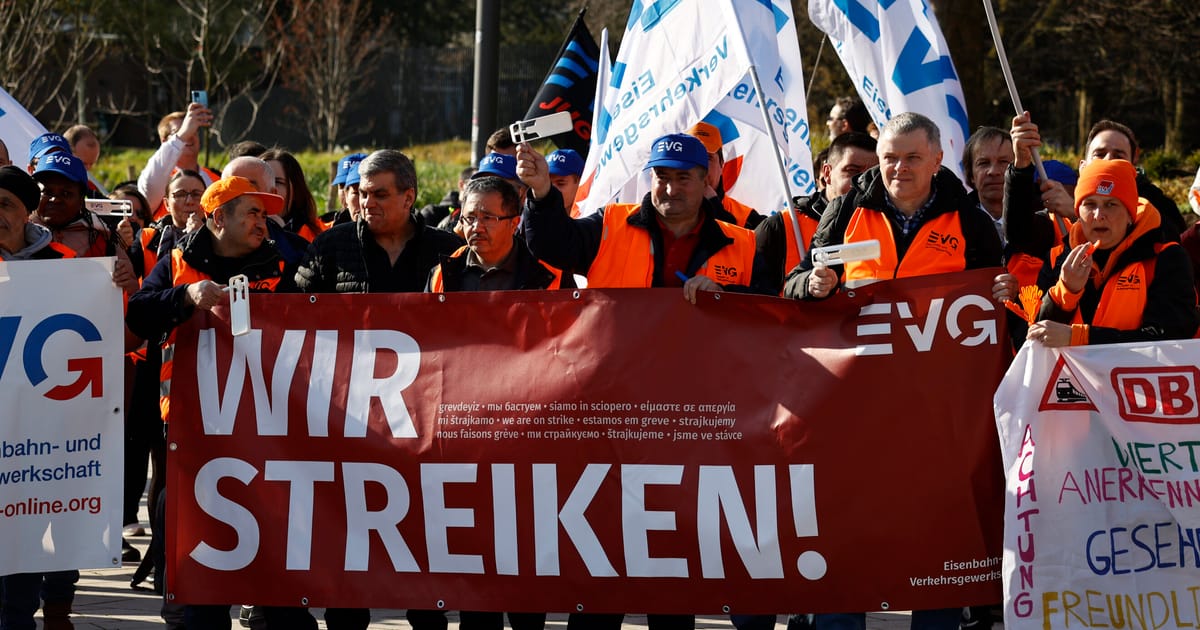
A nationwide 24-hour strike by two major unions in Germany has caused major disruptions to almost all planes, trains, and buses. The strike was organized to coincide with the start of a third round of talks with public sector employers in several transport sectors. The unions are seeking pay increases of at least 10.5% and have rejected offers of two staggered 5% increases as well as one-off payments. The blocked ports, canceled flights, and empty train lines could bring costs of up to €181 million ($195 million), but financial experts say the economic impacts of a one-day strike are limited.