The FDA has issued a warning against the use of over-the-counter supplements containing the potentially deadly antidepressant tianeptine, due to serious risks including seizures, loss of consciousness, and death. Neptune's Fix brand products, which contain tianeptine, have been sold at various outlets and online, prompting a voluntary recall by the manufacturer. The FDA continues to receive severe adverse event reports, including deaths, and has requested the immediate cessation of sales of these products. The use of tianeptine has been identified as a public health risk, with effects mimicking opioid toxicity and withdrawal, and efforts are being made to strengthen FDA oversight and regulation of such substances.

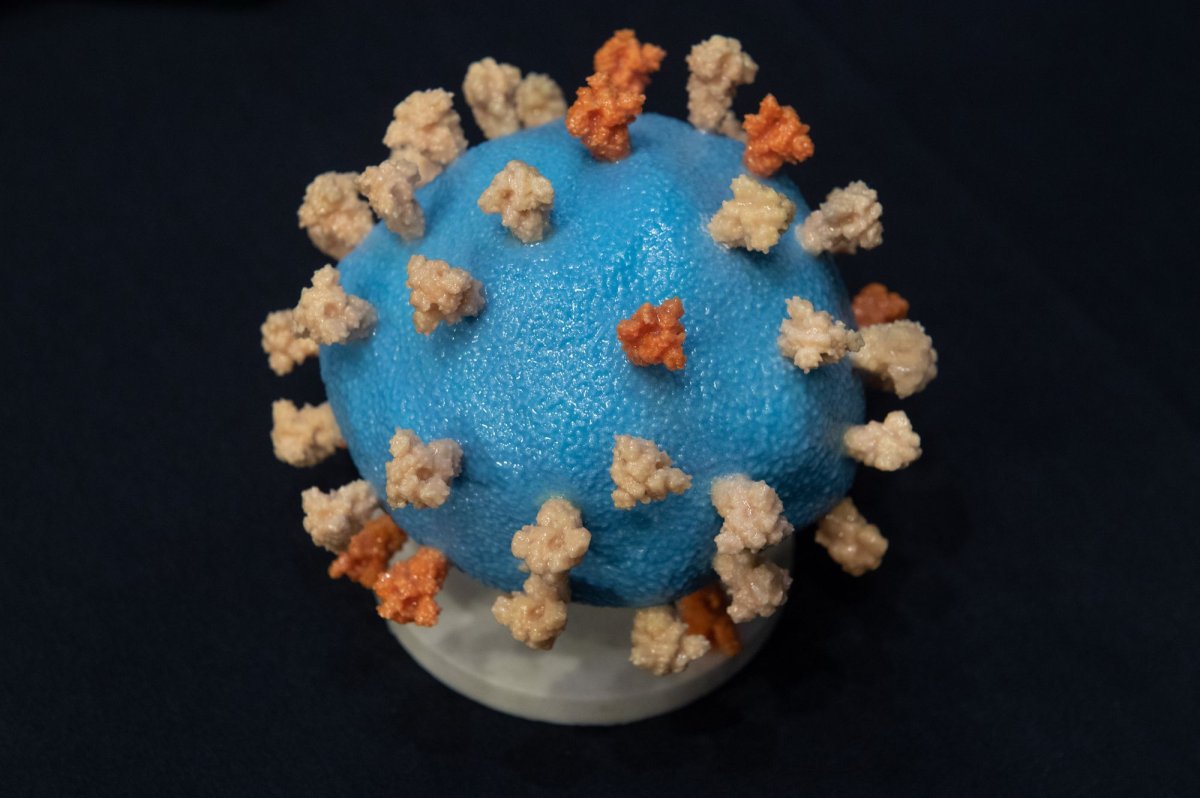
The World Health Organization (WHO) has designated the COVID variant JN.1 as a "variant of interest." JN.1 was previously classified under the parent strain BA.2.86 and is estimated to account for 21% of new cases in the U.S. While there is no evidence that JN.1 causes more severe disease, caution is urged as the holiday season may lead to increased respiratory infections. Existing tests, vaccines, and treatments are still expected to be effective against JN.1, and the public health risk is currently considered low.
The BA.2.86 variant of COVID-19 has tripled in prevalence in the past two weeks, accounting for nearly 1 in 10 new cases in the United States, according to the CDC. The variant is spreading most rapidly in the Northeast, particularly in New York and New Jersey. While early projections on the variant's prevalence may be less reliable, the CDC has noted a recent increase in emergency department visits linked to COVID-19 nationwide. However, the BA.2.86 variant is considered to pose a "low" public health risk, and current vaccines are expected to be effective against it and its subvariant, JN.1.
Swarms of small gnat-like insects, identified as aphids, have been observed in New York City, particularly in Manhattan and Brooklyn. The sudden arrival of high temperatures, increased humidity, and recent rainfall has created the right environmental conditions for their population to explode. While they may be a nuisance, these insects do not pose a known public health risk, according to the New York City Department of Health.